Week - 4 - 2D meshing for Plastic components
Week - 4 - 2D meshing for Plastic components
Aim:
- To check for the geometrical errors and take the mid surface by suitable mid-surfacing techniques.
- To Assign PID and Thickness for all the mid surfaces.
- Mesh the same with given element Quality criteria, For the given Plastic Bottle Cap model.
Procedure:
Step 1
Geometry Clean-up
We start with giving the Length perimeters and macros to 1 mm for better resolution.
Do perform Topo and orient the faces after removing unnecessary hot points.
Then go for geometry clean-up and resolve all the errors.
Step 2
Mid Surfacing
- For non-uniform thickness or non-sheet metal comp which means molded or casted components, we have to perform mid surfacing differently.
- First, identify all the parts with varying and constant thickness.
- For constant thickness we do Faces>Offset.
- And with varying thickness, we mostly do Faces> middle.
- When we have a complex surface with different features on both sides then we use the curve> middle option.
- With this, we create curves and then add a new surface to them
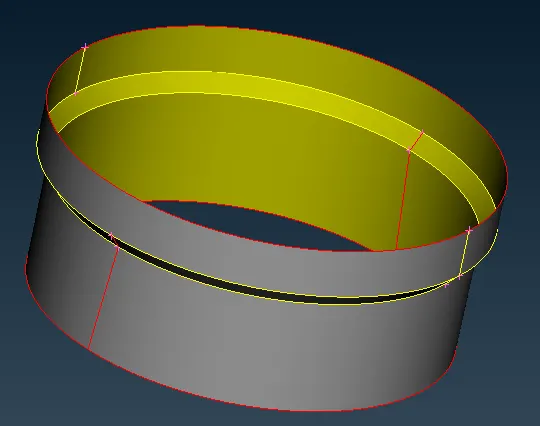
- For spiral ring features, we take the curve middle from the top of it and then project it to the base mid surface, and then generate a new face between the curve and the projected one.
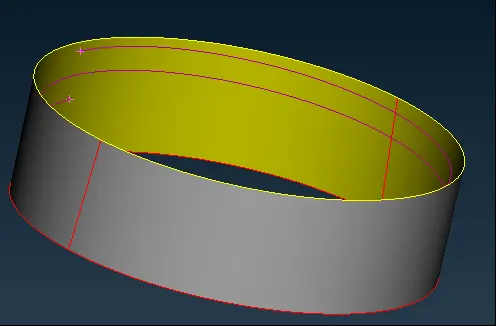
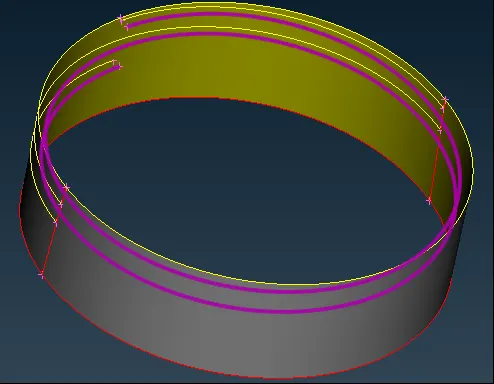
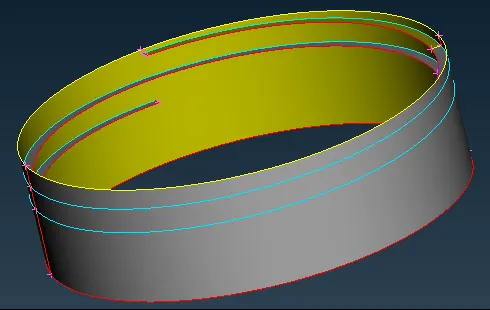
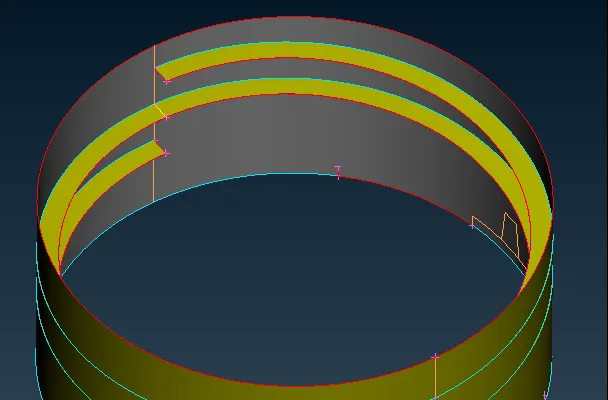
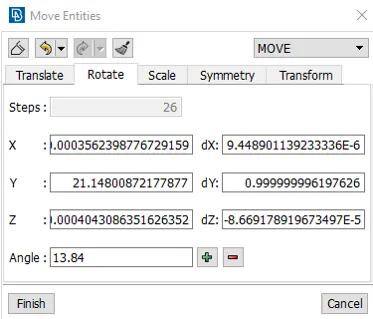
- Midsurfacing of the teeth and inner ribs is done by taking faces>middle of one and use COPY>Rotate option.
- For that, we have to take 2 numbers of points> On COG.
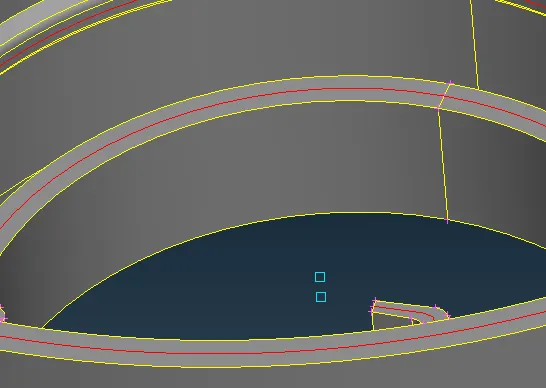
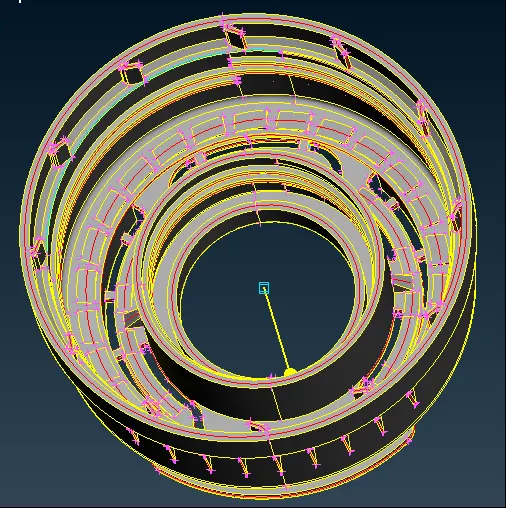
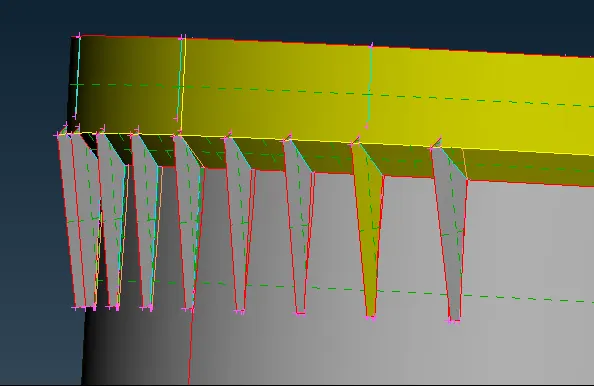
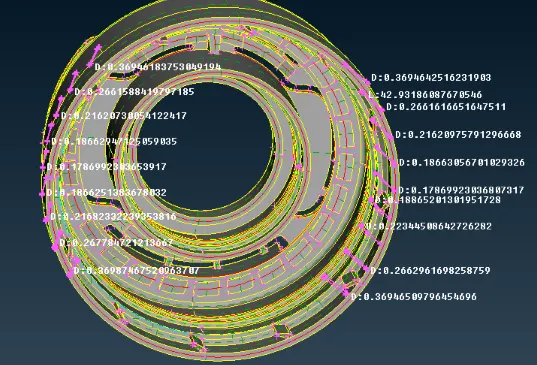
Complete Mid Surface
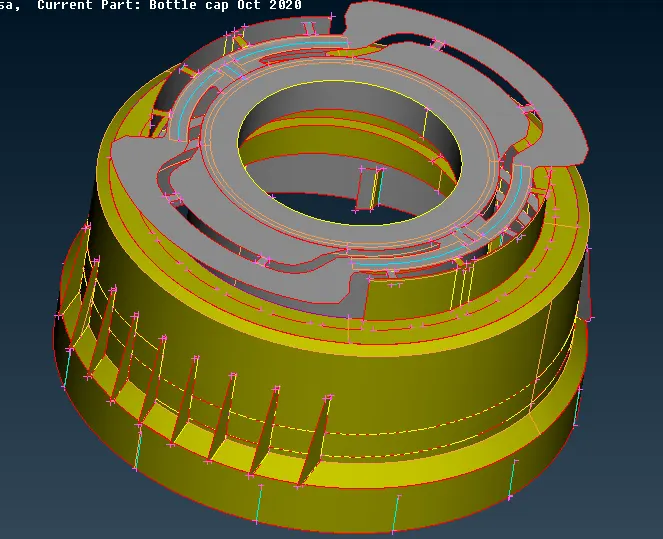
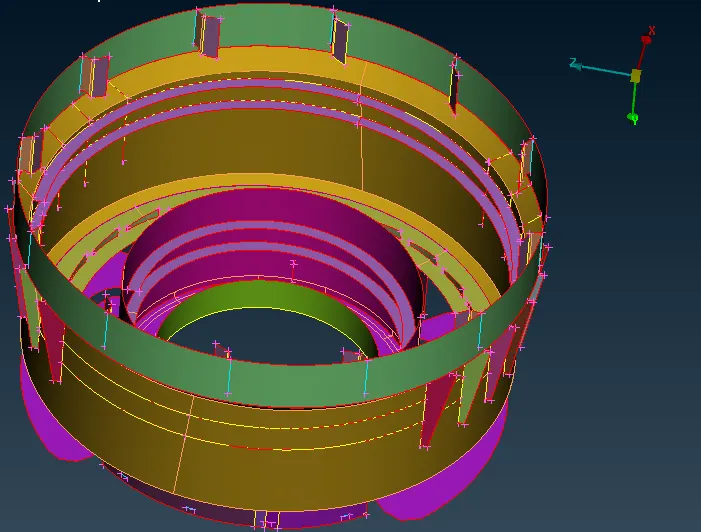
Assigning PID
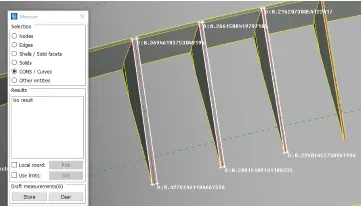
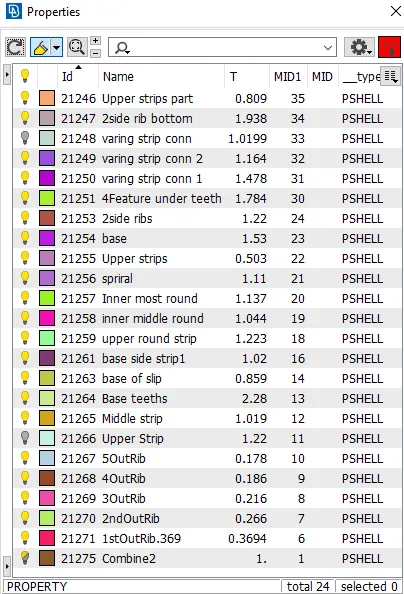
As we have so many non-uniform thickness parts in this so we have to generate PID for each part having the same thickness.
Step 3
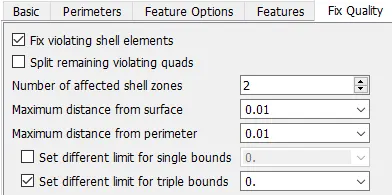
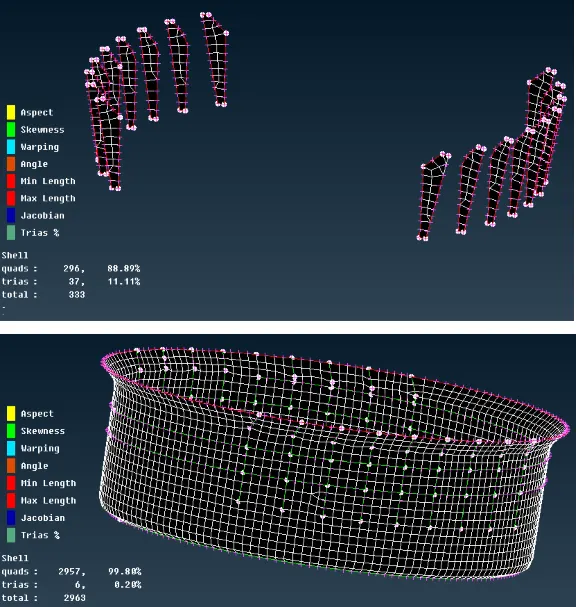
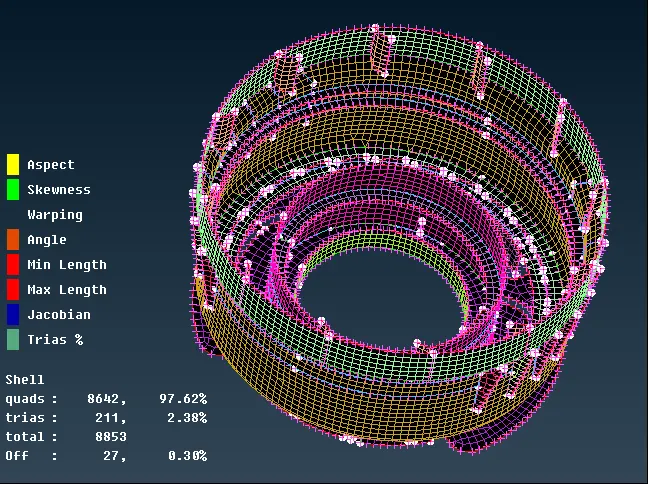
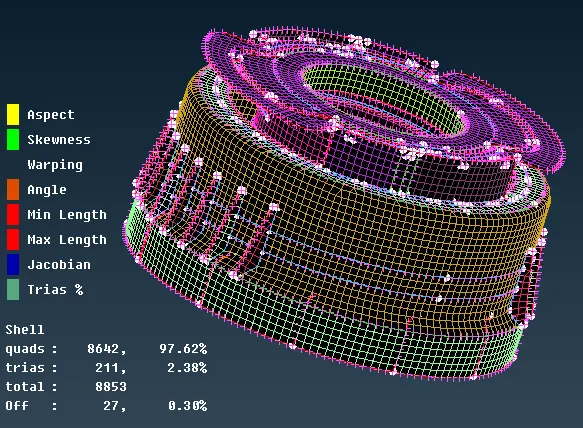
Feed the mesh parameters and quality criteria as provided and apply them.
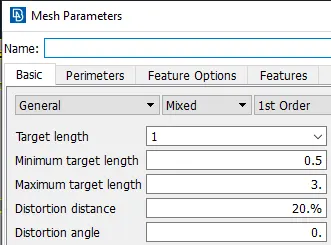
We use the best mesh option to generate the mesh patterns.
Mesh the model individually according to assigned PID.
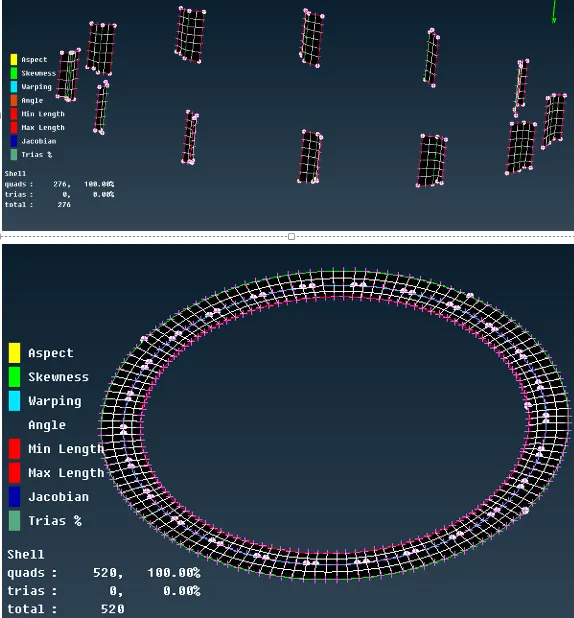
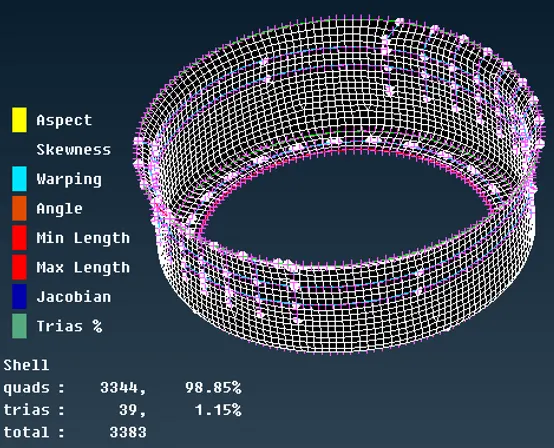
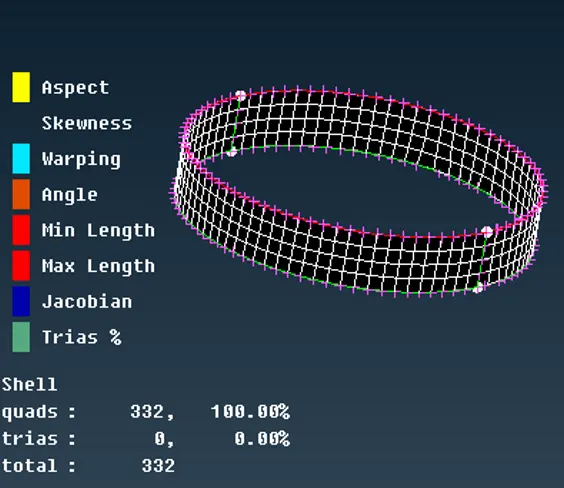
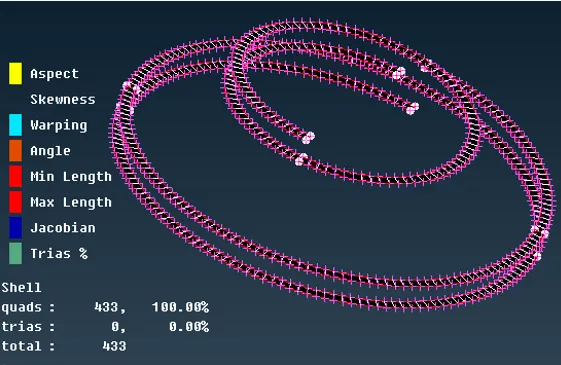
Learning Outcomes:
Now we can perform mid-surfacing on complex areas like teeth, spiral section, and continuously varying or a tapered section.
Gain confidence in meshing while resolving the errors like off and can reduce trias using split, past, smooth, and reconstruction.
Conclusion:
Here we have successfully completed the 2d-meshing of plastic component(bottle cap) by checking geometry clean up and extracted mid surface from the model and assign PID for each thickness and finally performed meshing considering the given element Quality criteria.