Week 4.1: Project - Steady state simulation of flow over a throttle body
Aim: Set up and run the steady state simulation for flow over throttle body.
Throttle body:
A throttle body is a butterfly valve located between the air intake filter and the intake manifold. It regulates how much air can go into the engine, based on driver input through the gas pedal. As more air flows into the engine, it injects more fuel, thus allowing for more power.
throttle bodies come in two main types – mechanical and electronic
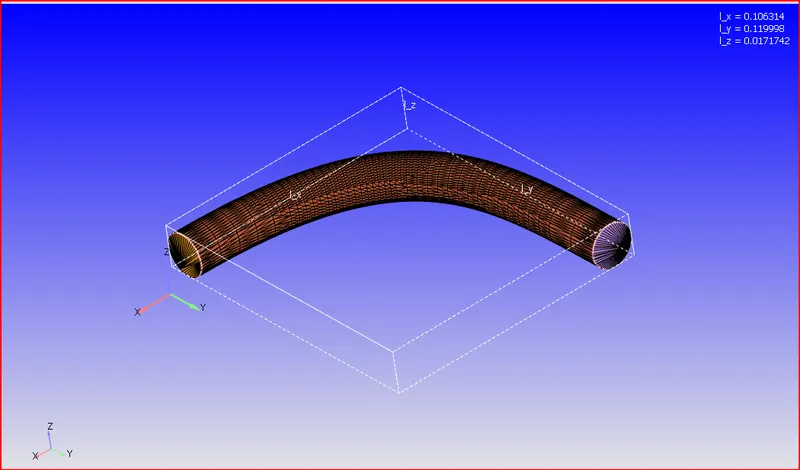
Given Geometry:
Transformation:
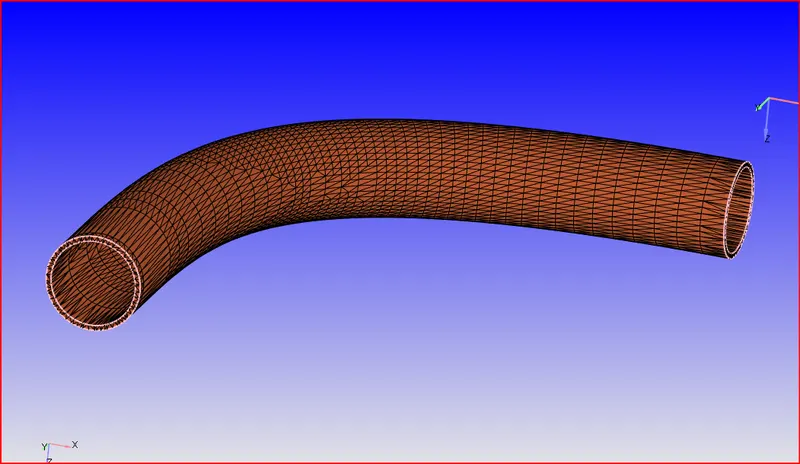
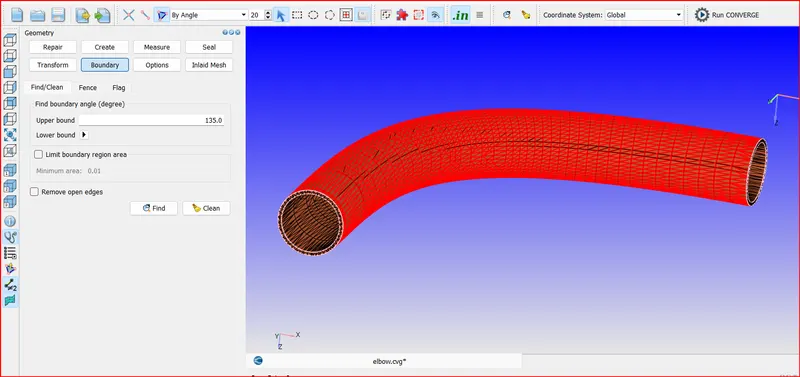
Boundary Flagging:
Boundary > Find / Clean > Find.
Deleting the unwanted surfaces:
By angle > select the surface > Press D.
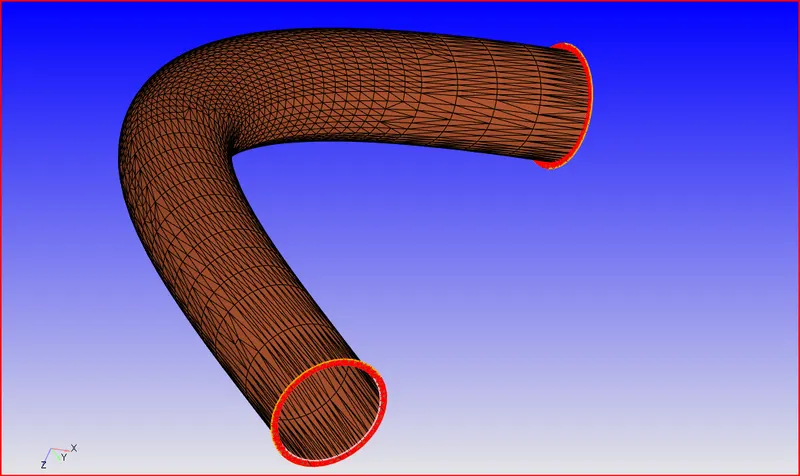
After deleting the faces and running the diagnosis, there are 211 open edges.
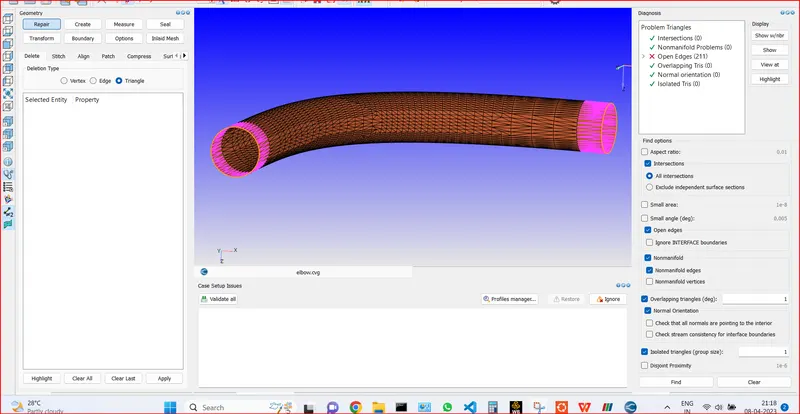
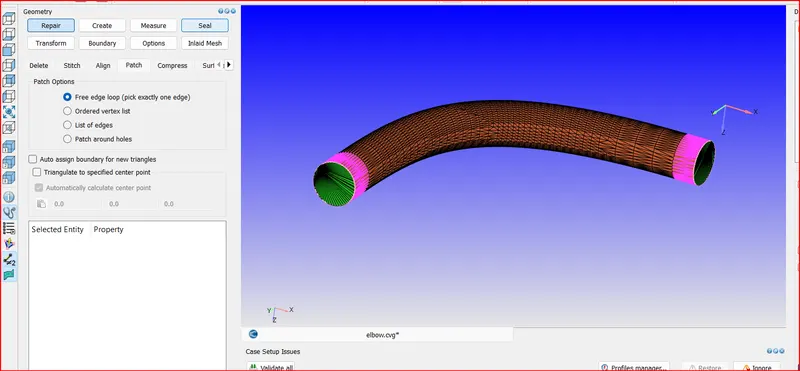
To eliminate the errors, Go to Repair > Patch > Select the edges > Apply.
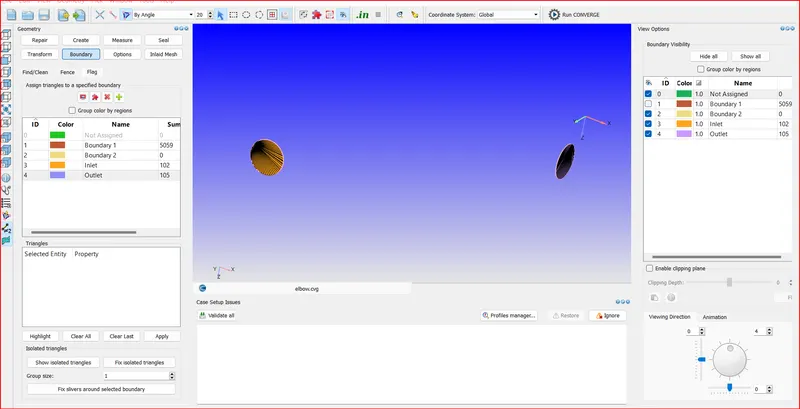
Seect view options > hide boundary 1 and mark inlet and outlet boundaries
Hide the selected face to see the throtle valve.
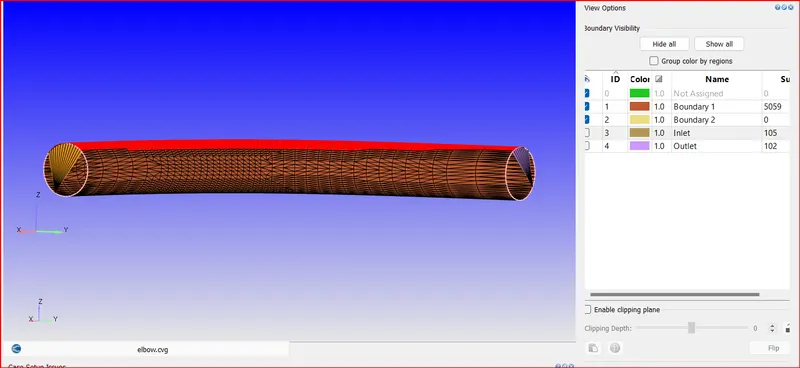
Now assign throttle to separate boundary
By selecting the boundary> select by surface > select the throtle body> apply.
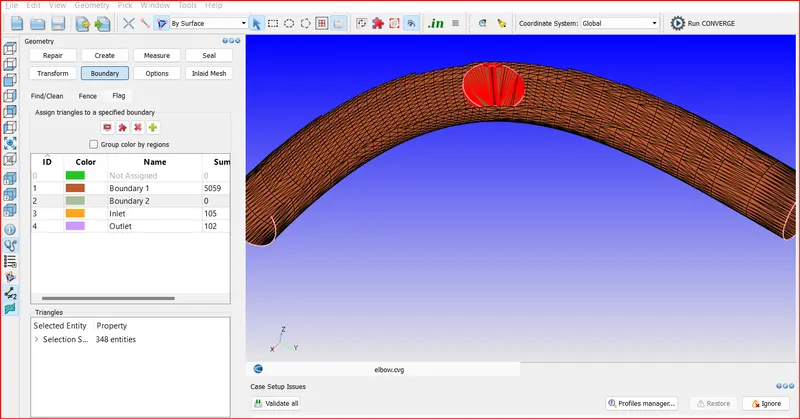
Enable Normal, and ensure all normal is pointing towards the interior.
Case setup:
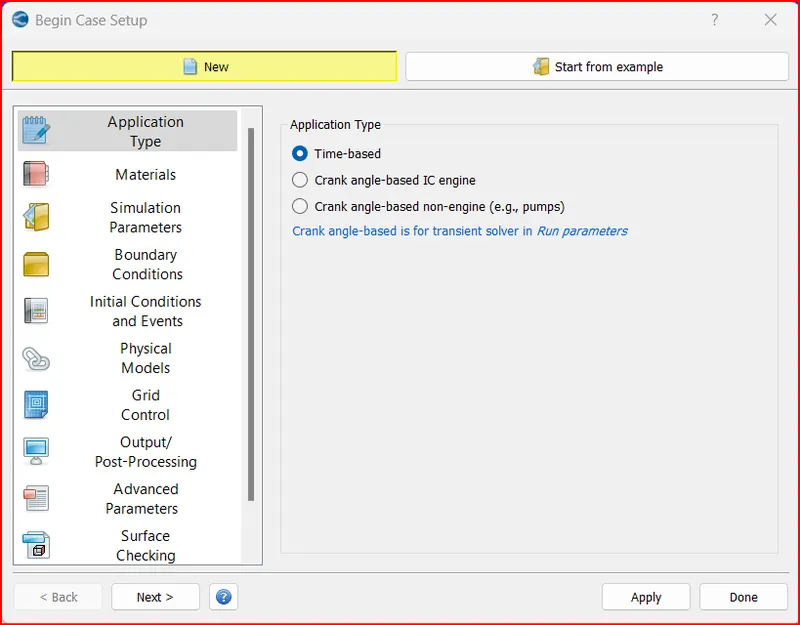
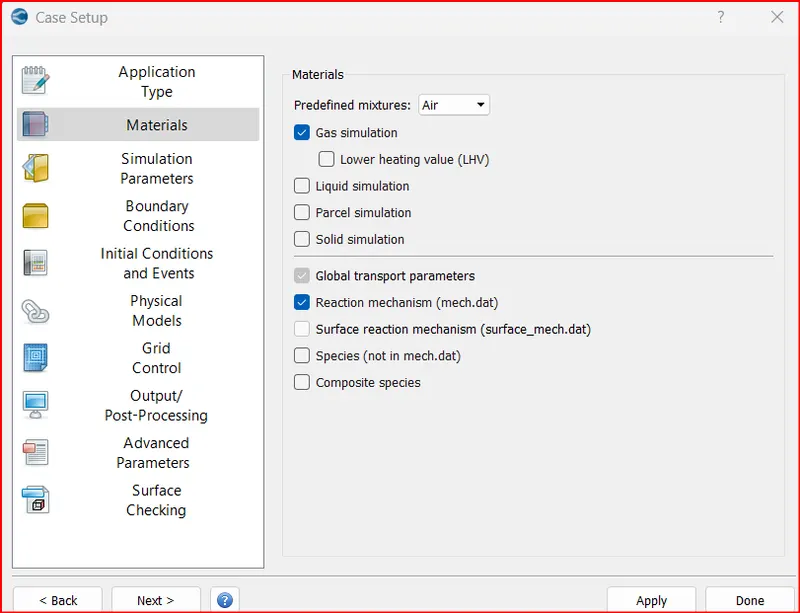
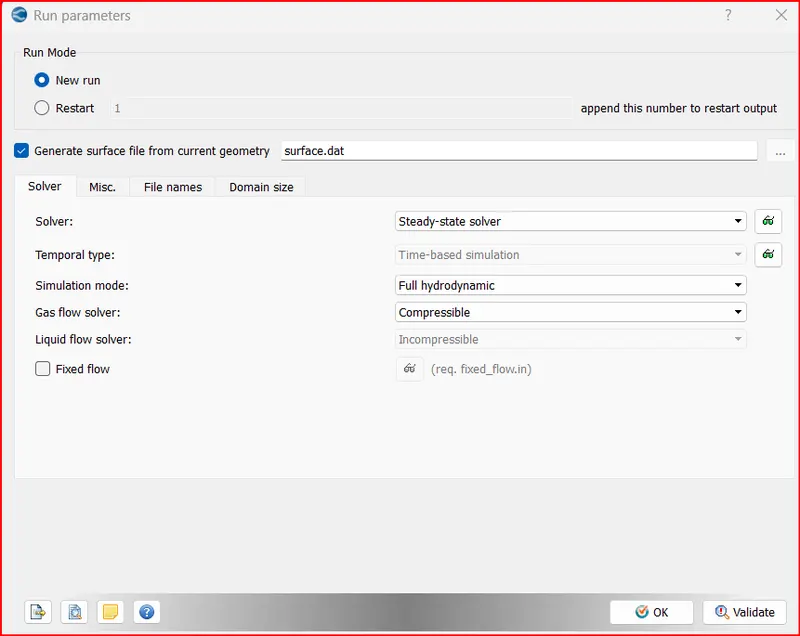
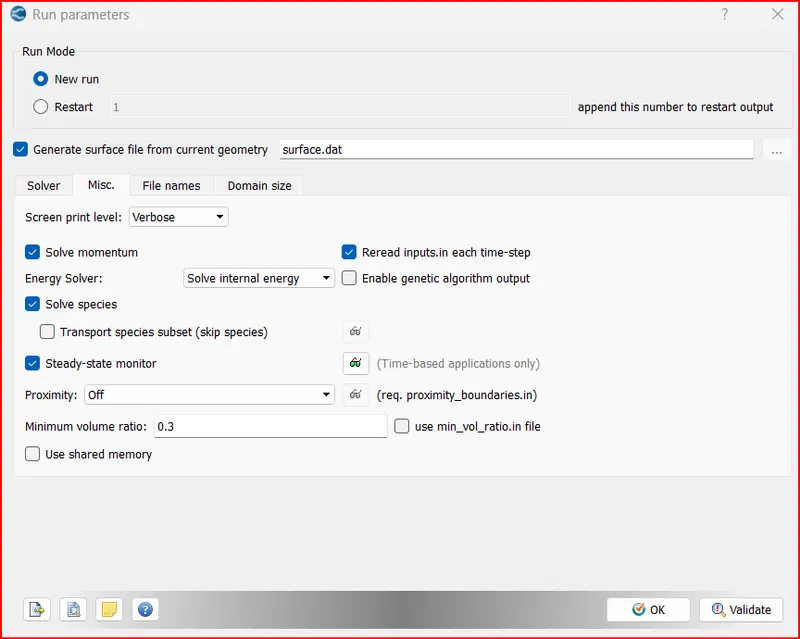
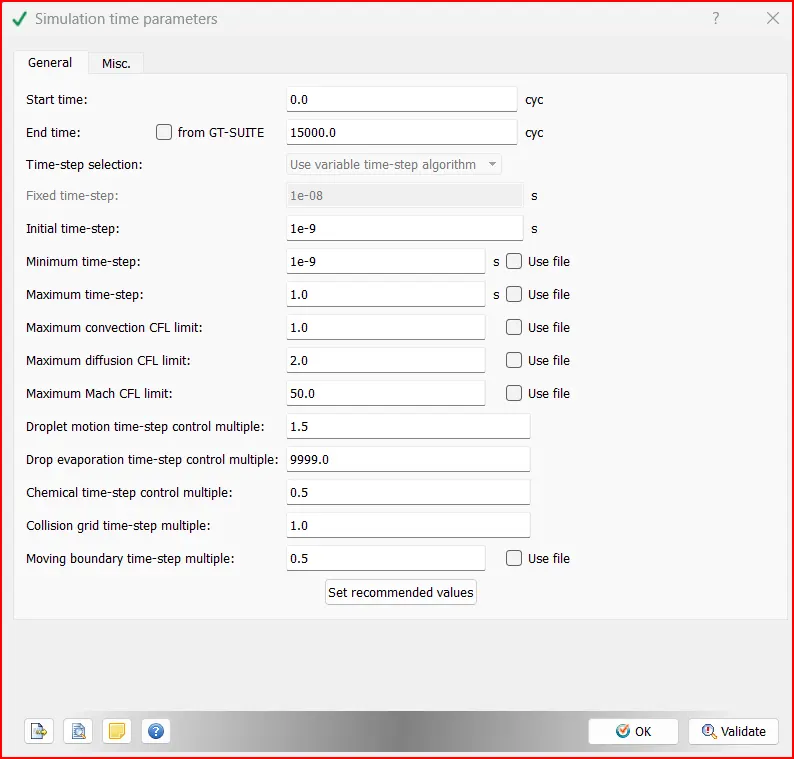
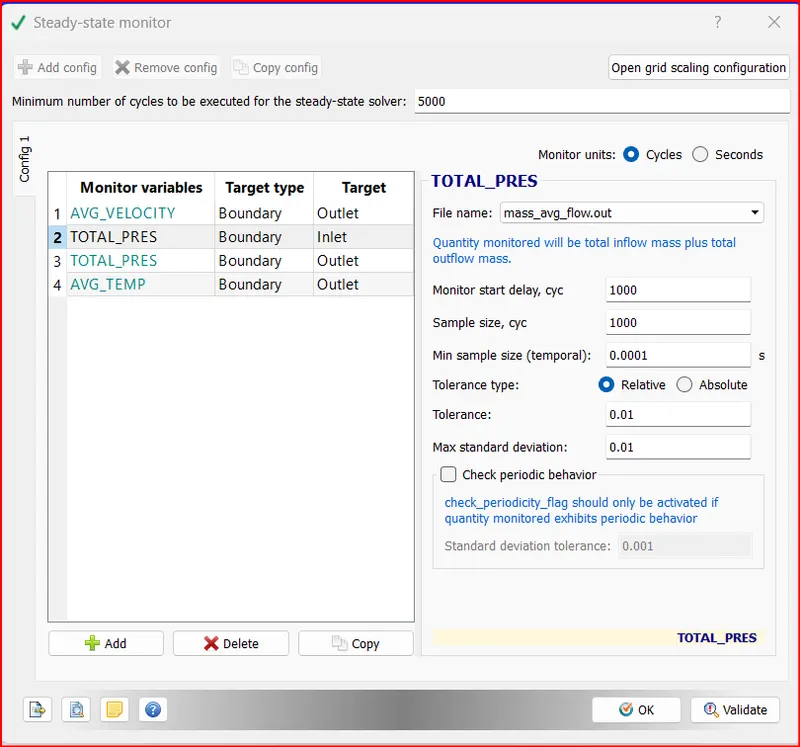
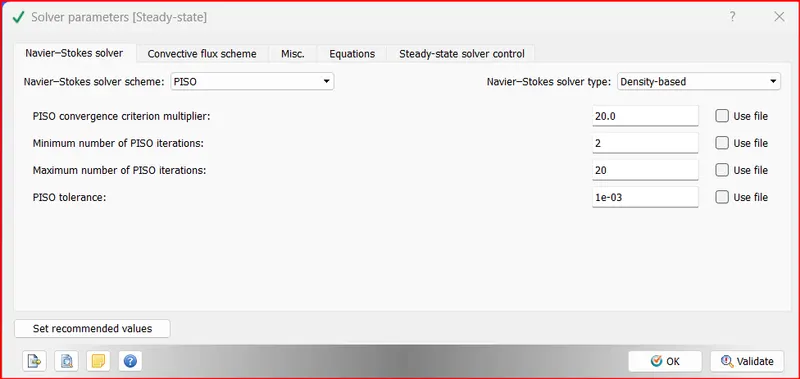
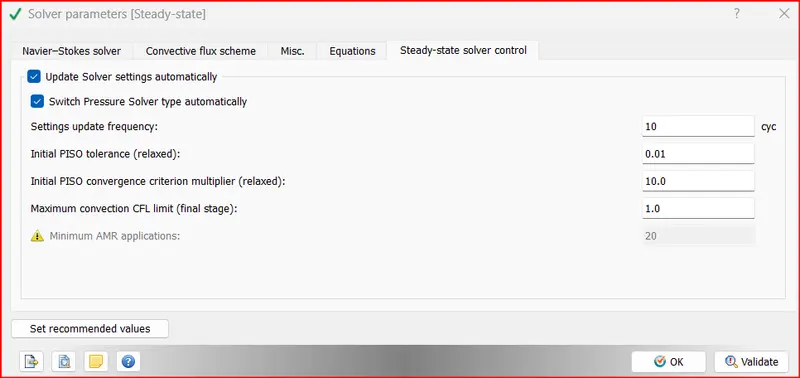
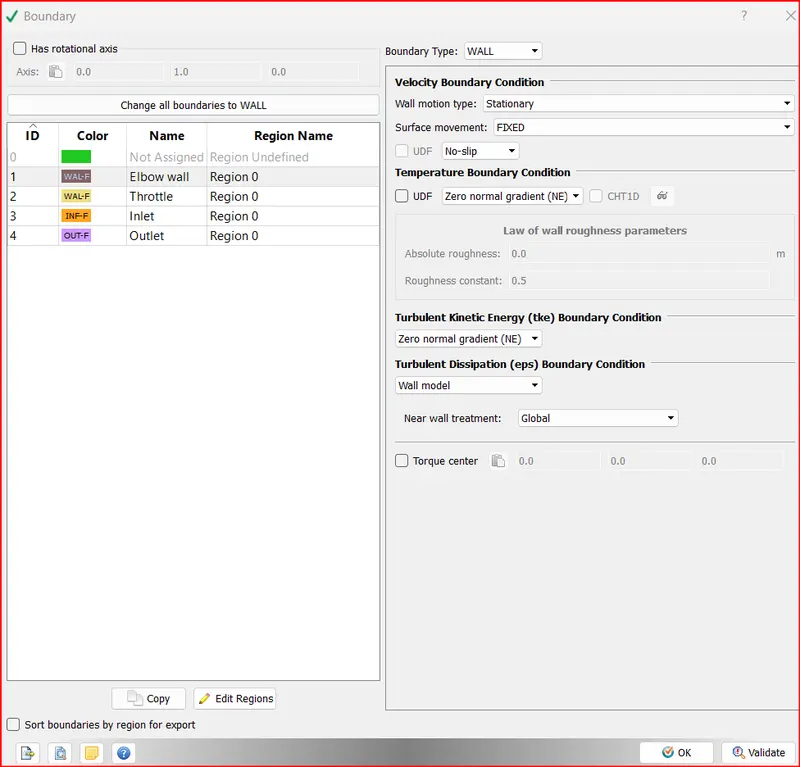
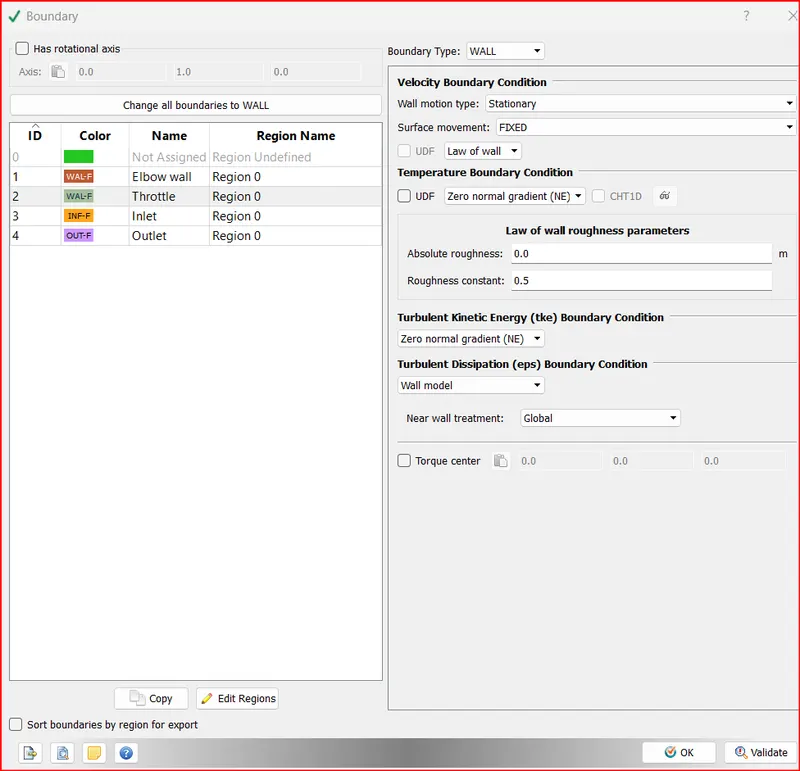
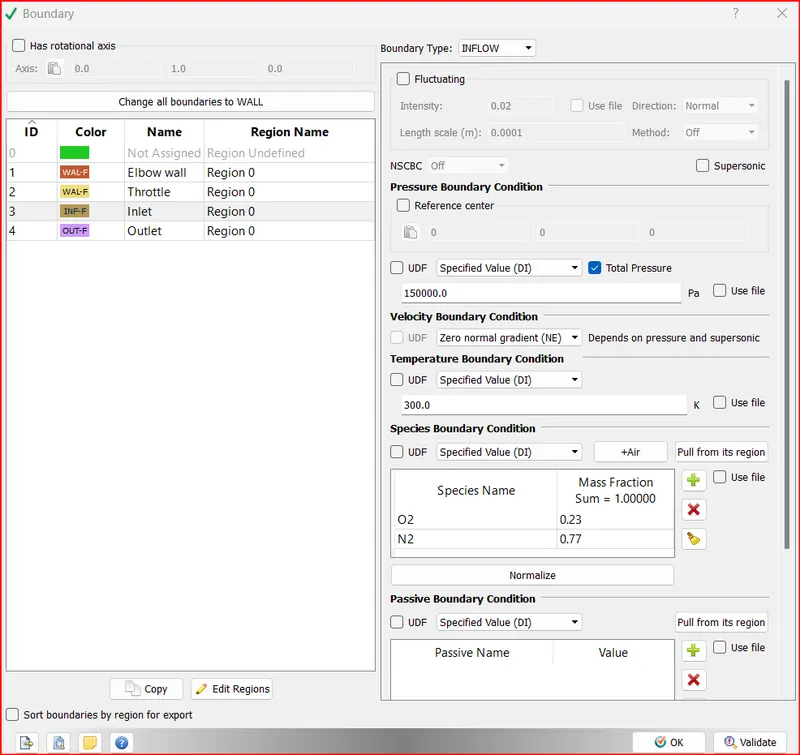
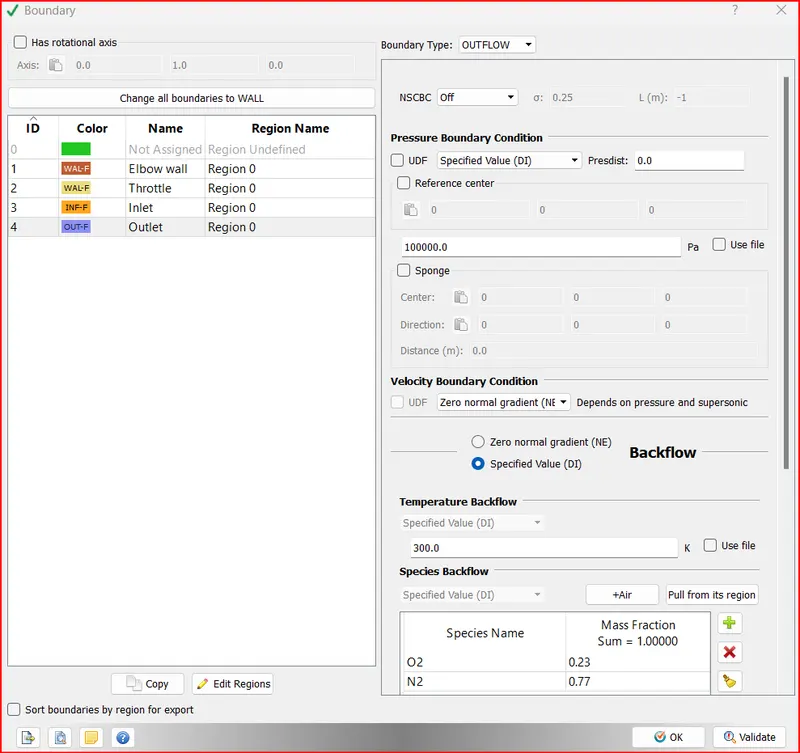
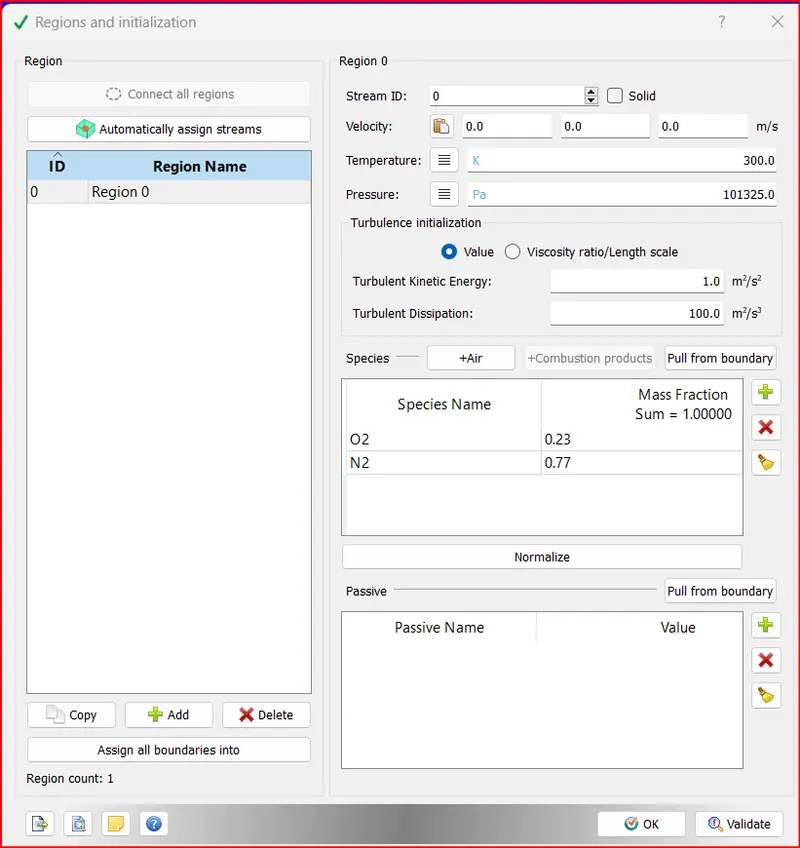
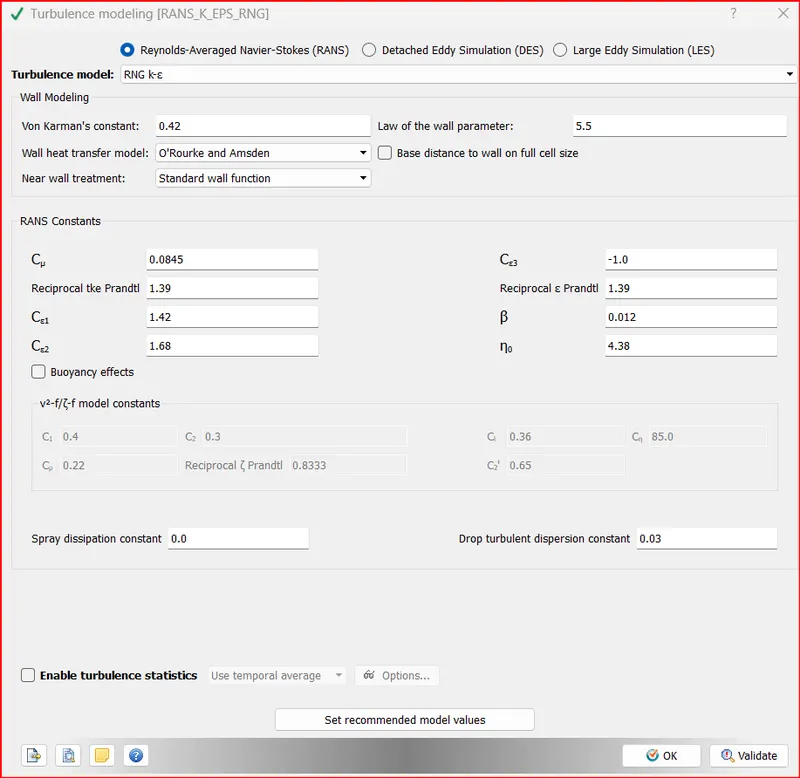
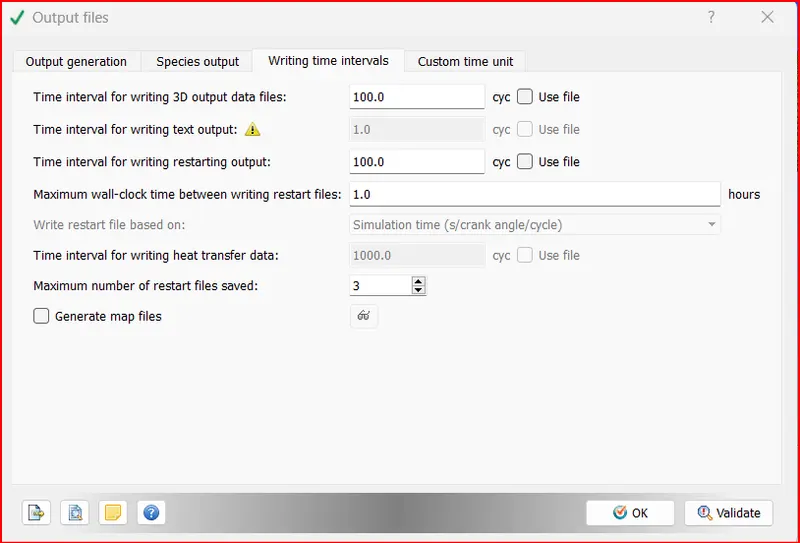
Running the simulation in cygwin:
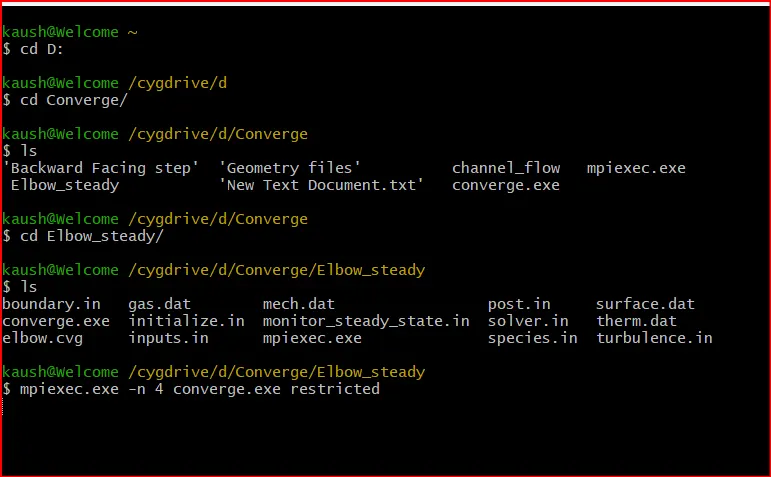
Post Processing:
In paraview import .vtm file and click apply.
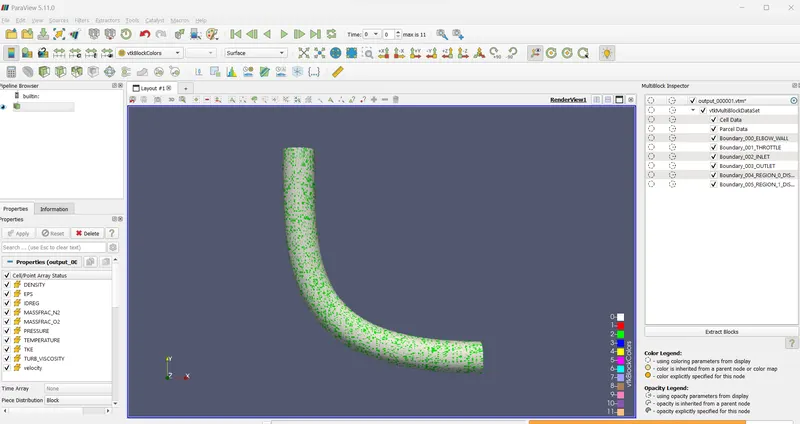
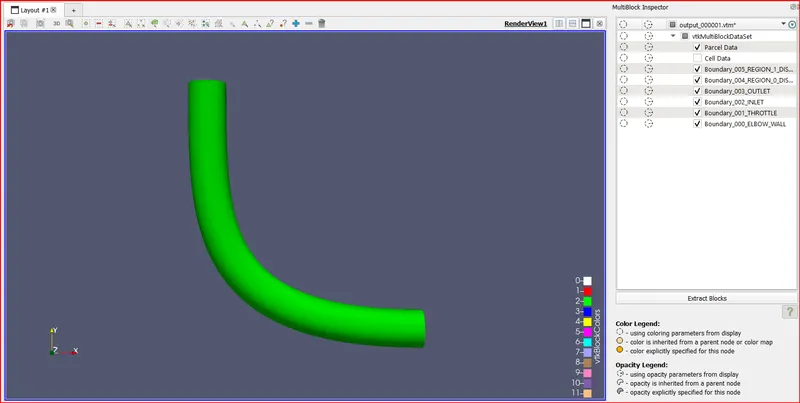
In View select Multiblock Inspector and uncheck the cell data.
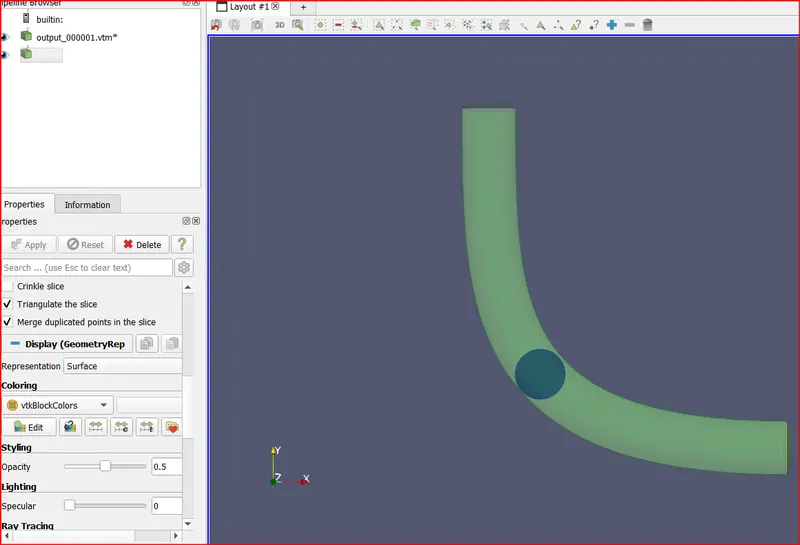
Change the opacity and slice the geometry along the z normal
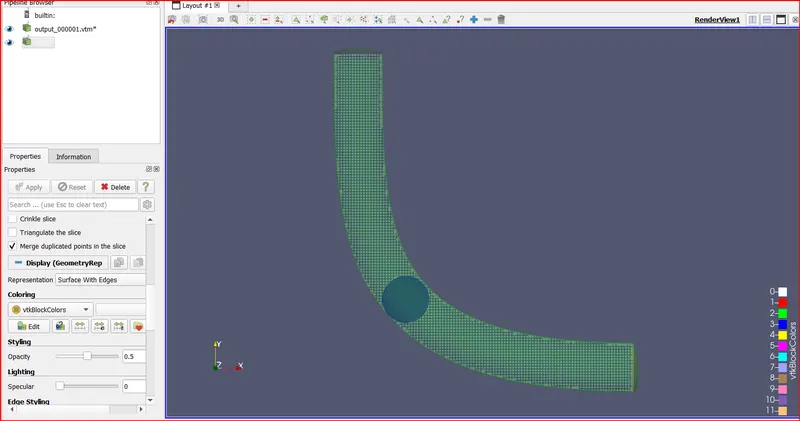
Now click on surface with edges to view the mesh and uncheck triangulate mesh.
Results:
Surface with edges.
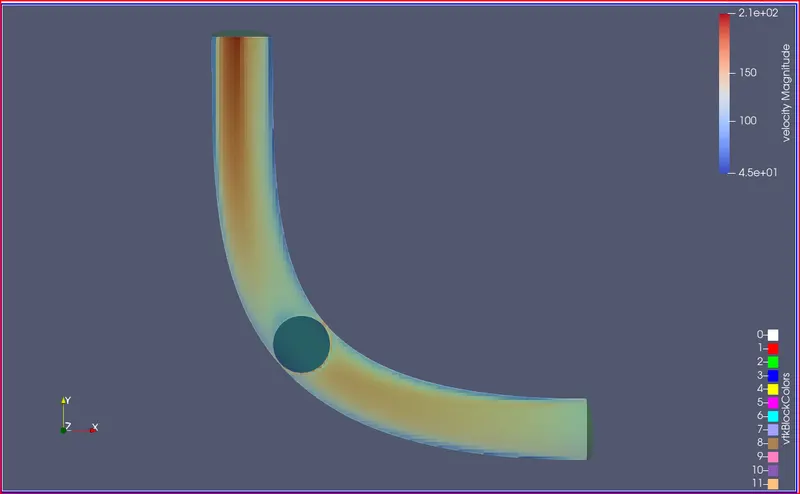
Velocity Contour
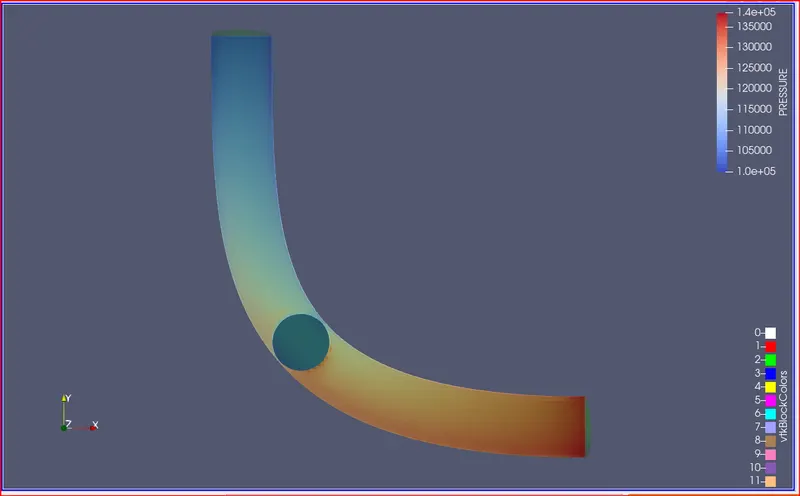
Pressure Contours
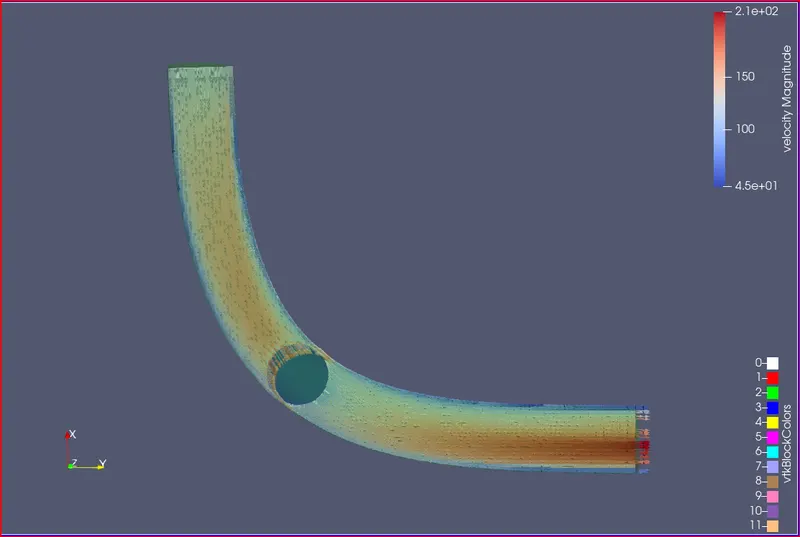
Vector plot
Plots:
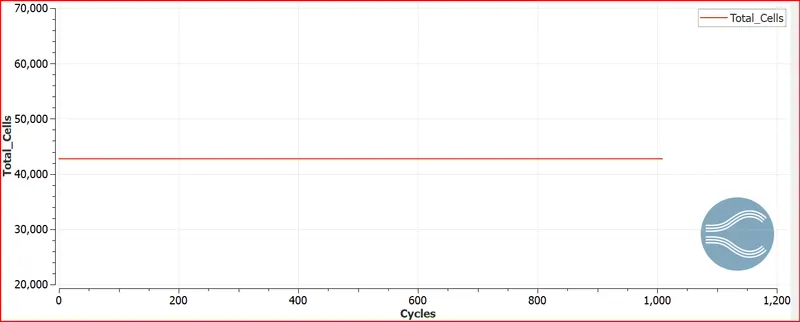
Total cell count
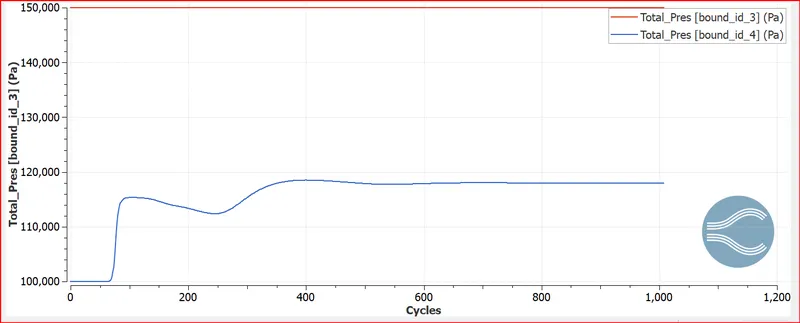
Pressure Plot
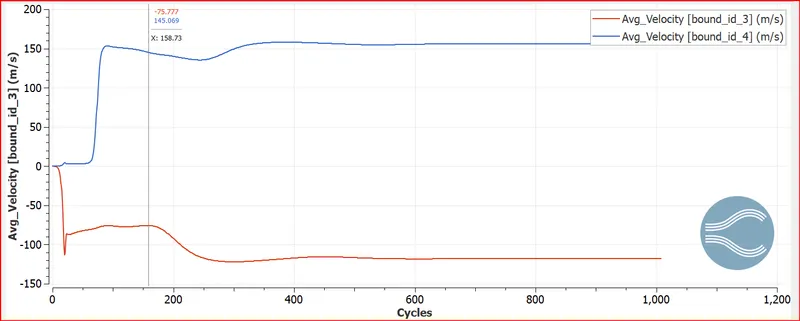
Velocity
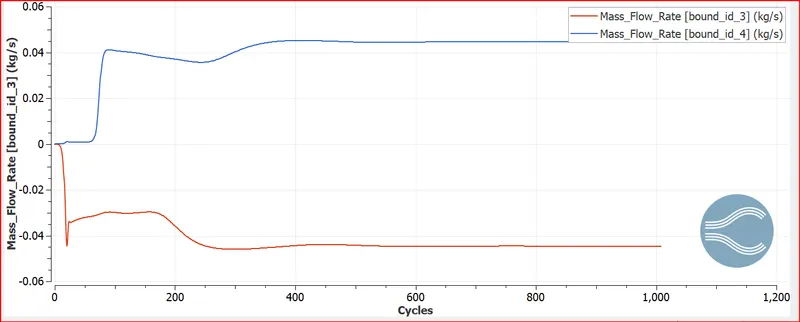
Mass Flow Rate:
Conclusion:
Due to the fixed embedding of the throttle valve, the Contours near to it become clear as the number of cell count got increased in the specified region.
The velocity increases near the elbow valve since the area is less and pressure gets dropped in the region which causes the velocity to increase.
The velocity of the fluid decreases when it collides with the throttle valve.
It also causes the formation of the stagnation point due to an increase in the pressure and decrease of velocity.