Week 3: Flow over a backward facing step
Aim: To simulate Flow over a backward facing step
Theory:
Whenever new turbulence model is developed it is tested in backward facing step since a lot of experimental data is available for this geometrical setup.
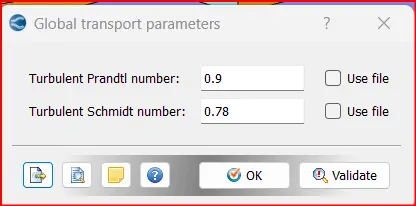
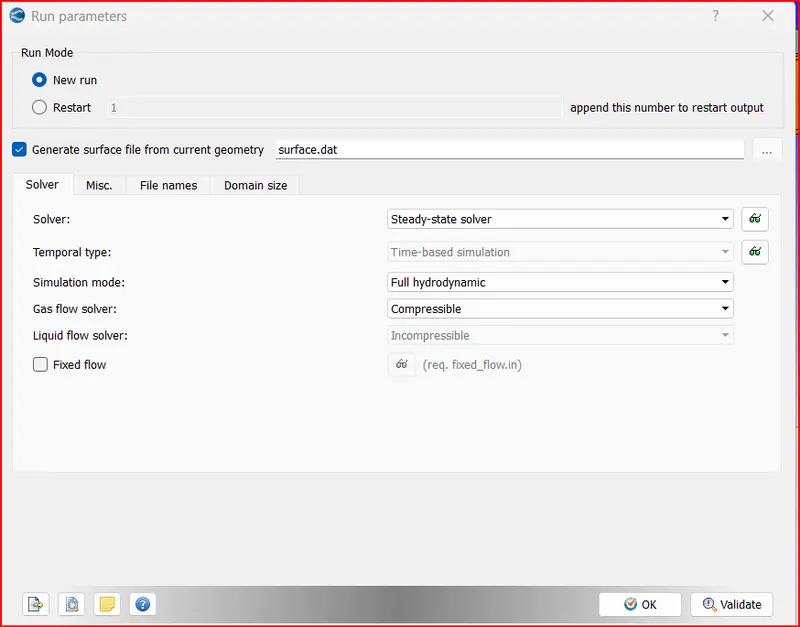
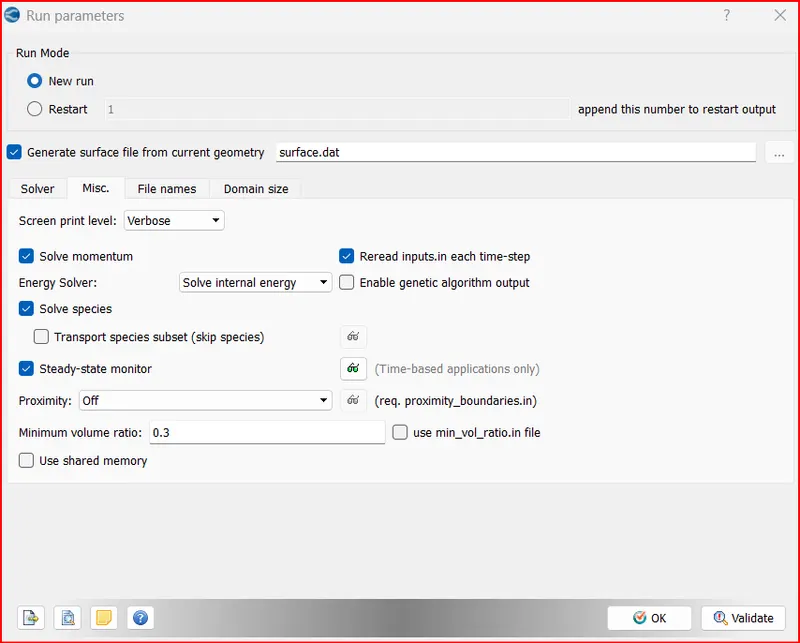
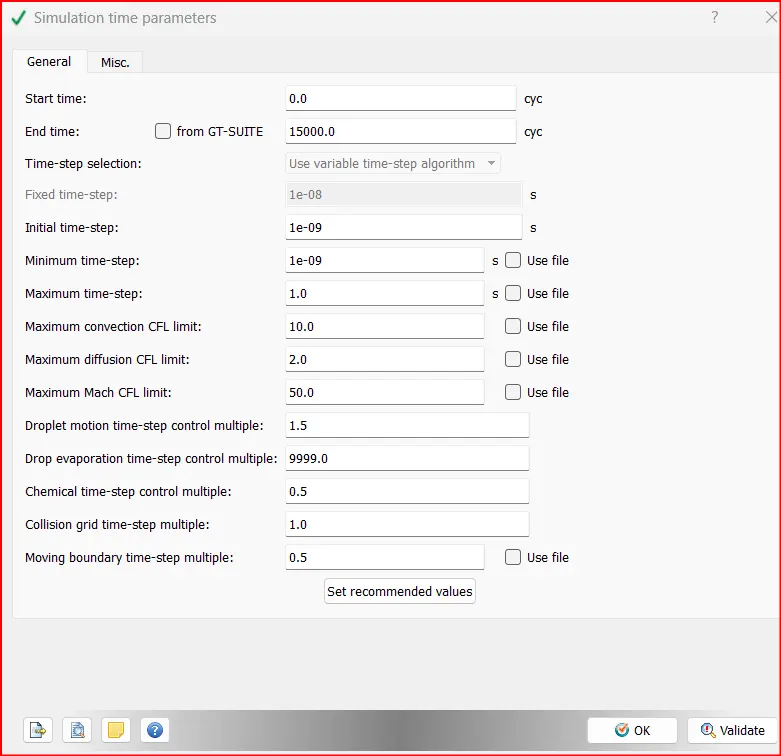
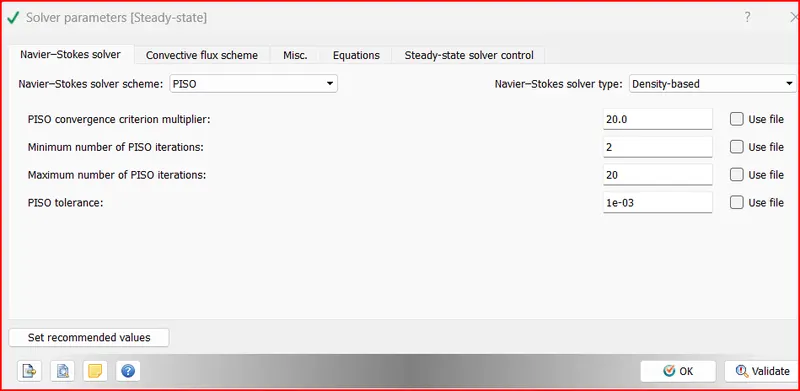
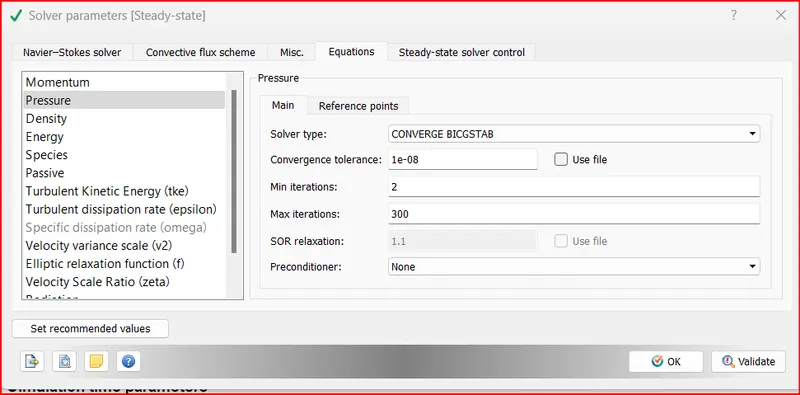
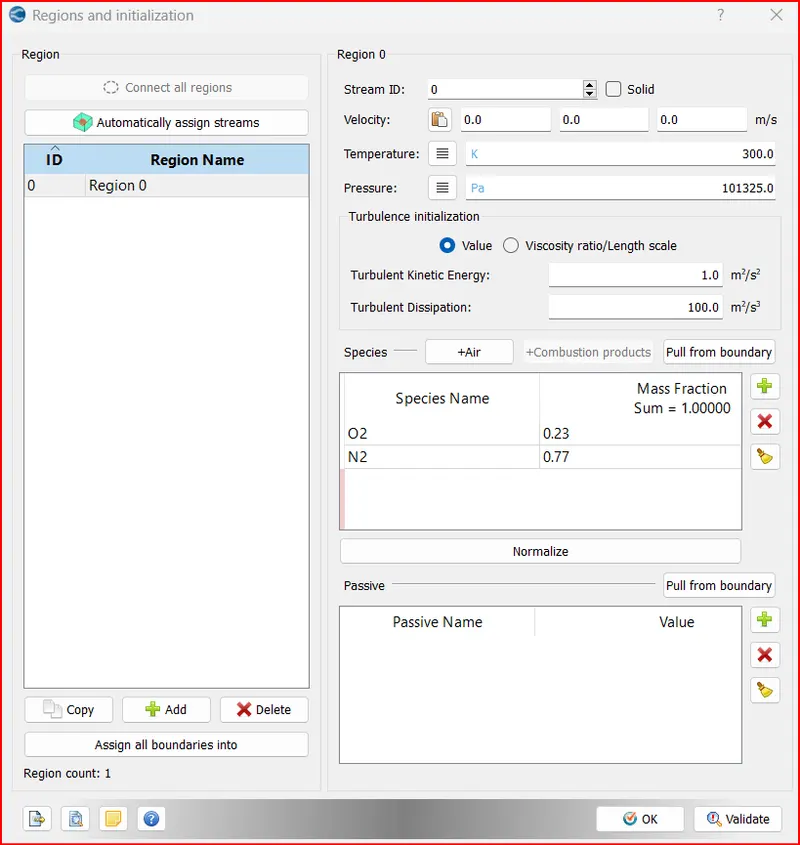
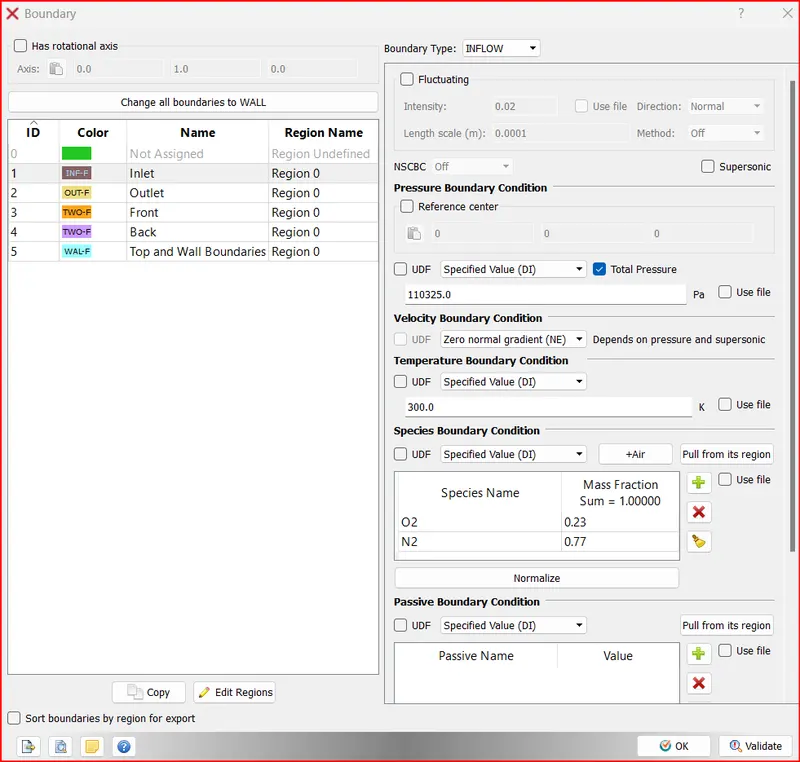
Converge studio setup
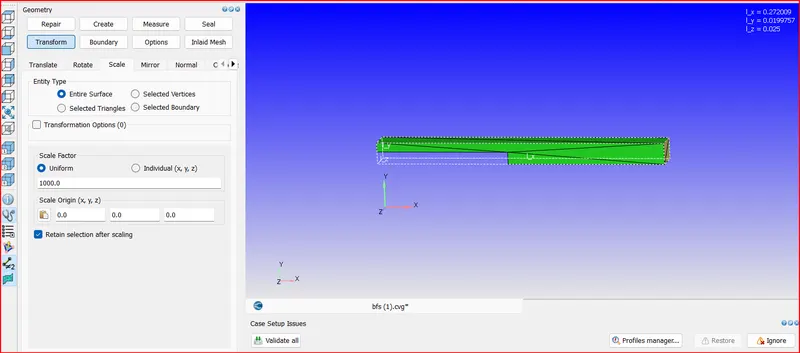
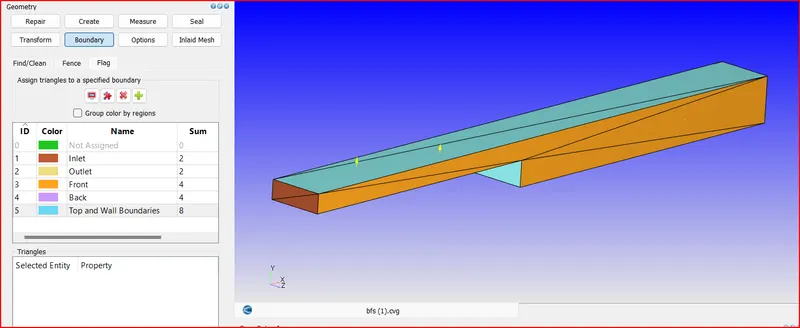
Define boundaries
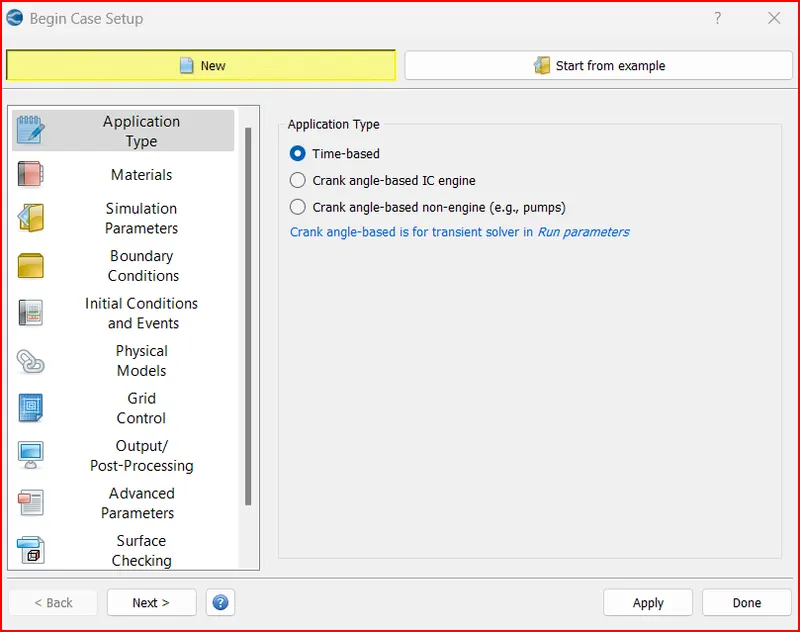
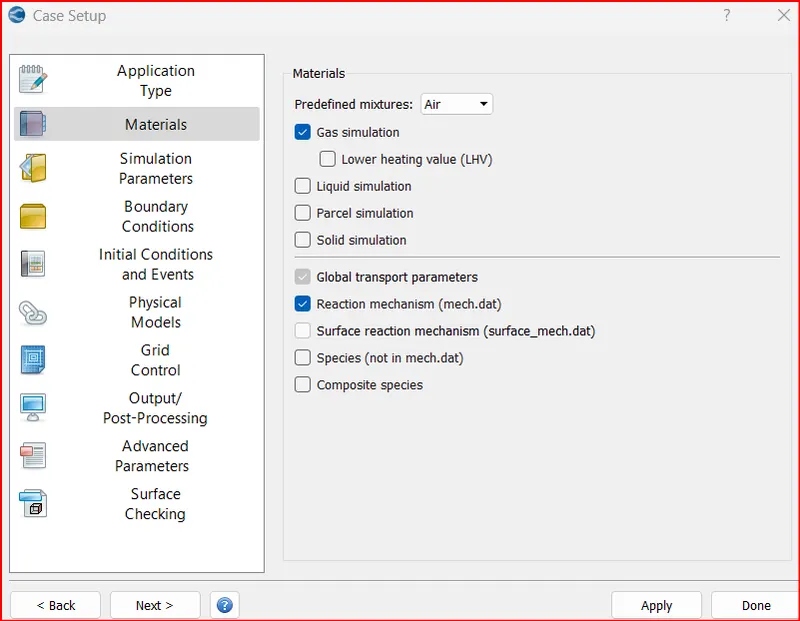
Case setup:
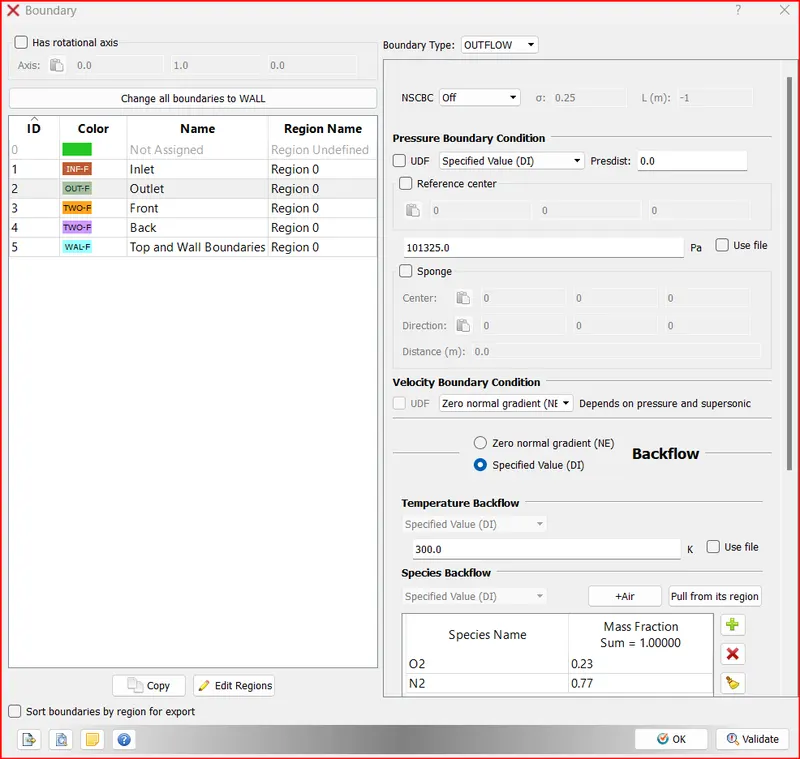
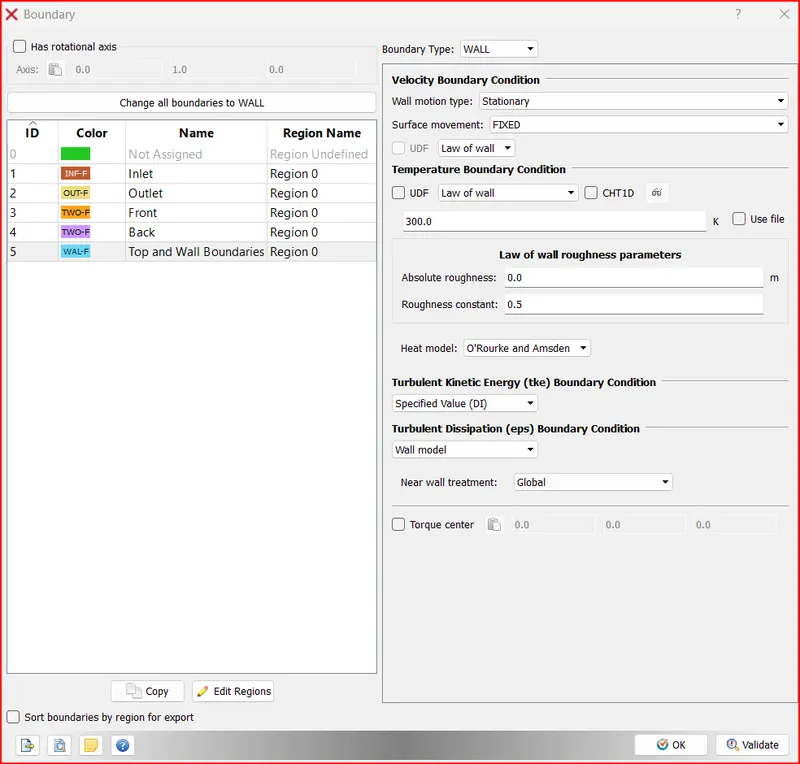
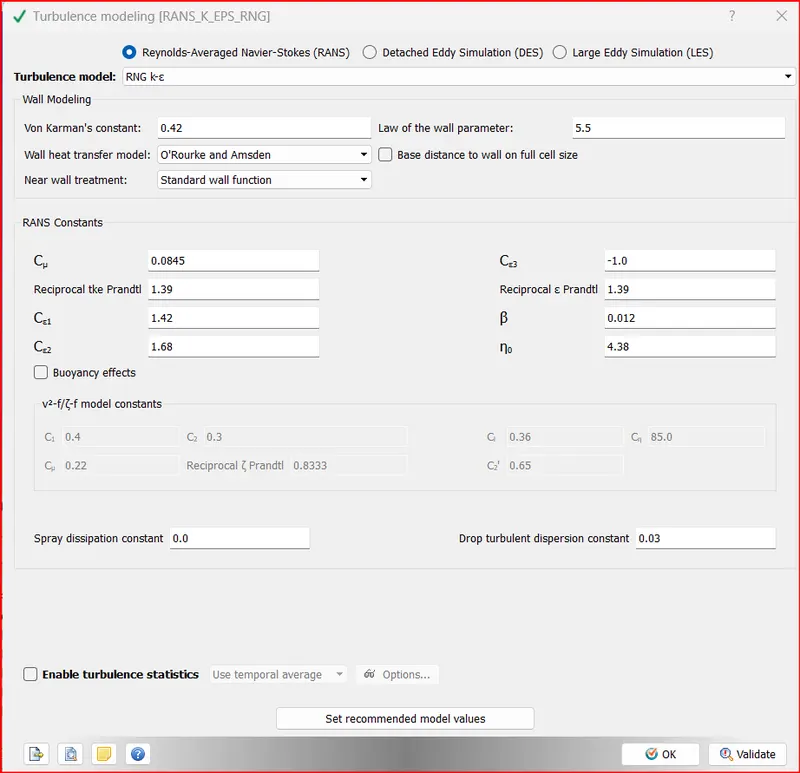
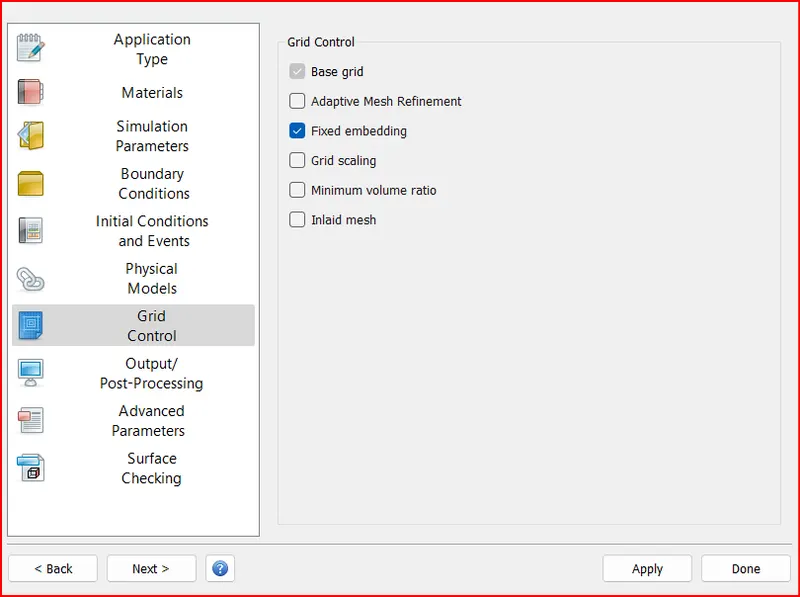
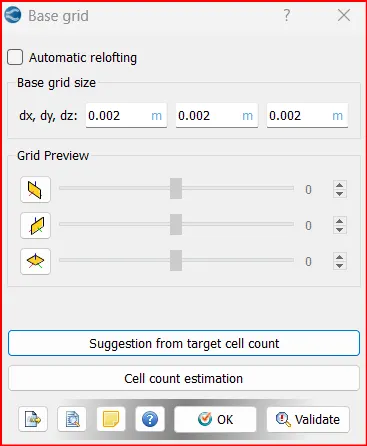
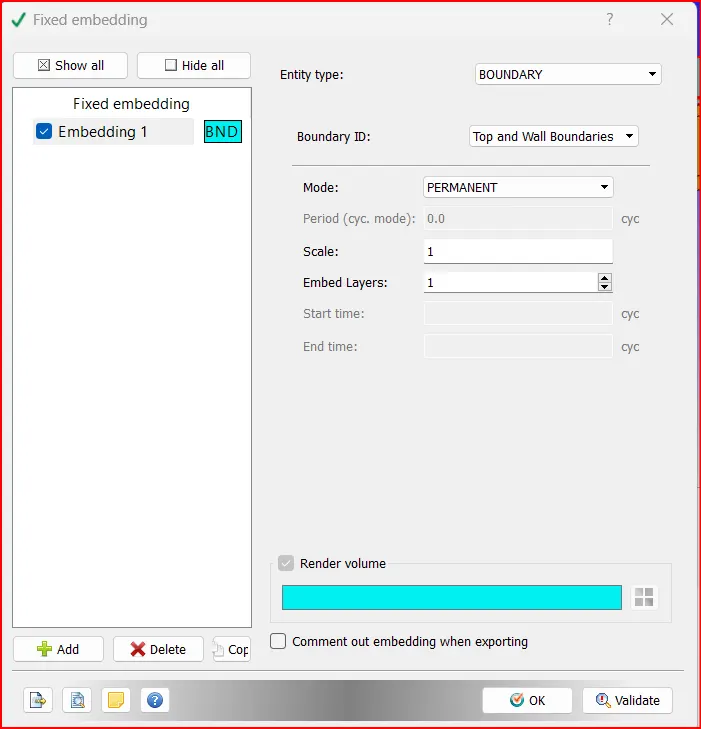
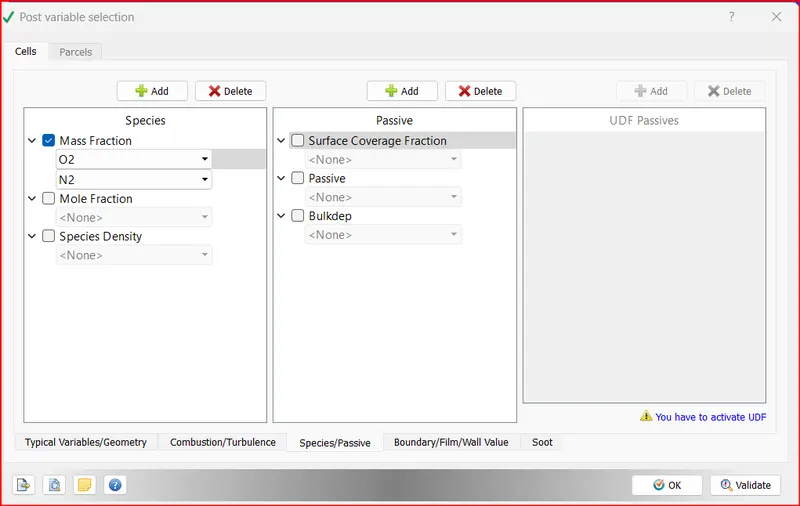
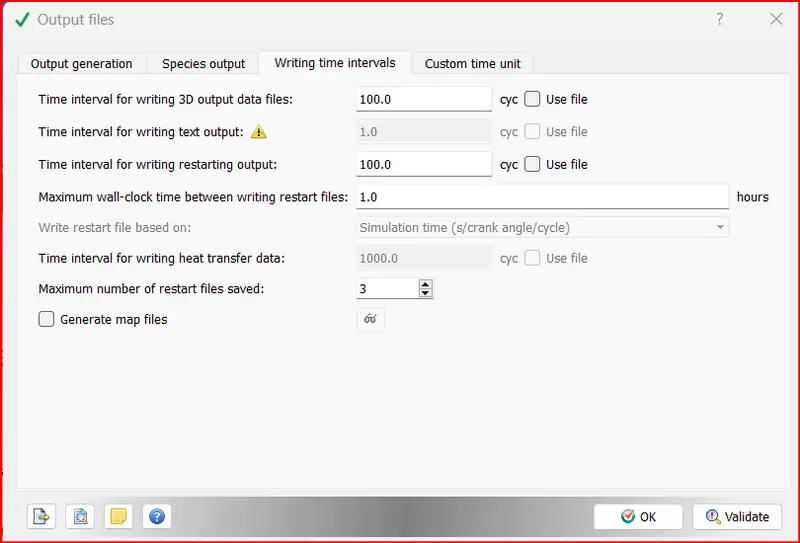
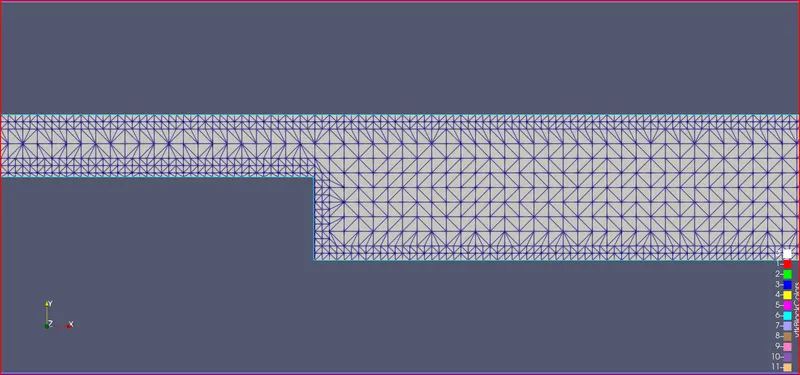
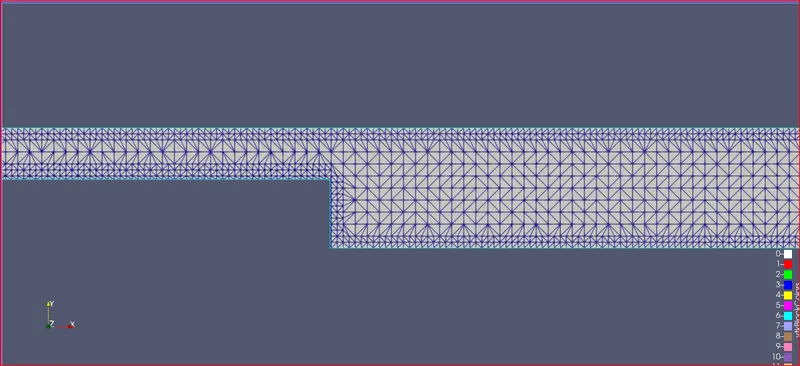
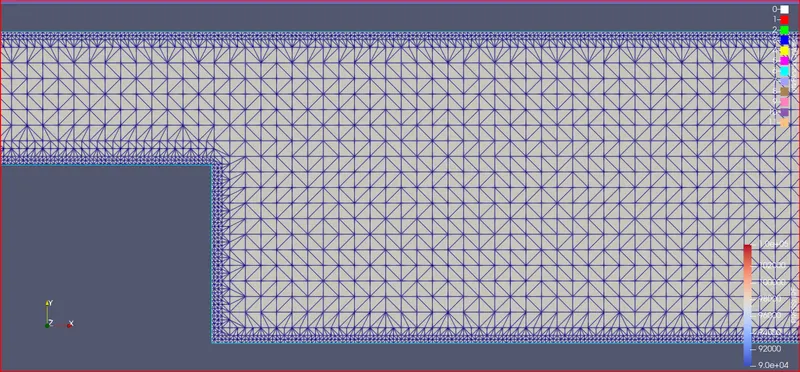
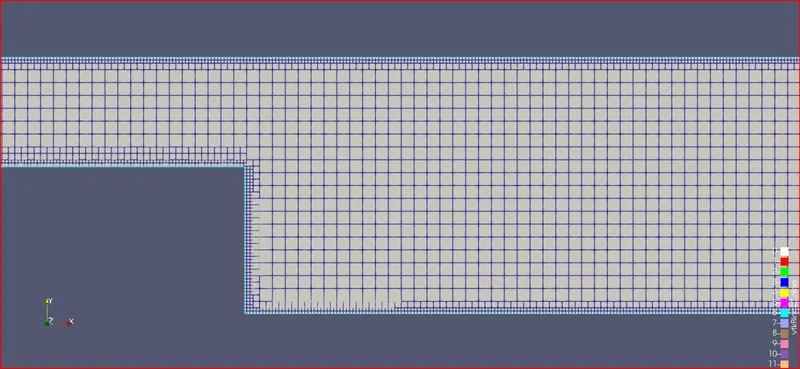
Show the mesh (i.e surface with edges) for all the 3 base mesh sizes
Case-1:
dx = dy = dz =2e-3m
Case 2
dx = dy = dz =1.5e-3m
Case 3
dx = dy = dz =1.0e-3m
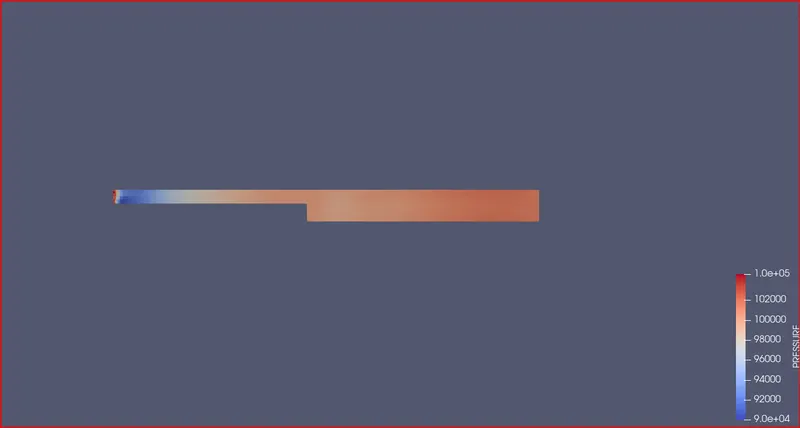
Show pressure and velocity contours
Case-1:
dx = dy = dz =2e-3m
Pressure Contour
Velocity Contour
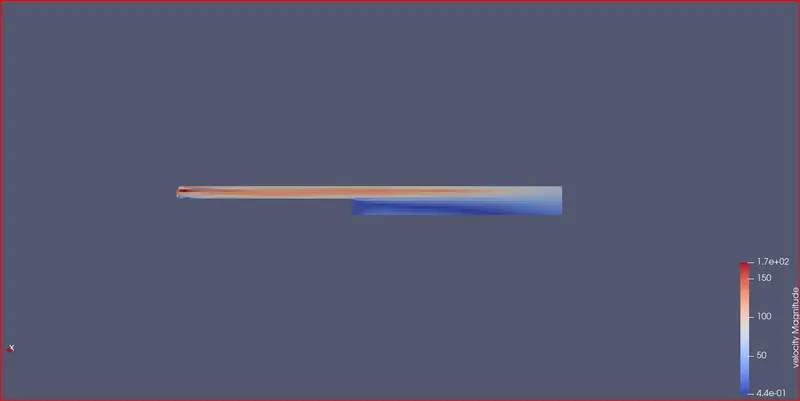
Animation Link:
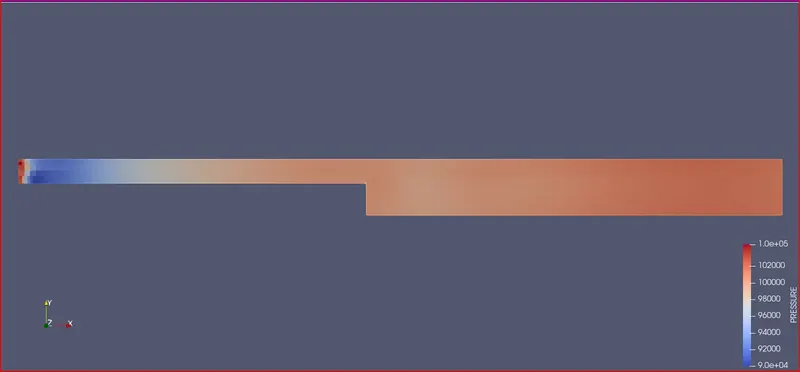
Case 2
dx = dy = dz =1.5e-3m
Pressure Contour
Velocity Contour
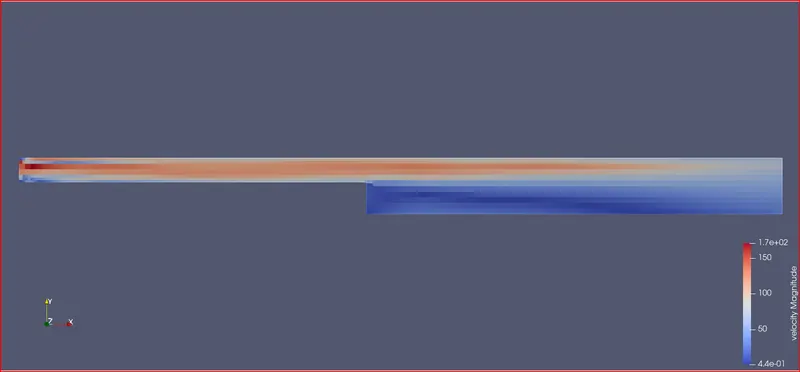
Animation Link: https://youtu.be/u6uH3LQePk8
Case 3
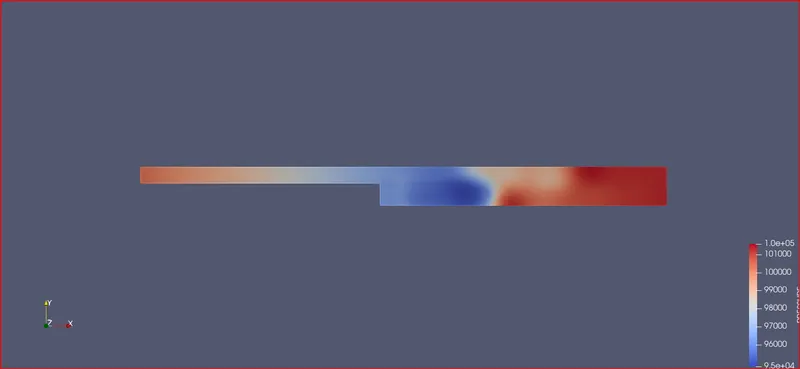
dx = dy = dz =1.0e-3m
Pressure Contour
Velocity Contour
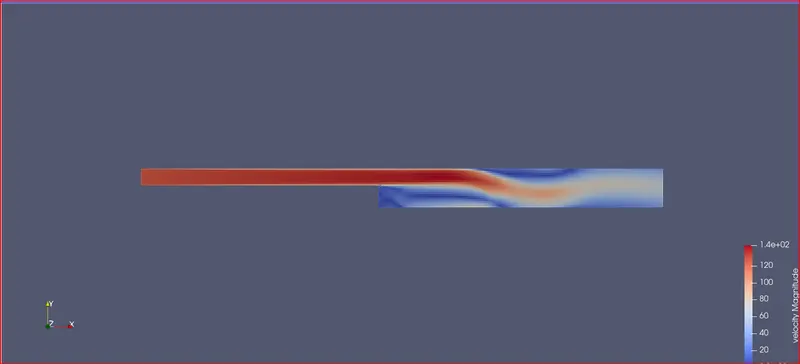
Animation Link: https://youtu.be/w_CDUSe0BLc
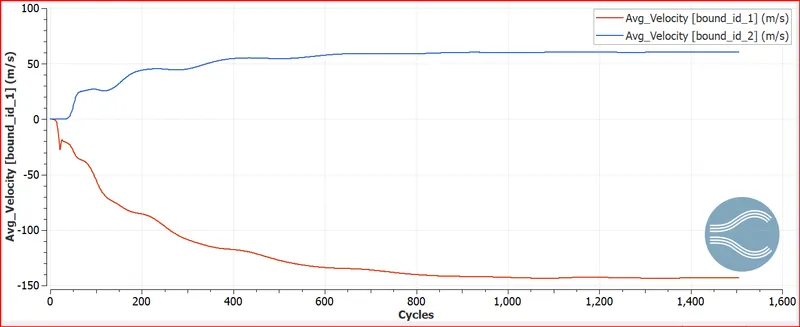
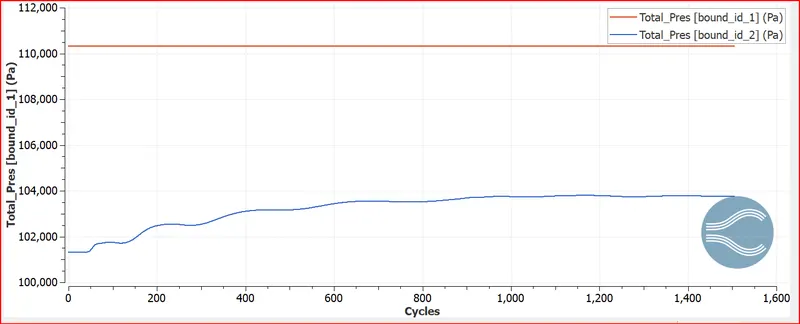
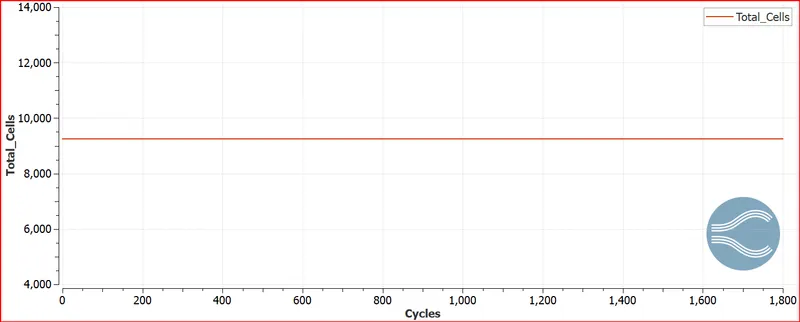
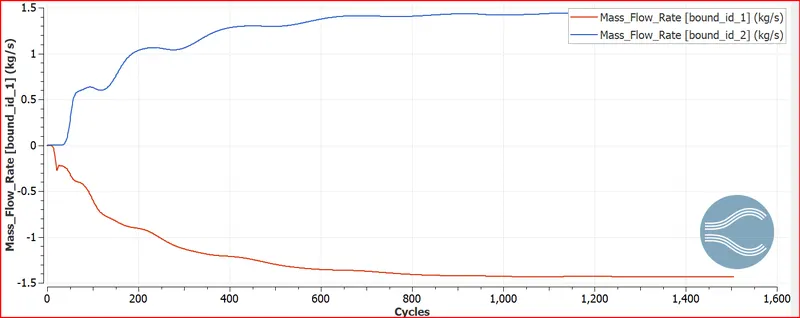
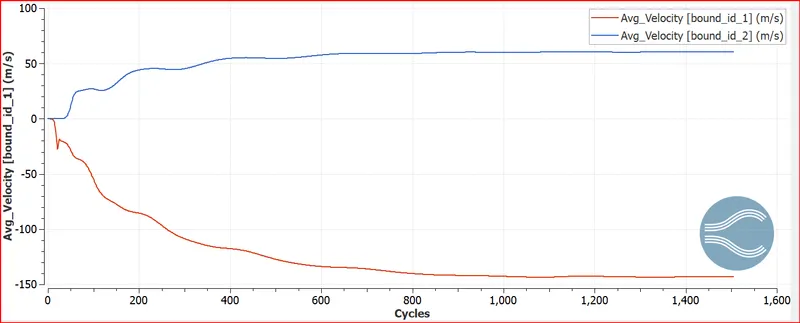
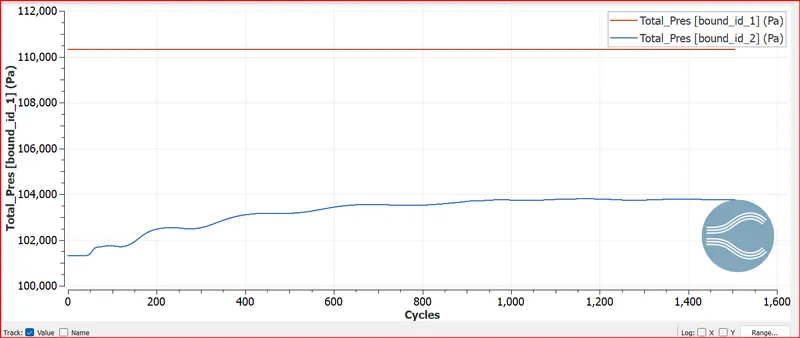
Show the plots of velocity, pressure, mass flow rate and total cell count for all the 3 base mesh sizes
Case-1:
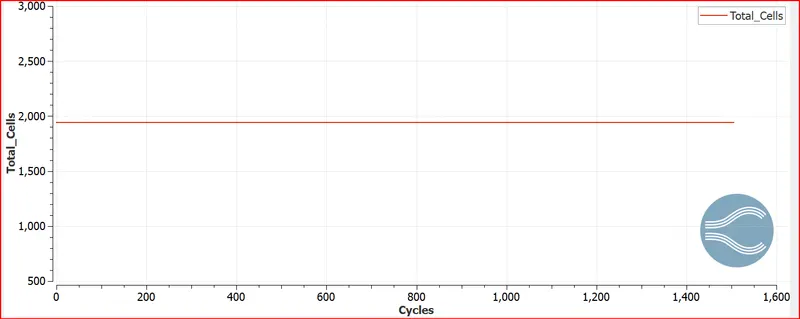
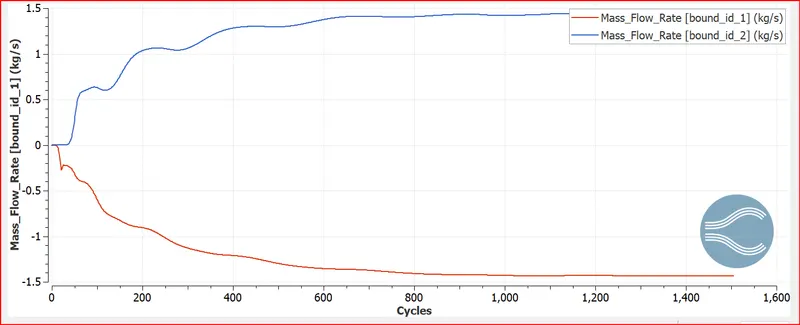
dx = dy = dz =2e-3m
Cell count
Mass Flow rate
Velocity
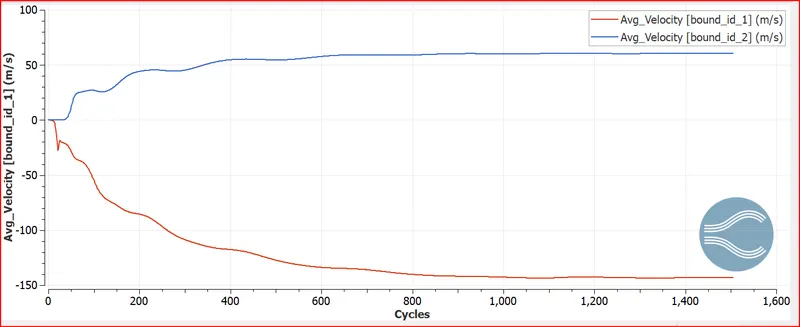
pressure
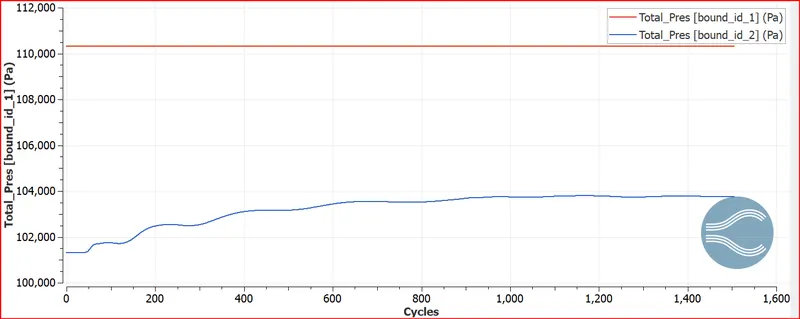
Case 2
dx = dy = dz =1.5e-3m
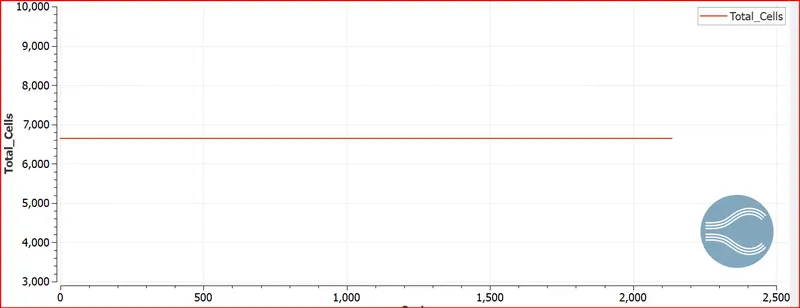
Cell count
Mass Flow rate
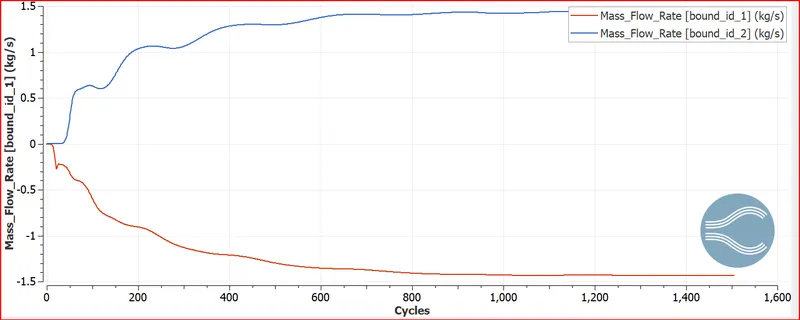
Velocity
pressure
Case 3
dx = dy = dz =1.0e-3m
CEll Count
Mass Flow rate
Velocity
pressure
Also explain where and why separation is taking place in detail.
Flow separation consists in the detachment of the flow around a hydrofoil at high Reynolds number, mainly due to a positive or negative incidence angle, as illustrated in Fig. 10. Flow separation begins in the boundary layer when the shear stress at the wall is equal to zero due to the flow deceleration.
If the flow is experiencing an adverse pressure gradient (a region where the pressure increases in the flow direction), then the low-energy fluid elements near the surface cannot negotiate the adverse pressure gradient; as a result, the flow separates from the surface.
The part of the flow that separates the recirculating flow and the flow through the central region of the duct is called the dividing streamline.
In all cases the flow separates from the boundary in such a way that the fluid keeps moving straight ahead as the boundary surface falls away from the direction of flow just upstream.