Week 3 - External flow simulation over an Ahmed body.
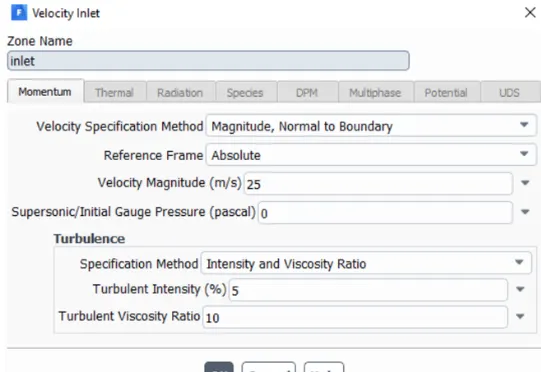
Aim: To run the simulation of ahmed body for the velocity 25m/s with the default air proparties in the fluent
1)Ahmed body and Its importance
Ahmed body is a simpified car model used in automotive industry to study the impact of flow proparties on the drag.The airflow around the Ahmed body captures the essential flow charecteristics around a vehicle and was first praposed in the experimental work of Ahmed . Although it has a very simple shape, Ahmed body allows us to capture characteristic features that are relevant to bodies in the automobile industry.This model is also used to describe the turbulent flow field around a car-like geometry. Once the numerical model in validated, it is used to design new vehicle models .
2) Reason for negetive pressurein the wake region
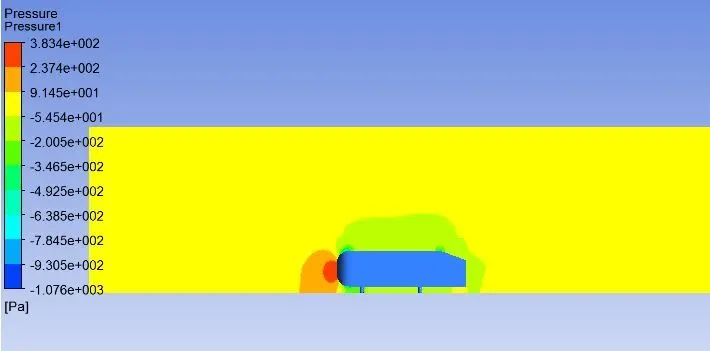
The pressure inside the wake region remains low when the flow separates and the produced net pressure force leads to pressure drag. In other words, negetive pressure in the wake region is due to the pressure drag produced from flow separation.
3) Significance of Point of Seperation
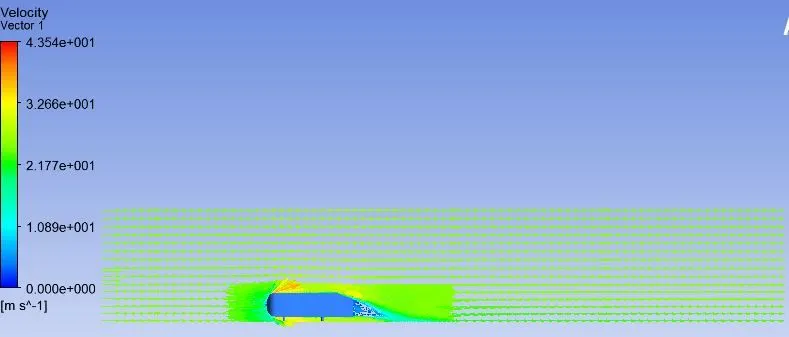
Separation occurs due to an adverse pressure gradient encountered as the flow expands, causing an extended region of separated flow. The part of the flow that separates the recirculating flow and the flow through the central region of the duct is called the dividing streamline. The point where the dividing streamline attaches to the wall again is called the reattachment point. As the flow goes farther downstream it eventually achieves an equilibrium state and has no reverse flow.
Geometry
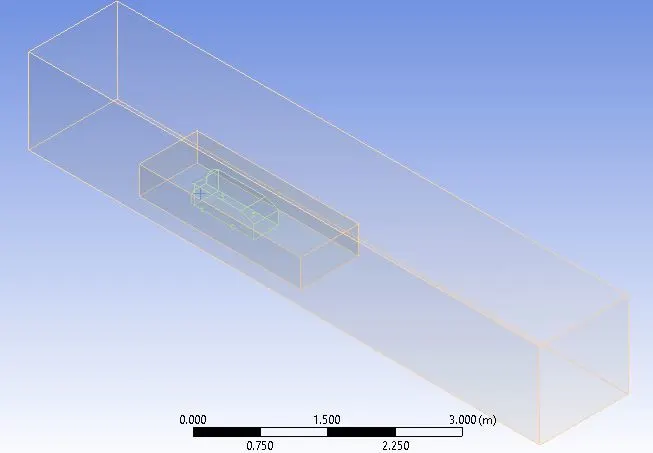
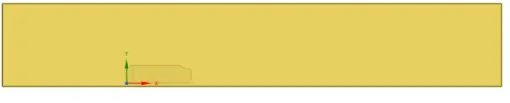
Creating Outer enclosure
- Right side is created at a distance 5m and left side is created at a distance 2m fom the righ and left side of ahmed body respectively along the X axis.
- Top surface is created at a distance 1m from the top side of the ahmed body
- bottom surface of enclosure is attached to the bottom surface of the ahmed body.
- Front and Back surface is created at a distance 0.5m in Z axis
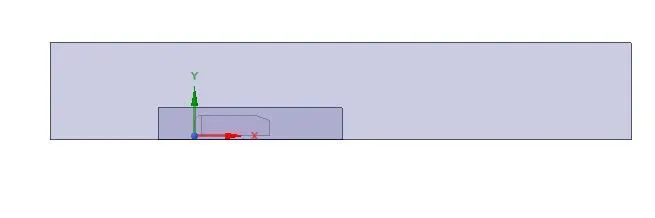
Creating Inner enclosure
- Right side is created at a distance 1m and left side is created at a distance 0.5m fom the righ and left side of ahmed body respectively along the X axis.
- Top surface is created at a distance 0.5m from the top side of the ahmed body
- bottom surface of enclosure is attached to the bottom surface of the ahmed body.
- Front and Back surface is created at a distance 0.26m in Z axis
Interference Region
Inetially there was a interference found between Outer enclosure and Inner enclosure and it is not acceptable because the mesh gets overlapped between the enclosures. To overcome the overlapping of mesh , chose the share topology and interfernce option. By using these share topolofy and interfernce command we will get good interaction between the Inner enclosure and outer enclosure.

Meshing
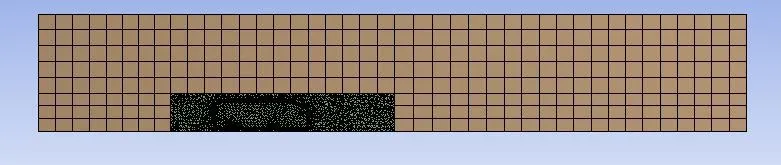
Fine hexahedral mesh is generated in outer enclosure and tetrahedralmesh is created in inner enclosure and on Ahmed body. The inflation layers are added over the wall surface of the ahmed body to capture the bahaviour of flow ove the surface and flow seperation.

Case Setup
Solver
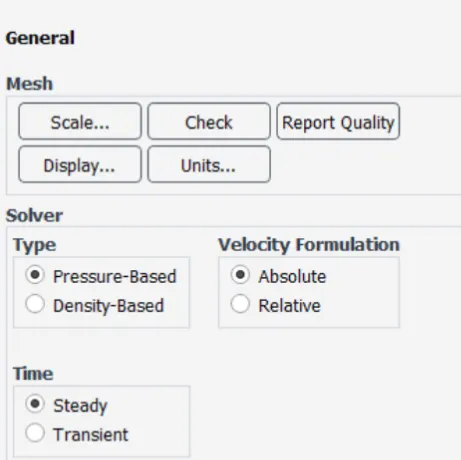
Pressure -Based, absolute velocity -steady state solver is used.
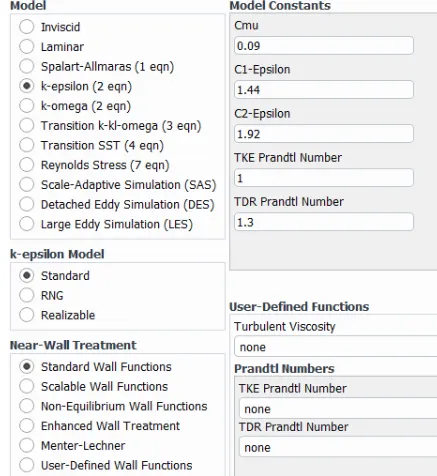
Viscous Model
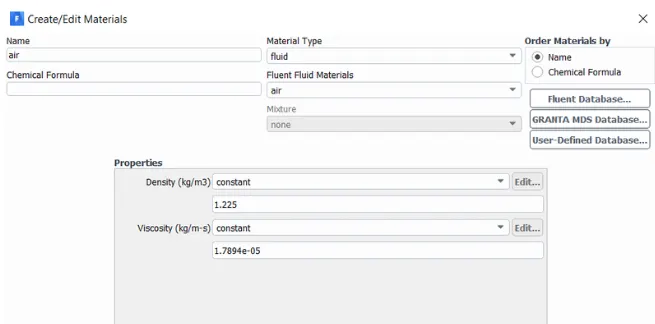
Material Proparties
Boundary Condetions
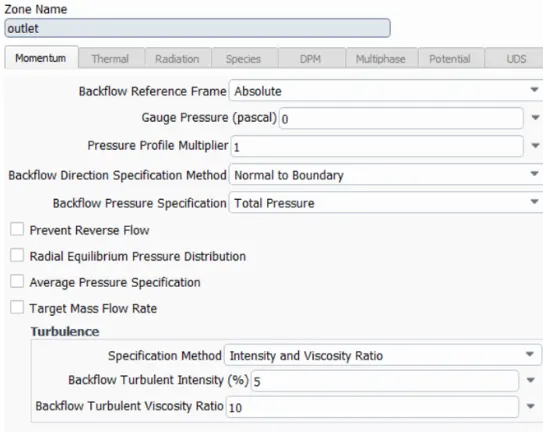
Initialization & Calculation
Opted hybrid initialization and Ran the each case 1000 iterations
Results
Case-1
Mesh Size-0.2m
Residual
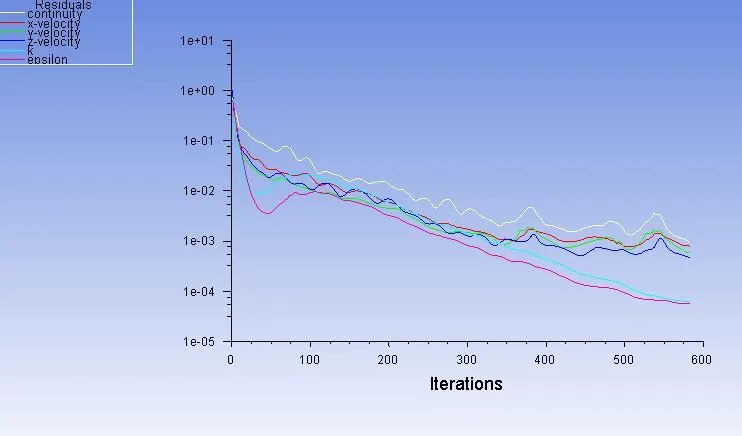
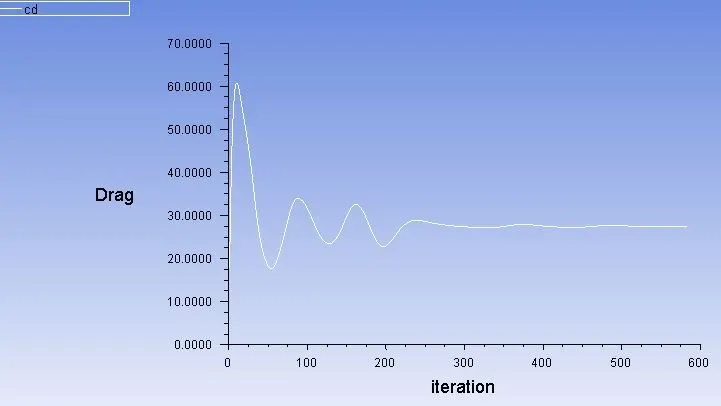
Drag
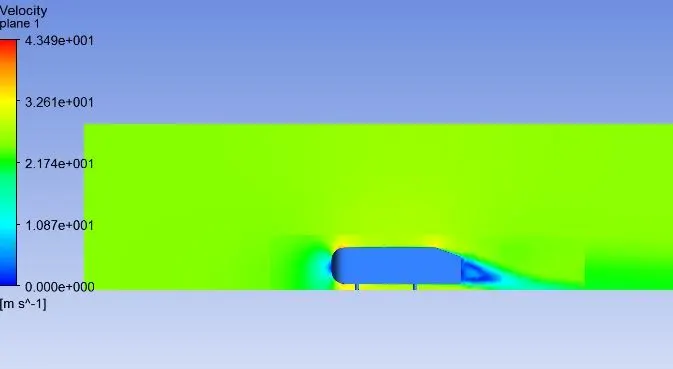
Velocity Contour
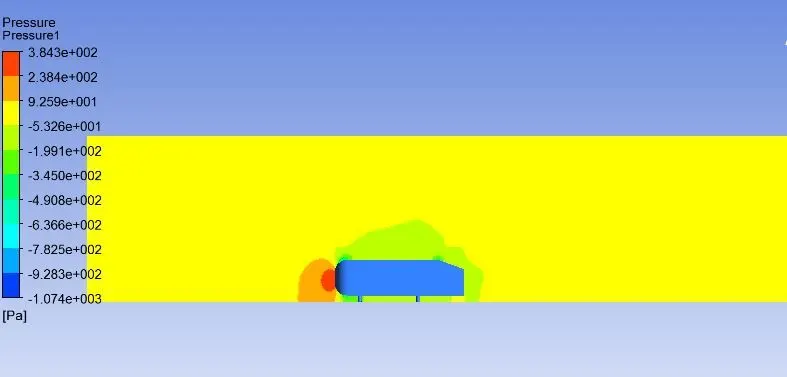
Pressure Contour
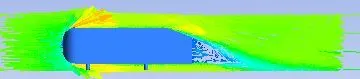
Velocity Vector
Case-2
Mesh Size-0.15m
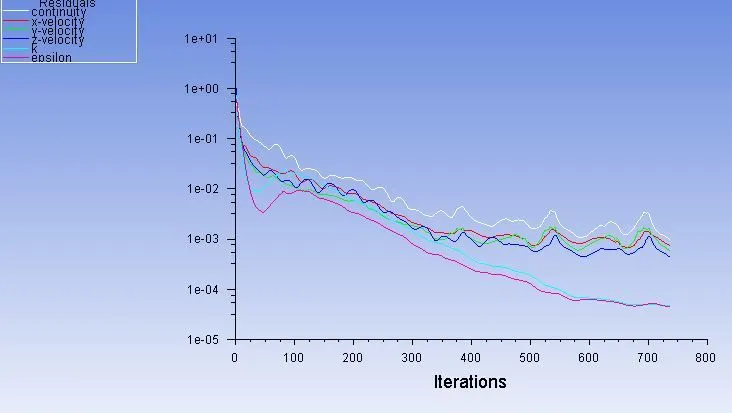
Recidual
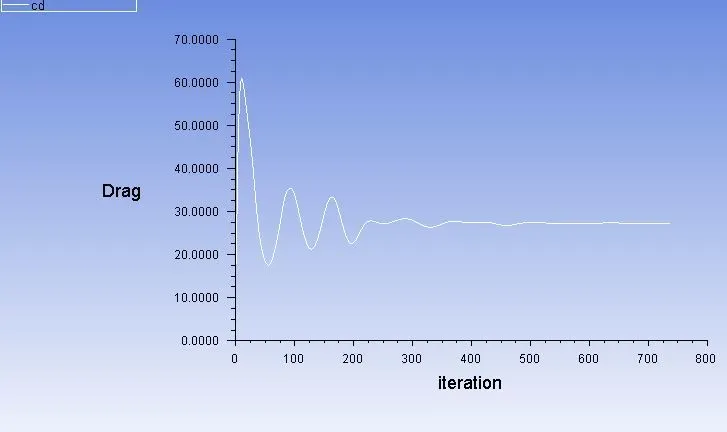
Drag
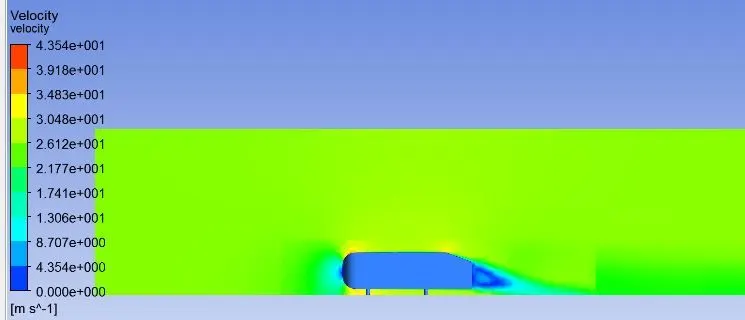
Velocity Contour
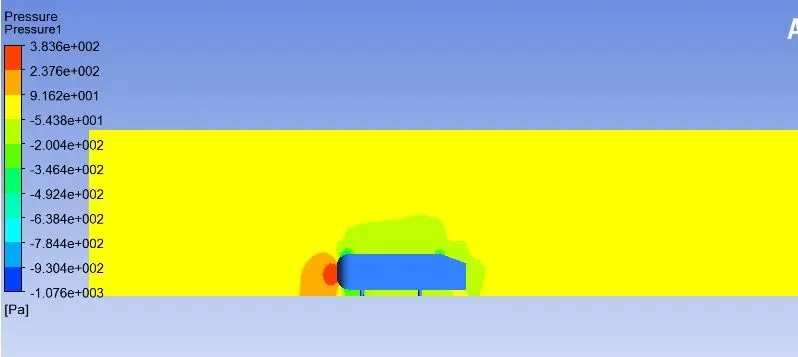
Pressure Contour
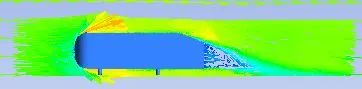
Velocity Vector
Case-3
Mesh Size-0.1m
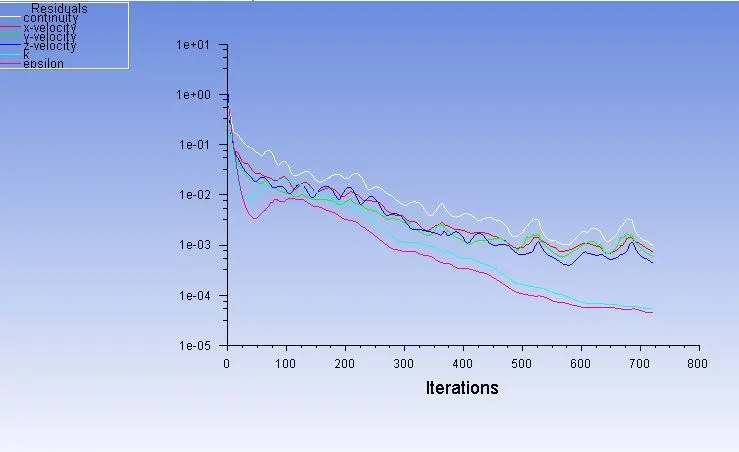
Recidual
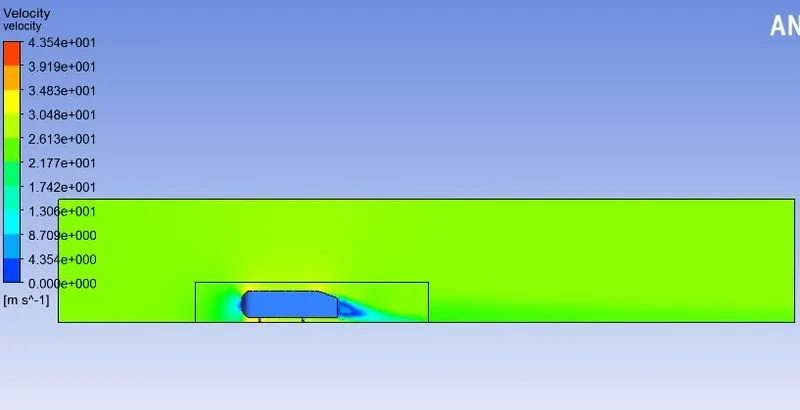
Velocity Contour
Pressure Contour
Velocity Vector
Conclusion
- Base line mesh was not able to capture flow charecteristics around ahmed body and in the wake region
- The refine mesh performing very welll with capturing formation of wake and flow around the ahmed body
- The pressure in front end of the body is positive because the flow first directly comes to contact with the surface and velocity become zero and at he corner flow velocty changes its direction due to flow seperatuon and it causes decrease in pressure which leads to formation of wake in the rear end.
- Wake is the main contributer to the pressure drag due to adverse effect of pressure in the wake region.