Week 3 - External flow simulation over an Ahmed body.
External flow simulation over an Ahmed body:
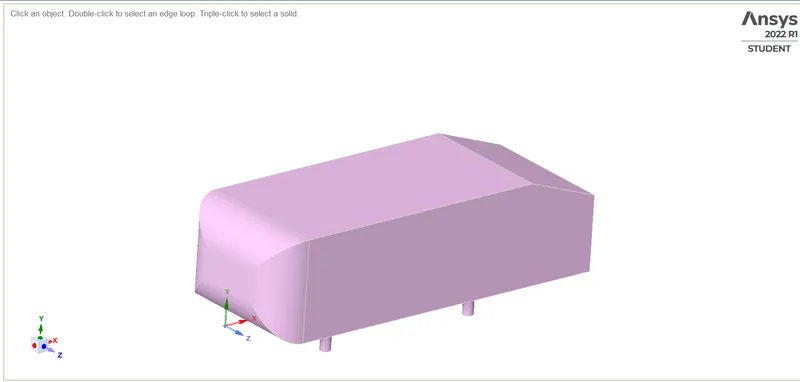
Ahmed body is a generic car body (a simplified car model) i.e the flow of air around the Ahmed body captures the essential flow features around an automobile. The aim of the benchmark validation was to evaluate the TCFD, computational fluid dynamics (CFD) software, and compare its results with the measurement data.
Importance:
Ahmed body represents the simplified ground vehicle geometry of a bluff body type. Its shape is simple enough for accurate flow simulation and retains some important practical features relevant to the body of the automobile. This model helps us to calculate the turbulent flow field around the simple car using the k-epsilon model.
Geometry setup:
Baseline simulations:
Meshing:
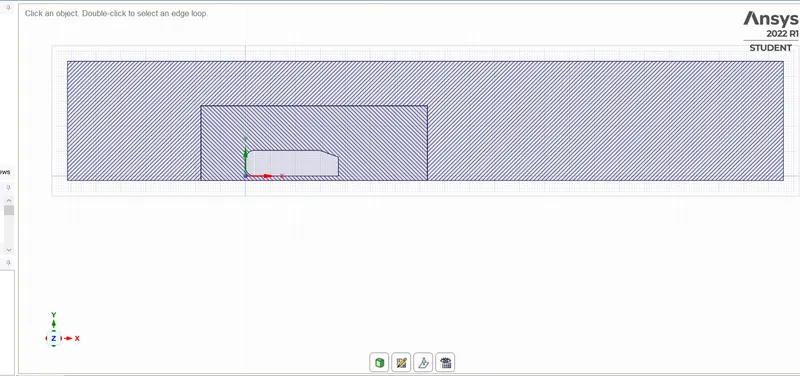
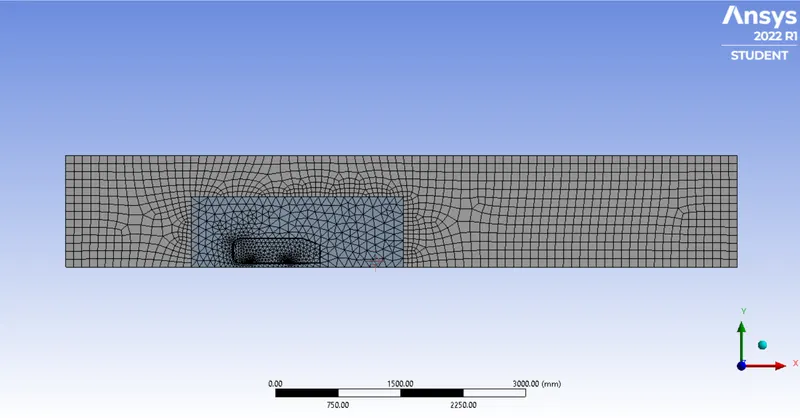
outer body meshing size 100mm
inner body meshing size 50mm
inflation : type - total thickness
no of layers 5
groth rate 1.2
max thickness 12.5
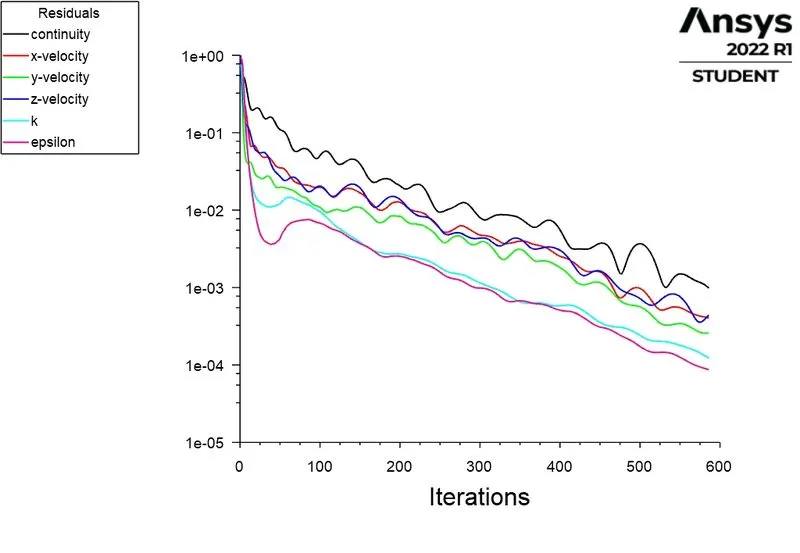
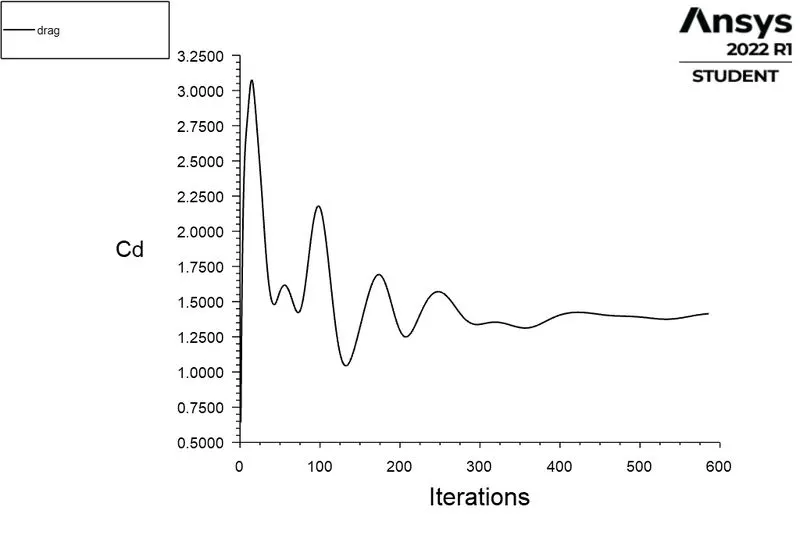
drag
-------------------
Cd
-------------------------------- -------------------
carwall 1.4145102
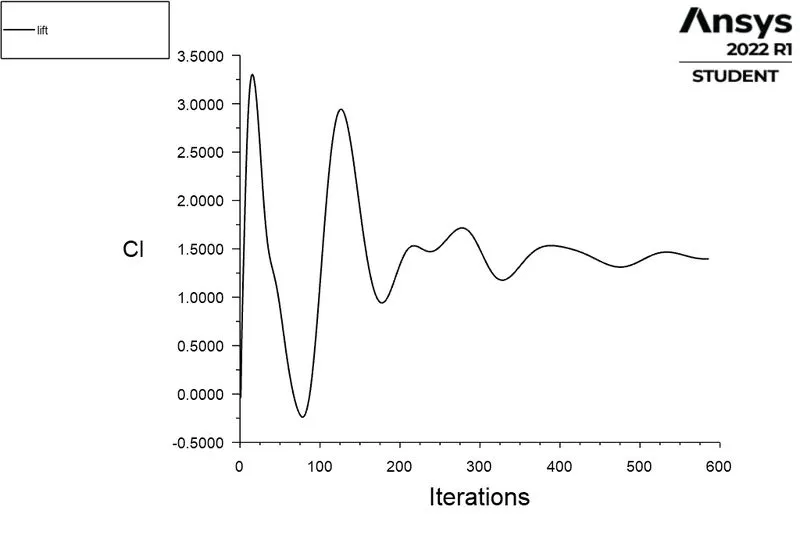
lift
-------------------
Cl
-------------------------------- -------------------
carwall 1.3954691
Perform the grid independency test and provide the values of drag and lift with each case.
1. meshing size : oute rbody 80mm
inner body 40mm
inflation layers 8, groth rate 1.2, total thickness 12.5
No of cell 150152
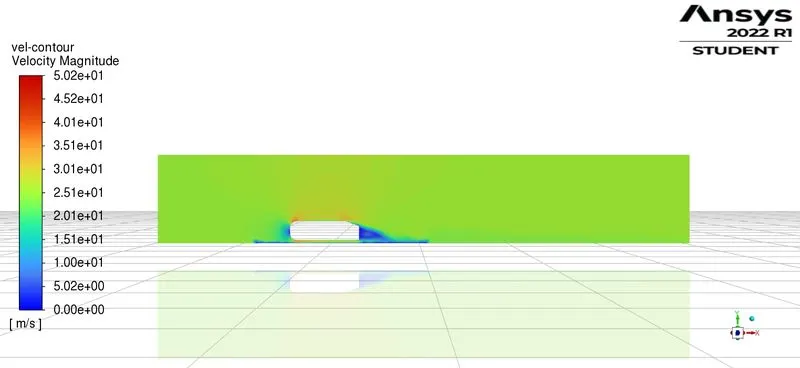
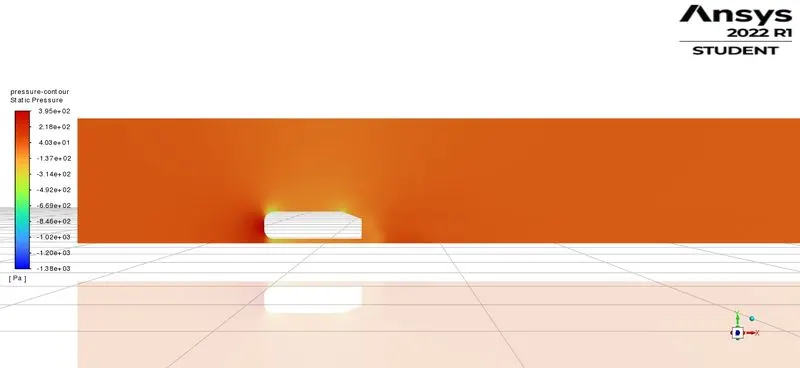
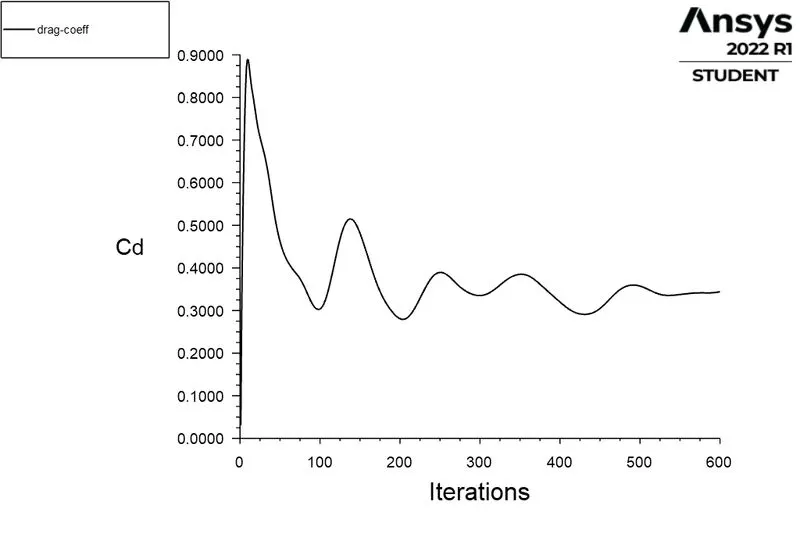
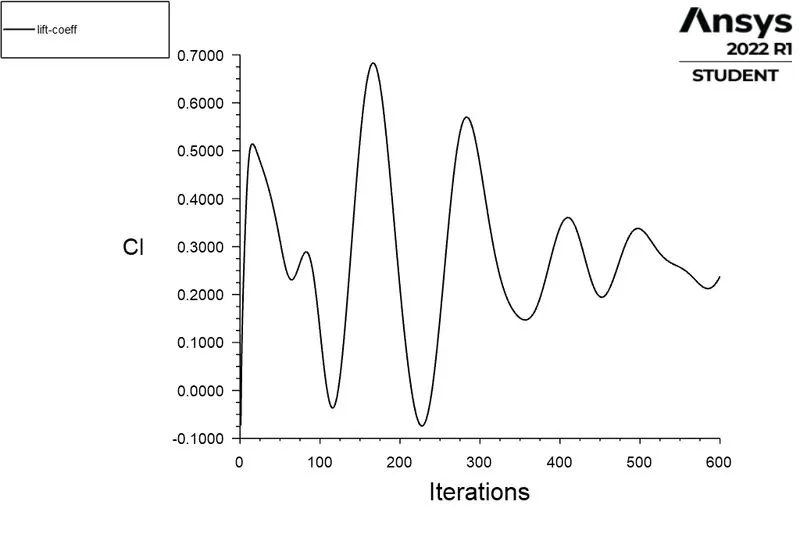
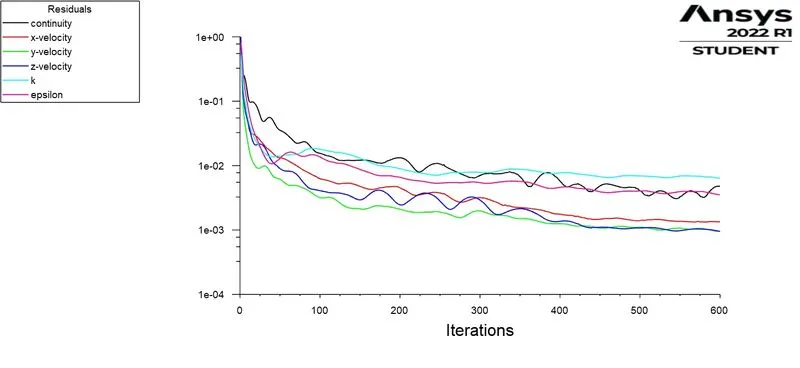
drag-coeff
-------------------
Cd
-------------------------------- -------------------
carwall 0.34409074
lift-coeff
-------------------
Cl
-------------------------------- -------------------
carwall 0.2375986
1. meshing size : oute rbody 60mm
inner body 30mm
inflation layers 10, groth rate 1.2, total thickness 12.5
No of cells 236264
lift-coeff
-------------------
Cl
-------------------------------- -------------------
carwall 0.29510165
drag-coeff
-------------------
Cd
-------------------------------- -------------------
carwall 0.33368109
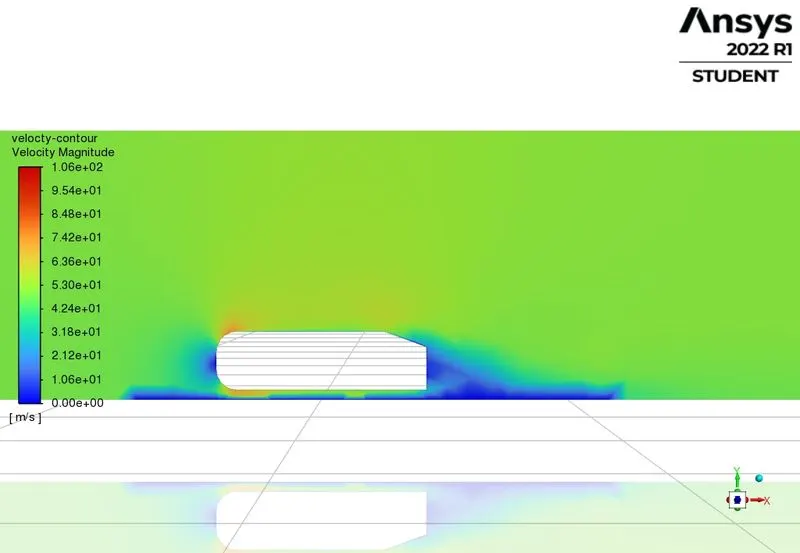
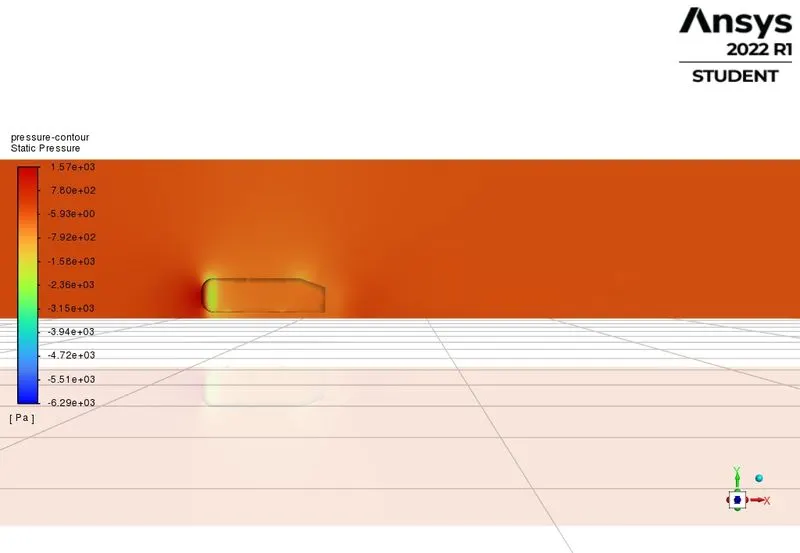
Explain the reason for the negative pressure in the wake region
The pressure inside the wake region remains low as the flow separates and a net pressure force (pressure drag) is produced. In other words, due to the production of pressure drag being produced from flow separation, the pressure in the wake region is low. This is what is causing the vacuum.
Explain the significance of the point of separation
The separation point is the point where the air stops "sticking" to an object that is moving through the air. When an object is moving through the air, the air molecules push back on it and resist the object's movement - this resistance is called pressure drag.
Impressions:
As the mesh size is getting finer the drag coefficient comes to the required values