Week 2 - Flow over a Cylinder.
Steady state with Re=100
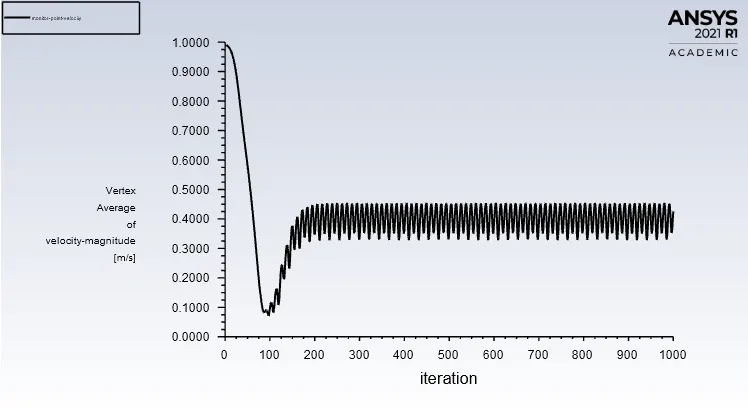
Monitor point velocity=0.4255m/s
Vertex average velocity magnitude
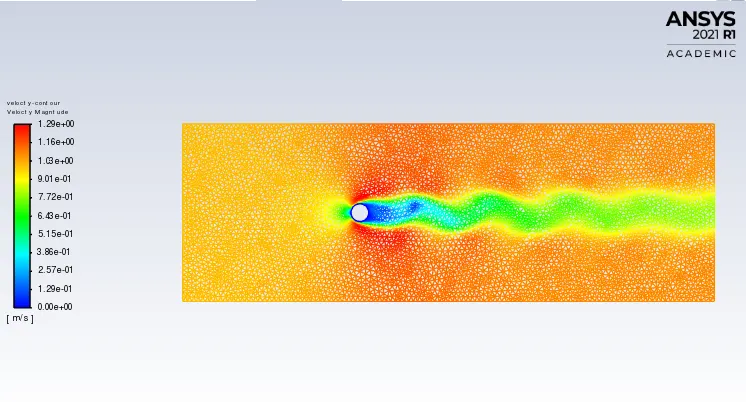
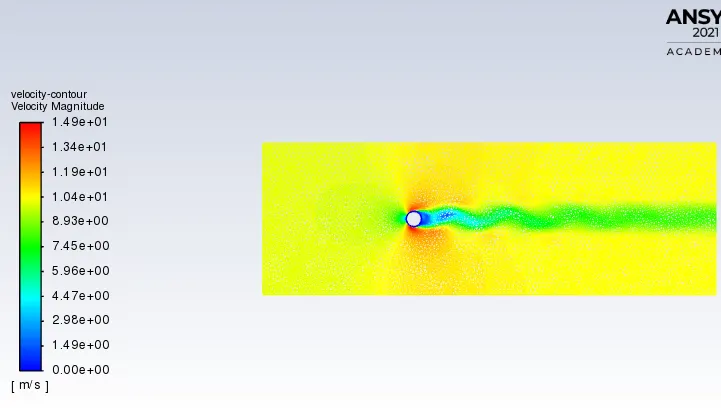
Velocity contour
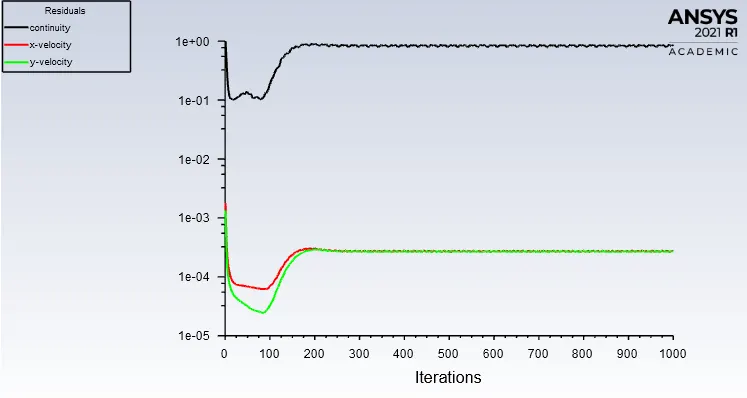
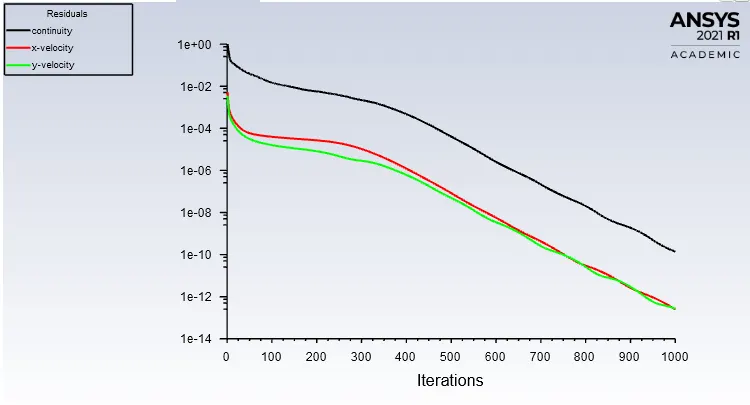
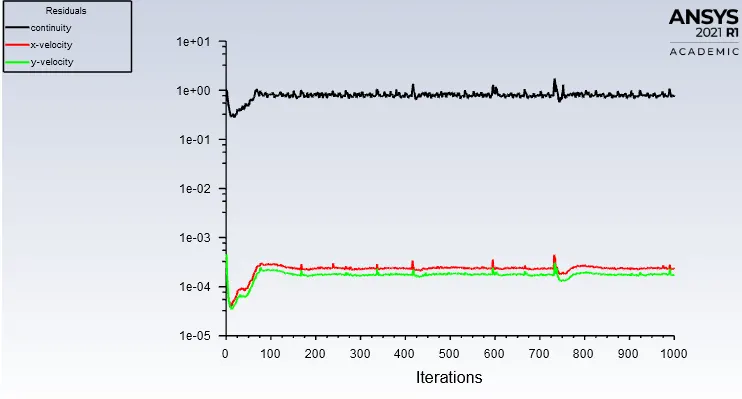
Residuals
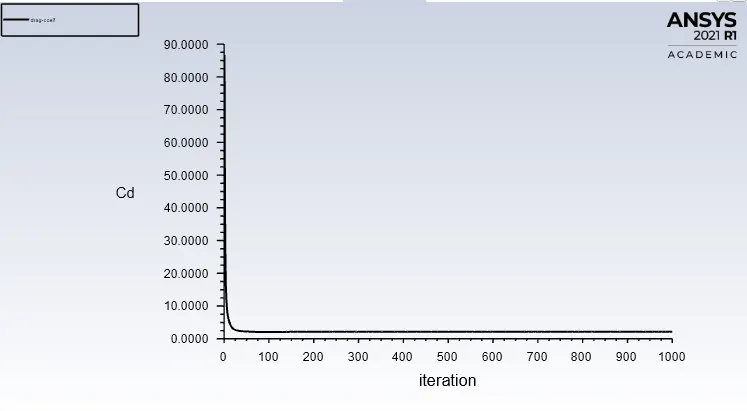
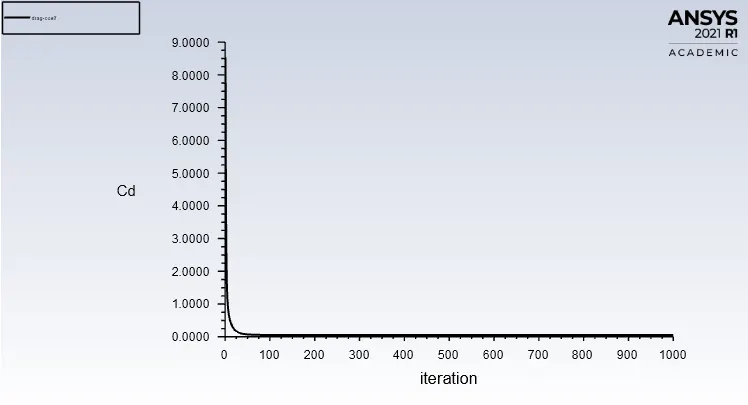
Coefficient of drag Cd= 2.153
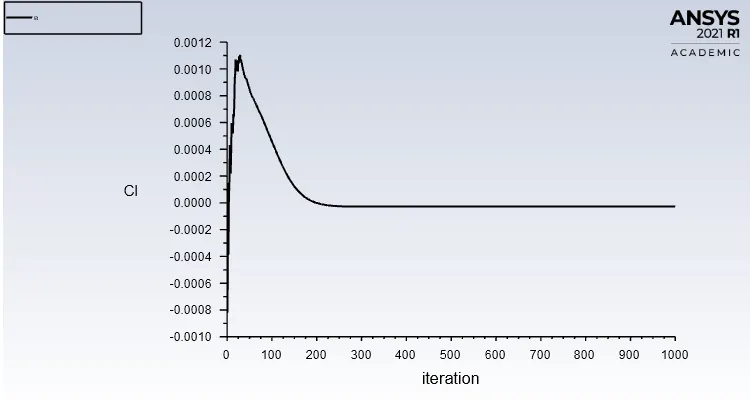
Coefficient of lift Cl=0.0997
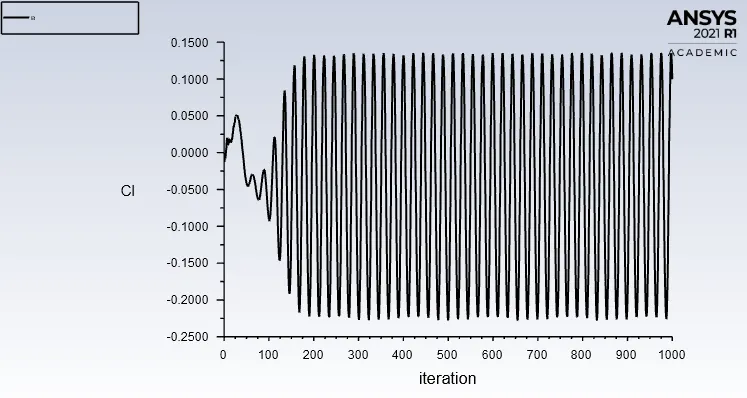
Unsteady state Re=100
Monitor point velocity=0.382
Velocity contour
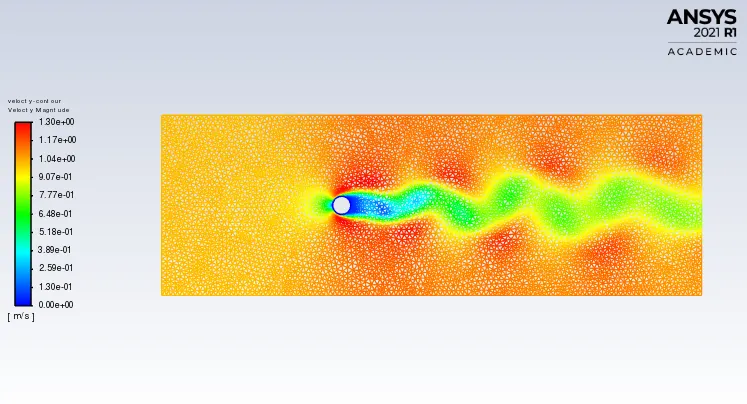
vertex average
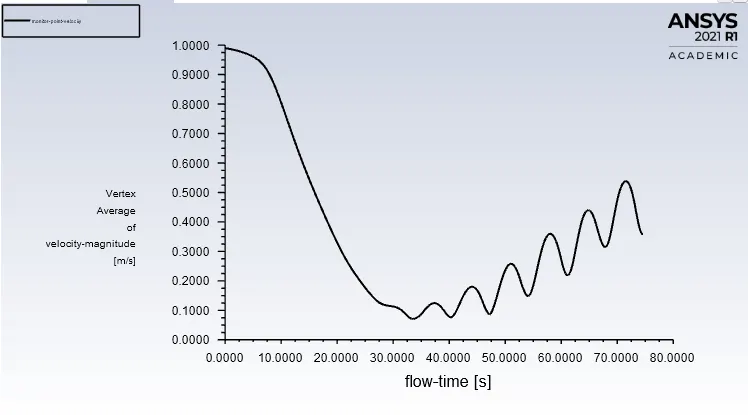
Strouhal number calculation
St=fD/V
frequency is calculated from the peakes of the vertex average of velocity with respect to time and the corresponding velocity from which for Re=100 the strouhal number is calculated as follows
f=2/10= 0.2Hz (2 is the frequency between 60th and 70th second and 10 is the differencec between the two)
St=(0.2*2)/1=0.4
Coefficient of drag Cd=2.168
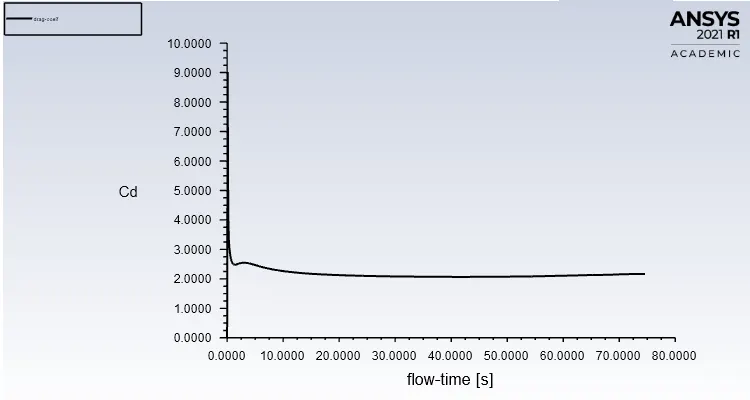
Coefficient of Lift Cl=-.2363
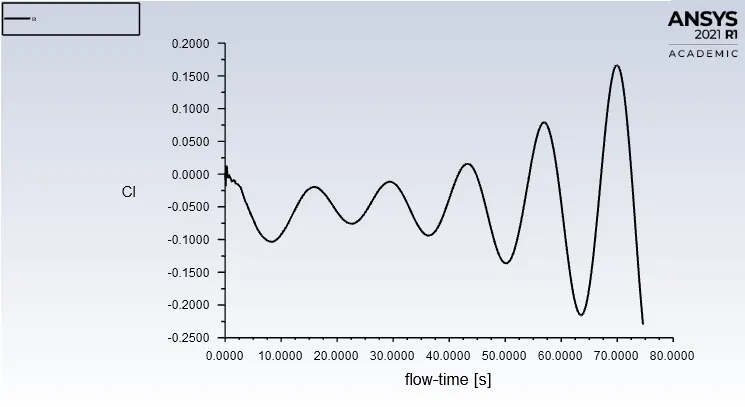
Monitor point velocity =0.228m/s
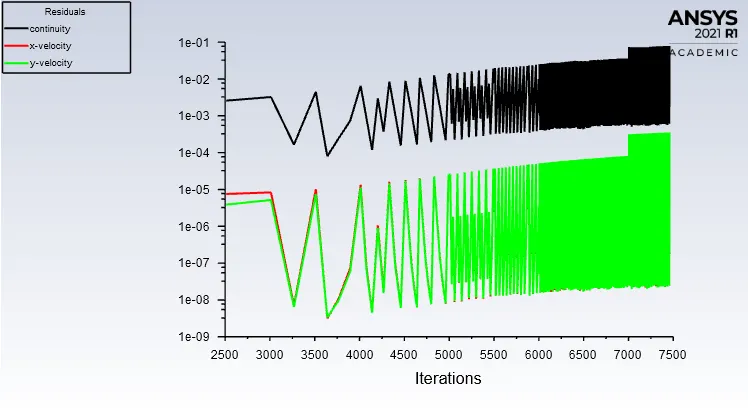
Residual
Results:
The simulation of the steady and transient type are done and the simulation is defined converged when they have an constant variation in the velocity. The steady state simulation seems to have converged at 300 iterations but however was simulated for 1000 iterations for better results. The transient condition was run with time step size of 0.1s for 1200 time steps but the solution has only started to converge till 10000 itereations as the solution takes longer the results were obtained till that but it is predicted that the solution may be converged in 20000 iterations. The strouhal number is calcuated for the transient condition alone as the strouhal number requires the frequency which is not attainable in steady state simulations.
Part-2
For Re=10 at v=0.1m/s
Monitor point velocity=0.0434m/s
Velocity contour
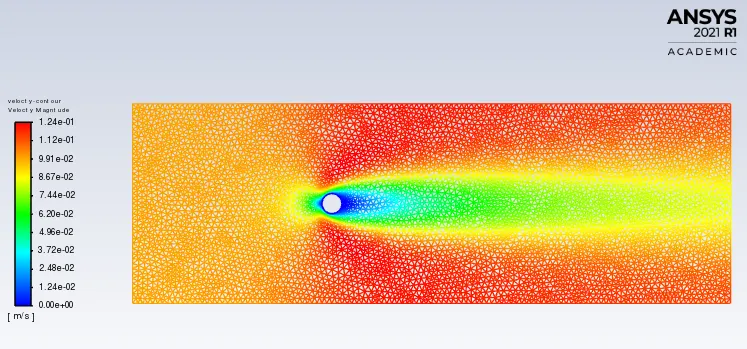
Vertex average velocity
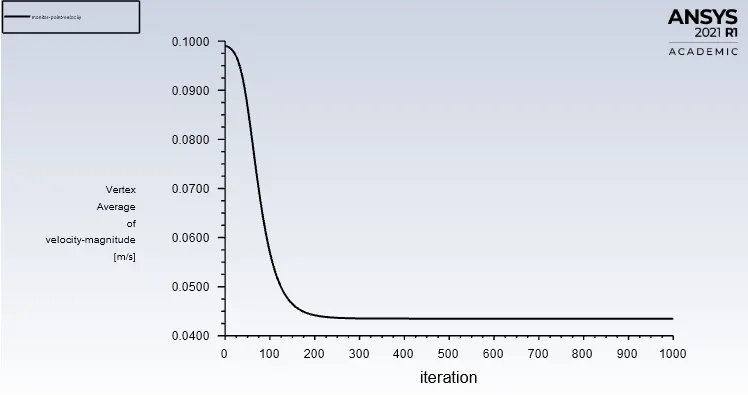
Coefficient of Drag=.054
Coefficient of Lift=-2.78e-5
Residuals
For Re=100 the results can be refered in part 1
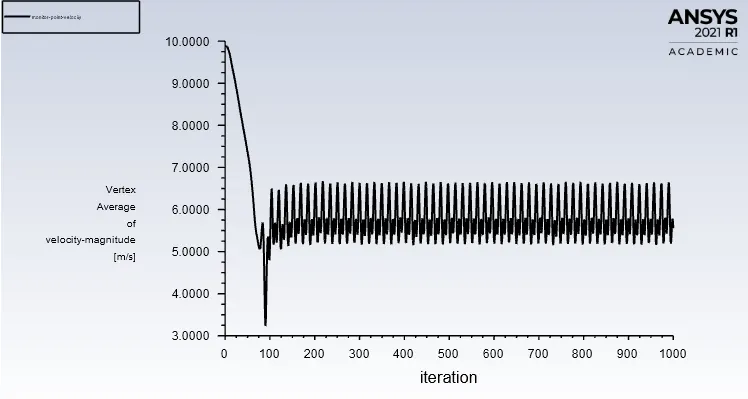
For Re=1000 at v=10m/s
Monitor point velocity=5.557m/s
Velocity contour
Vertex average velocity
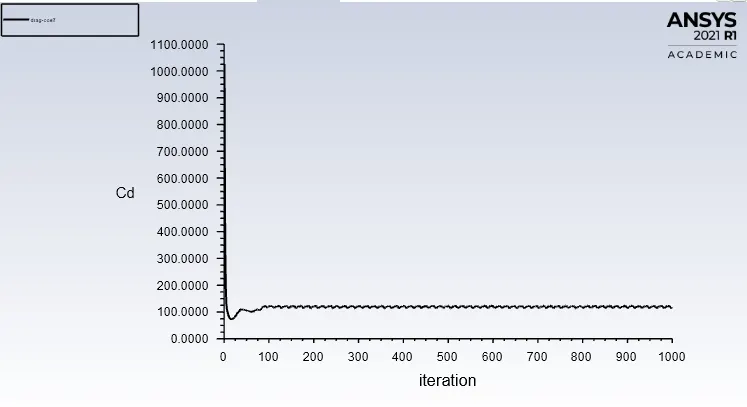
Coefficient of Drag=115.023
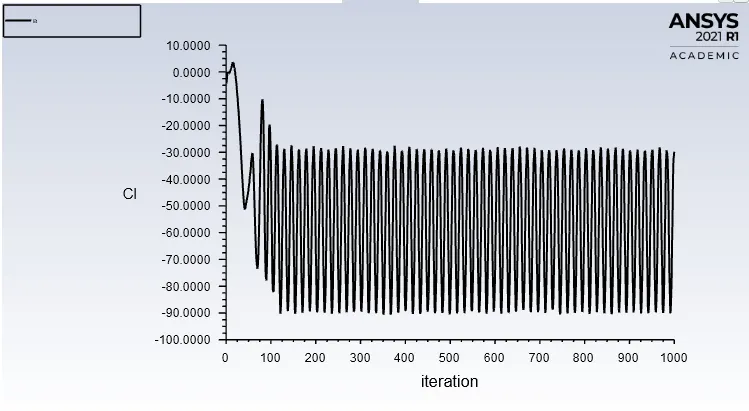
Coefficient of Lift=-29.78
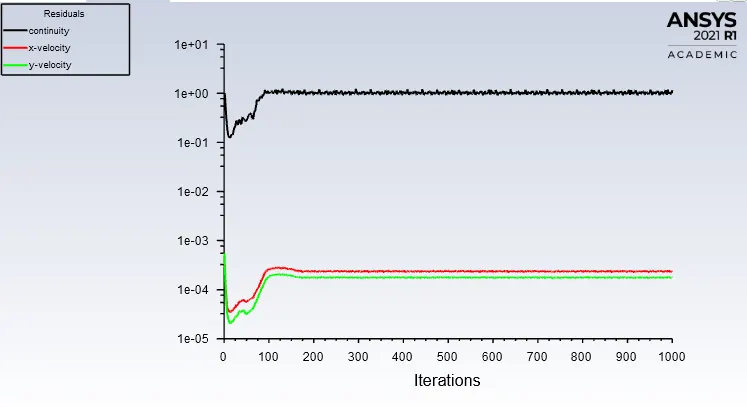
Residuals
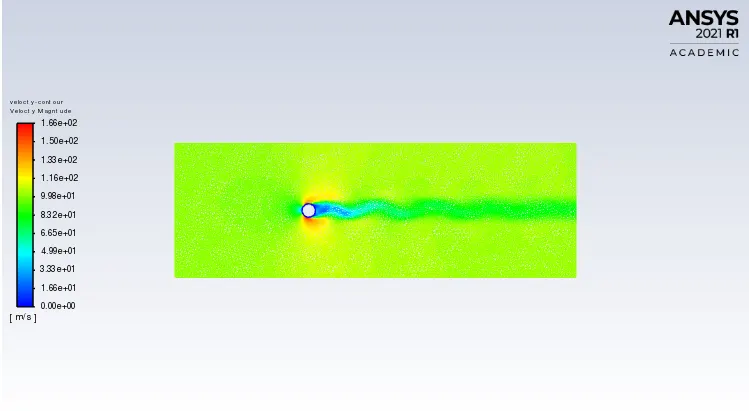
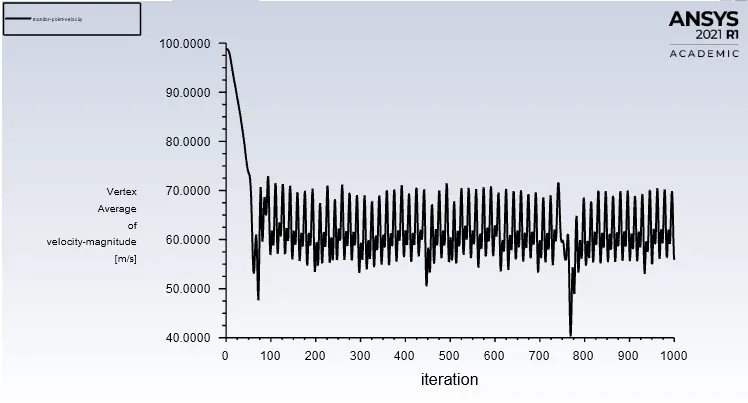
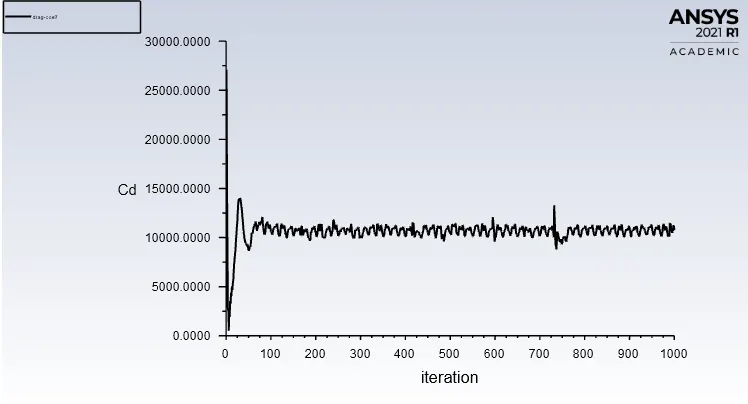
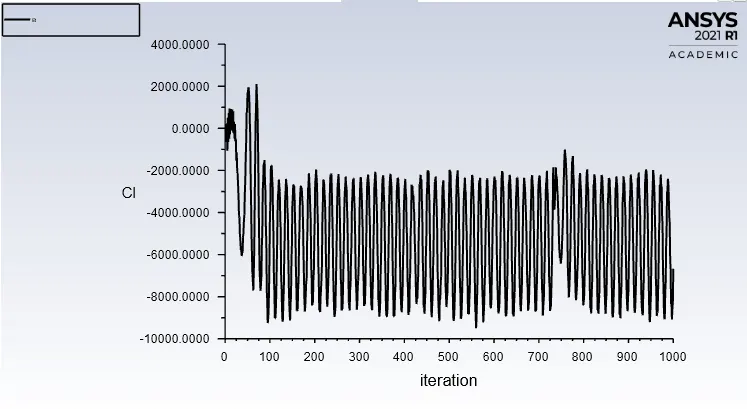
For Re=10000 at v=100m/s
Monitor point velocity=55.87m/s
Velocity contour
Vertex average velocity
Coefficient of Drag=10753.249
Coefficient of Lift=-6670.0895
Residuals
Results:
From the above analysis it can be intrepreted that as the Reynolds number increases the coefficient of drag increases it is also noted that for lower reynolds number the flow over the cylinder remains laminar and only changes to turbulent after an increase in the reynolds number. The viscocity of the fluid used also has an effect on the flow simulation as it shows that for a certain viscocity the flow remains laminar and the vortex shedding over the cylinder is not observed.
Reference:
Shubham Jain, Nekkanti Sitaram, Sriram Krishnaswamy, "Effect of Reynolds Number on Aerodynamics of Airfoil with Gurney Flap", International Journal of Rotating Machinery, vol. 2015, Article ID 628632, 10 pages, 2015. https://doi.org/10.1155/2015/628632.