Week 2 - Flow over a Cylinder.
AIM:
To Simulate the flow over a cylinder and explain the phenomenon of Karman vortex street.
Objective:
Calculate the coefficient of drag and lift over a cylinder by setting the Reynolds number to 10,100,1000,10000 & 100000 and Simulate the flow with the steady and unsteady case and calculate the Strouhal Number for Re= 100.
Explanation:
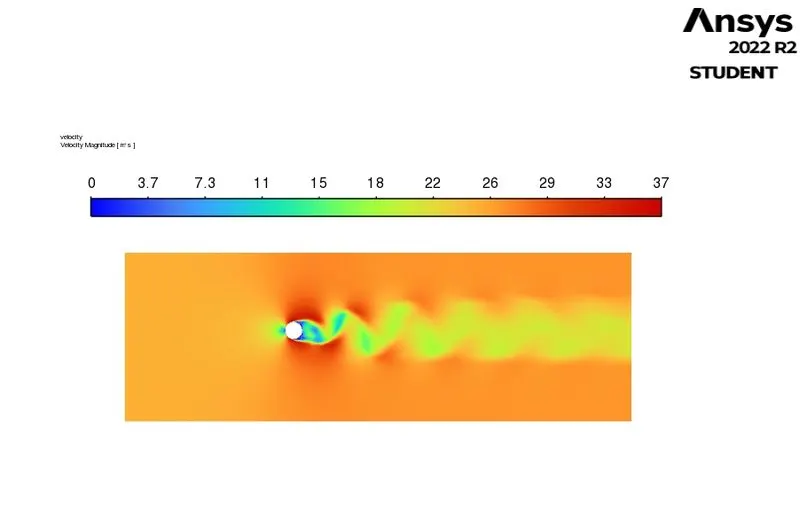
Von Karman vortex street when the fluid flows towards the body, the flow around a bluff body produces a regular pattern of alternating vortices known as von karman vortex street. these vortices produce a sinusoidal force acting on the body perpending to the flow. each and every vortices have frequency.
Simulate the flow with the steady and unsteady case and calculate the Strouhal Number for Re= 100.
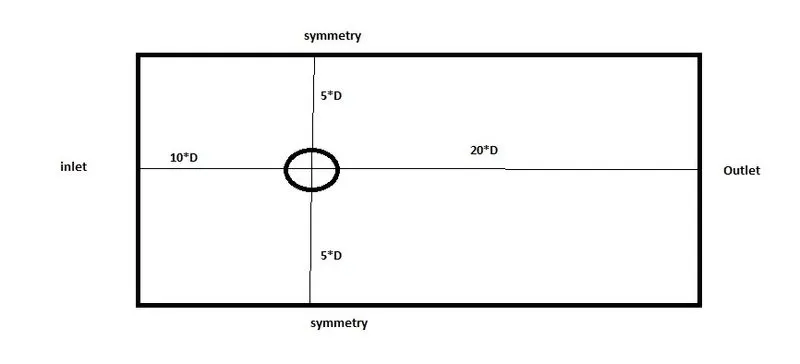
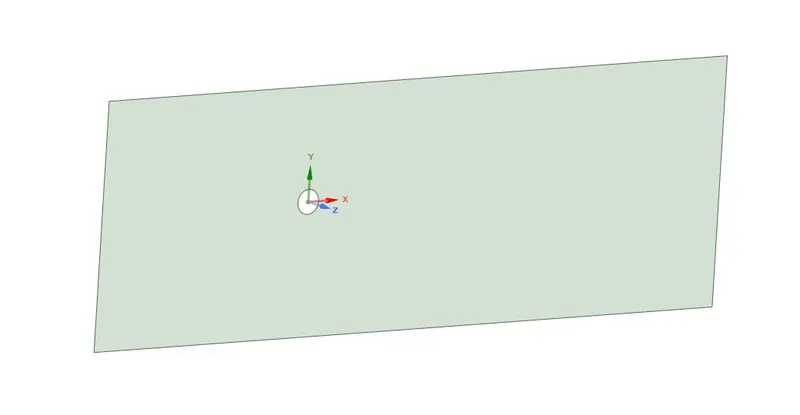
In this challenge geometry was not given, so we have to model it with the help of spaceclaim.
Cylinder dia=2m
and we have to build computational domain
Meshing:
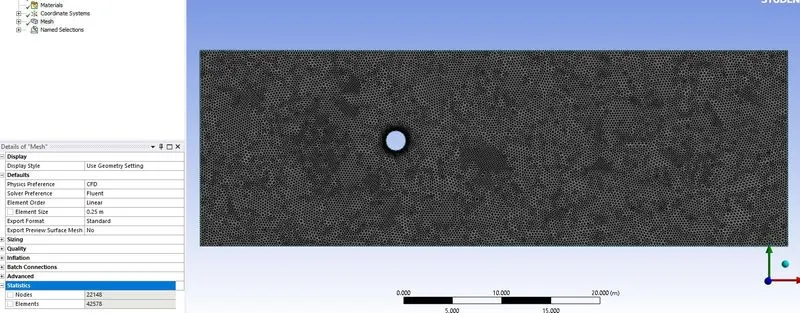
Elements: Tria
No. of elements:42576
Element size: 0.25m and we have done inflation layers at the edge of the wall to extract the minute parameters.
Why inflation layers?
Inflation layers or prism layers are structured fine mesh, to capture the viscous effects and other change in parametrs like velocity due to the velocity gradient and shear stress.
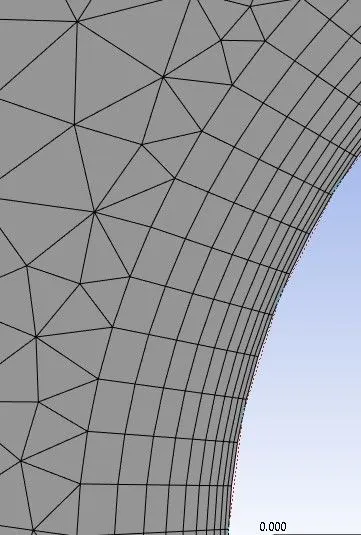
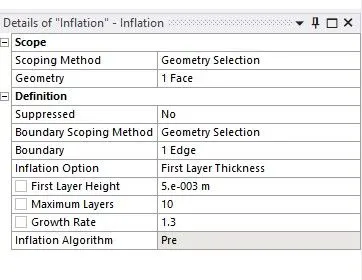
Unstructured mesh are not thin enough to close the walls so to create the thin layers we go for structured mesh.
Here our first layer height is 0.005m, we increase the thin layer height gradually with the help of growth rate 1.3 we can give the range of (1.1to1.3) and our maximum layers are 10 we have to maintain volume transition which means our last layer thickness of inflation layer and first unstructured layer thickness almost uniform.
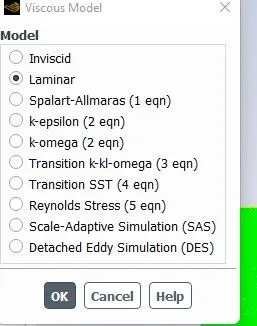
Here our given Reynolds number are 10,100,1000,10000 & 100000 those numbers are comes under the laminar flow. so we can go for laminar in viscous model.
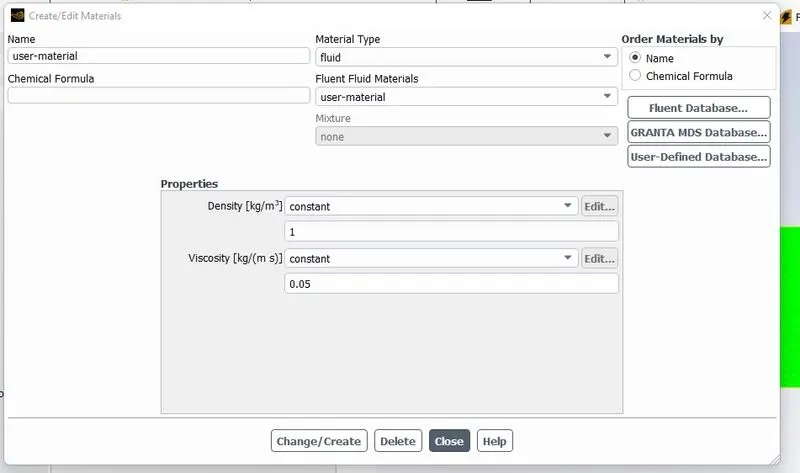
Here we create our own fluid material with density 1kg/m^3 and viscosity is 0.05kg/ms. we are going to use this material in all cases.
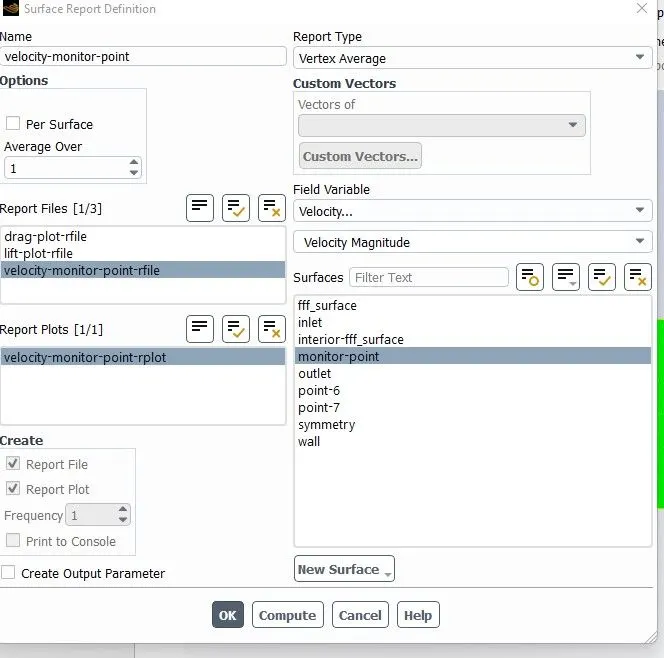
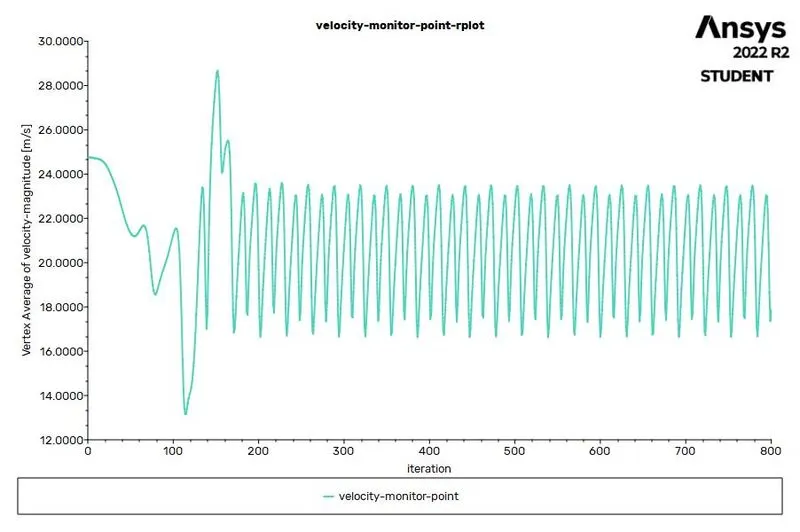
we have created monitor point for vertex velocity.
Here our known data is density 1kg/m^3, viscosity is 0.05kg/ms, dia=2m. from these data we can calculate velocities of each case.
What is Reynolds number?
Reynolds number is non-dimensional number, it defines that the ratio between inertial force and viscous force. it is used to check wheather the flow is laminar or turbulent. whenever the inertial force dominates Reynolds number will be high.
Reynolds no. is directly proportional to velocity and inversely proportional to Dynamic viscosity. for external flow the Reynolds no. is upto 2*10^5 the flow will be laminar in our case the maximum is 1*10^5 hence we use viscous model is laminar for all cases.
For Reynolds no. 10 velocity is 0.25
For Reynolds no. 100 velocity is 2.5
For Reynolds no. 1000 velocity is 25
For Reynolds no. 10000 velocity is 250
For Reynolds no. 100000 velocity is 2500
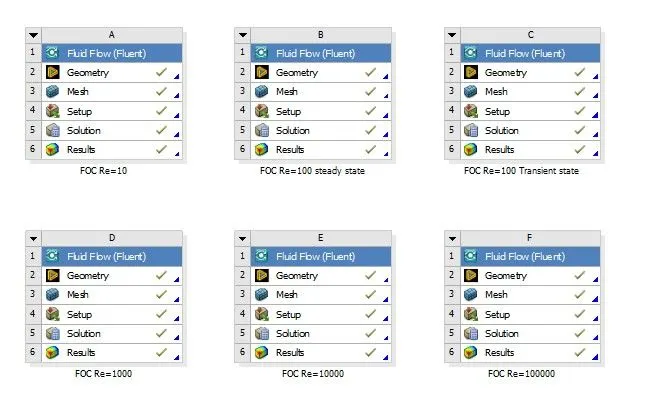
Case-1:
For Reynolds no. 100 velocity is 2.5
Steady flow
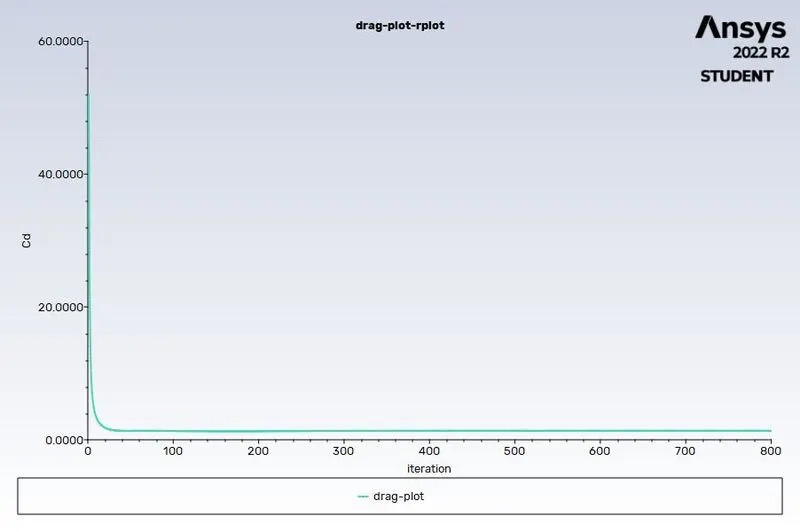
Drag
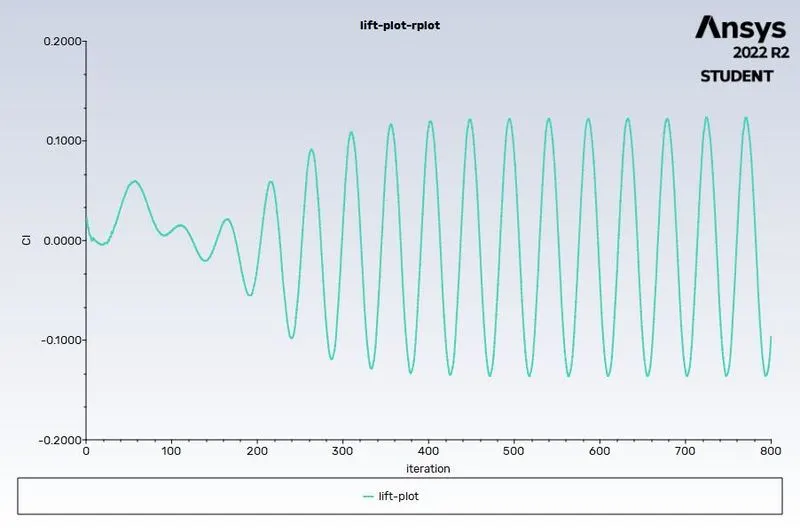
Lift
For this Reynolds no. here due to instability vertex shedding happens but after 200 iterations the lift fluctuates constantly.
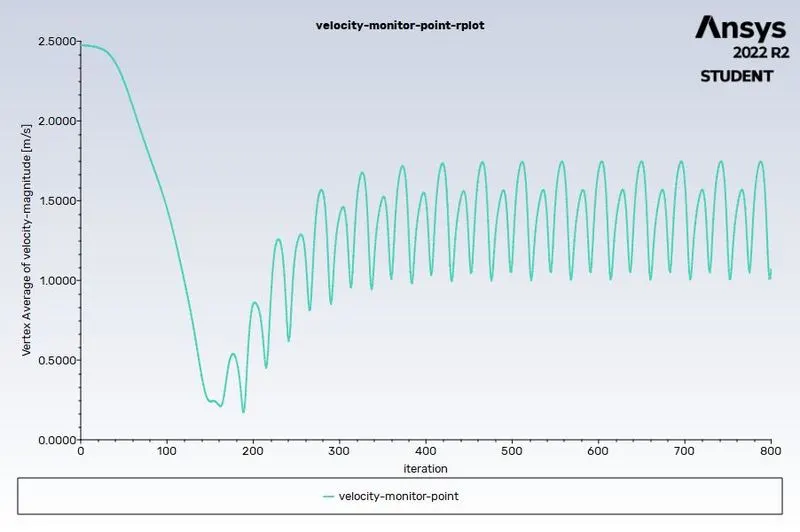
Velocity monitor
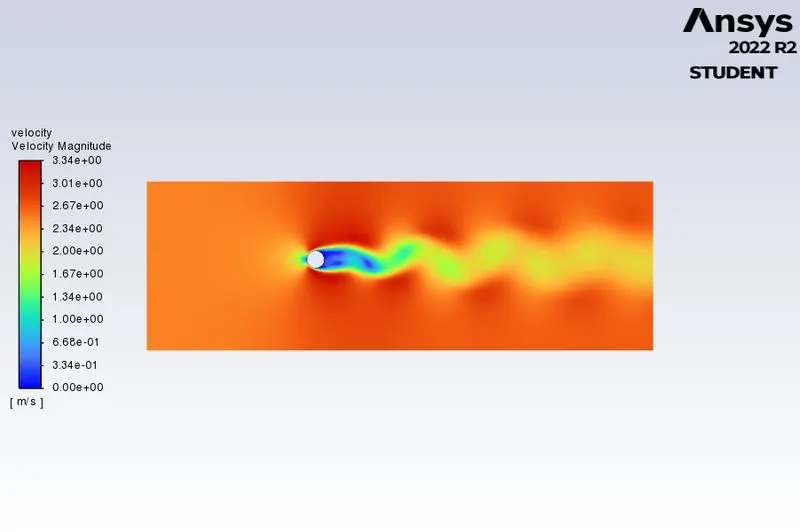
Velocity monitor point is fixed behind 4 times of diameter of body due to the vertex the pattern look like this.
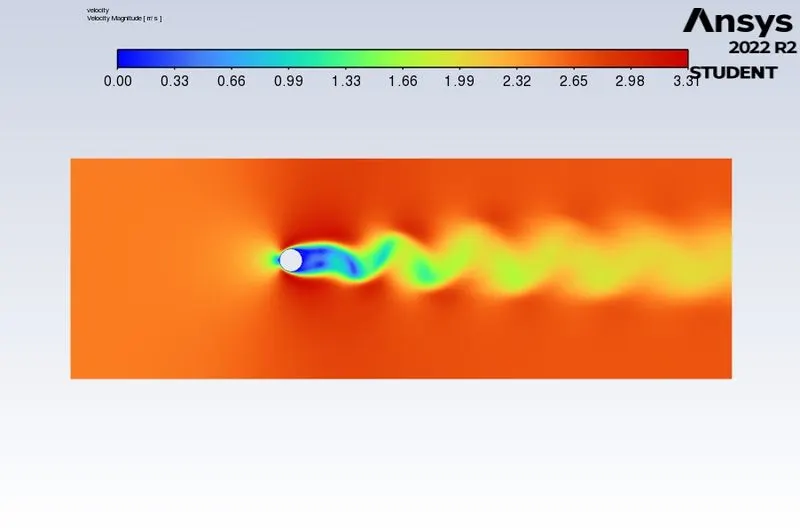
Velocity contour
Looks like the ball is sqeezed through the air so here the air gets disturbed
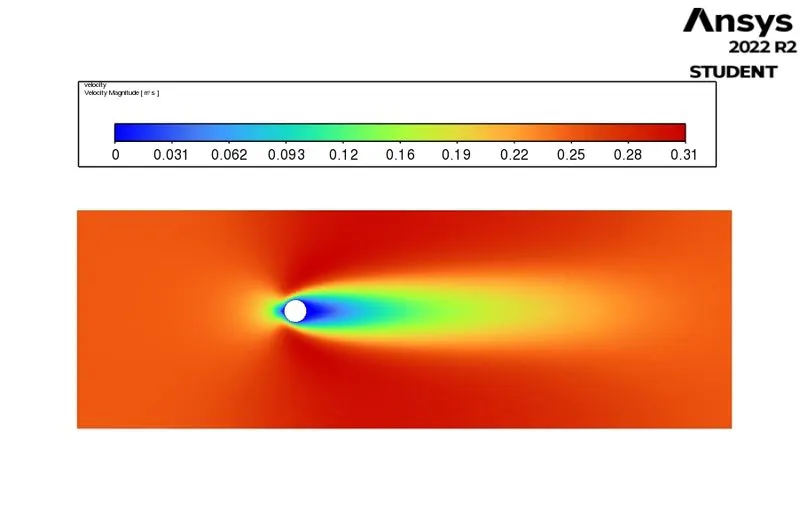
Velocity at the front face of the body is decreases, so here the pressure increases, at surface velocity become zero here the viscous force dominates but the velocity away from the surface is high which free stream velocity. there is a vaccum behind the cylinder here the velocity is too low.
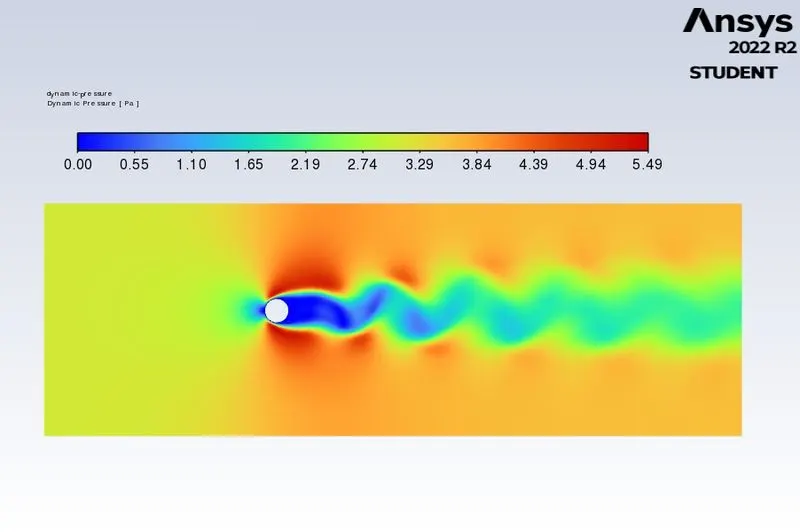
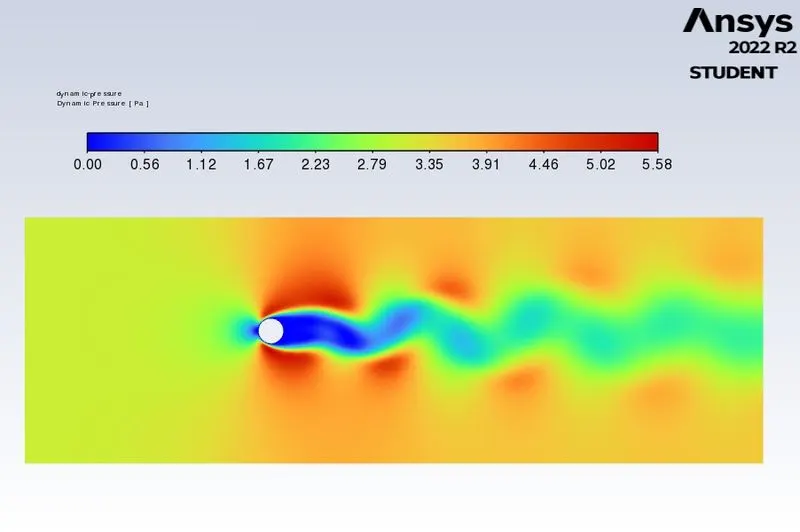
Dynamic pressure
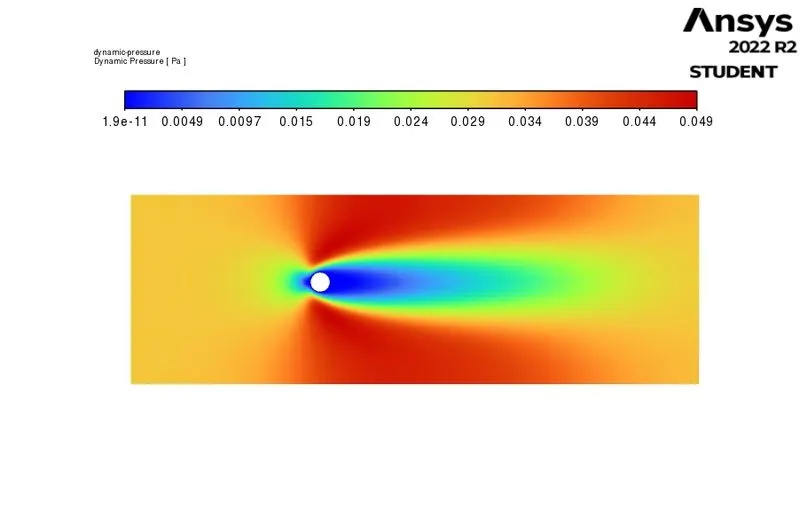
Dynamic pressure is directly proportional to velocity. In velocity plot we have seen that the velocity incresses away from the surface here the dynamic pressure increases away from the surface. in vaccum area dynamic pressure also becomes zero.
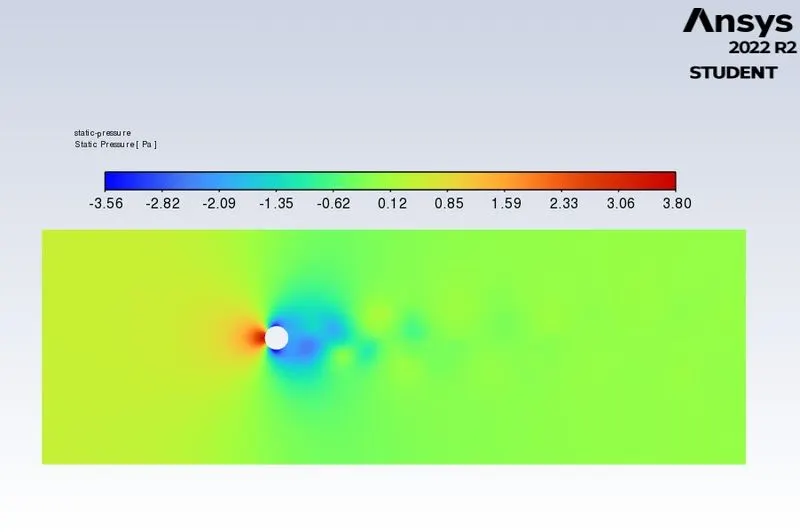
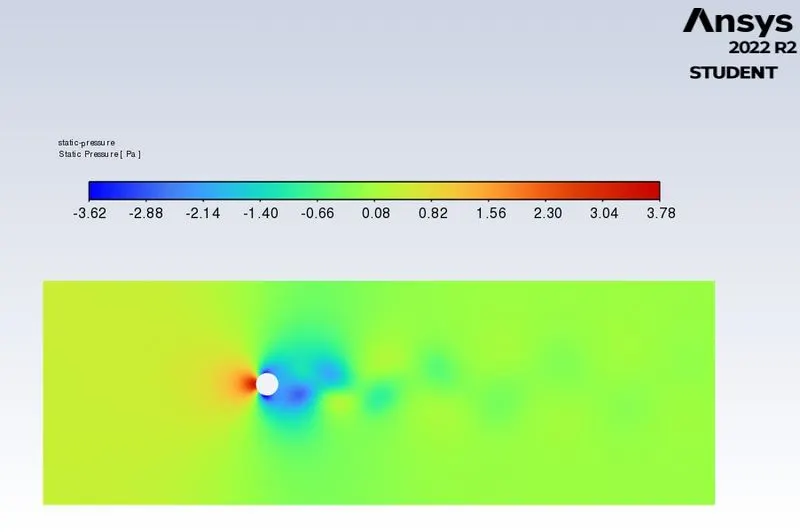
Static pressure
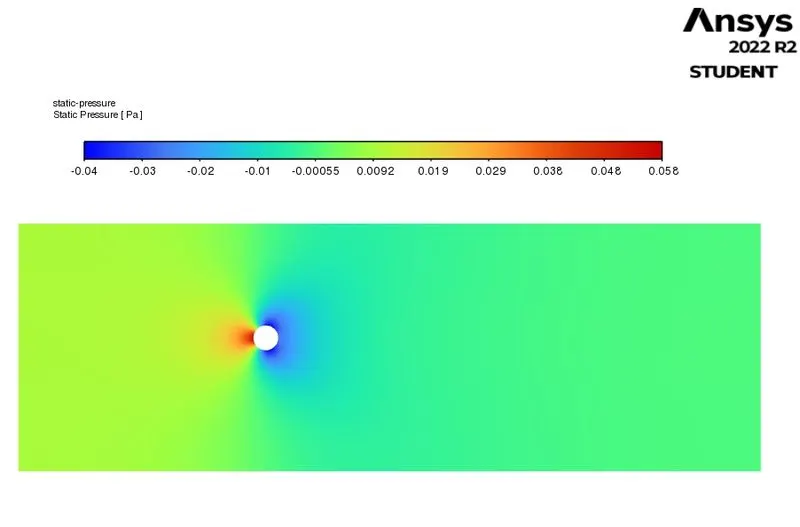
The static pressure increases only the front face because the force directly strikes on the body
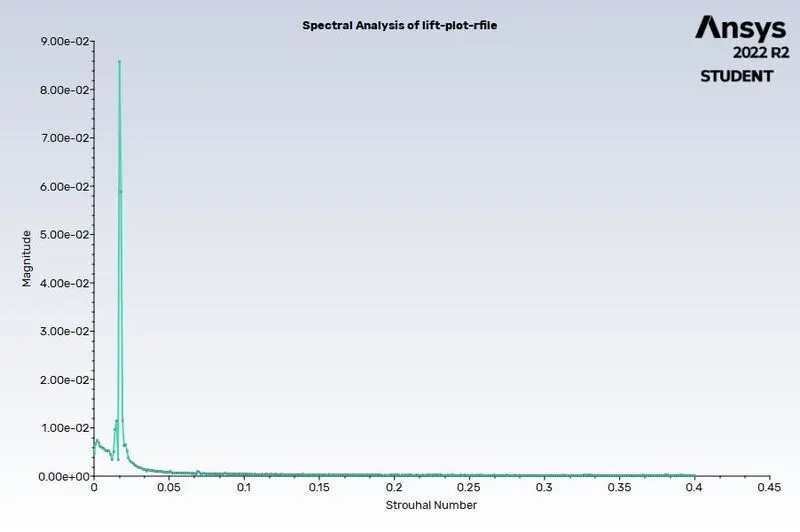
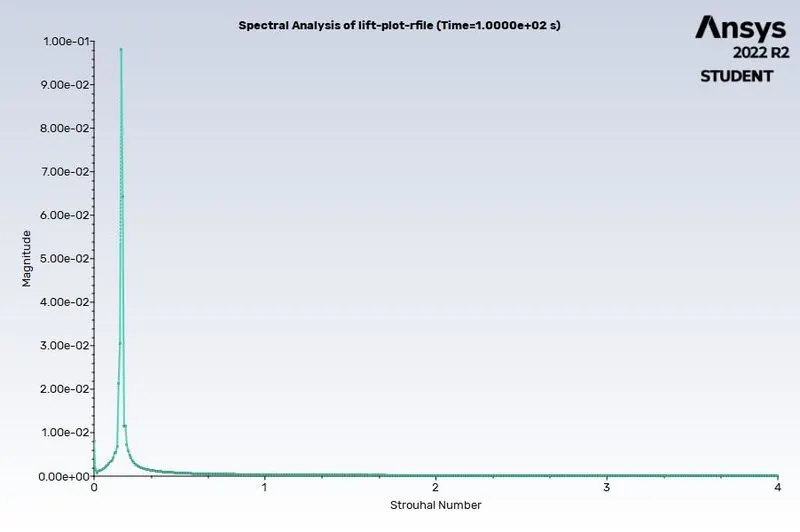
As per the challenge requirement we need to find strouhal number.
strouhal number is non-dimensional number used for analysing the oscillations in unsteady flow pattern.
Case-2 Reynods no. =100 Transient flow
Transient state is time function, here we need to give step size and number of steps the product gives flow time.
For each time steps it run for around 20 iteration
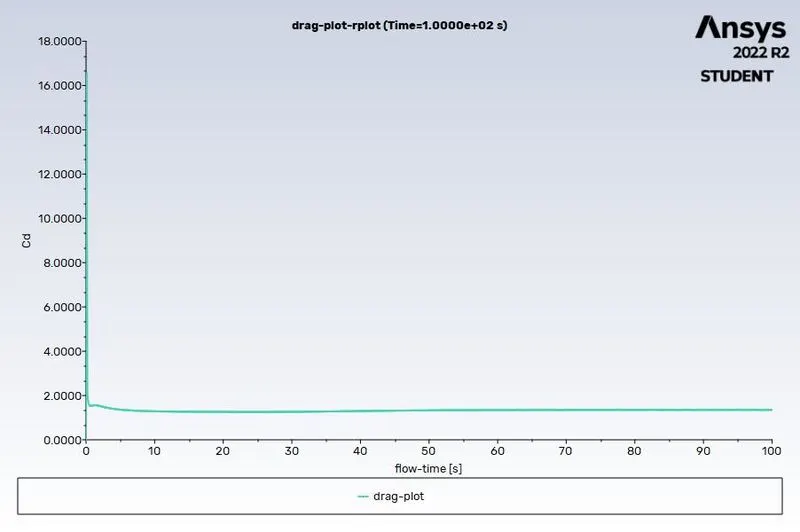
Drag
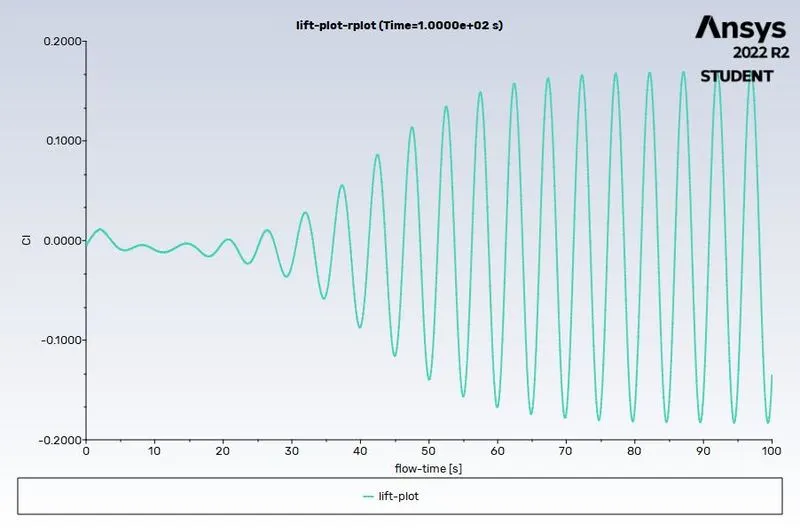
Lift
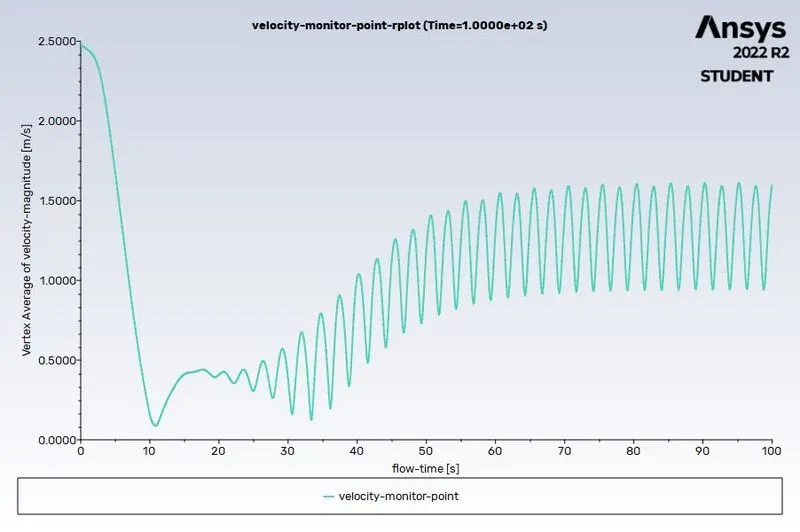
Velocity monitor
Velocity contour
dYNAMIC PRESSURE
Static pressure
Strouhal number
Case-3; Reynolds no. 10
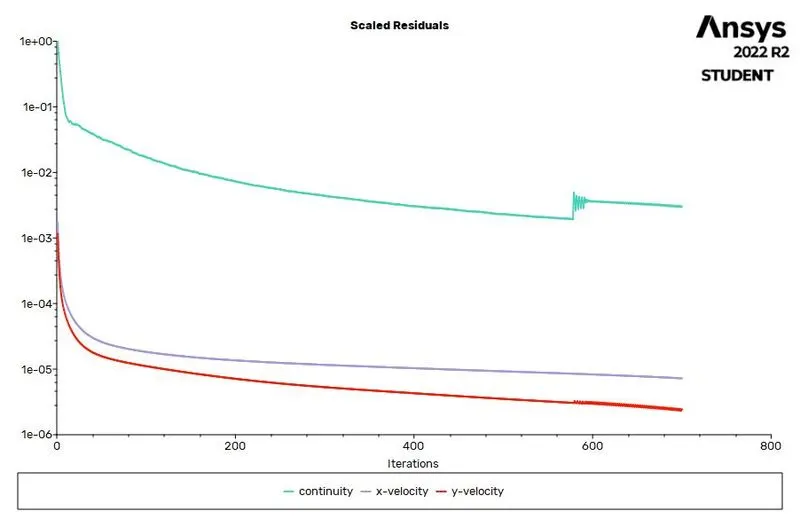
Residuals
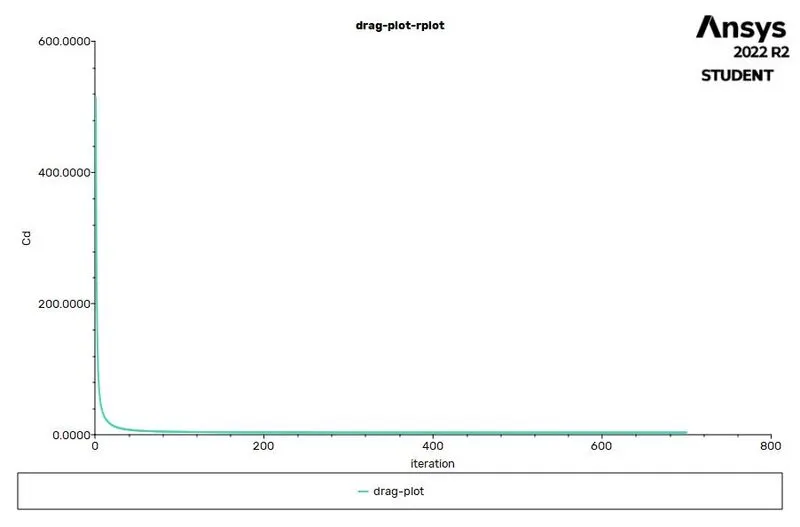
Drag
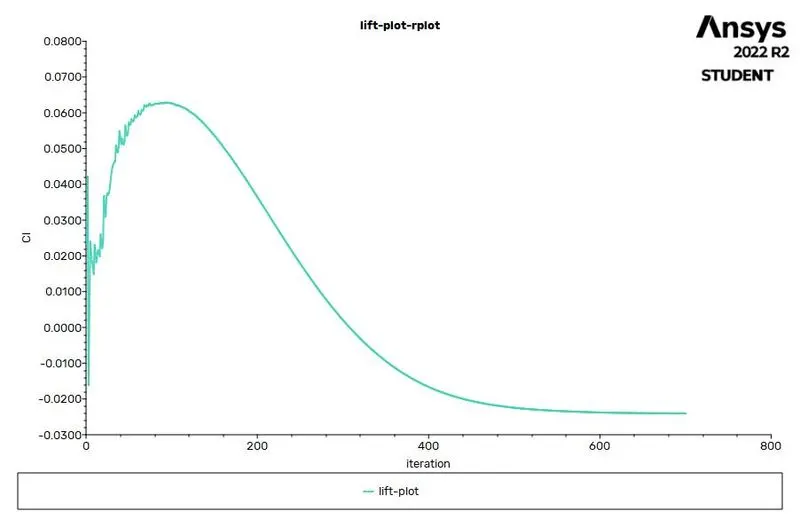
Lift
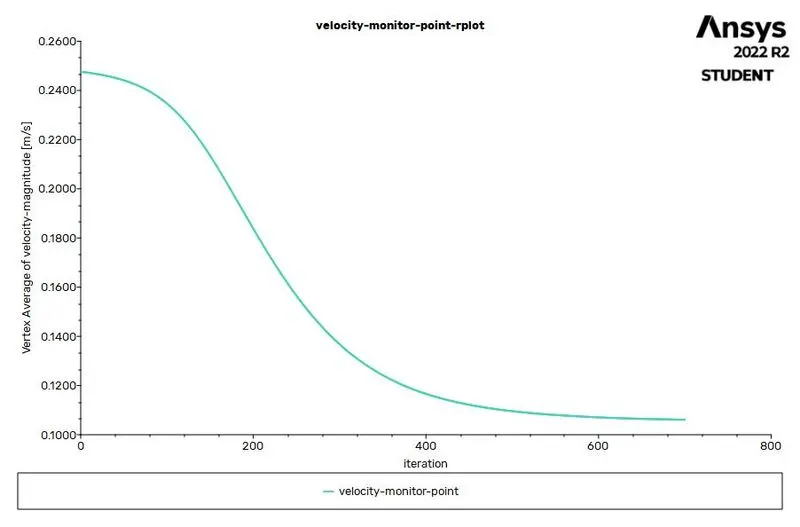
Velocity monitor
Velocity contour
Dynamic pressure contour
Static pressure contour
Case-4 Reynolds no. 1000
Residuals
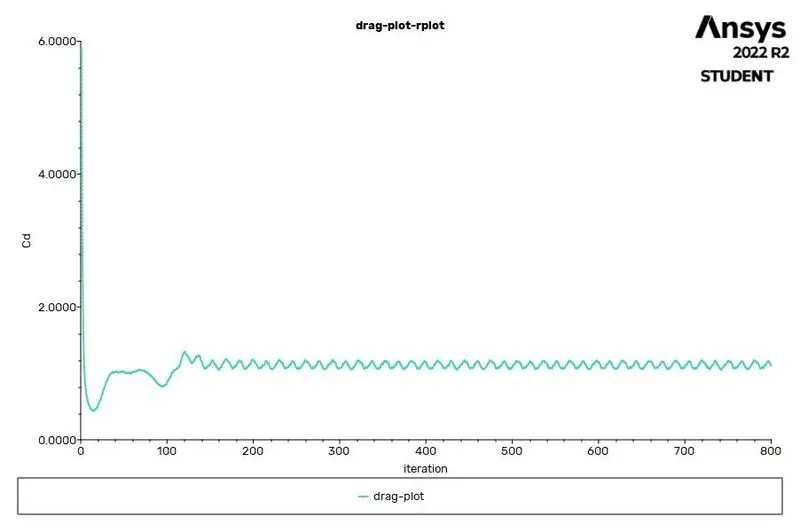
Drag
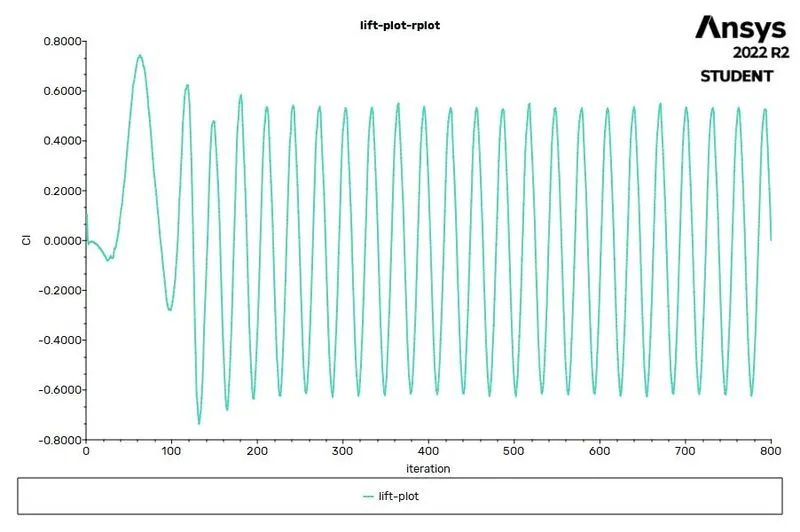
Lift
Velocity monitor
Velocity contour
Dynamic pressure
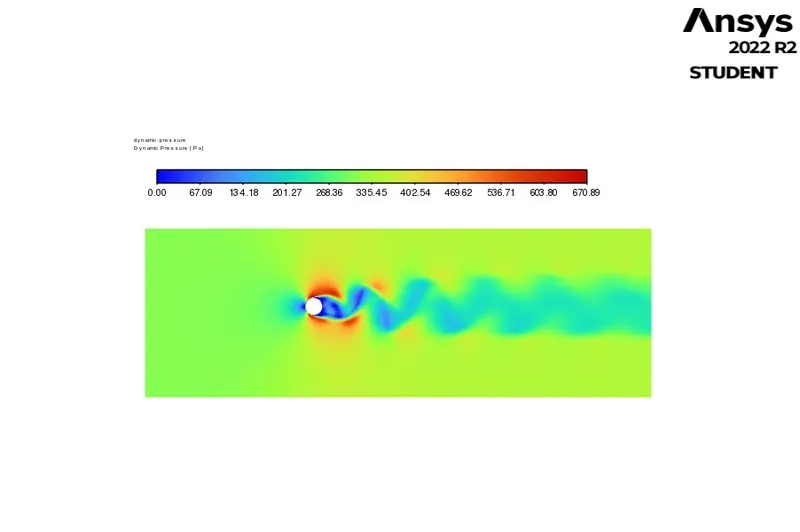
Static pressure
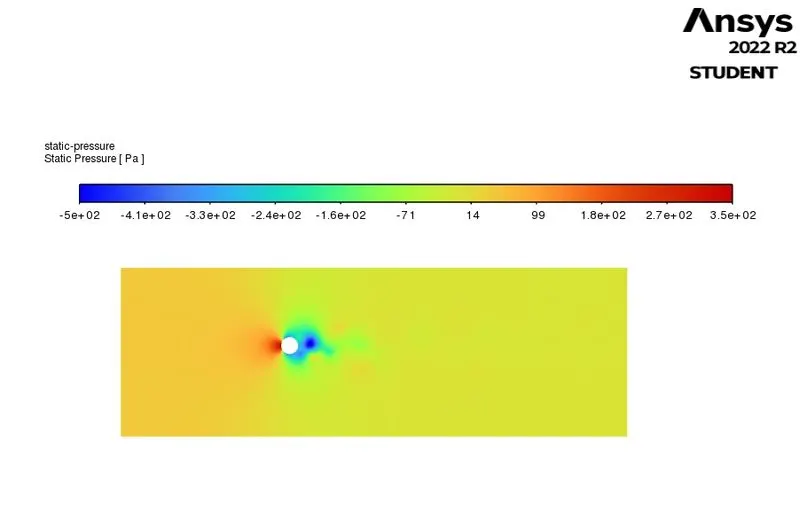
Case-5 Reynolds no. =10000
Residuals
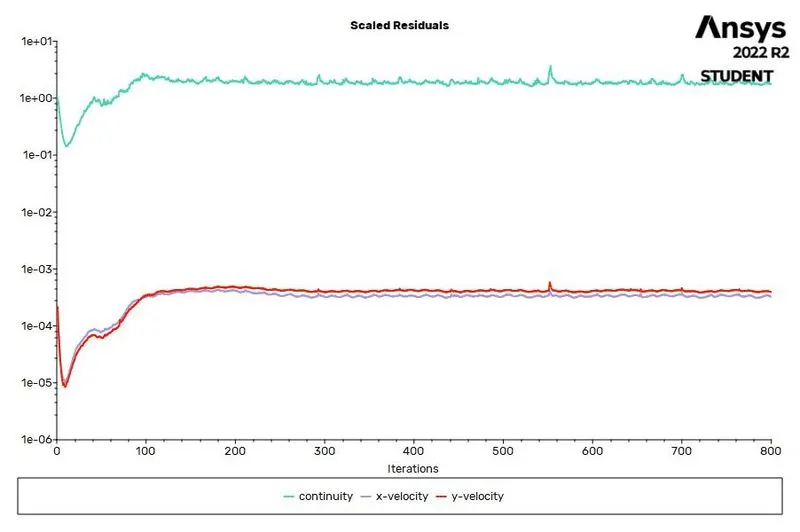
Drag
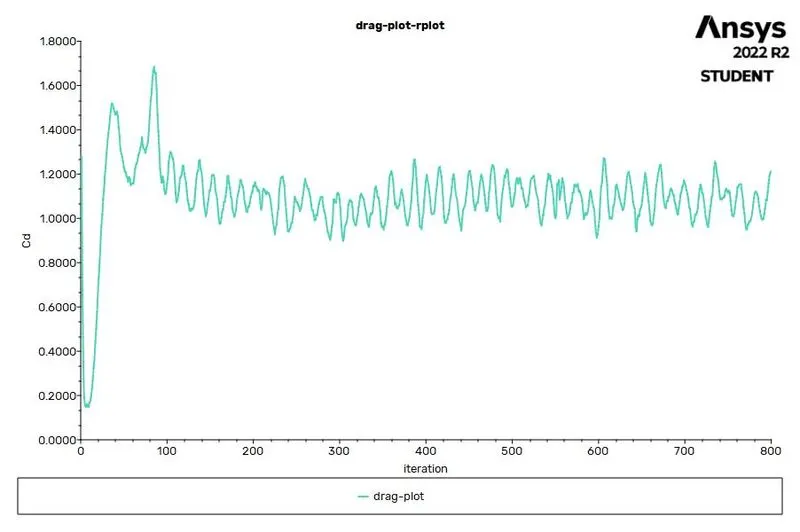
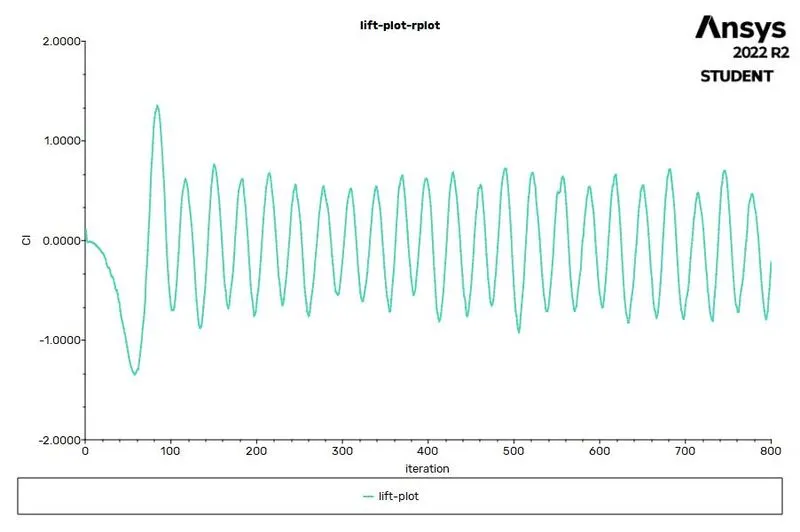
Lift
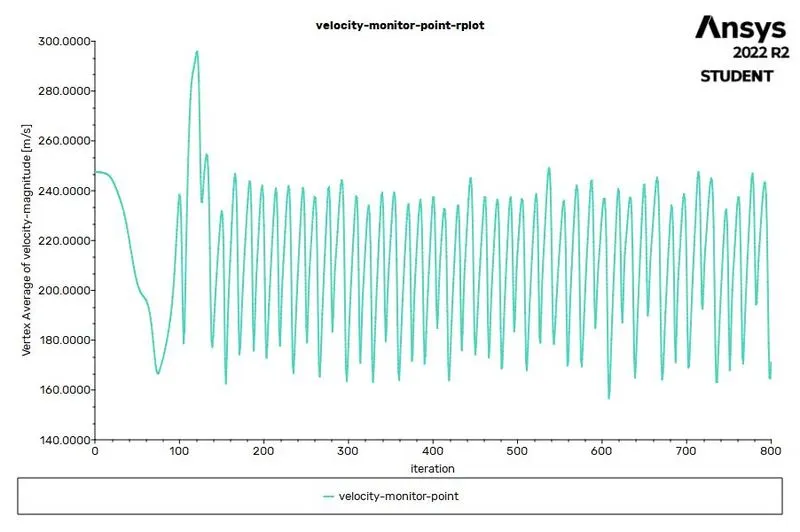
Velocity monitor
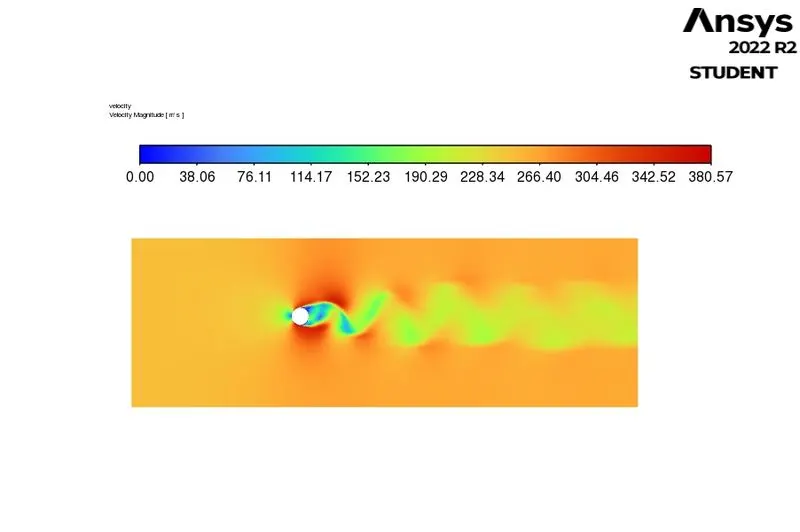
Velocity contour
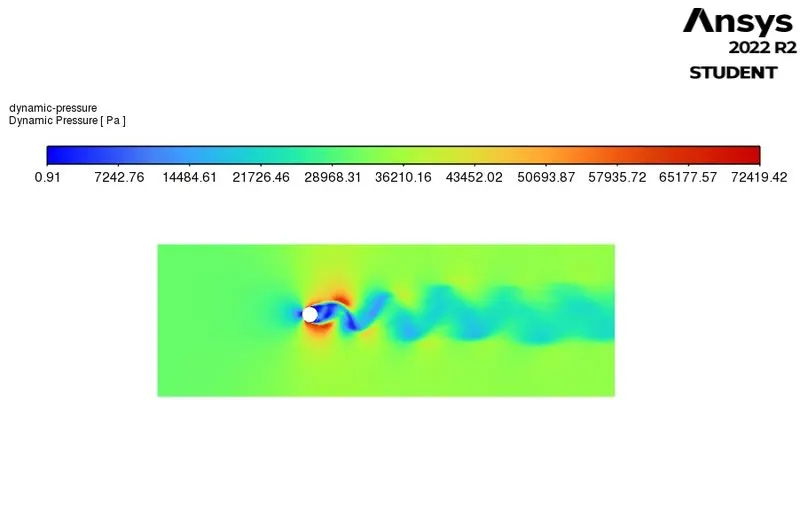
Dynamic pressure
Static pressure
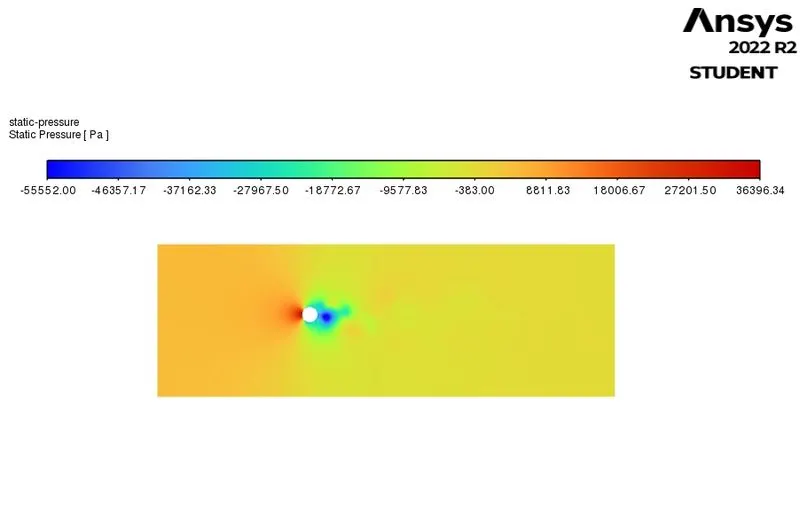
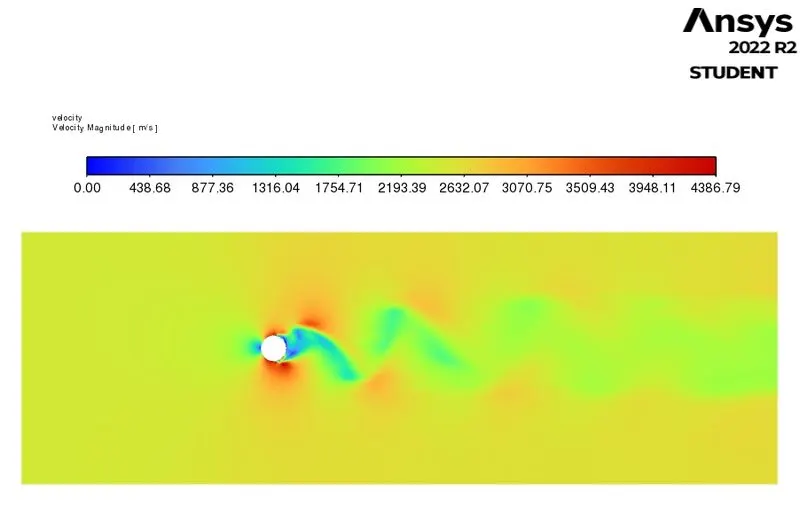
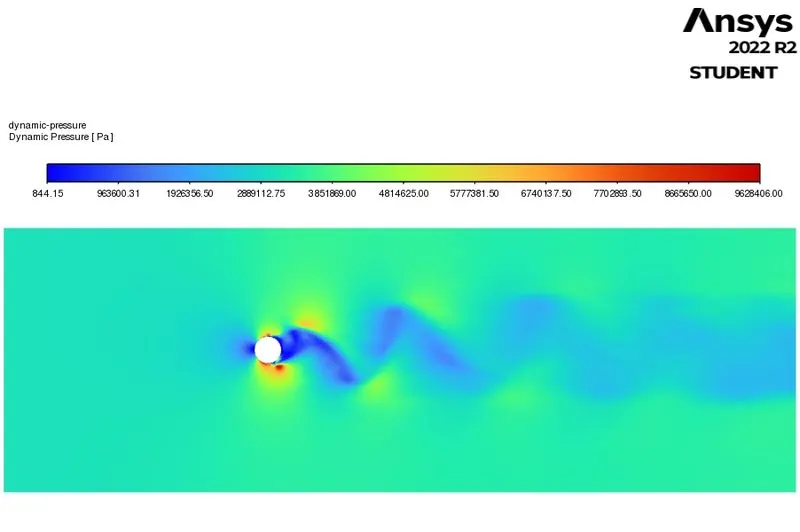
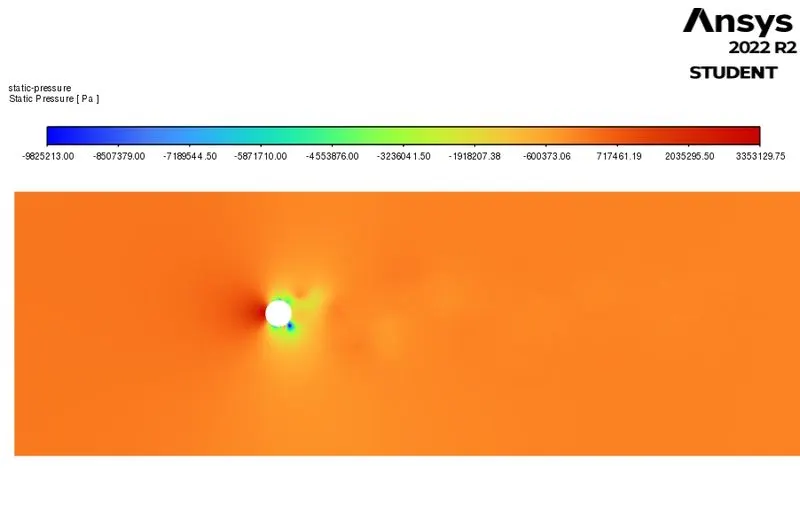
Case-6 Reynolds no. =1*10^5
Residuals
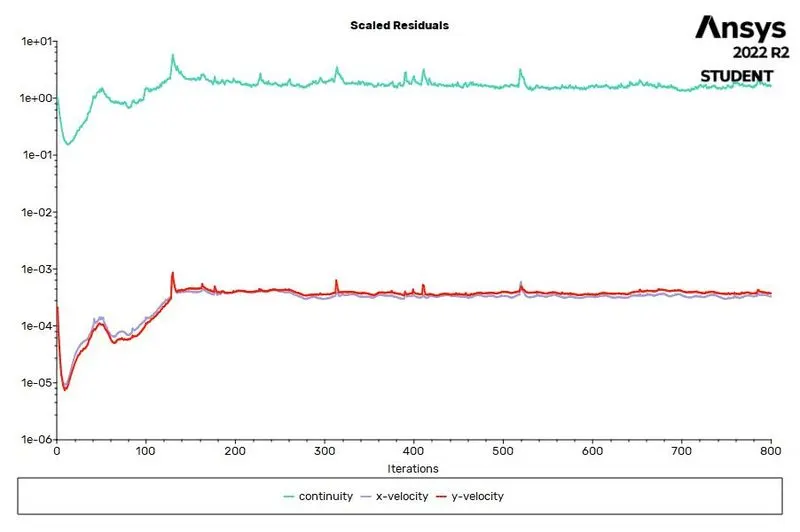
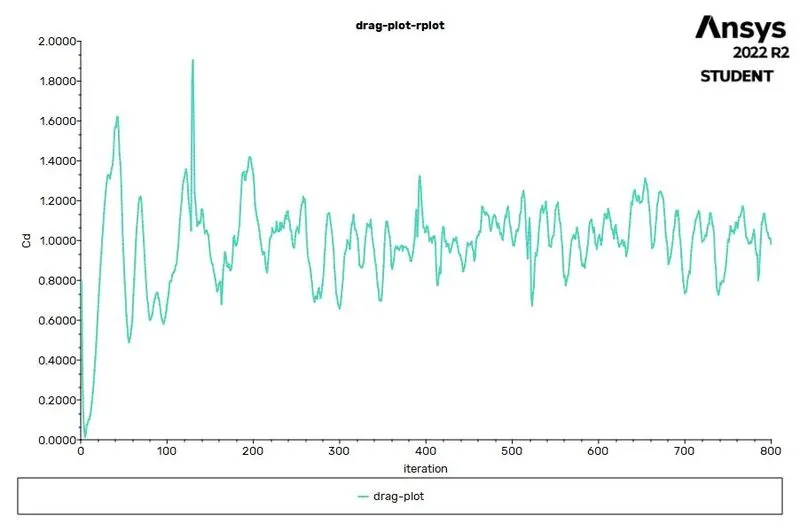
Drag
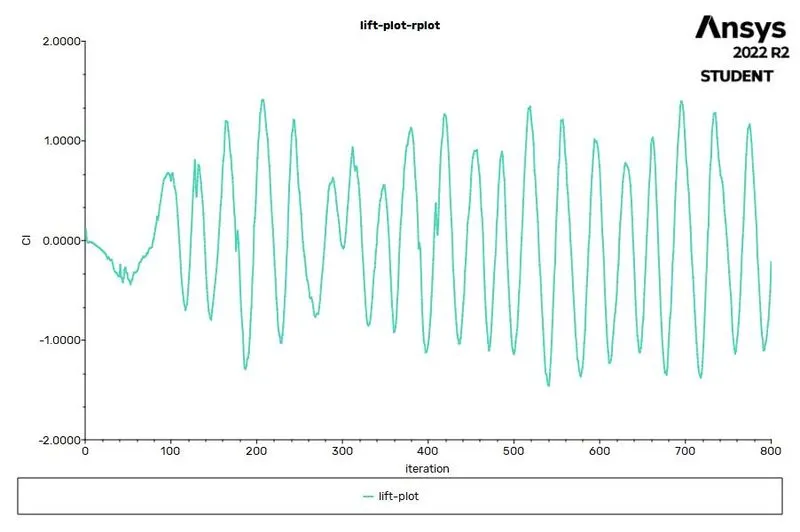
Lift
Velocity monitor
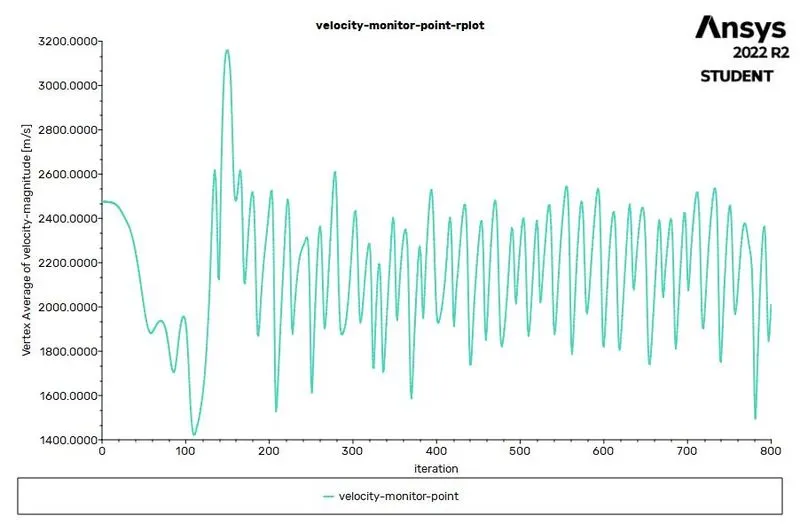
Velocity contour
Dynamic pressure
Static pressure
| Cases | Velocity(m/s) | Drag | Lift | Velocity vertex |
| Re=10 | 0.25 | 3.33 | -0.095 | 1.068 |
|
Re=100(Steady) |
2.5 | 1.35 | -0.095 | 1.068 |
| Re=100(Transient) | 2.5 | 1.35 | -0.135 | 1.59 |
| Re=1000 | 25 | 1.07 | -0.465 | 21.67 |
| Re=10000 | 250 | 1.211 | -0.217 | 171.38 |
| Re=1*10^5 | 2500 | 0.976 | -0.217 | 2009.7 |
As we have seen that at low velocities and Reynolds no. the drag looks higher as we increse the Reynolds no. the velocity also increases the drag will decreases. Re no.is directly function of velocity .
Reference: