Week 2 - Flow over a Cylinder.
Aim: To simulate the flow over a cylinder and to explain the phenomenon of Kormen Vortex Street
Objective:
- To run the steady state and unsteady state simulation and to plot the strouhal number at Re=100
- To calculate reynolds number and its effects on the flow over a cylinder
- To calculate coeffecient of drag and lift over a cylinder by setting different reynolds number
- Effect of reynolds number on coeffecient of drag force
Introduction
Vortex shedding is a phenomenon ,when the fluid flows across a structural member,vortices are alternately from one side to the other , and where alternating low pressure zones are generaed on the down side of the structure giving rise to a fluctuating force acting at right angles to the flow direction.In this flow, vortices are created at the back of the body, forming a von karman vortex street. von karman vortex street is arepeating pattern of swirling vortices, caused by a process known as vortex shedding which is responsible for the unsteady seperation of flow of a fluid around blunt bodies.
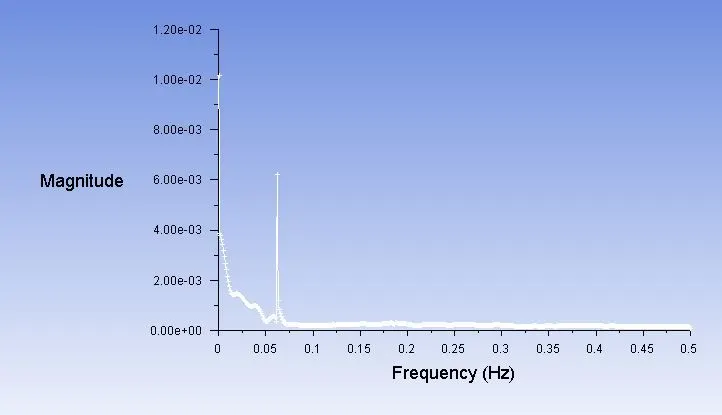
Strouhal number
Struhal number is a dimensionless number describing oscilating flow mechanisms. The Strouhal number is often given as
St=`(fL)/U`
Where f= frequency of vortex shedding
L= charecteristic length
U=flow velocity
Procedure
1) Geometry
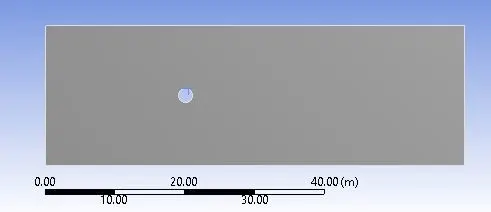
Geometry is created with the circle diameter D=2m. Boundary is created 10D away from the center of the circle on the lefi side named as inlet and outlet is created 20D away from thhe center of the circle on the righ side. symmetry boundary is created at the distance 10D above and below the circle. And circle is named as wall.
2) Meshing
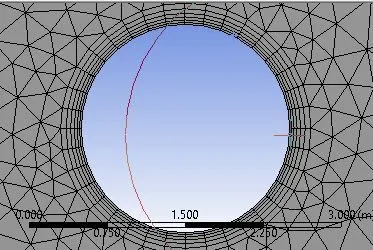
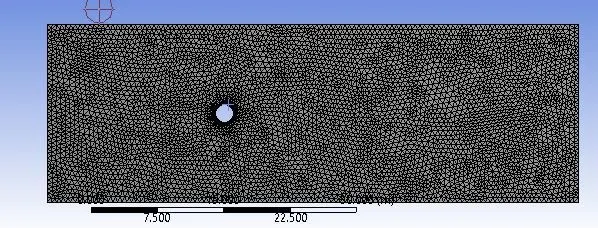
- Triangular method is used foe meshing
- The element size of mesh is 0.5
- 36 'number of division ' is created around the circle in Edge sizing
- Infaltion is used around the circle with the first layer thickness 0.12 and wih the number of layer 6
3)Case Setup
a) Case-1 , Re=100
Solver type- Pressure Based
Velocity Formulation- Absolute
Time-Steady
Viscous Model- Laminar
Material -Fluid Type- Air_Usr defined
Where Viscosity-0.02kg m s
Density-1kg/m^3
Cell Zone -fff_surface
Fluid Type- Air_usr defined
Boundaries-
Inlet(velocity inlet)-Velocity Magnitude-1m/s
Temperature- Standard
Outlet-Presssure Based
Gauge Pressure-0pas
Wall- walL
Symmetry-Symmetry
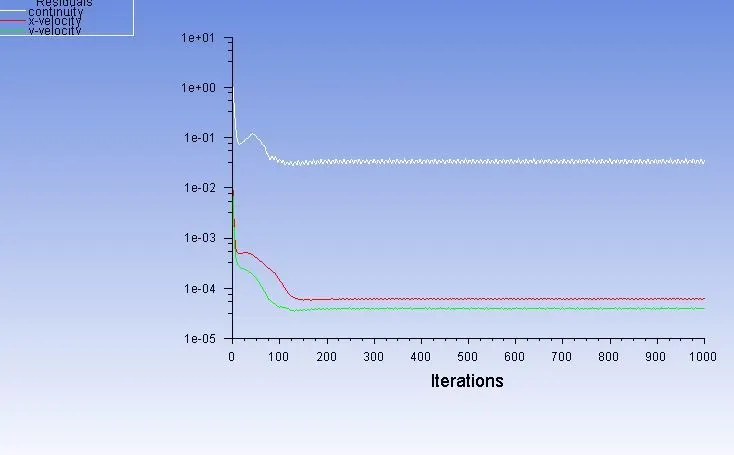
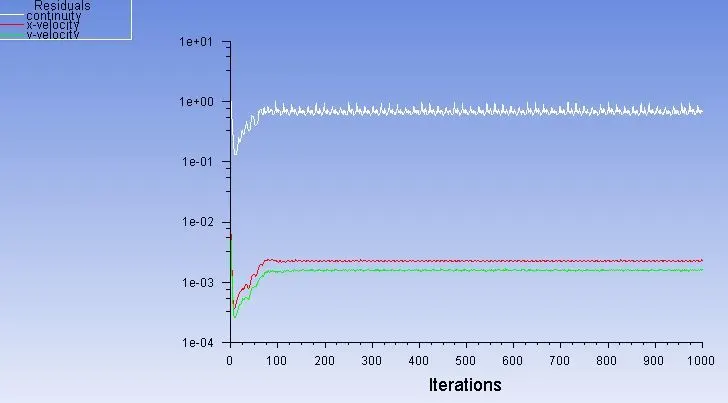
Reciduals
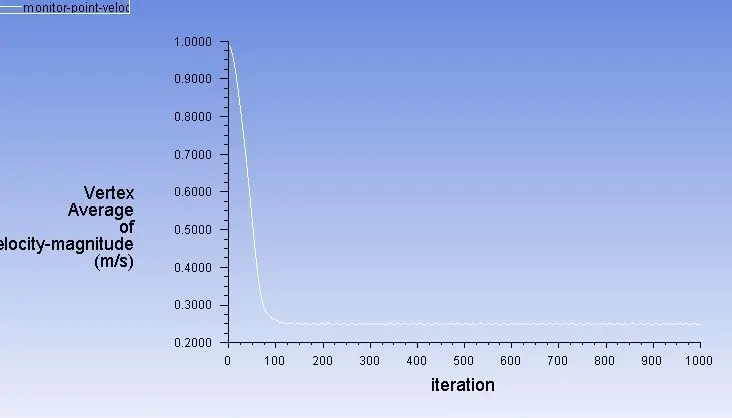
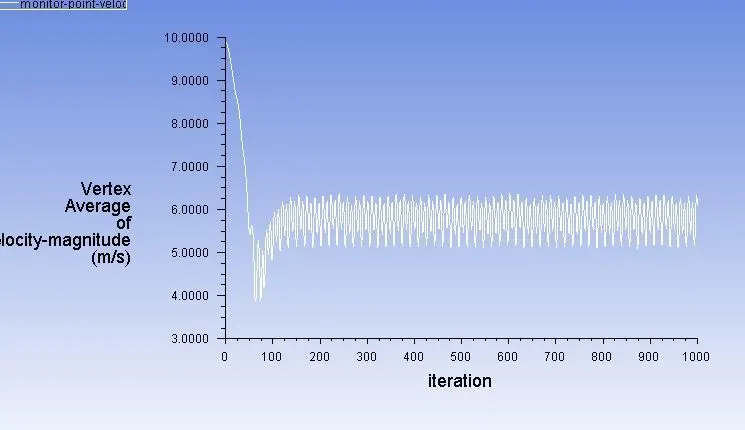
Vortex Average of Velocity Magnitude
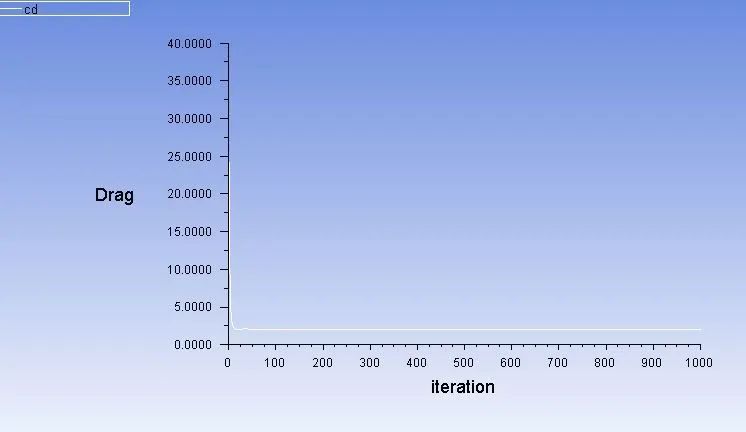
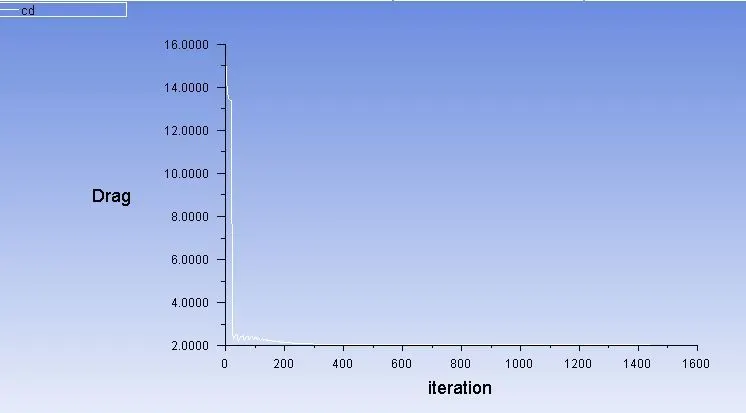
Coeffecient of Drag Plot
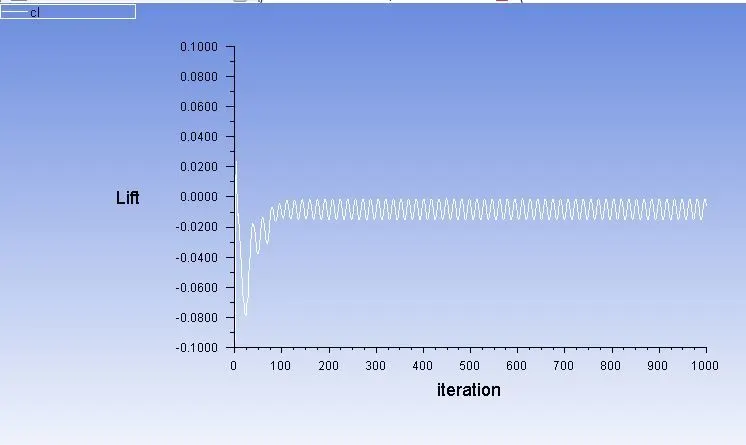
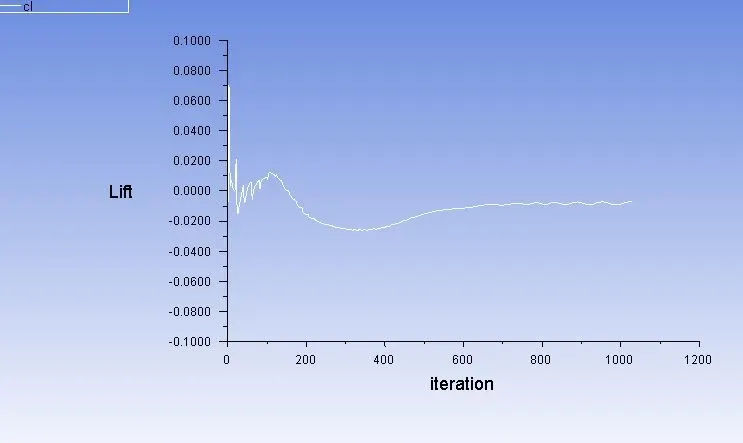
Coeffecient of lift Plot
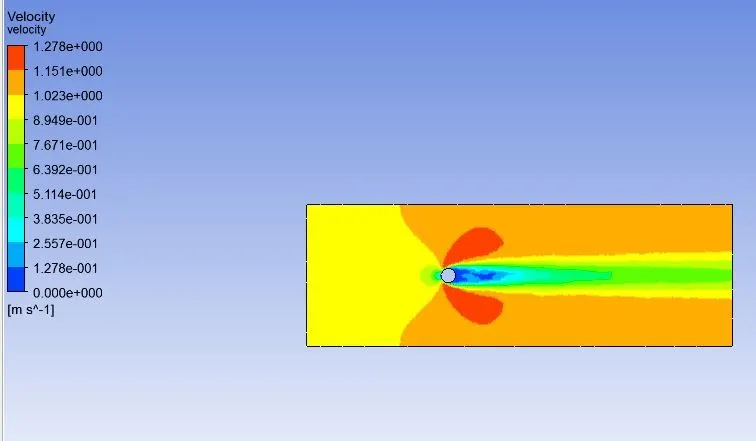
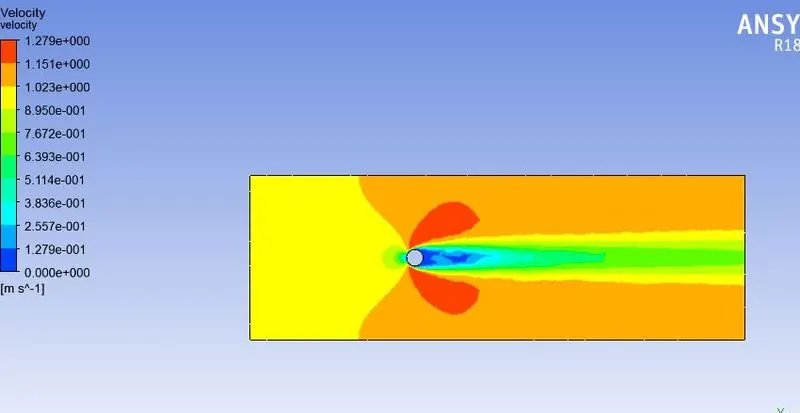
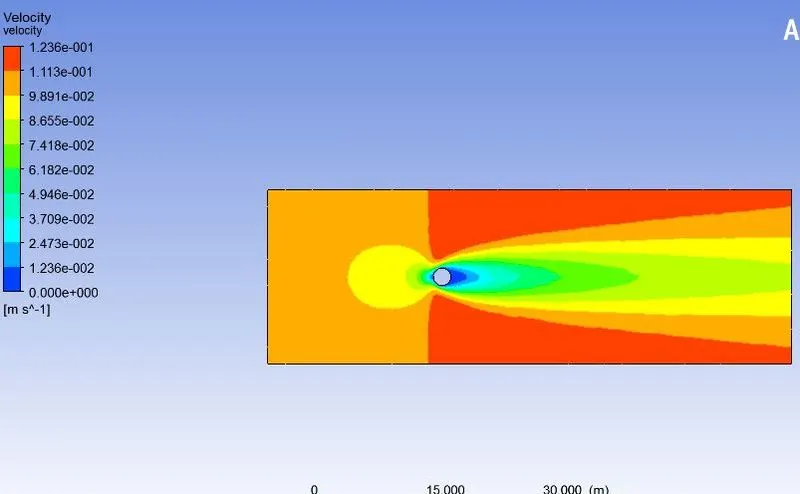
Velocity Contour Plot
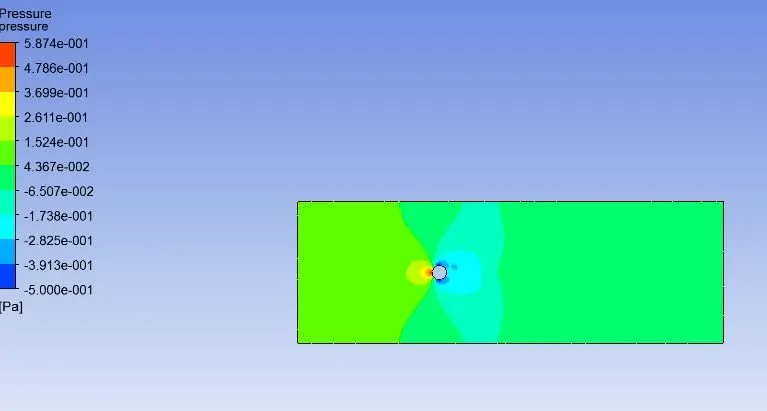
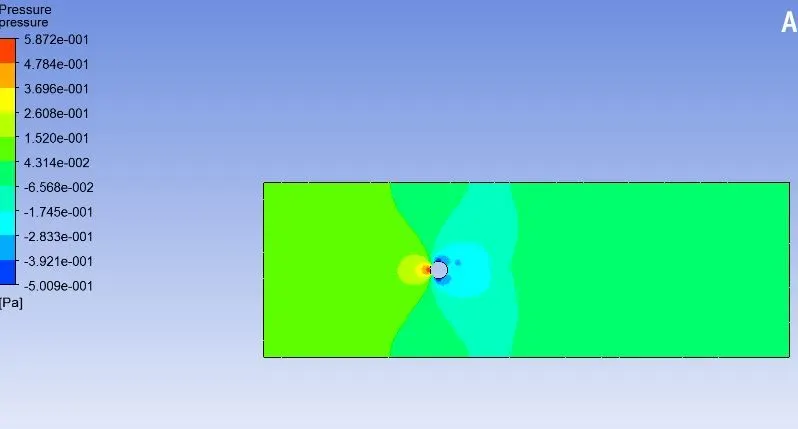
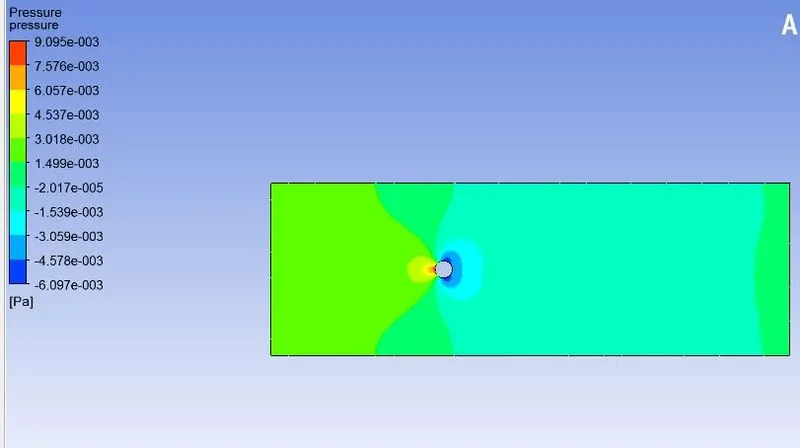
Pressure Contour Plot
Strouhal Number
b) Unsteady state
Case set up is repeated except time set up, and it has to be changed to transient.
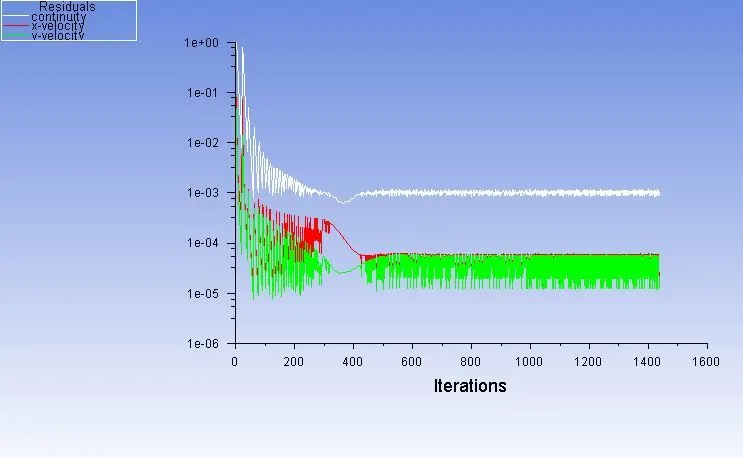
Recidual Plot
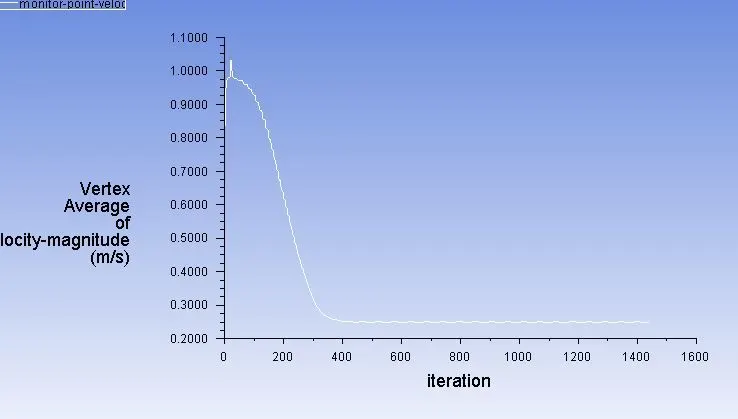
Vortex Average of Velocity Magnitude
Coeffecientof Drag Plot
Coeffecint of lift plot
Velocity contour
Pressure contour
Case 2
when Re=10
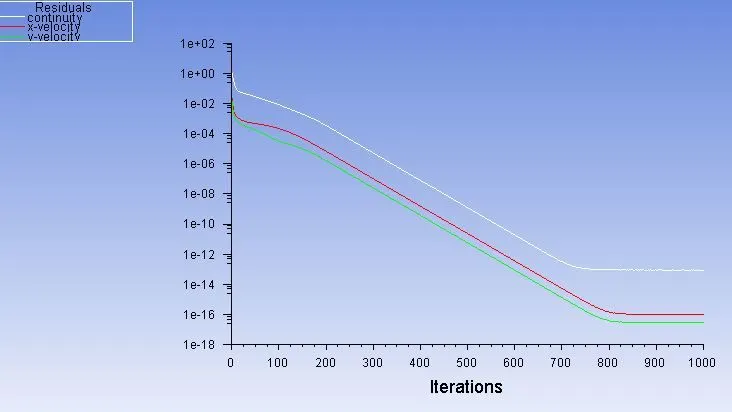
Recidual Plot
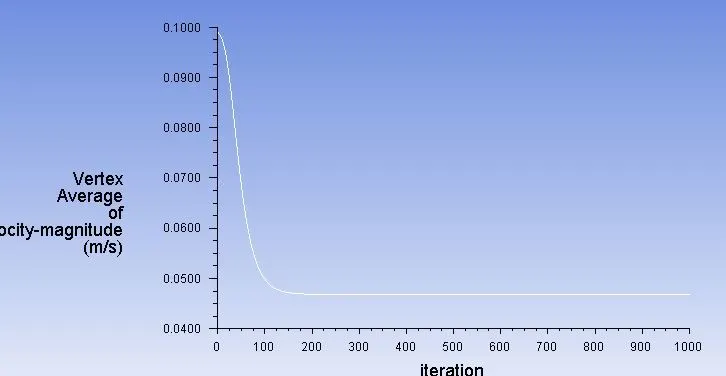
Vortex Average Velocity
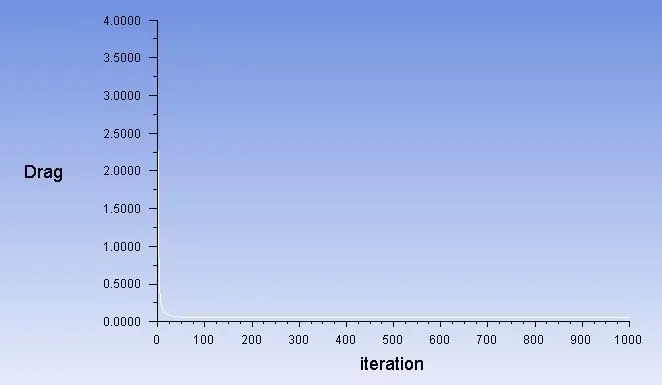
Cd Plot
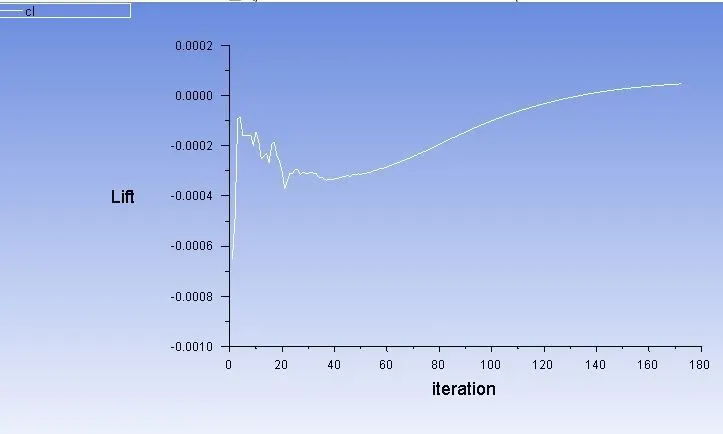
Cl Plot
Velocity Contour
Pressure Contour
when Re-1000
Recidual plot
Vortex Average velocity
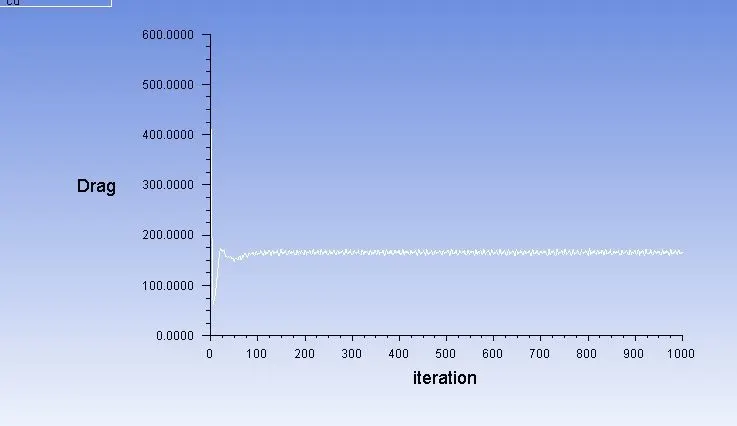
cd plot
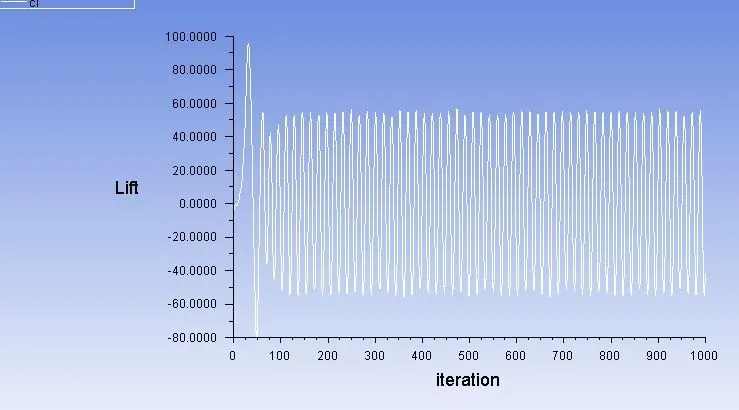
cl Plot
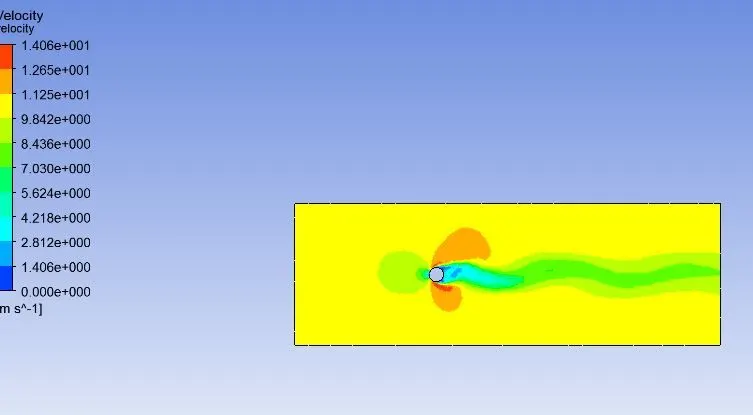
Velocity Contour
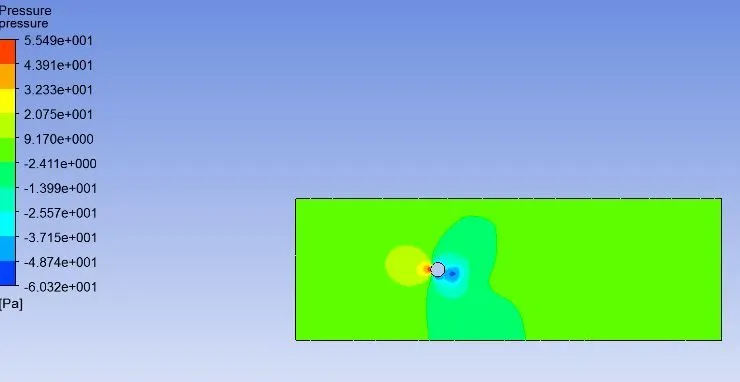
Pressure Contour
When RE=10000
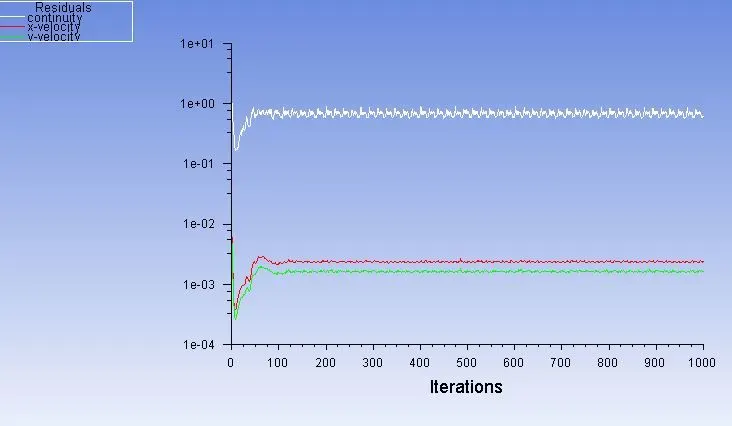
Recidual Plot
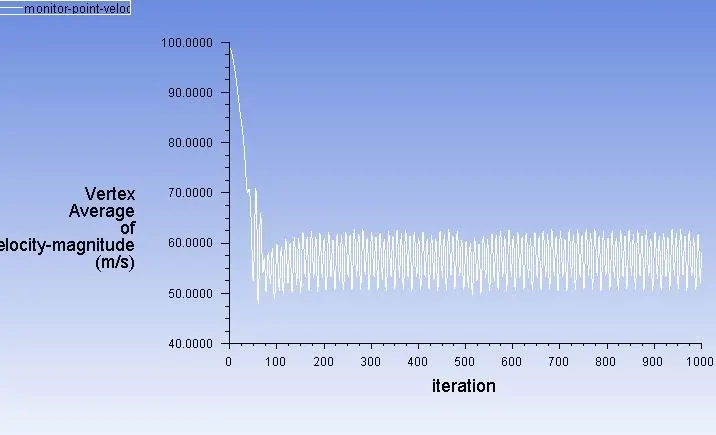
Vortex Average Velocity
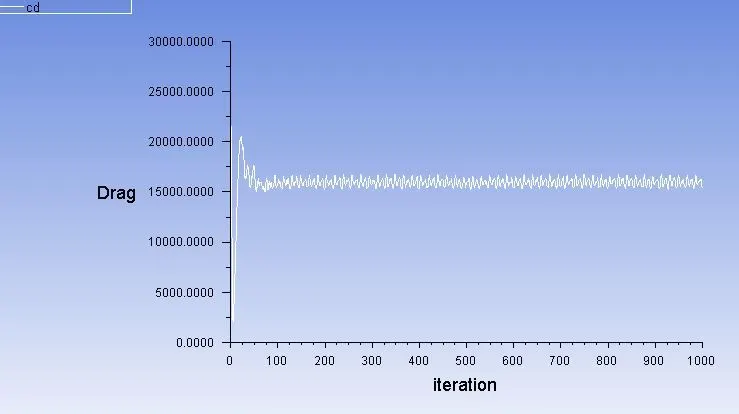
cd Plot
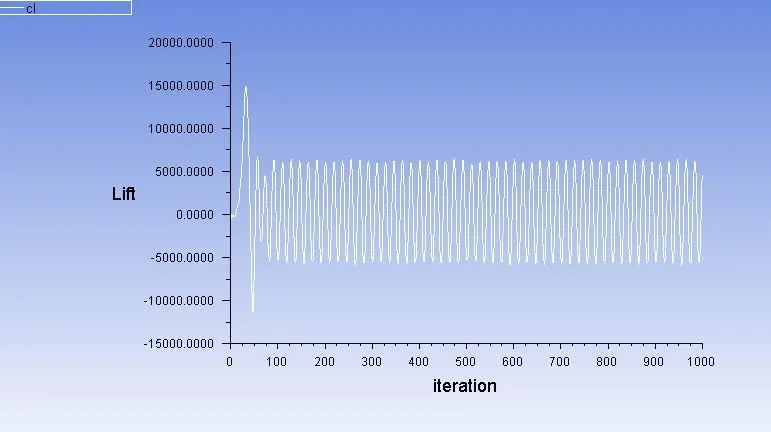
cl Plot
Velocity Contour
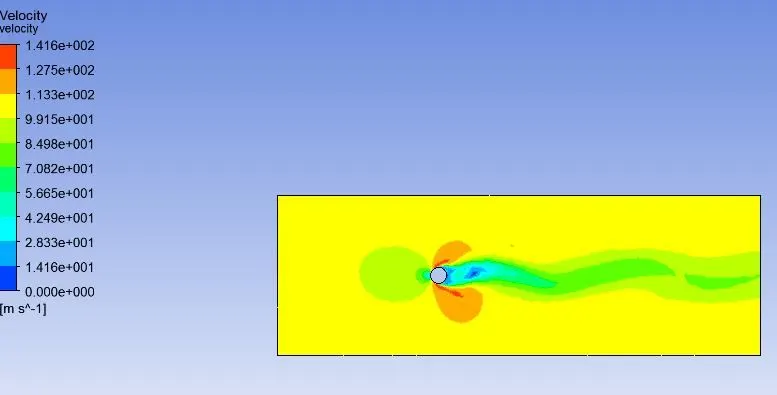
Pressure Contour
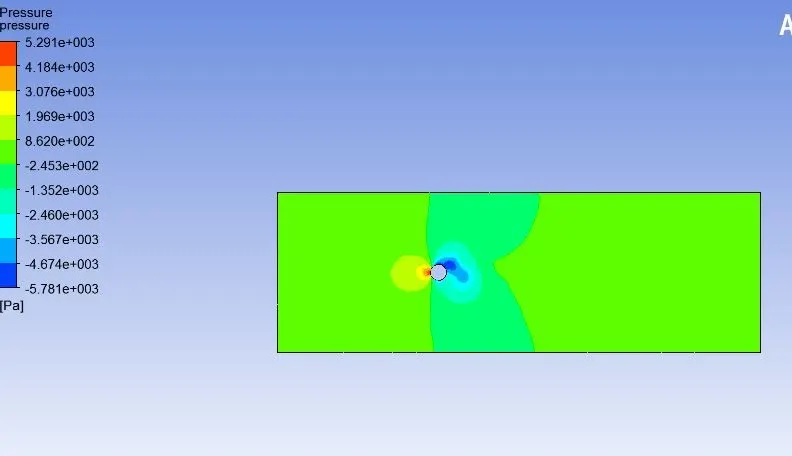
when Re=100000
Recidual Plot
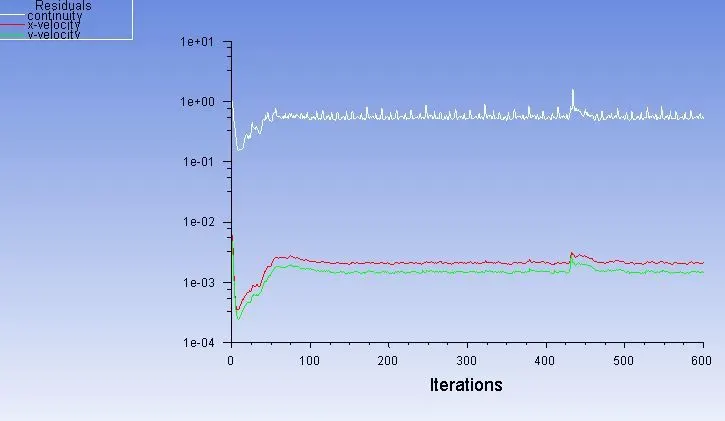
Average Vortex Velocity
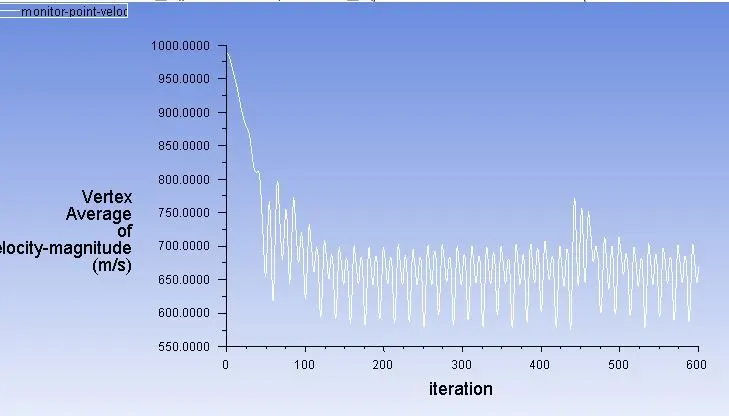
Cd plot
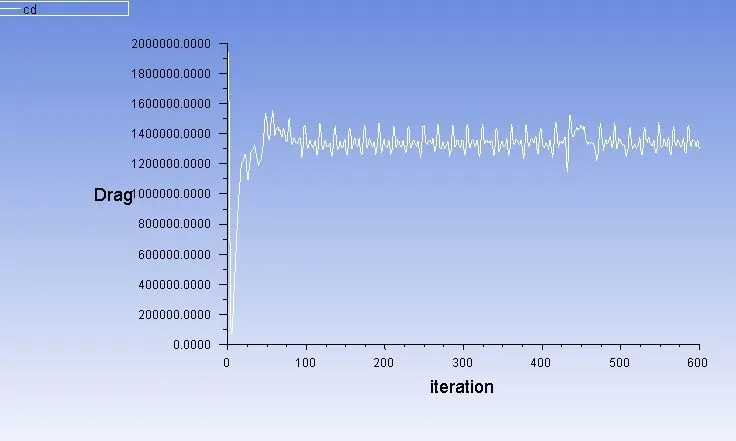
Cl Plot
Velocity Contour
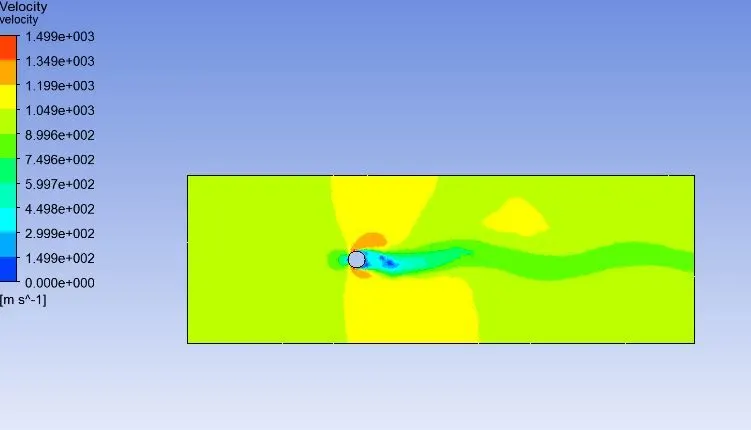
Pressure Contour
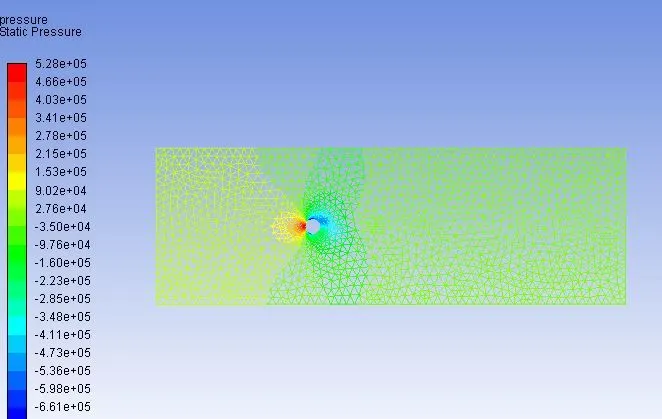
Conclusion
- As the reynolds number increases , the floe become unsteady ,periodic change in the floe pattern forming vortex shedding in the wake region of cylinder. From the above results ,we observes that at lower RE =10 , There is no formation of vortices but when the reynolds number goes on incresing like 100,1000, 10000 and 100000 there is formation vortex shedding takes place.
- As the reynolds number increases coeffecient of drag also increses and wake region behind the cylinder is also increasing.
- It can be observe that steady state solver are more time friendly compared to transient