week-11 Joint creation and Demonstration
The aim of this challenge is to create jloint using constraint joint card. four types of joints are demonstarted here
they are
1) revolute joint
2) spherical joint
3) cylindrical joint
4) translational joint
Revolute joint-
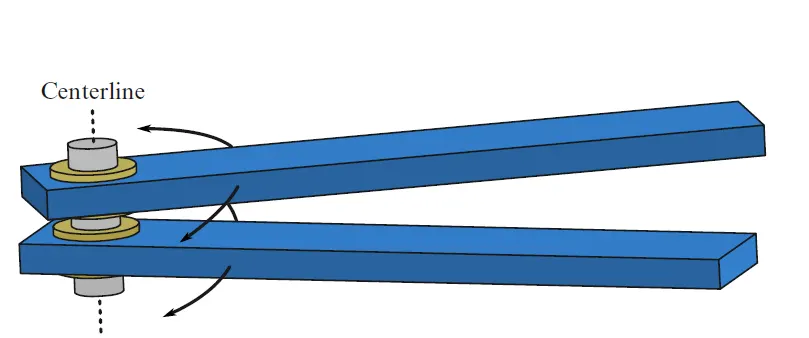
A revolute joint has one-degree-of-freedom , it is used frequently in mechanisms and machines. The joint constrains motion of two bodies to pure rotation along a single axis.
Spherical joint
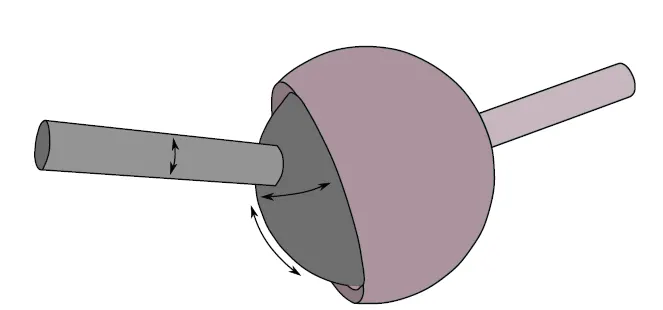
spherical joints uses three rotational degrees of freedom used to describe rotational movements between objects.
Cylindrical joint
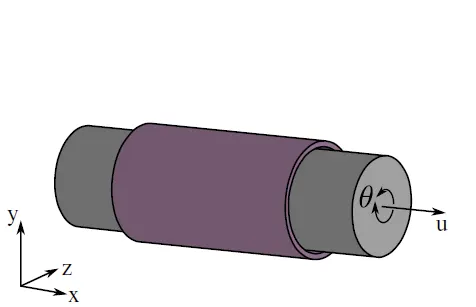
Cylindrical joints provide sliding and rotation along single axis, it is frequently used in mechanisms.
Translational joint-
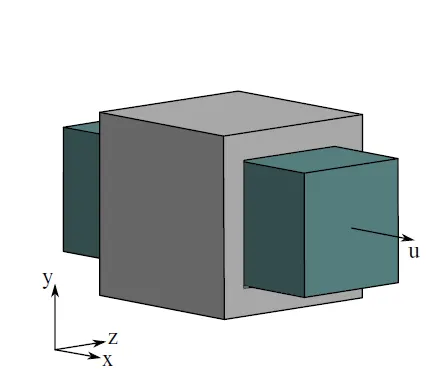
Translational joints only provide sliding motion unlike cylindrical joint, it uses only single DoF.
procedure in LS-DYNA for joint creation-
For every joint model is created using shape mesher by giving co-ordinates, nodes are created using node edit tool. After creation of nodes,they are constrained with Constrained_extranode keycard. After this, section and material are created and assigned. for this challenge Rigid material is used and SECTION_SHELL is created.
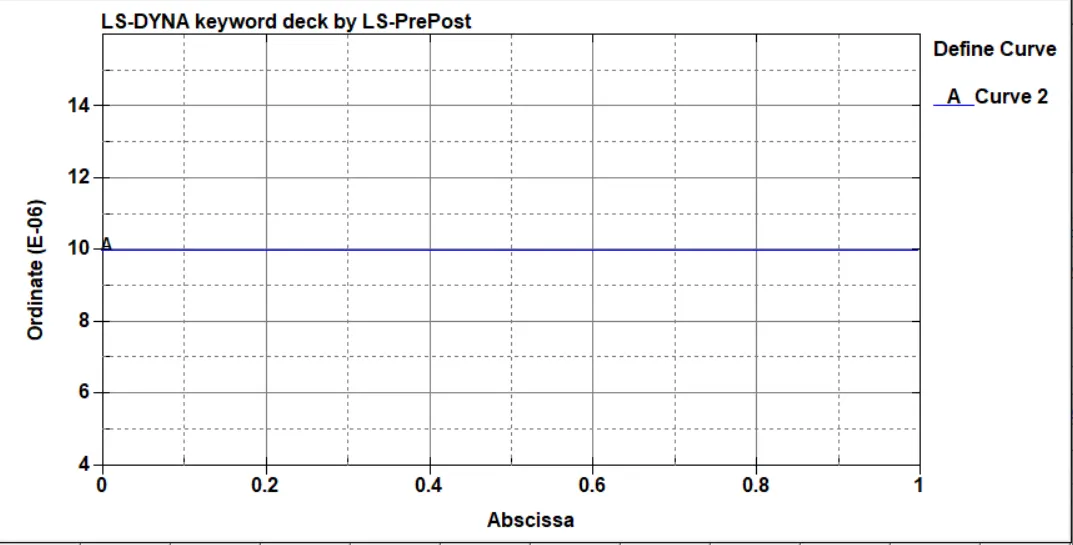
Note- for control timestep same curve is used for all models for dt2ms
AFTER THIS EACH JOINT CREATION IS EXPLAIANED
Revolute joint-
Four nodes are created and made coincident as shown in figure below
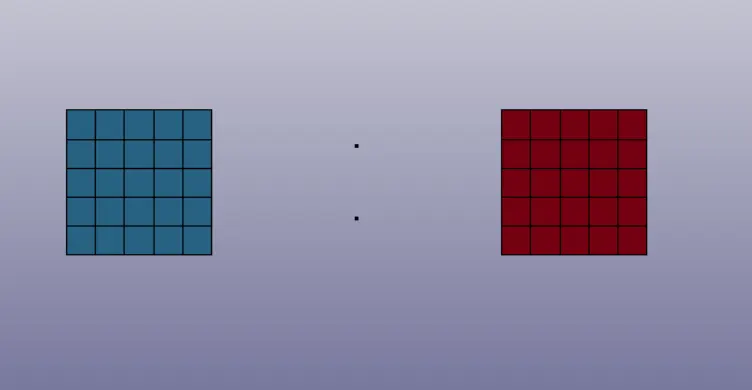
after this joint is assigned using Control_joint_revolute
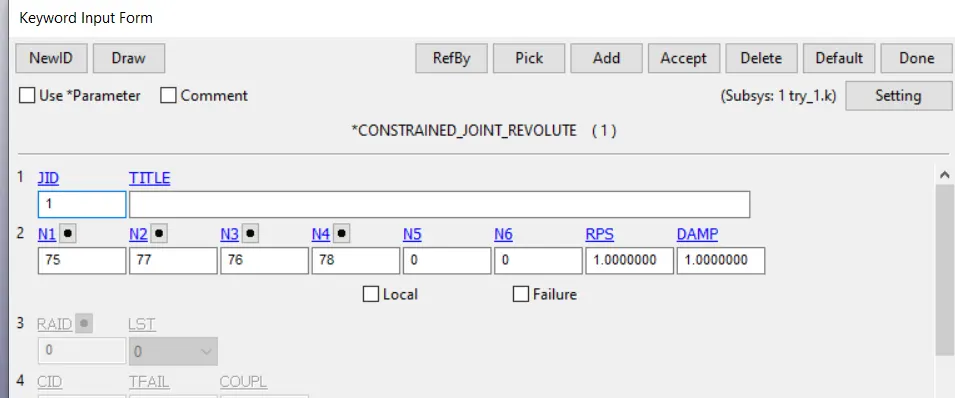
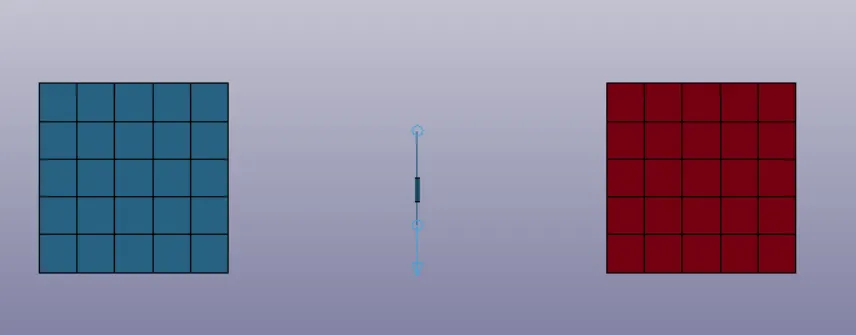
joint is created and Control timestep and boundary conditions are given WRT Joint.
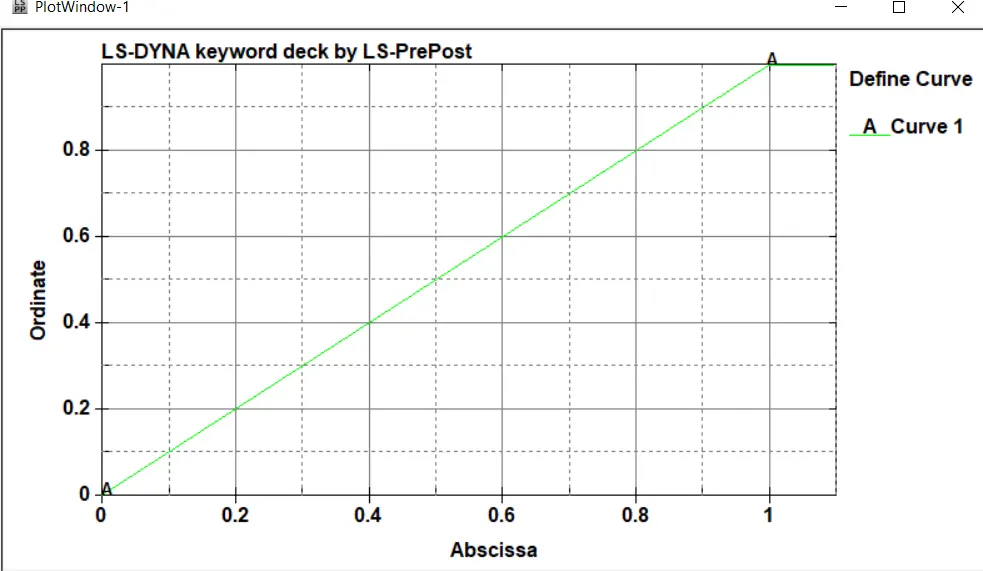
for control timestep and boundary prescribed motion curve is defined
curve for boundary prescribed motion
-
d3 plot is given for 0.1 and Control termination is given for 1
then solved
SPHERICAL JOINT
two nodes are created for spherical joints and made coincident and assigned in Constraint_Joint_spherical.
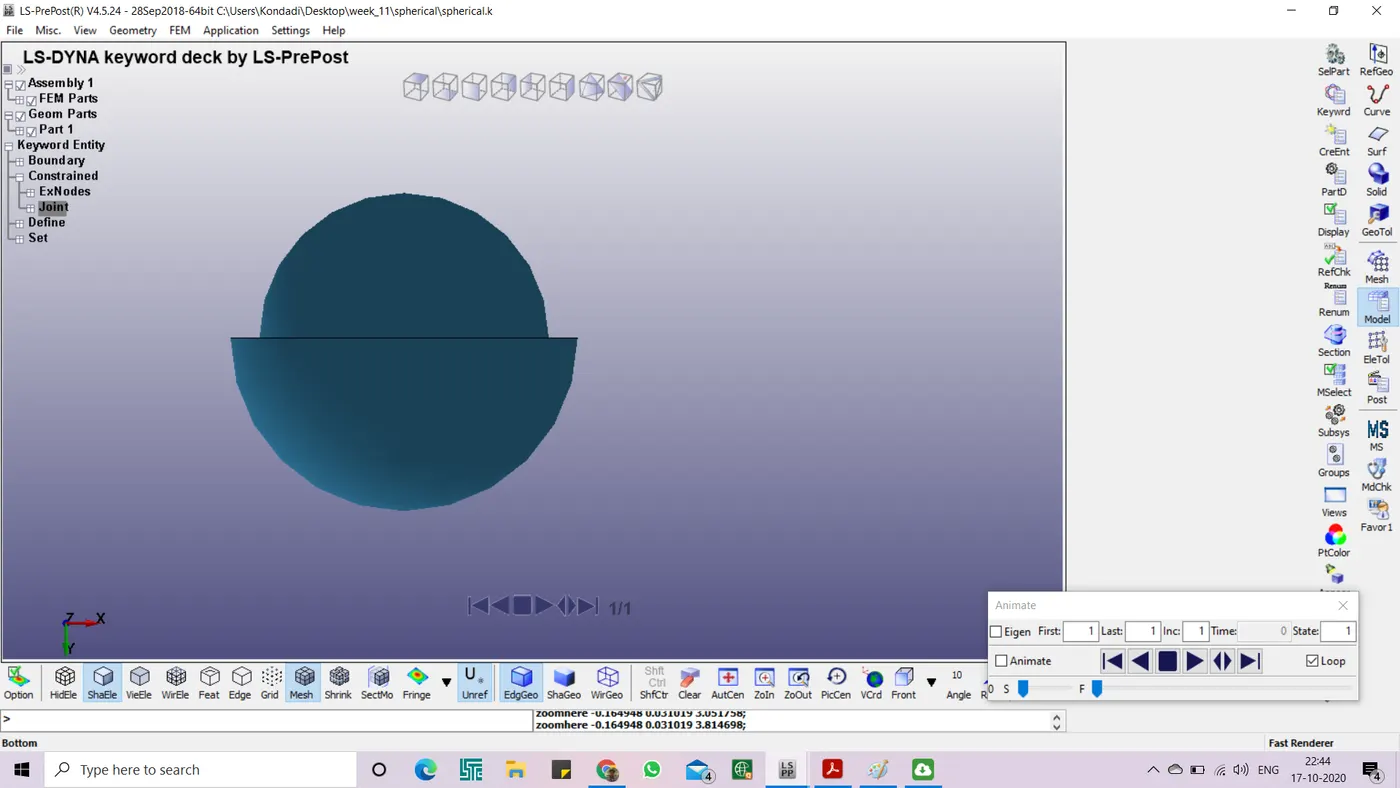
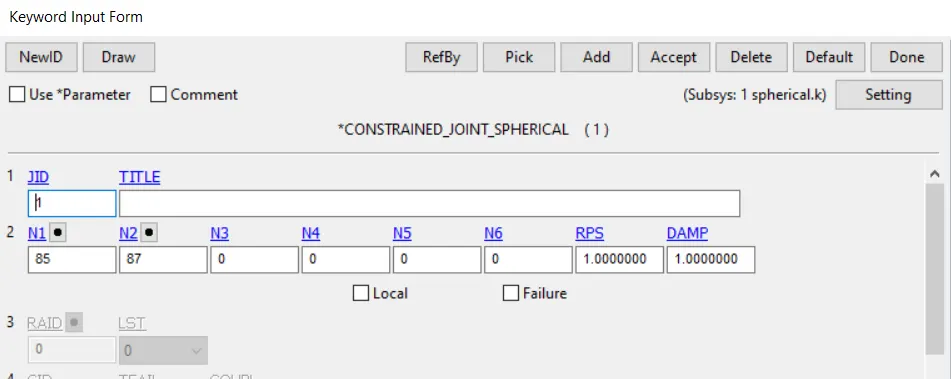
oint is created and Control timestep and boundary conditions are given WRT Joint.
for control timestep and boundary prescribed motion curve is defined
curve for boundary prescribed motion
-
d3 plot is given for 0.1 and Control termination is given for 1
then solved
Cylindrical joints-
Four nodes are created and made coincident as shown in figure below
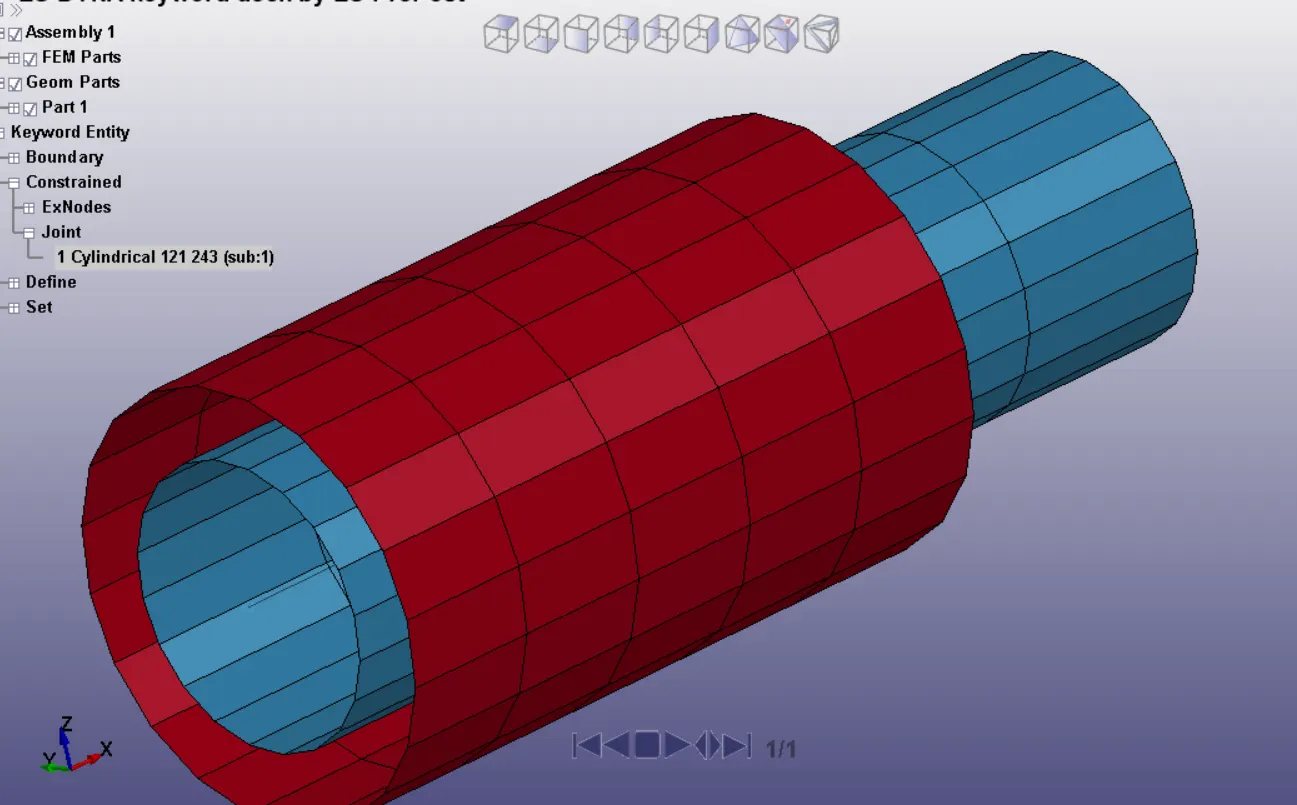
after this joint is assigned using Control_joint_cylindrical
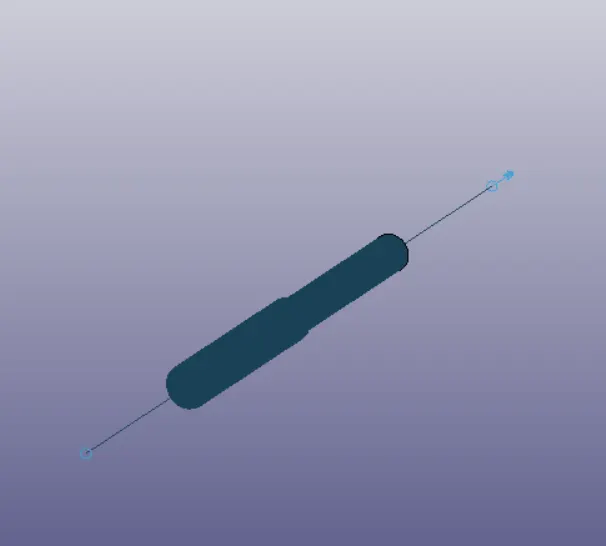
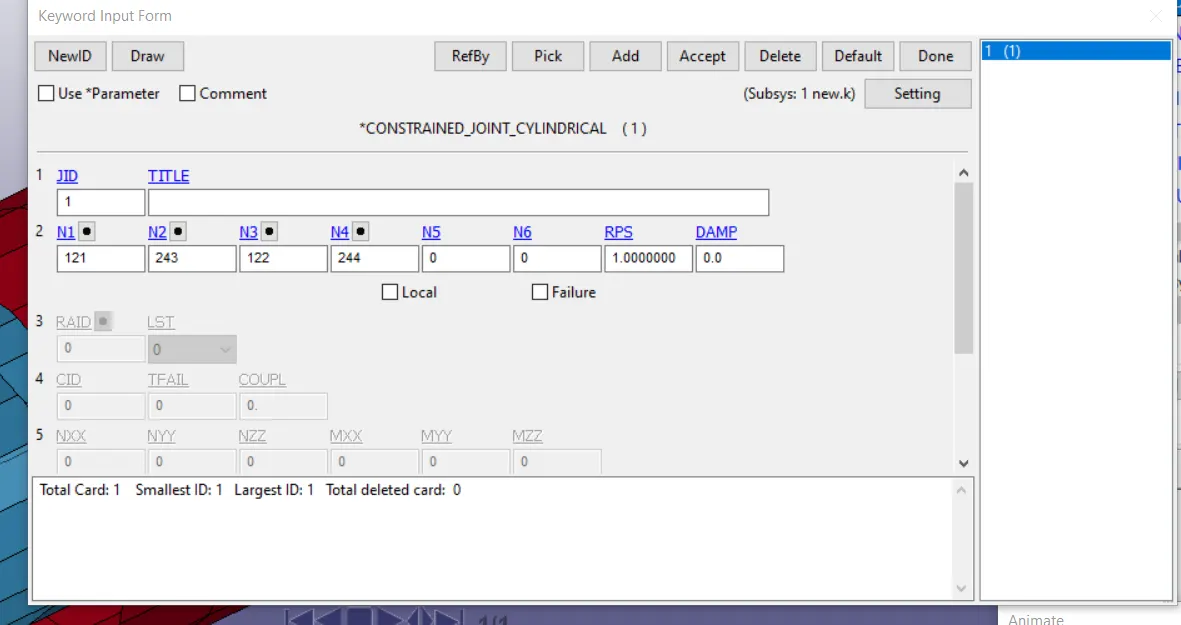
joint is created and Control timestep and boundary conditions are given WRT Joint.
for control timestep and boundary prescribed motion curve is defined
curve for boundary prescribed motion
-
d3 plot is given for 0.1 and Control termination is given for 1
then solved
Translational joint-
for translational joint, i had used same model as cylindrical and six nodes were created and and assigned for two bodies equally and they are made coincident ass shown in figure below
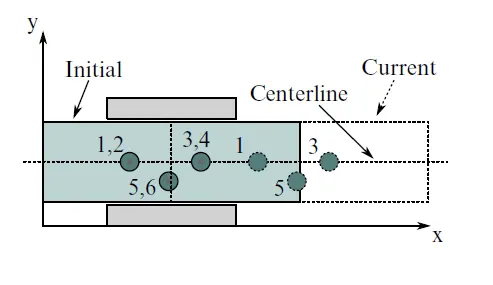
after this joint is assigned using Control_joint_translational
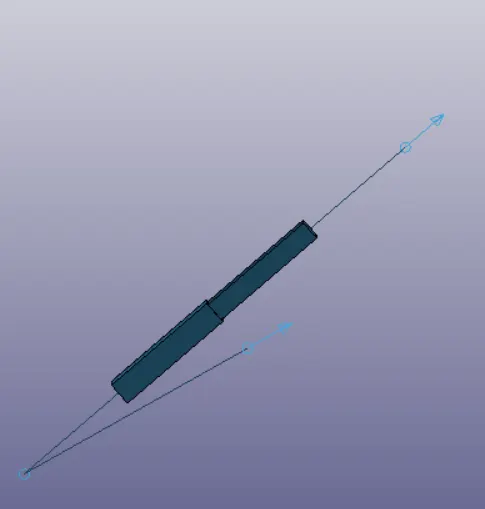
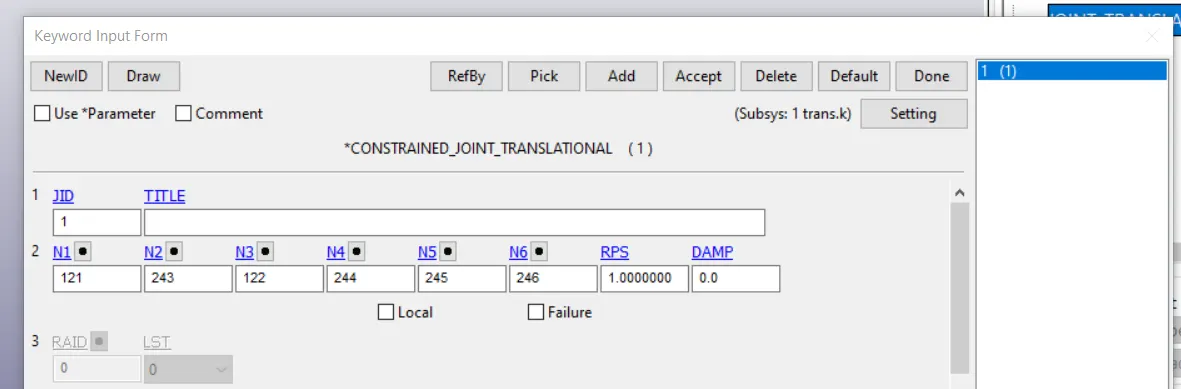
joint is created and Control timestep and boundary conditions are given WRT Joint.
for control timestep and boundary prescribed motion curve is defined
curve for boundary prescribed motion
-
d3 plot is given for 0.1 and Control termination is given for 1
then solved
solutions for all joints-
Revolute joint-
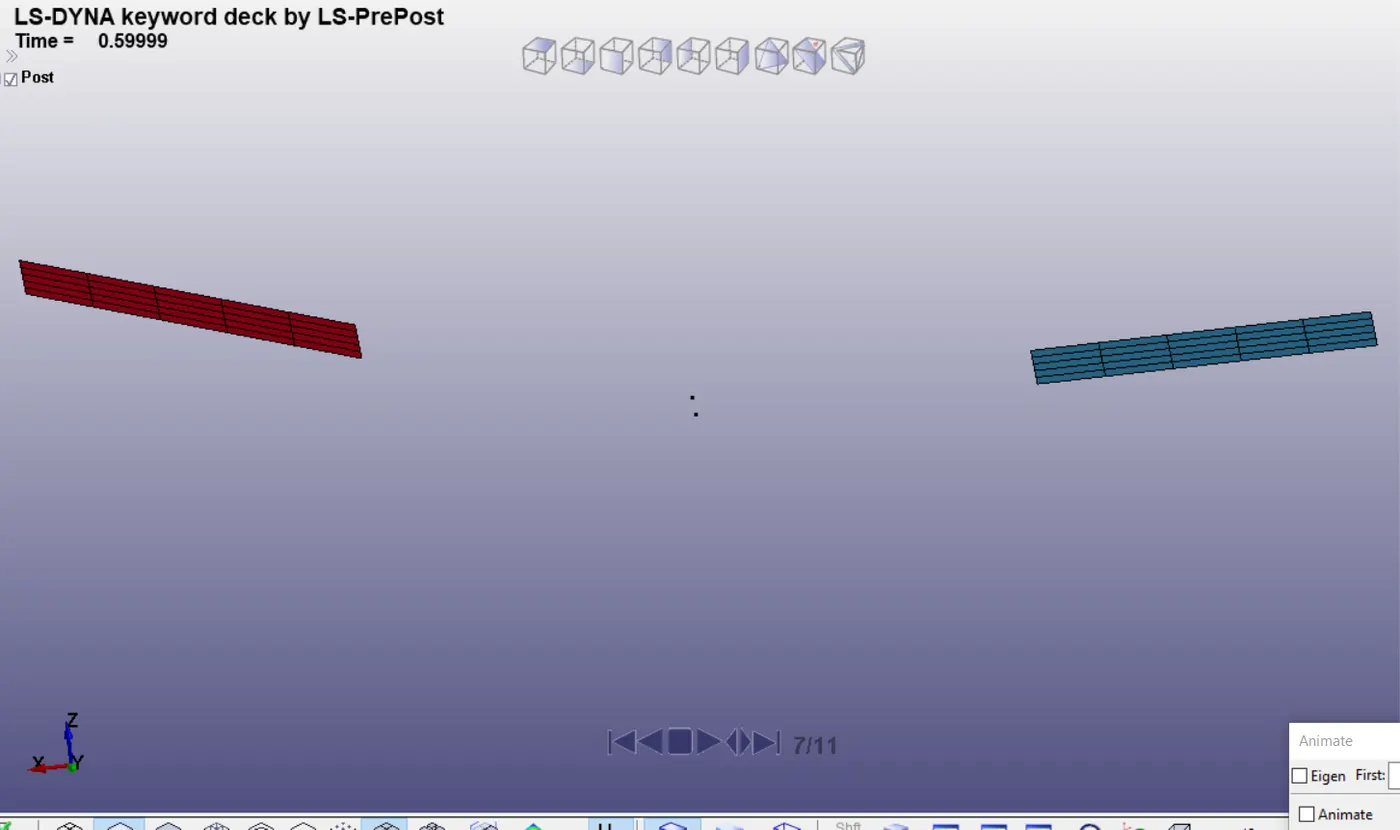
Spherical joint-
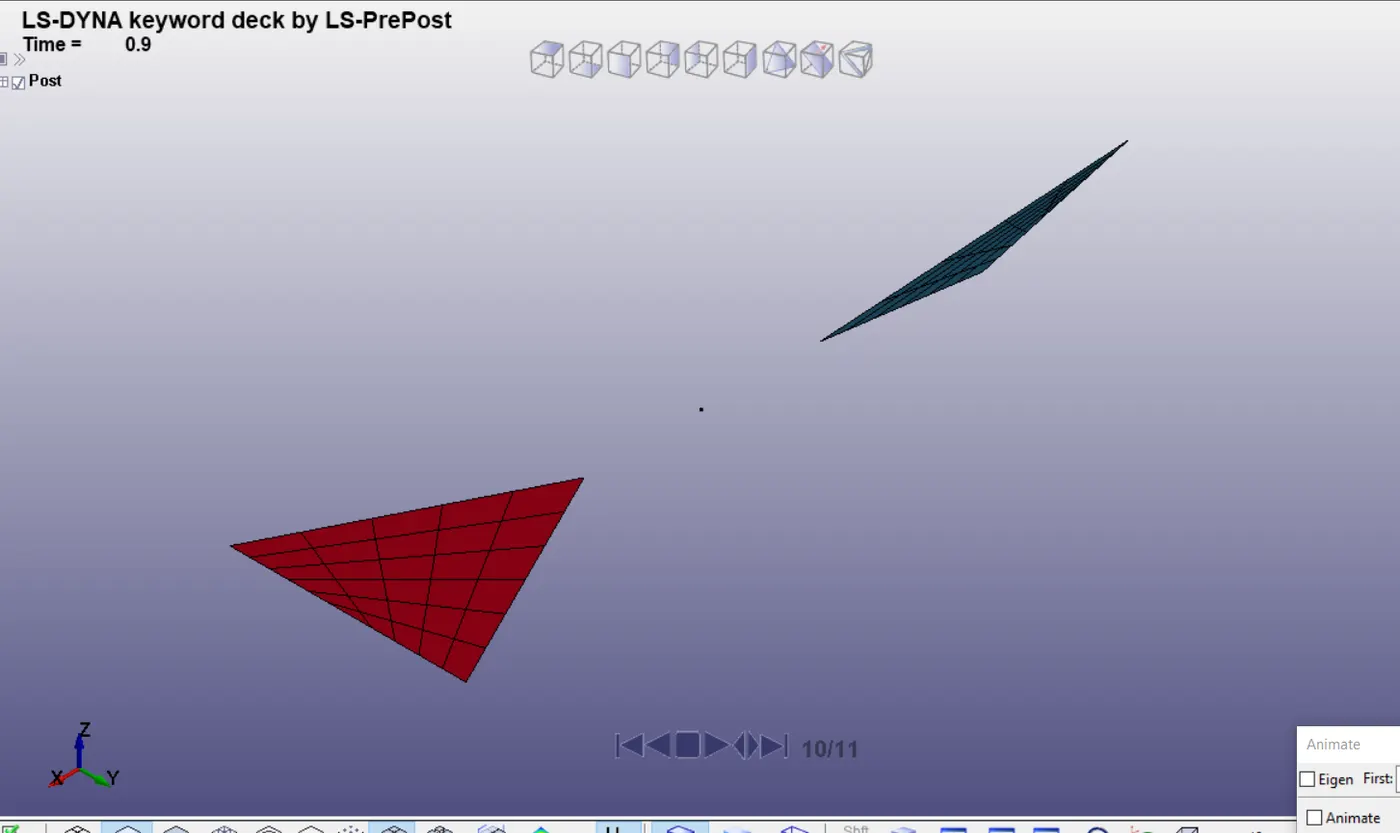
cylindrical -
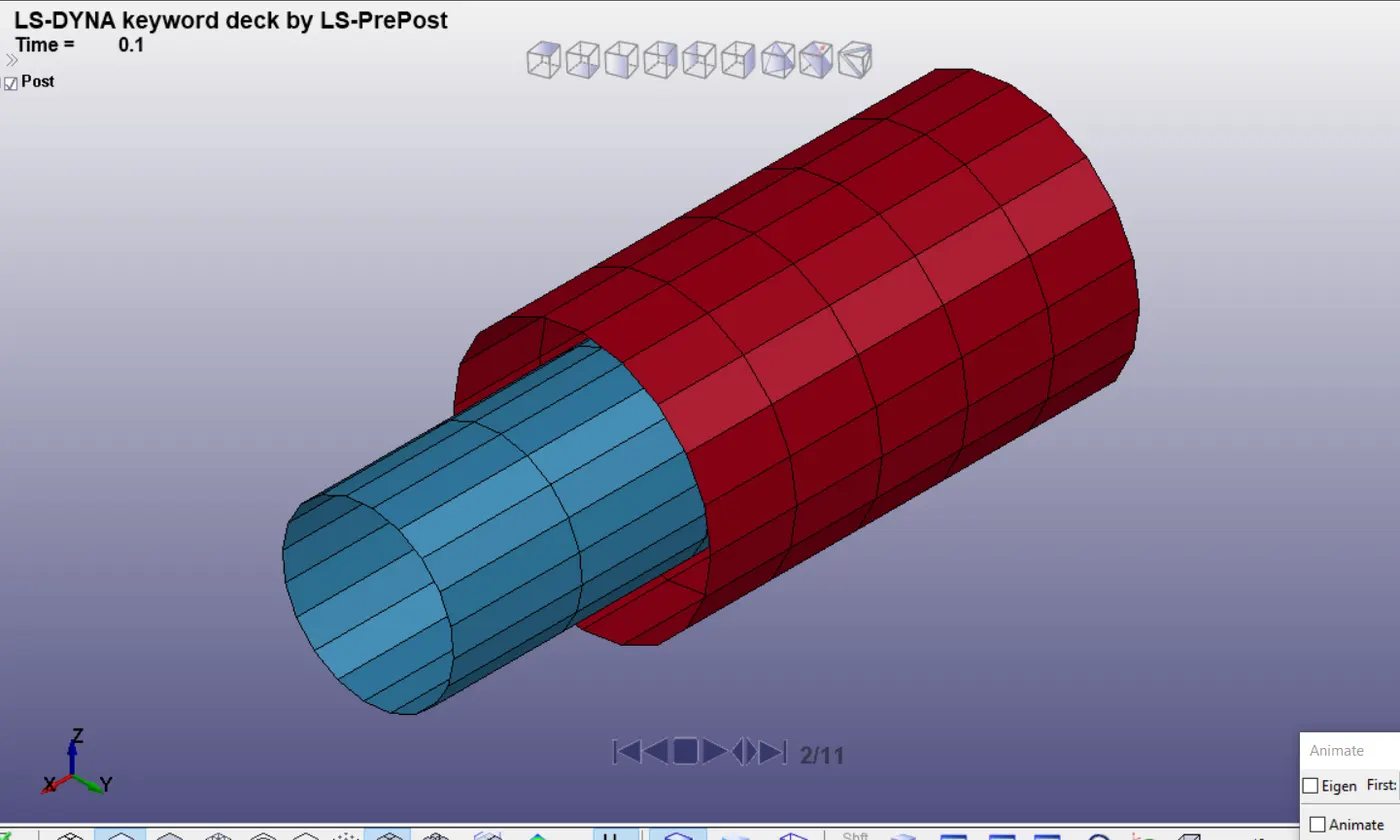
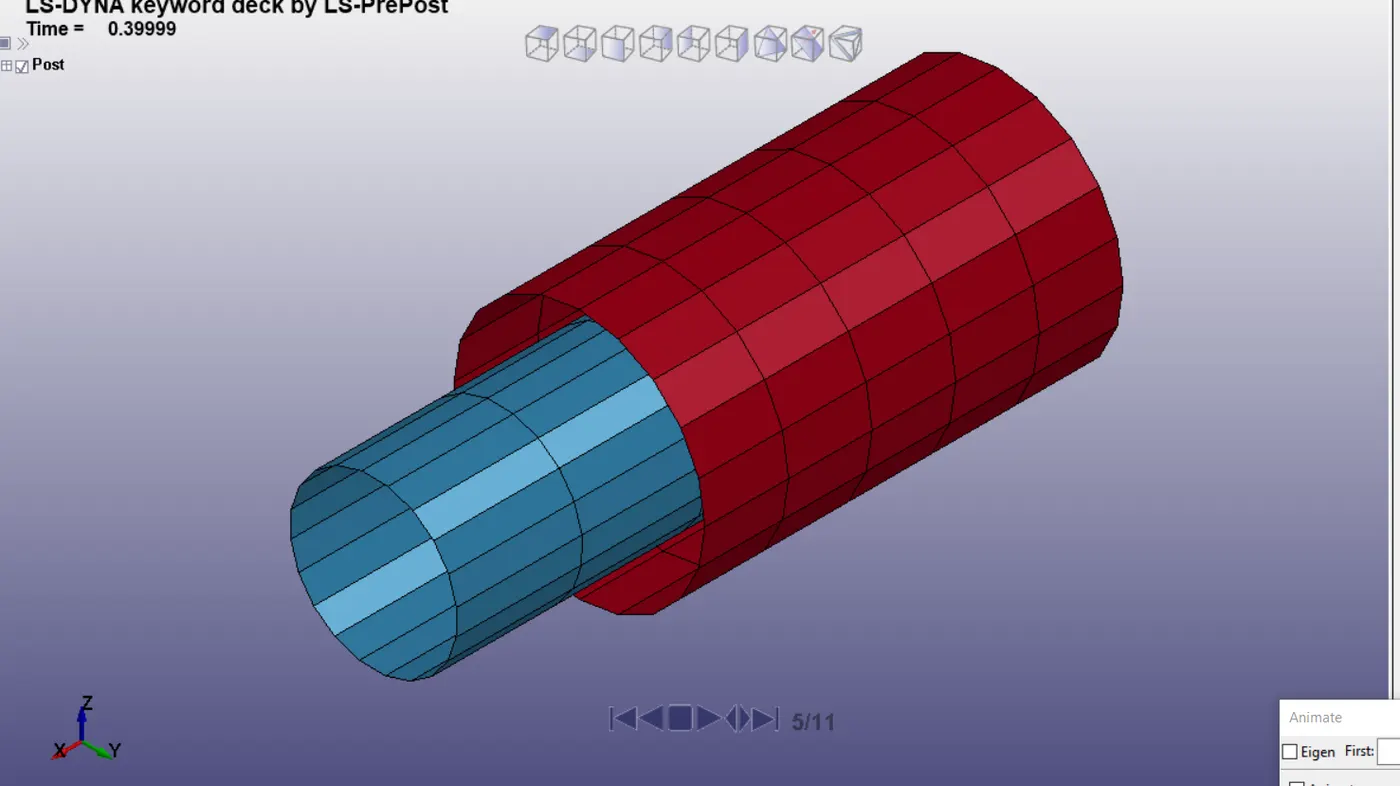
Translational joint
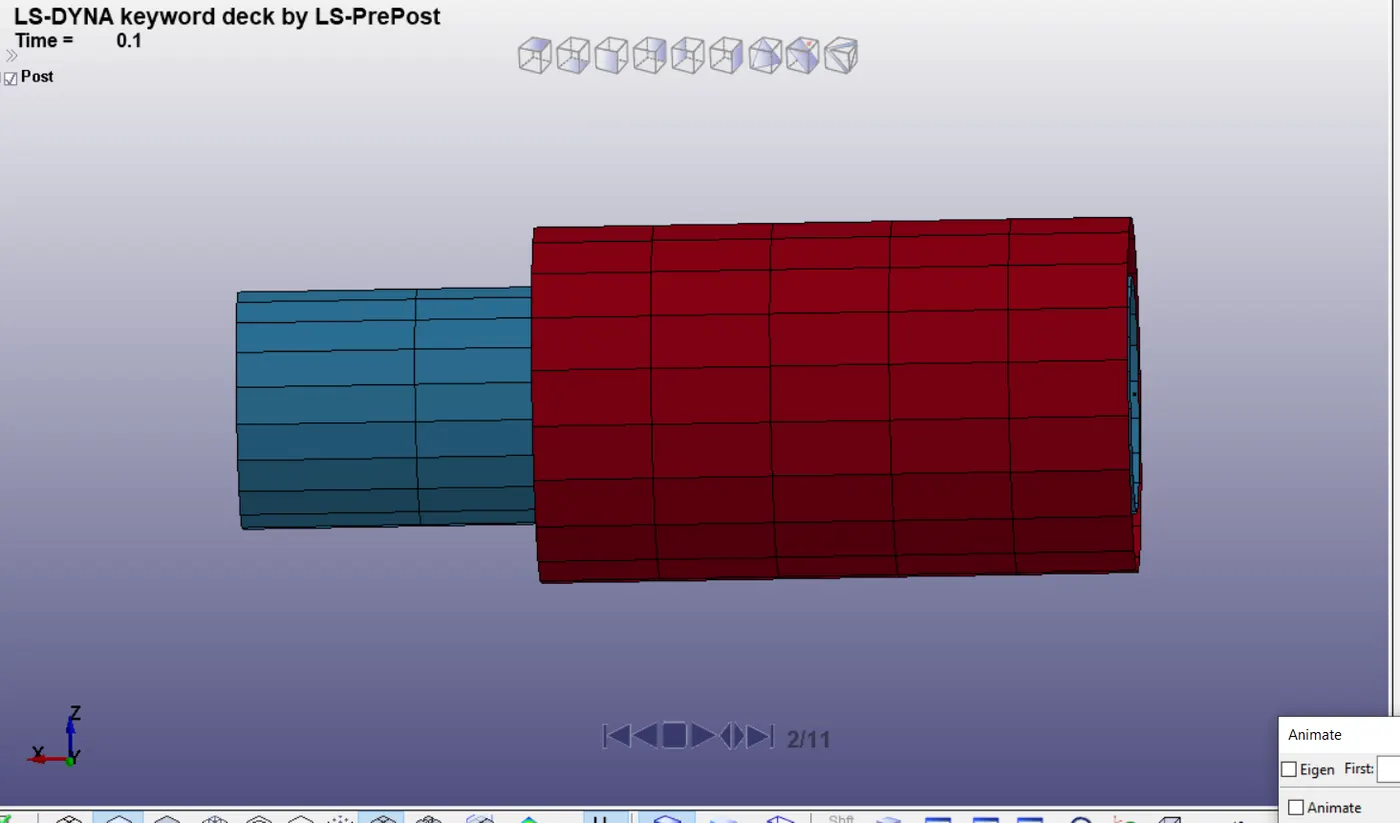
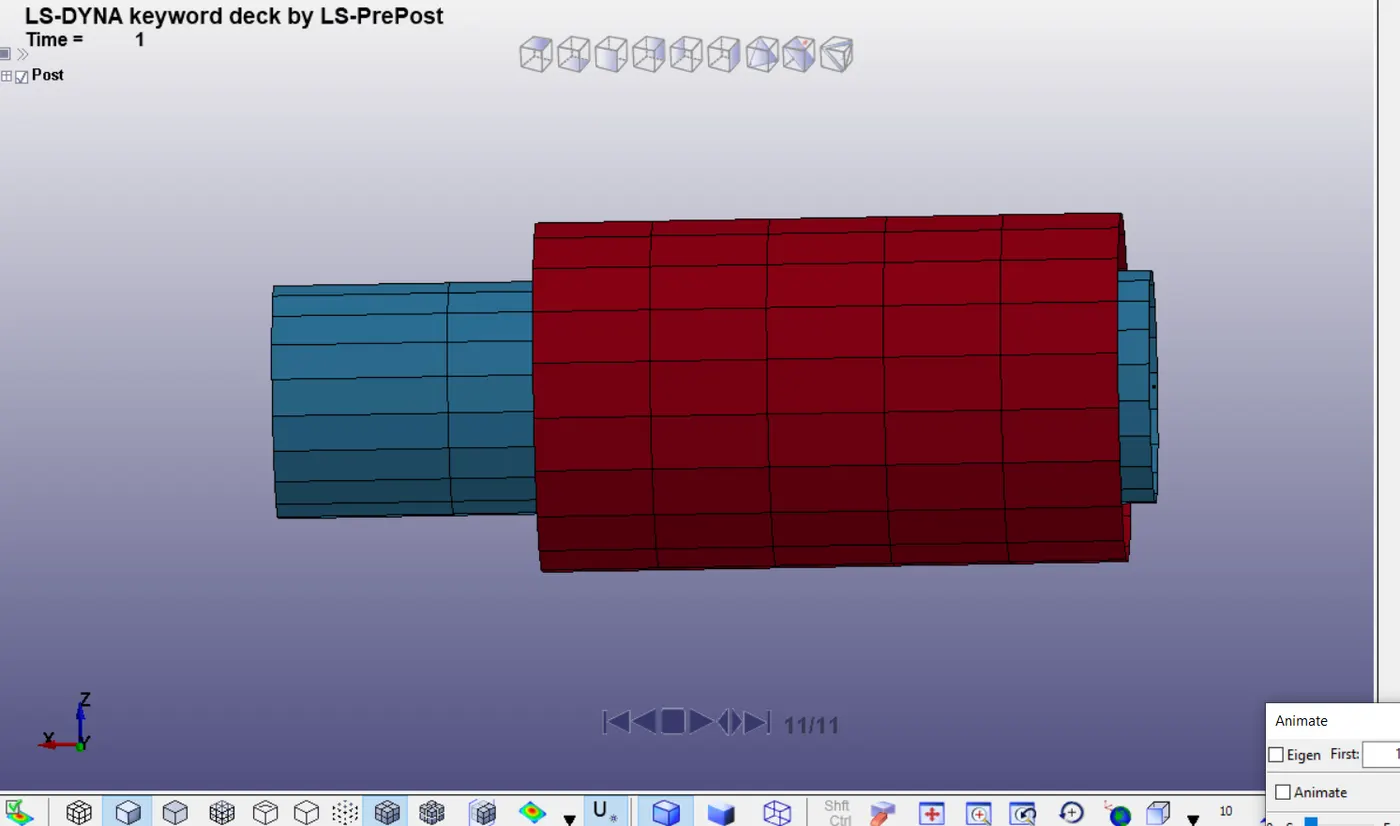
Conclusion -
all joints are created using ls dyna and animated
for some joints, i couldn't show rotation so I'm adding all d3 plots and keyword files.