Week-11 Challenge: Braking
1.For a defined driving cycle, calculate the energy required for braking.
Definition :-
A driving cycle is a series of data points representing the speed of a vehicle versus time.Driving cycles are produced by different countries and organizations to assess the performance of vehicles in various ways, as for instance fuel consumption, electric vehicle autonomy and polluting emissions.
Fuel consumption and emission tests are performed on chassis dynamometers. Tailpipe emissions are collected and measured to indicate the performance of the vehicle.
Another use for driving cycles is in vehicle simulations. More specifically, they are used in propulsion system simulations to predict performance of internal combustion engines, transmissions, electric drive systems, batteries, fuel cell systems, and similar components.
Some driving cycles are derived theoretically, as it is preferred in the European Union, whereas others are direct measurements of a driving pattern deemed representative.
There are two types of driving cycles:
- Transient driving cycles involve many changes, representing the constant speed changes typical of on-road driving.
- Modal driving cycles involve protracted periods at constant speeds.
NEDC drive cycle :-
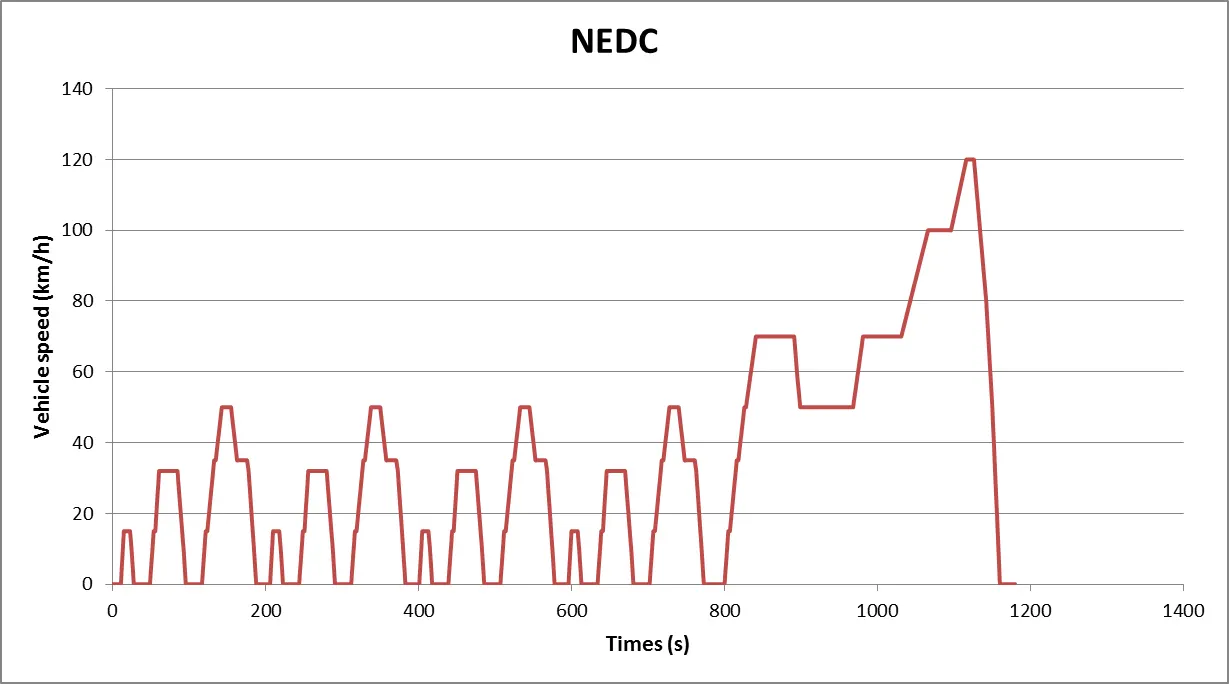
The New European Driving Cycle (NEDC) is a driving cycle, last updated in 1997, designed to assess the emission levels of car engines and fuel economy in passenger cars (which excludes light trucks and commercial vehicles). It is also referred to as MVEG cycle (Motor Vehicle Emissions Group).
The NEDC, which is supposed to represent the typical usage of a car in Europe, is repeatedly criticised for delivering economy-figures which are unachievable in reality. It consists of four repeated ECE-15 urban driving cycles (UDC) and one Extra-Urban driving cycle (EUDC).
Graph :-
Calcualtion :-
Breaking energy is the kinetic energy is unit of joule (j)
m = Total mass of the vehicle
v = (initial velocity - final velocity) in m/s
for example braking initial speed is 20 final speed is 10 mass is 600 kg
formula :-
Breaking energy = (1/2) *600*(20-10)^2 = 30000j = 30kj
Breaking energy = 30kj
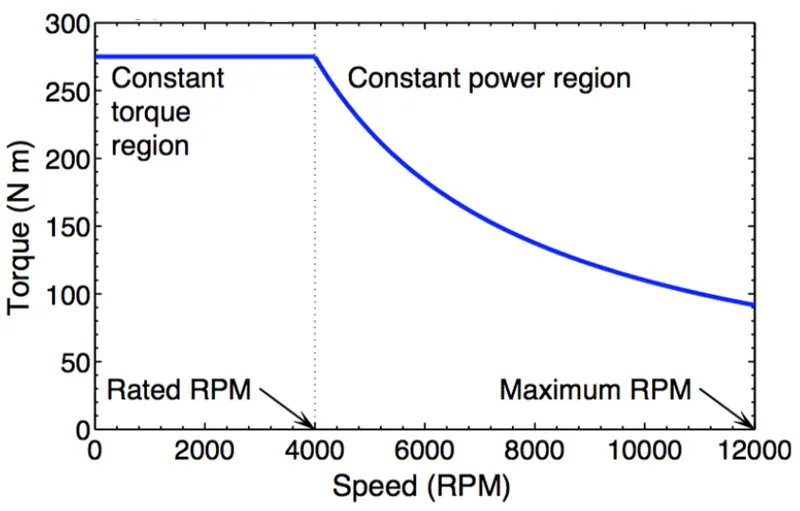
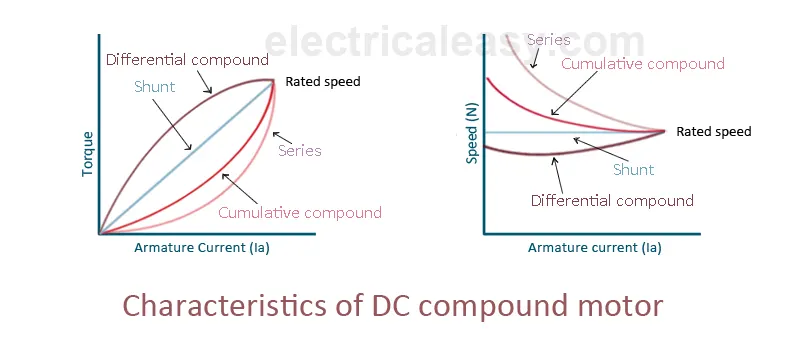
2.Why electric motor can’t develop braking torque at high speed similar to starting? How electric and mechanical brakes are coordinated?
Electrical Braking :-
Is usually employed in applications to stop a unit driven by motors in an exact position or to have the speed of the driven unit suitably controlled during its deceleration. Electrical braking is used in applications where frequent, quick, accurate or emergency stops are required.
Electrical Braking allows smooth stops without any inconvenience to passengers.
When a loaded hoist is lowered, electric braking keeps the speed within safe limits. Otherwise, the machine or drive speed will reach dangerous values.
When a train goes down a steep gradient, electric braking is employed to hold the train speed within the prescribed safe limits. Electrical Braking is more commonly used where active loads are applicable. In spite of electric braking, the braking force can also be obtained by using mechanical brakes.
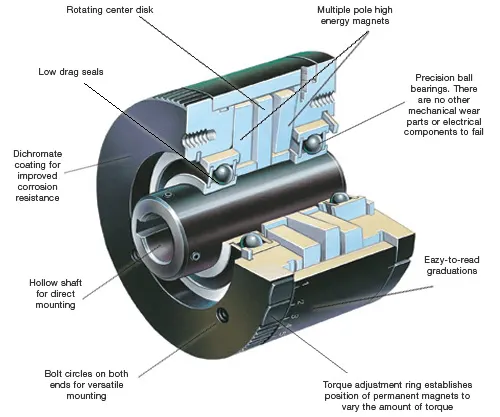
Disadvantages of Mechanical Braking
The main disadvantages of Mechanical Braking are as follows:
- It requires frequent maintenance and replacement of brake shoes.
- Braking power is wasted in the form of heat.
In spite of having some disadvantages of mechanical braking, it is also used along with the electric braking to ensure reliable operation of the drive. It is also used to hold the drive at the standstill because many braking methods do not produce torque at standstill condition.
Mechanical Breaking :-
Mechanical brakes are assemblies consisting of mechanical elements for the slowing or stopping of shafts in equipment drives. They use levers or linkages to transmit force from one point to another. Braking slows or stops the movement of the coupled shafts.
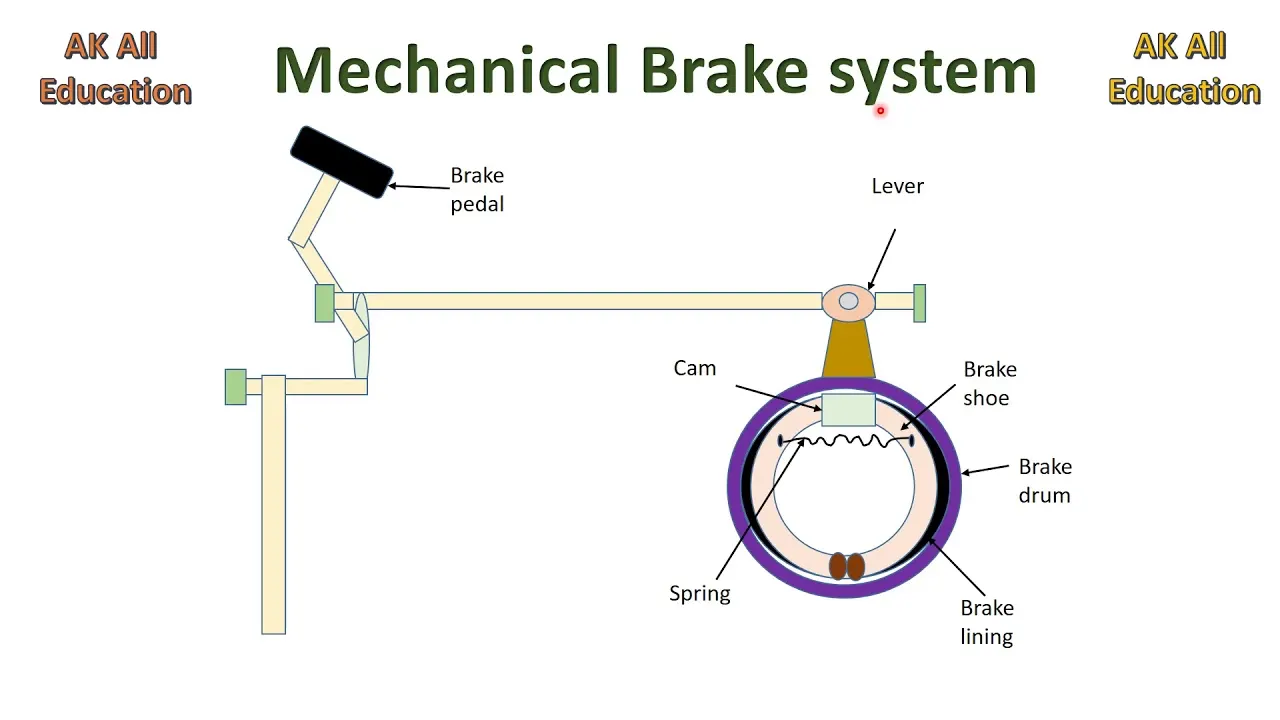
Types of braking :-
- Hydraulic braking system: This system runs on brake fluid, cylinders, and friction
- Electromagnetic braking system
- Advantages of Electromagnetic braking system
- Servo braking system
- Mechanical braking system
- Types of Brakes
- DISC BRAKE
- DRUM BRAKES
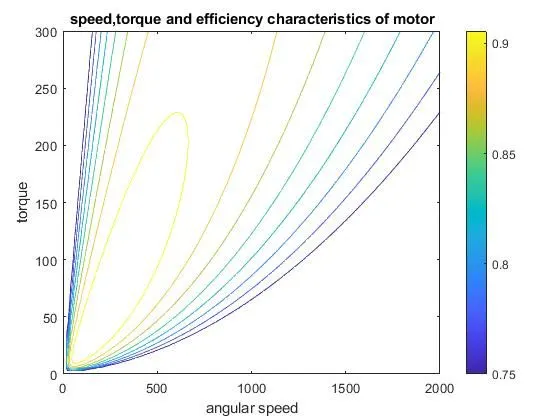
3.Make a MATLAB program which plots contour of given motor speed, torque and efficiency values. Attach the code as a .m file attach a screenshot of all the plots.
Code :-
clear all
close all
clc

%speed array
s = linspace(0,300,100);
%torque array
t = linspace(0,2000,100);
%mesh
[x, y] = meshgrid(t, s);

%loss coefficient
cu = 0.17;
fe = 0.006;
win = 0.000015;

%losses
cu_loss = cu*(y.^2);
fe_loss = fe*(x.^2);
win_loss = win*(x.^3);
cond_loss = 18;

%output power
p_out = (x.*y);
%input power
p_in = p_out + (cu_loss) + (fe_loss) + (win_loss) + (cond_loss);
% efficiency
n = ((p_out)./(p_in));

%efficiency values for contour
w = linspace(0.75, 0.95, 10);
%contour plot
contour(x,y,n,w)
colorbar
xlabel('angular speed')
ylabel('torque')
title('speed,torque and efficiency characteristics of motor')
PLot :-