Week 10 - Simulating Combustion of Natural Gas.
Aim: Simulating Combustion of Natural Gas.
Objective:
Part I
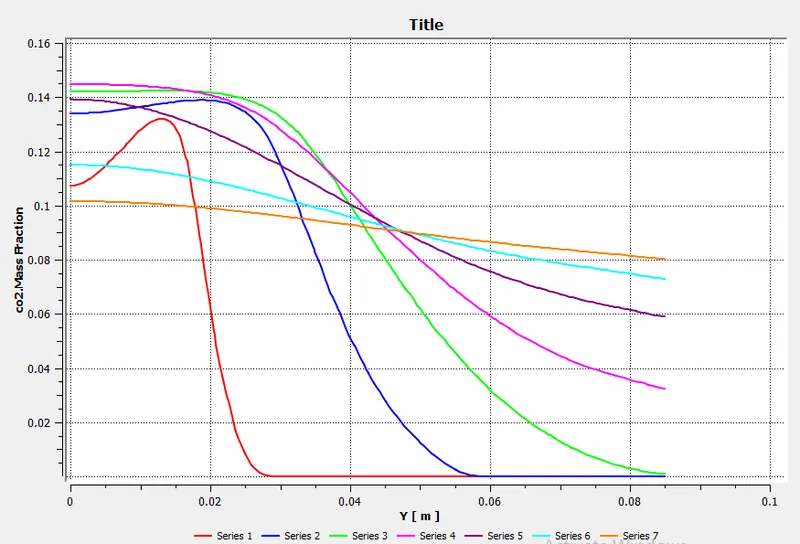
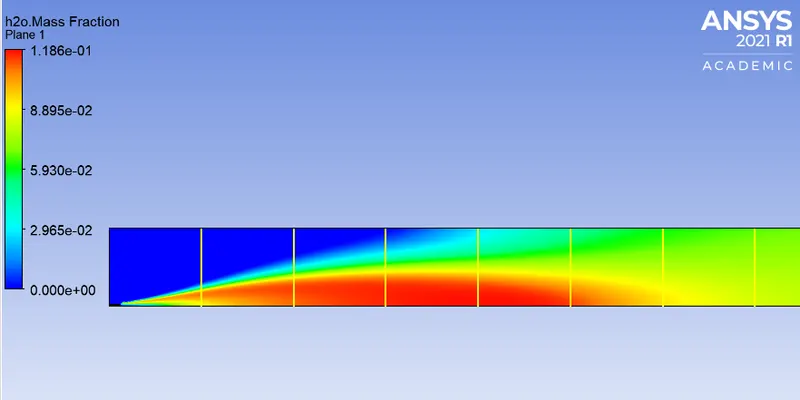
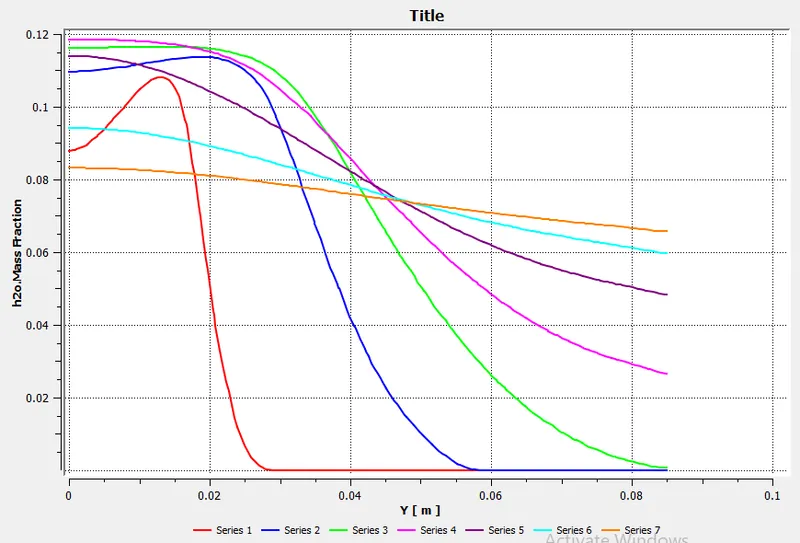
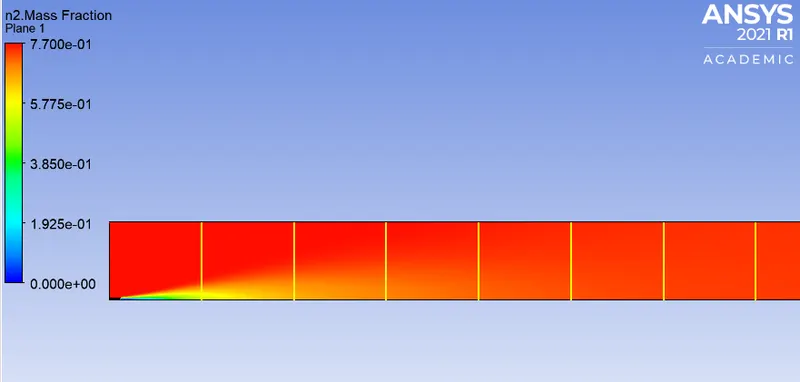
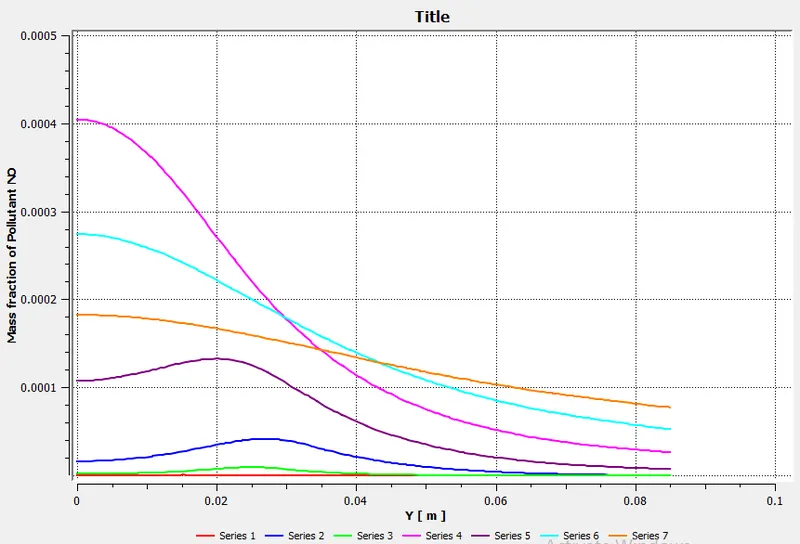
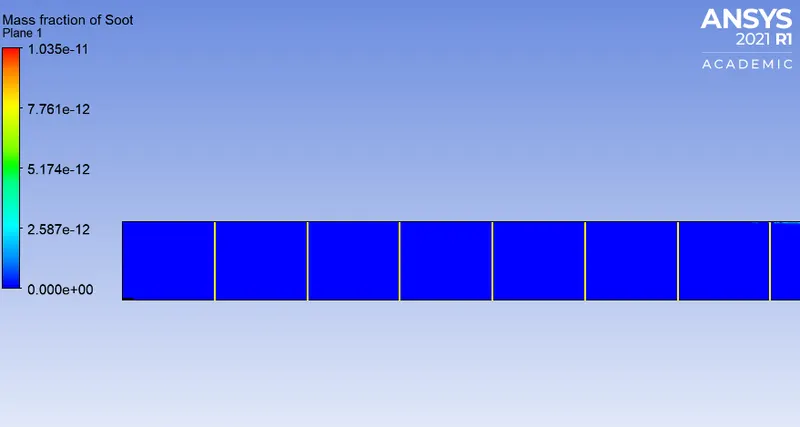
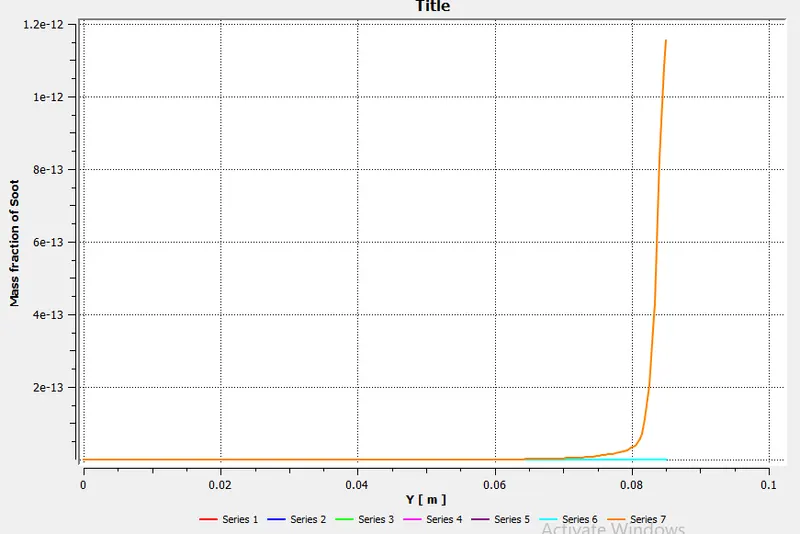
Perform a combustion simulation on the combustor model and plot the variation of the mass fraction of the different species in the simulation using line probes at different locations of the combustor as shown in Fig. You need to plot for CO2, H2O, CH4, N2, O2, NOx emissions & Soot formation.
Part II
As you must have observed from the above simulation, the Nox and soot is getting formed at the outlet of the combustor. Such formation has harmful effects on the environment and humans. The stringent government norms also demand the least formation of Nox and soot and to satisfy those requirements, you need to check the effect of adding the water in the fuel.
In this part, you need to add the water content in the fuel from 5% to 30% by mole and observe the effect of it on the results. It is necessary to provide line plots and contours to prove your claim.
You can use the parametric study approach if required.
Combustion:
Combustion is a process in which the fuel is oxidized and a large amount of chemically bound energy is released. This energy heat the products and combustion of fuel such as methane with air lead to a flame temperature of around 1900 °C (2173 K). In the combustion of methane and air, the main products are carbon dioxide and water. However, the formation of these products is very complex and hundreds of different species such as H, O, OH, CH, CH3, etc are intermediated in the combustion process Besides carbon dioxide and water, a large number of pollutants are formed as, for instance, nitrogen oxides, carbon monoxide, and soot particles. The efficiency of the combustion process depends on several parameters, such as oxygen supply, temperature history, and mixing properties.
Based on Mixing
Non-Premixed Combustion: In this type of combustion, fuel & air enter into reaction from different streams. The mixing takes place at the time of combustion. Example-Diesel engine.
Pre-mixed Combustion: In this type of combustion, fuel & air are mixed at the molecular level before combustion.Example Spark-ignition engine.
Partially-mixed Combustion: In this type of combustion, fuel & air are pre-mixed at a non-uniform ratio before combustion.
Based on Phase
Fluid Phase(Volumetric Reaction): In this type, the combustion takes place when the fuel is in the fluid phase.
Wall (Surface Reaction): In this type, the combustion takes place on the wall or surface.
Particle(Surface Reaction): In this type, the combustion takes place on the surface of the particle
Porous region: In this type, combustion takes place inside the porous region.
Combustion simulation on the combustor model
Geometry: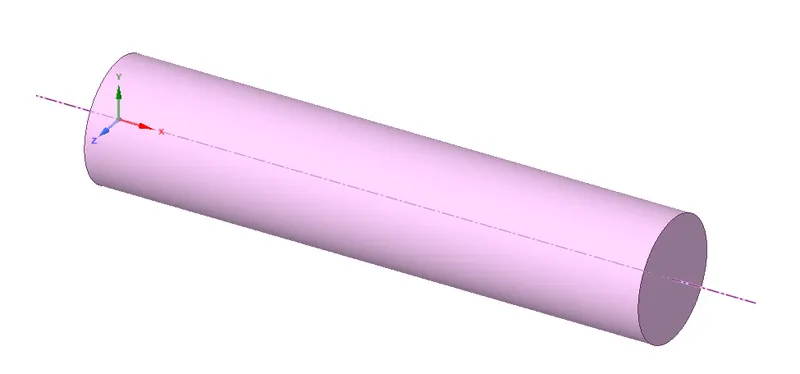
The above image shows the combustor model which we need to simulate, but since we have an academic limitation we won
able to simulate the above 3D combustor model.
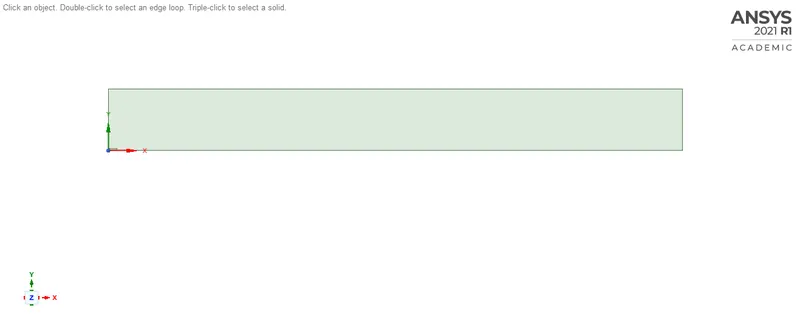
So, in order to simulate the above combustor model, we need to split the body & convert the above combustor model into the 2D plane
and this can be done in several steps which are shown below.
Meshing:
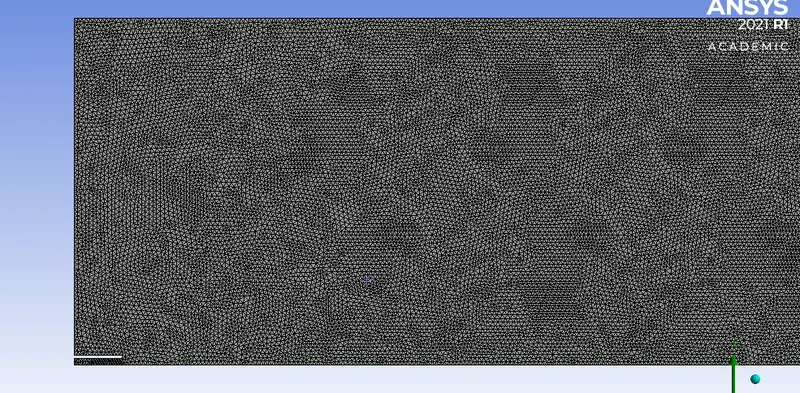
Nodes-73818
Elements-145836
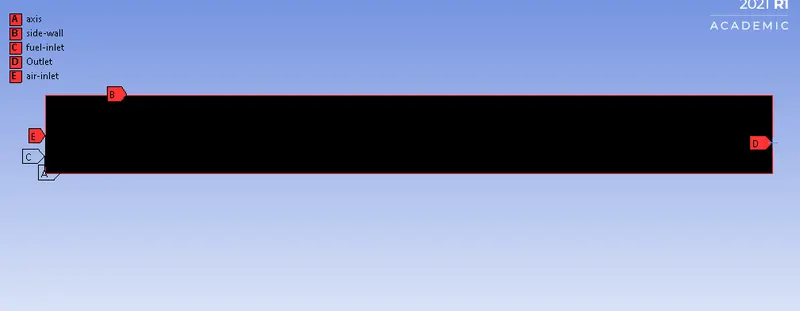
Name selections:
Setup:
Solver: Steady-state
Type: Pressure based
Viscous model: K-epsilon, since the flow is turbulent
Axisymmetric enabled
Energy enabled
Species Model
Model species transport
Reaction: Volumetric
Options:Inlet diffusion,Diffusion energy source
Mixture: Methane-air
Turbulence chemistry interaction: Eddy dissipation
Boundary condition:
For Air
Inlet velocity=0.5m/s
Inlet Temperature=300k
Species mass fraction at the air inlet: O2=0.23
For Fuel
Inlet velocity=80m/s
Inlet Temperature=300k
Species mass fraction at the air inlet: Ch4=1
Results:
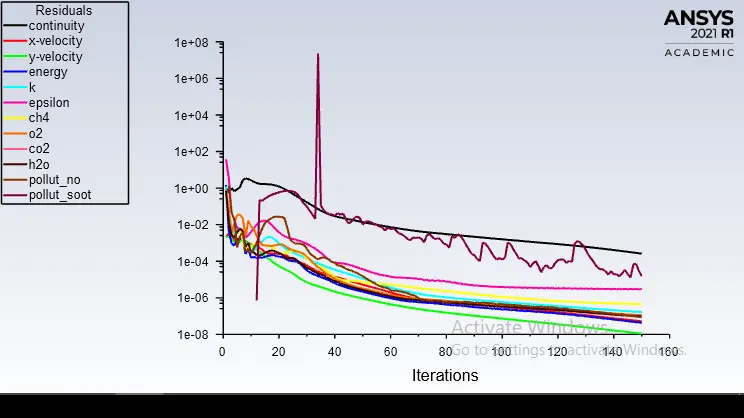
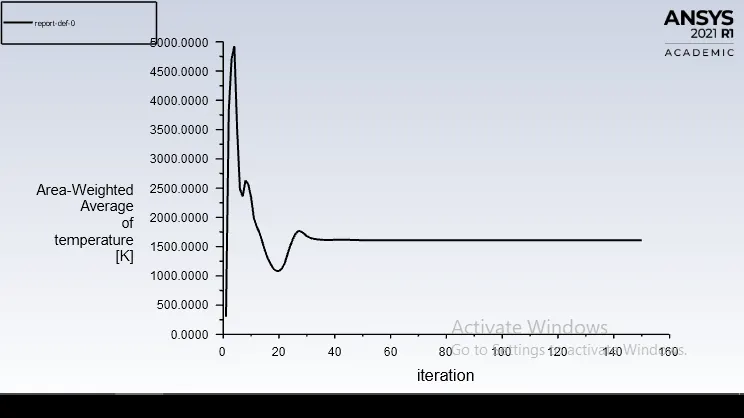
Residuals plot
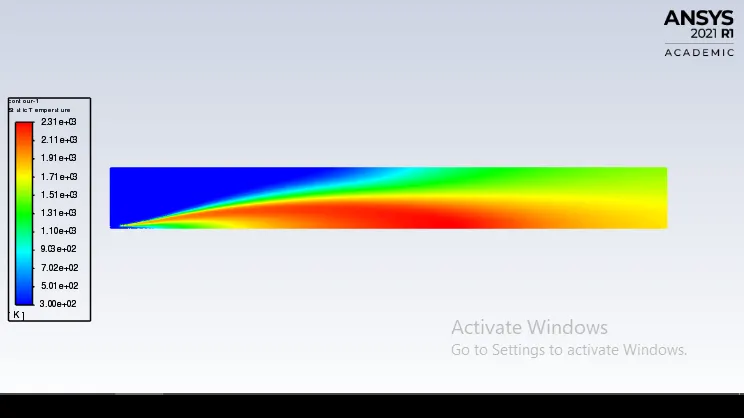
temperature contour:
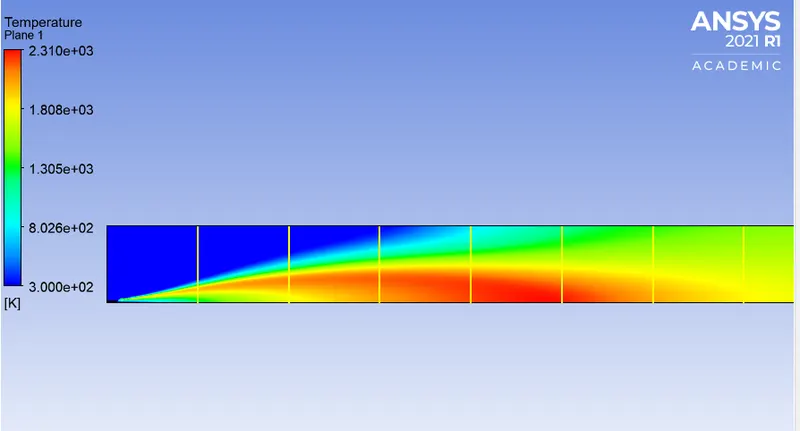
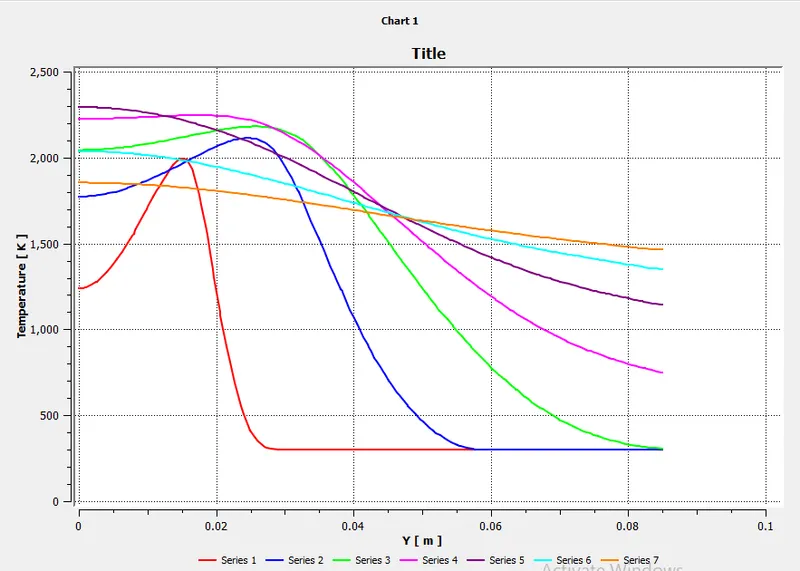
variation of temperature at a different location and results:
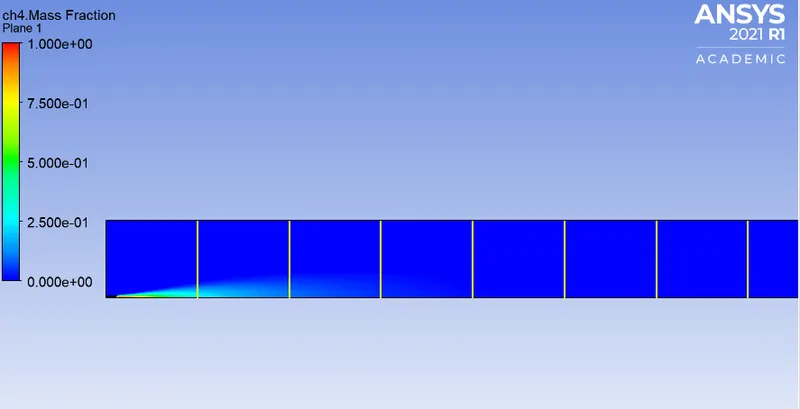
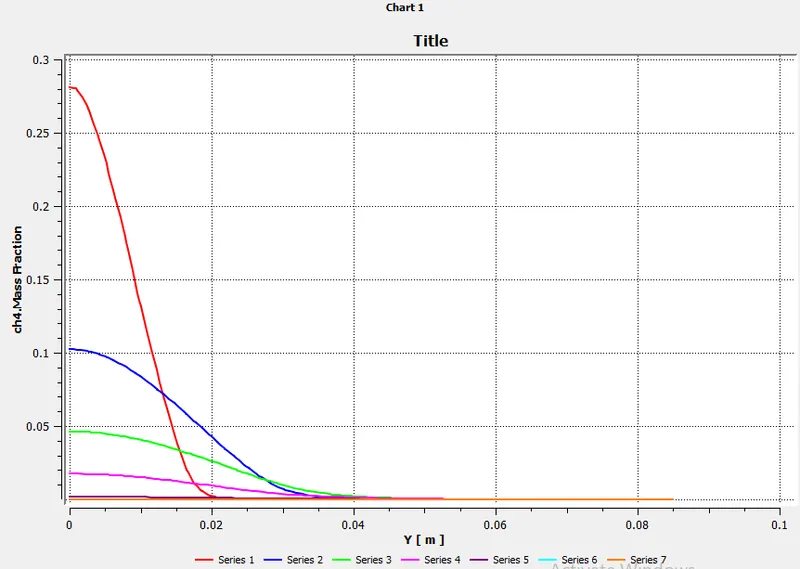
Mass fraction of ch4:
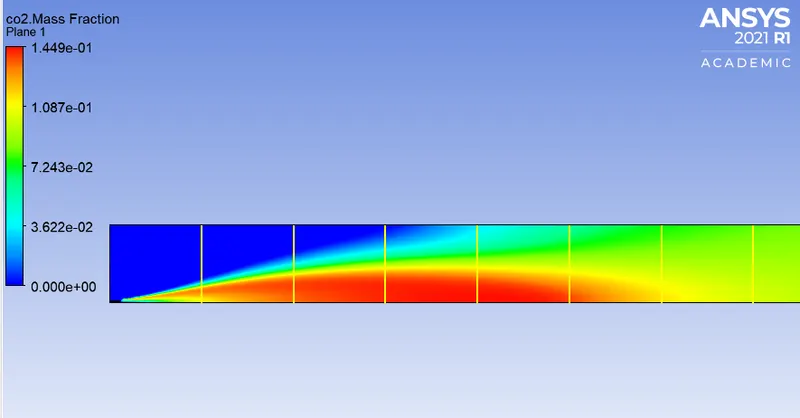
Mass fraction of co2:
Mass fraction of h2o
Mass fraction of n2
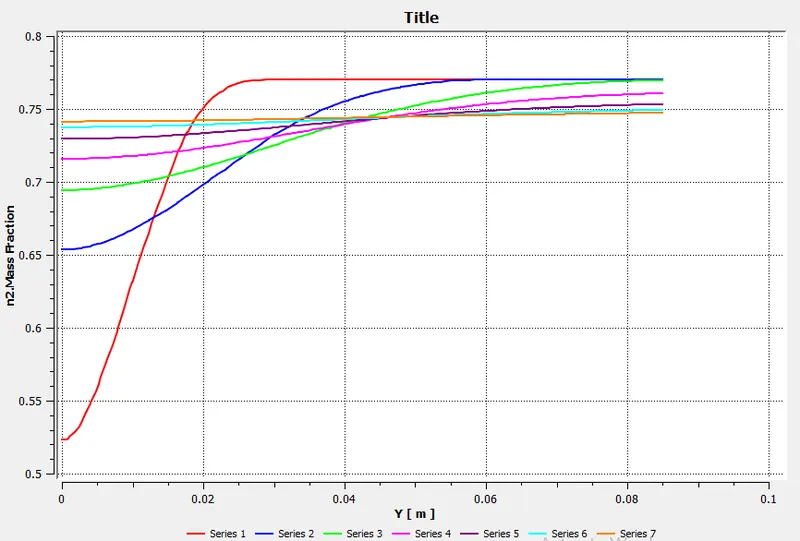
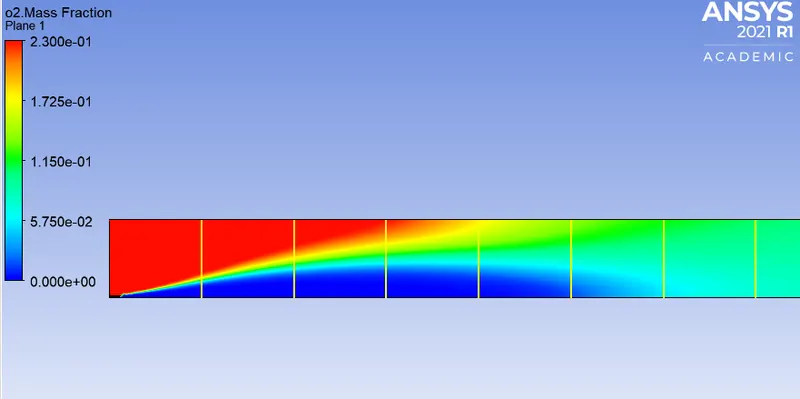
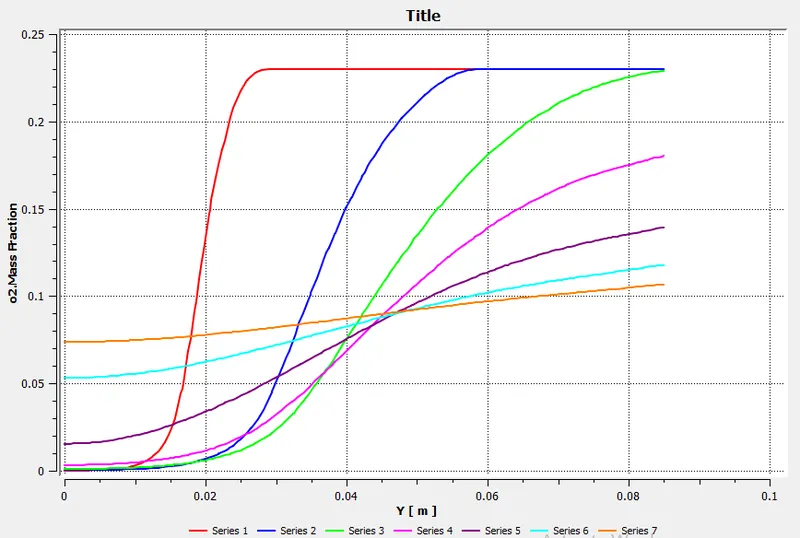
Mass fraction of o2
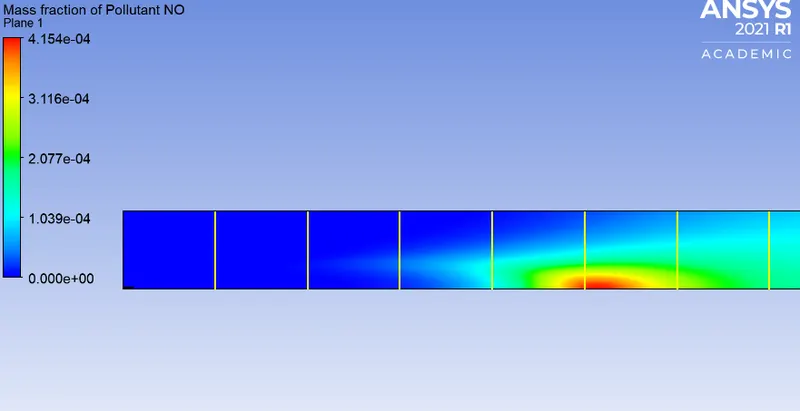
Mass fraction of Nox
Mass fraction of soot:
Part II
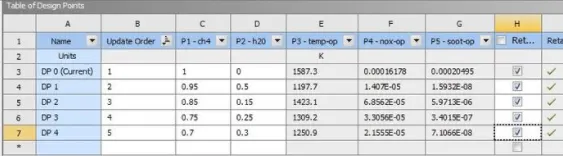
As you must have observed from the above simulation, the Nox and soot is getting formed at the outlet of the combustor. Such formation has harmful effects on the environment and humans. The stringent government norms also demand the least formation of Nox and soot and to satisfy those requirements, you need to check the effect of adding the water in the fuel.
In this part, you need to add the water content in the fuel from 5% to 30% by mole and observe the effect of it on the results. It is necessary to provide line plots and contours to prove your claim.
You can use the parametric study approach if required.
Conclusion
With the increment in the amount of water in fuel, the mass fraction of pollutant No and soot both decreases. It has been widely reported in the literature that reduction in No is because of the thermal effect. The mechanism behind the reduction of soot is not well understood. The water could reduce soot formation via physical, chemical, or thermal effects.
The mass fraction for all the species CO2, H2O, CH4, N2, O2, and NOx emissions are found from the simulation.
As per the above study, emissions can be controlled by the application of water in the fuel.