Week 10 - Simulating Combustion of Natural Gas.
Battery thermal management
AIM
Perform the heat transfer analysis using ANSYS-Fluent software for the cylindrical Lithium ion Battery with heat generation boundary condition.
Property of the Lithium-ion Battery
Nominal Voltage = 3.6 V
Nominal capacity = 2.2 A
Density = 2722 kg/m3
Specific heat = 1200 J/kg.K
Thermal Conductivity = 0.2 W/m.K
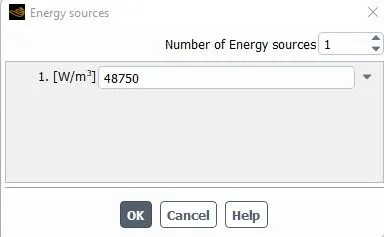
Heat Source = 48750 W/m3 (1.5 C discharge rate)
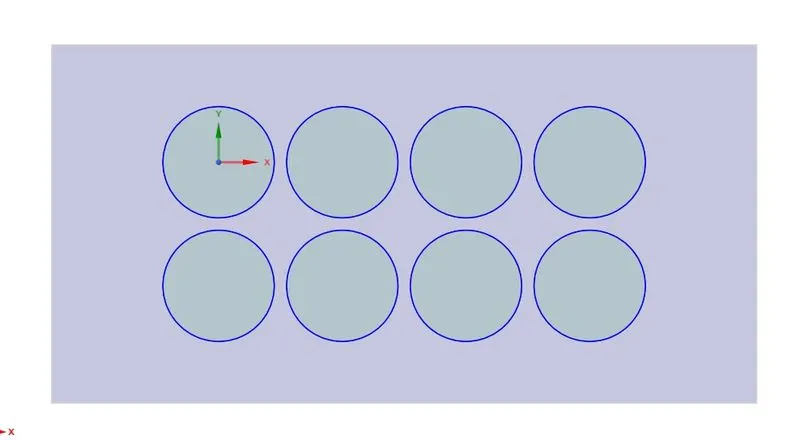
Size of the Battery = 18 mm diameter and 65 mm height
Expected results:
• Explain why battery cooling is needed. And give a brief description about various
techniques for battery cooling.
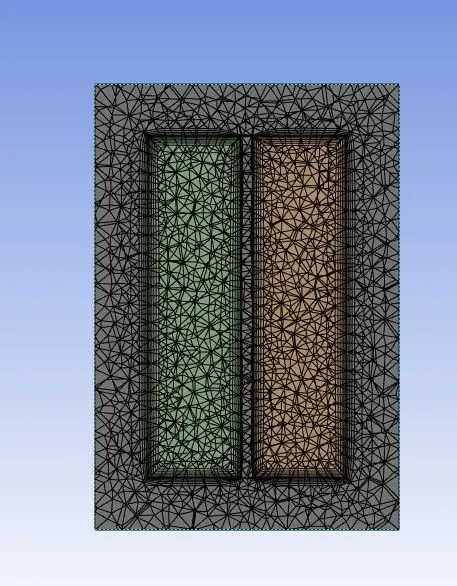
• Perform Mesh independent study for any one case and based on your judgment
use the more suitable model for further cases.
• Run the simulation by varying the velocity of air as 3, 5 and 10m/sec and discuss
the results.
• Find out the maximum temperature and heat transfer coefficient obtained by the
battery.
• Based on the results and on your judgment, select one case (3, 5 or 10 m/s) and
vary the space between the batteries as 2, 4 and 6 mm, then discuss the results.
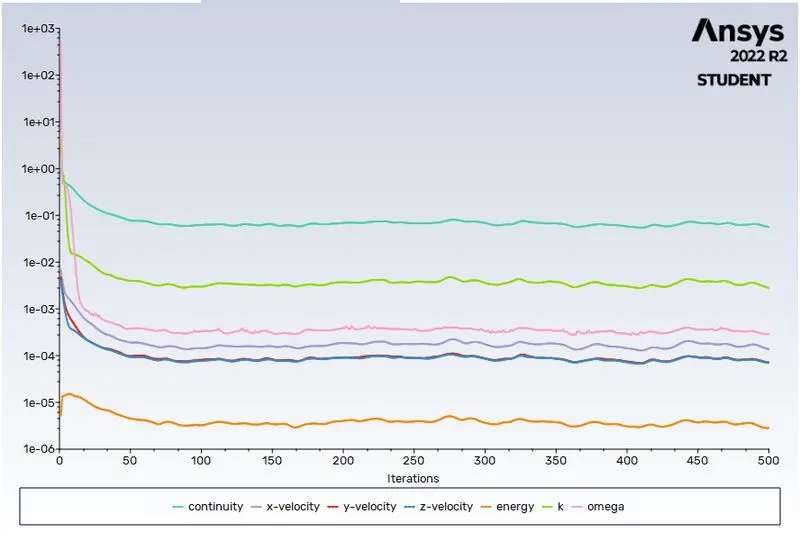
• Prove that the simulation has achieved convergence with appropriate images and
plots (Velocity and temperature contour plots on the cut planes).
• Create the animation to observe the temperature distribution and velocity vector.
• Summarize the results in tabulation/ graphical form.
• State the inferences based on the results.
why battery cooling is needed?
- The electric vehicle has a battery management system (BMS) to provide essential information such as:
- Thermal Protection
- Over and Under voltage protection
- Over-current Protection
- Prolong battery life
- Cell Balancing
- SoC and SoH calculation
- Communication with all battery components
- Data acquisition and analysis
- The high battery temperature leads to poor performance, short lifetime, and risk of blasting. Therefore, a BTMS is essential for all battery modules.
- The main purpose of a BTMS is to maintain the battery system in the optimum temperature range and keep uniform temperature variation in the battery modules
- Other factors for battery selection are weight, size, reliability, and the cost
Case-1 Inlet velocity 3m/s with space between the batteries as 2mm
Geometry
Meshing
Setup
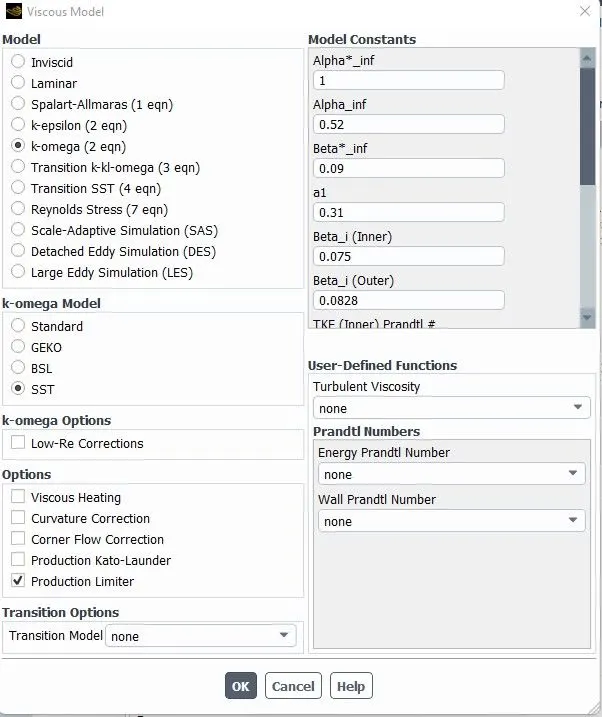
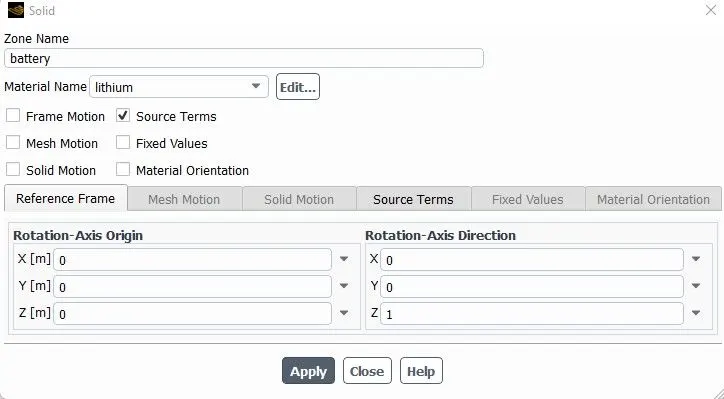
Residuals
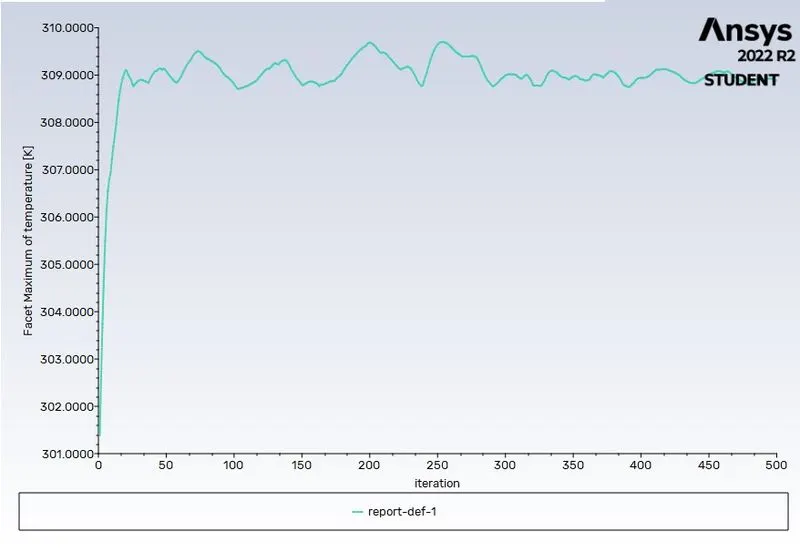
Maximum temperature
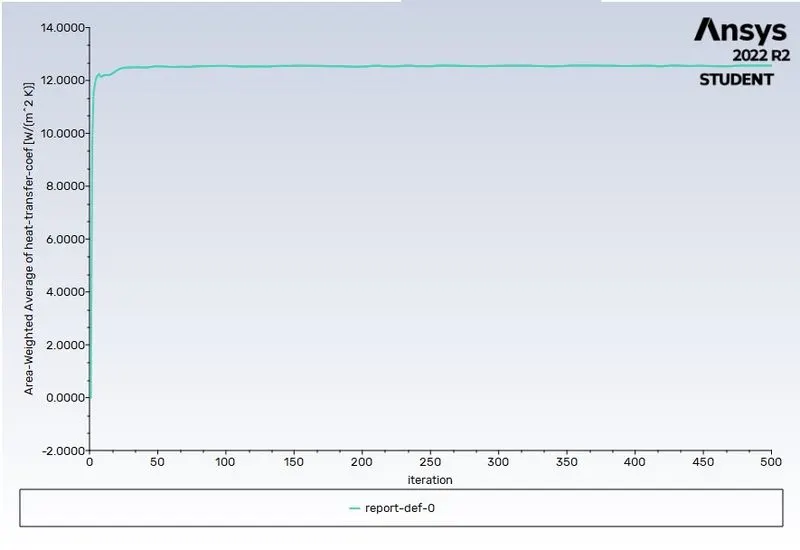
Heat transfer coefficient
Temperature and velocity vector contour
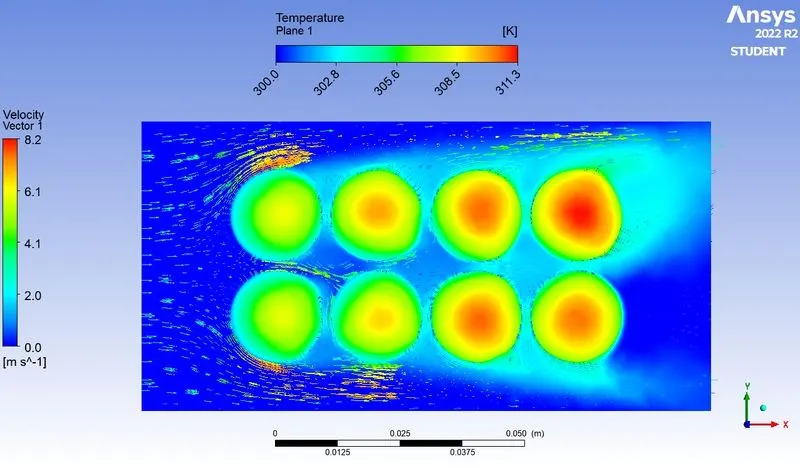
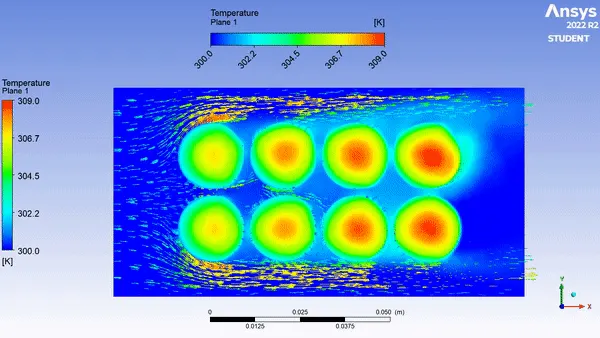
Case-2 Inlet velocity 5m/s with space between the batteries as 2mm
Residual
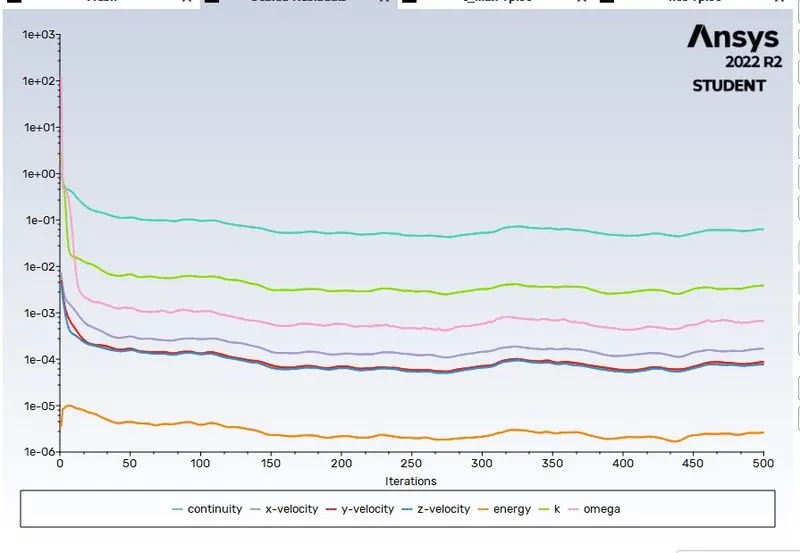
Heat transfer coefficient
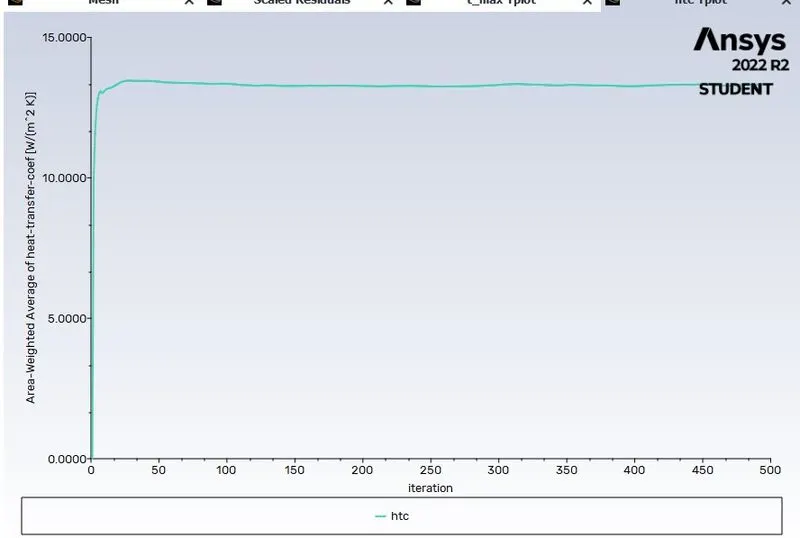
Maximum temperature
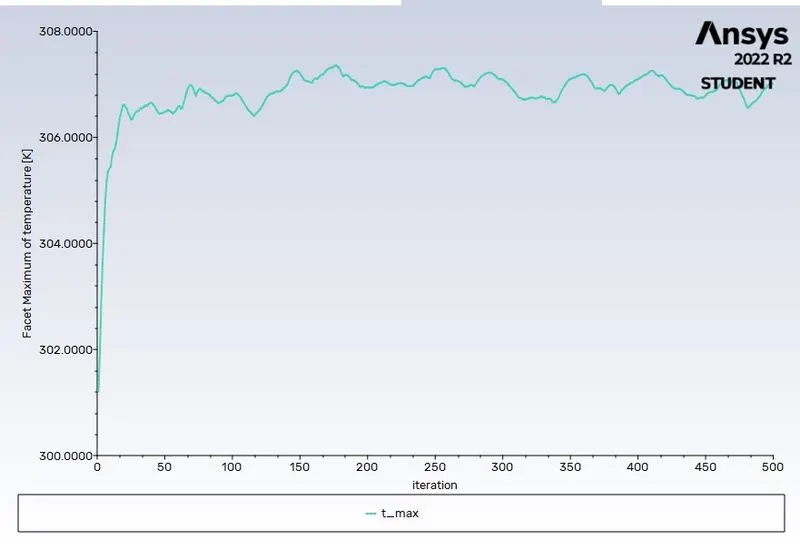
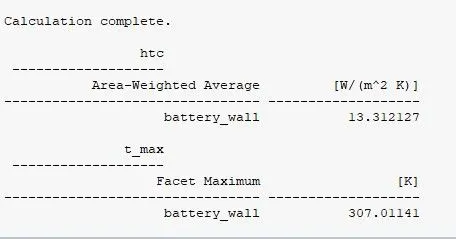
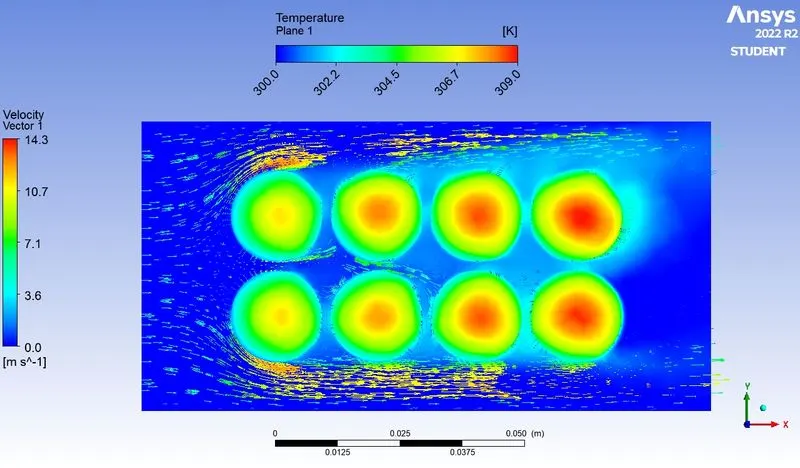
Temperature and velocity vector contour
Case-3 Inlet velocity 5m/s with space between the batteries as 4mm
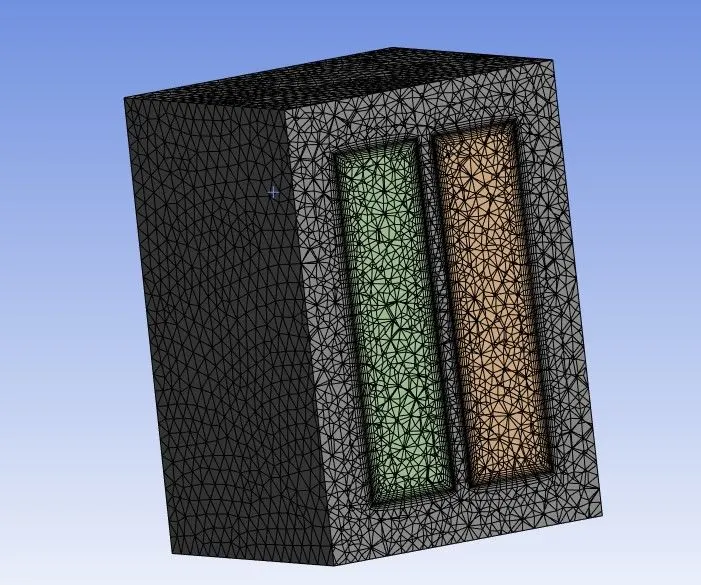
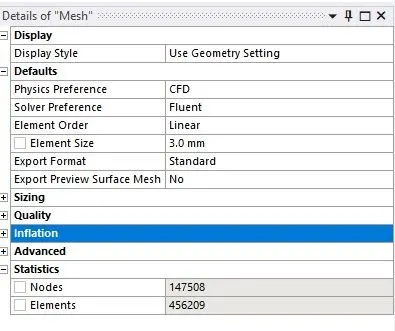
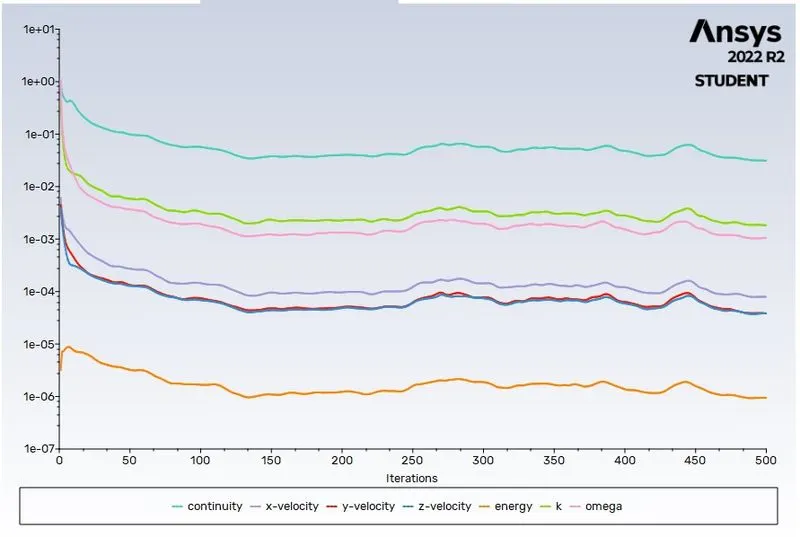
Residual
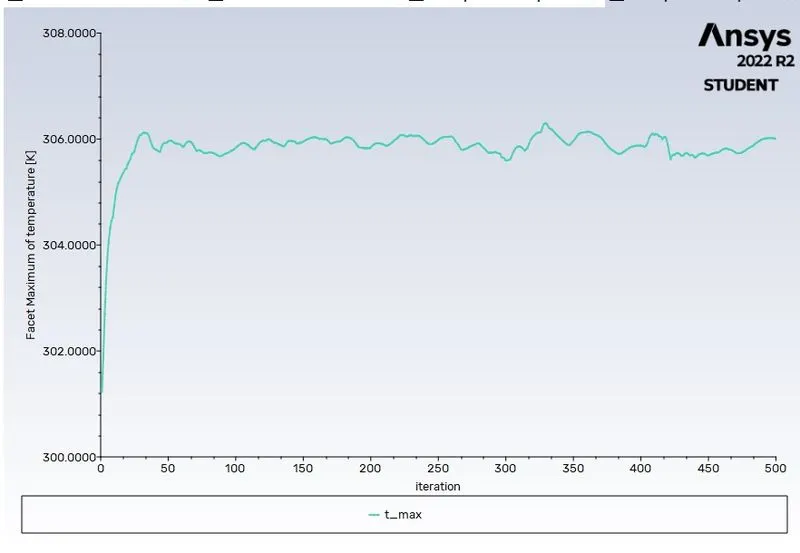
Maximum temperature
Heat transfer coefficient
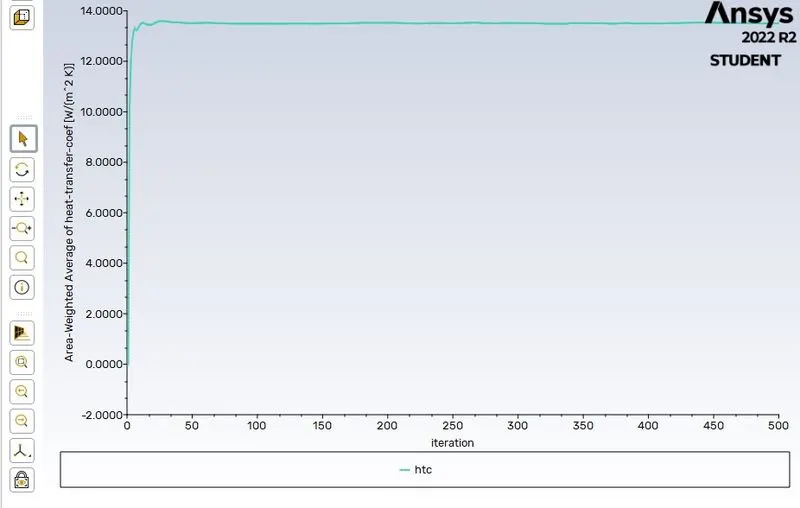
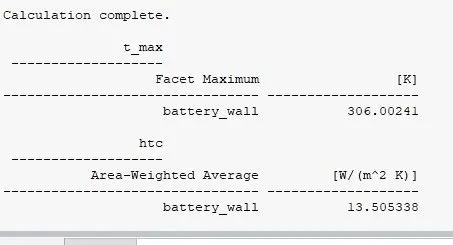
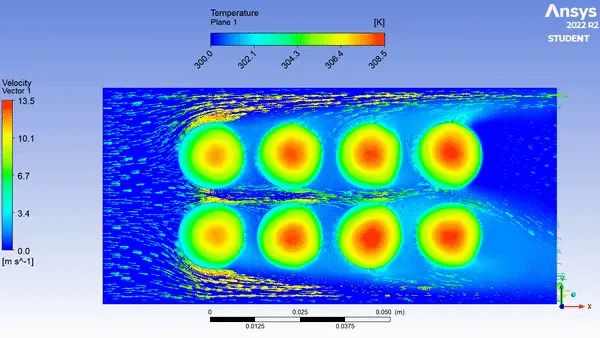
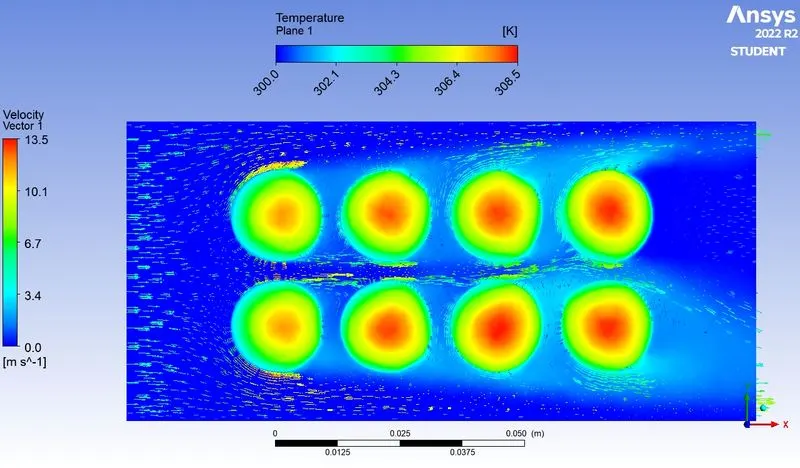
Temperature and velocity vector contour
Case-4 Inlet velocity 10m/s with space between the batteries as 2mm
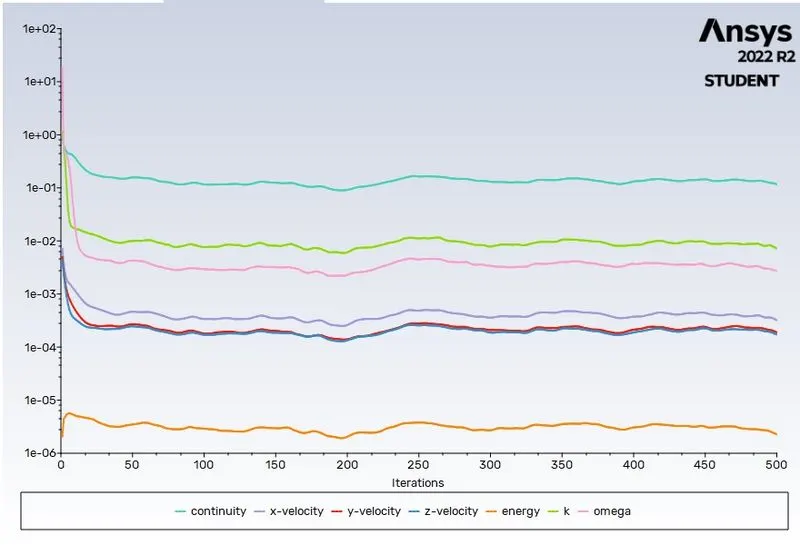
Residual
Heat transfer coefficient
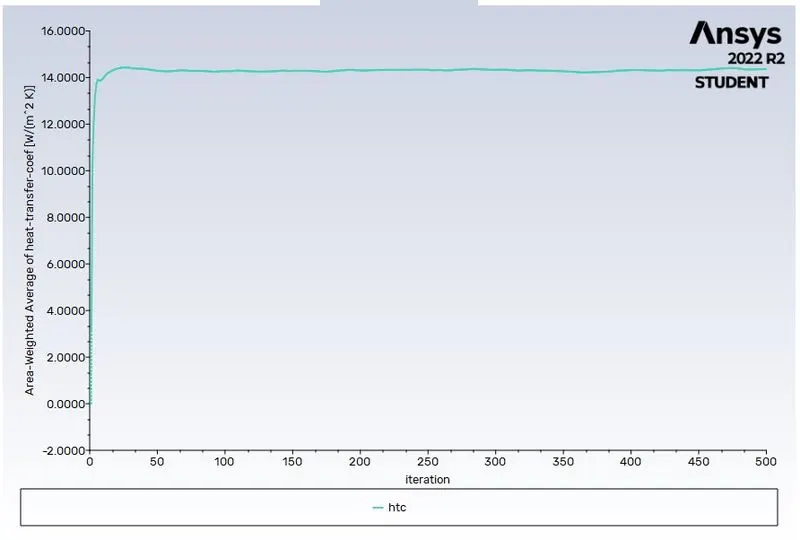
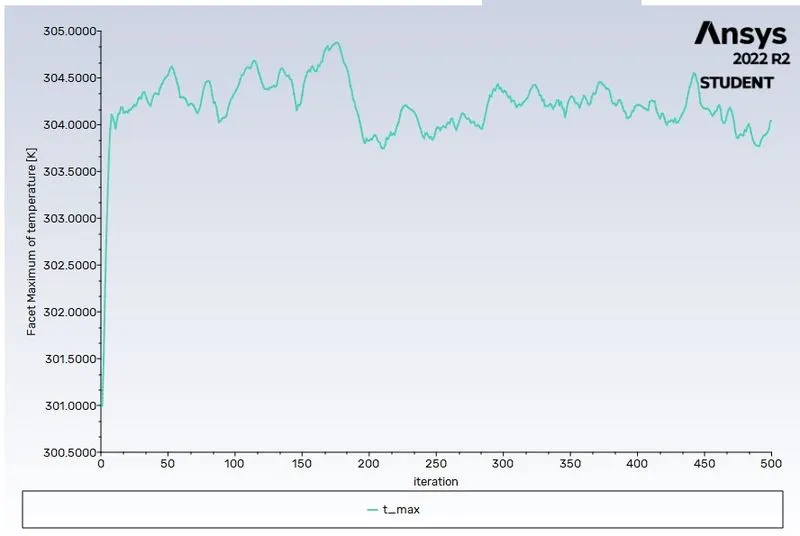
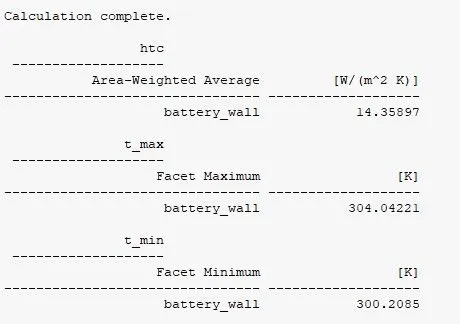
Maximum temperature
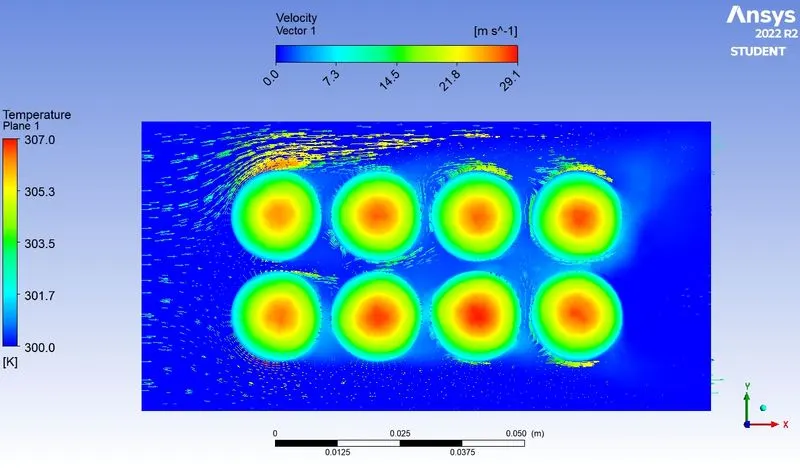
Temperature and velocity vector contour
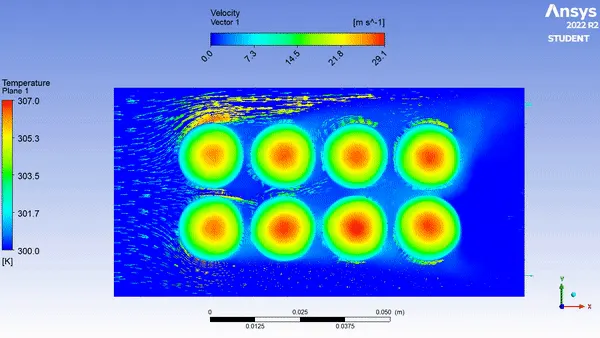
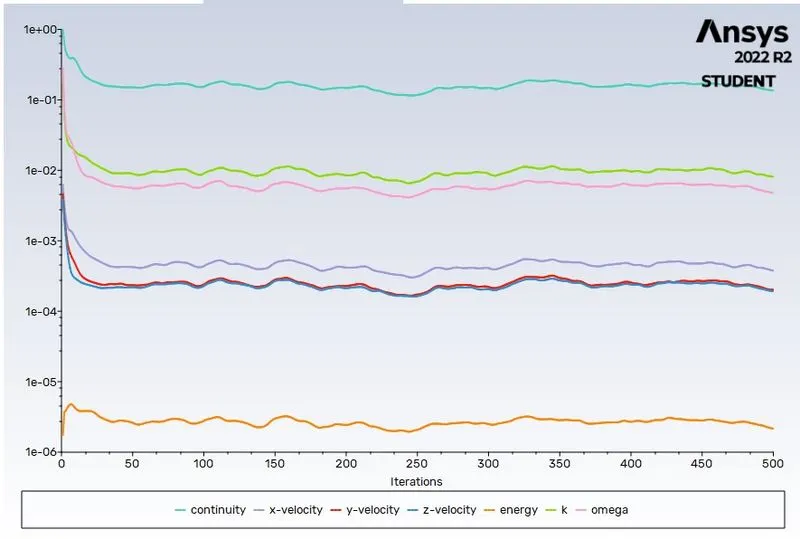
Case-5 Inlet velocity 10m/s with space between the batteries as 4mm
Residual
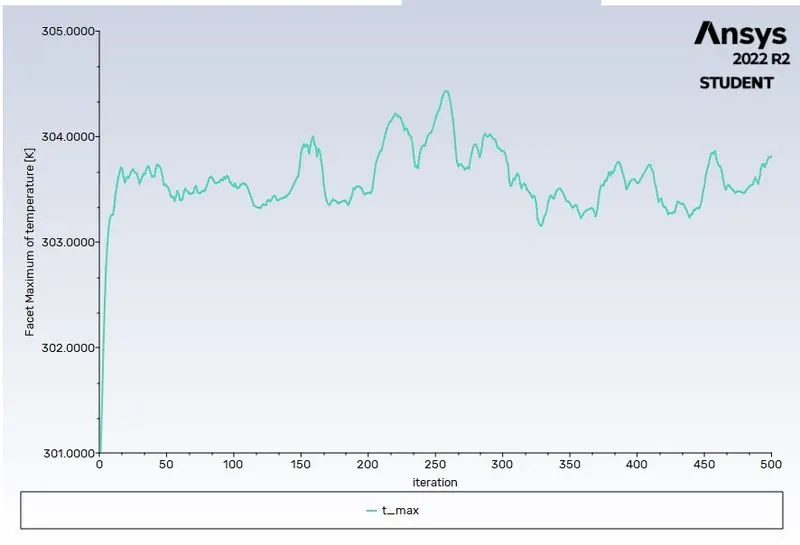
Maximum temperature
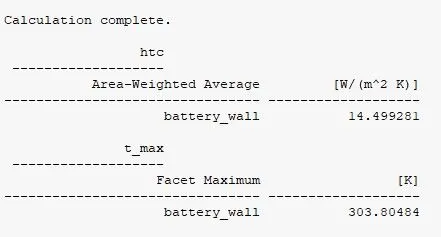
Temperature and velocity vector contour
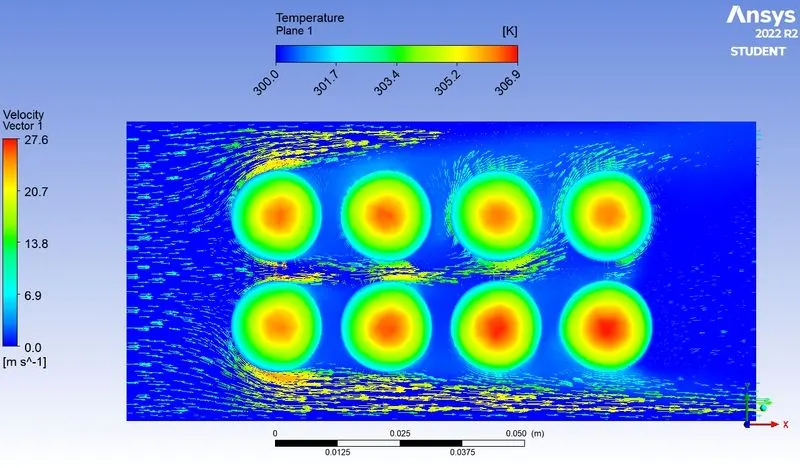
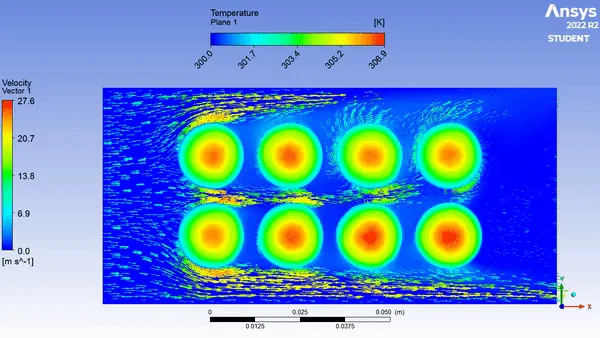
Case-6 Inlet velocity 10m/s with space between the batteries as 6mm
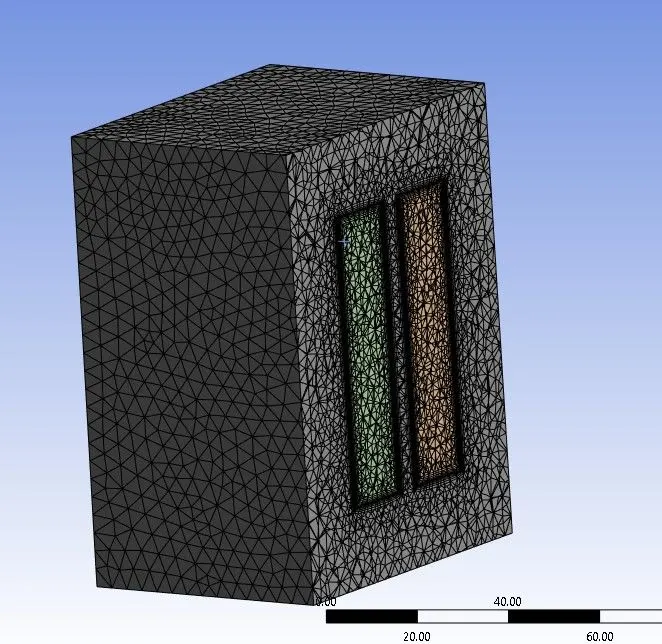
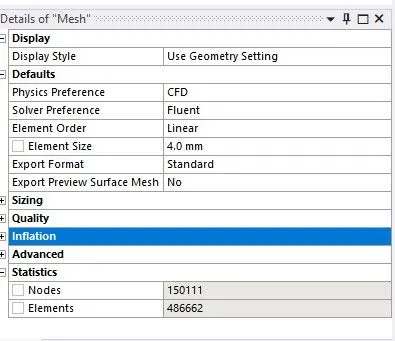
Residual
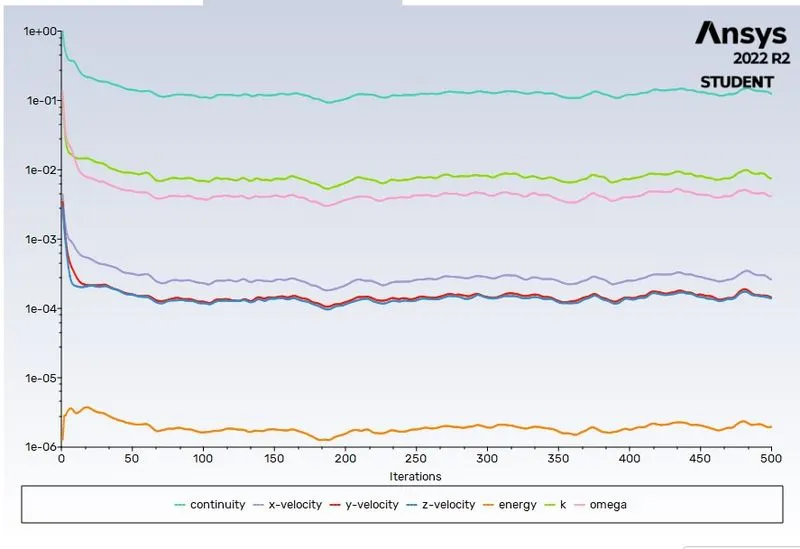
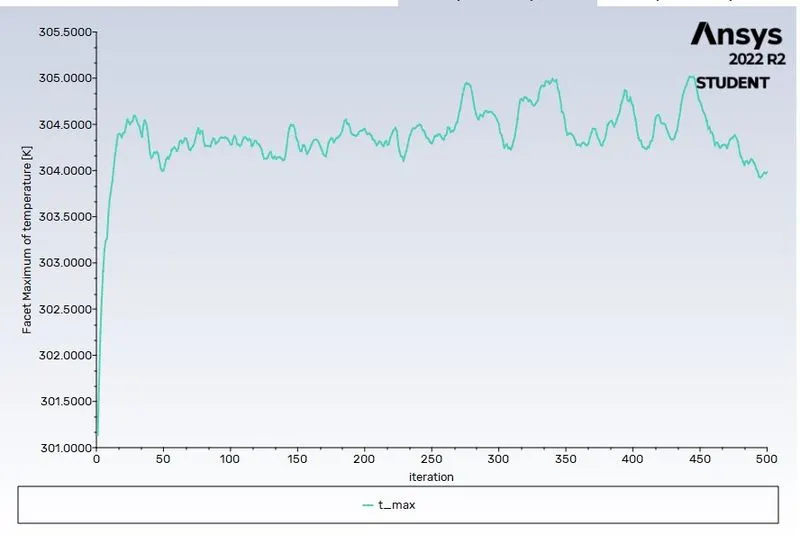
Maximum temperature
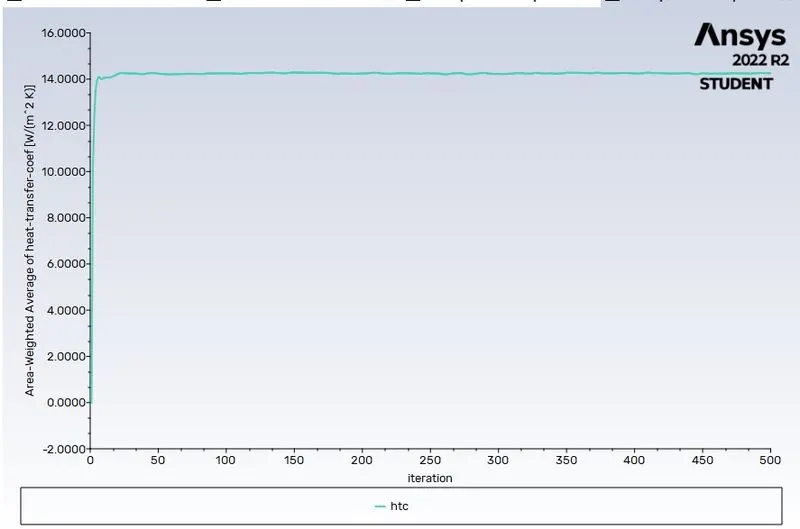
Heat transfer coefficient
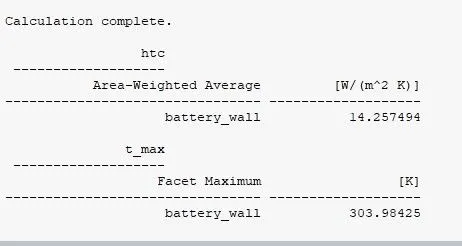
Temperature and velocity vector contour
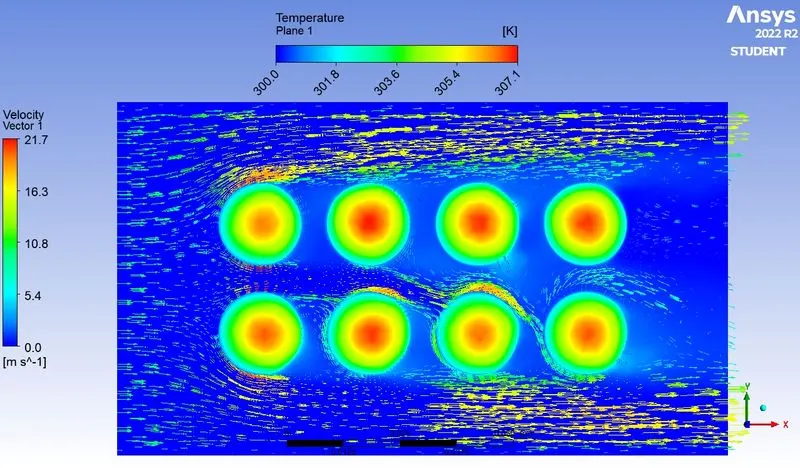
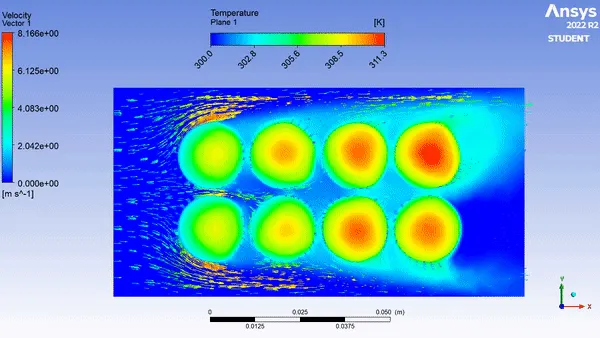
Output
| 3m/s, 2mm | 5m/s, 4mm | 10m/s, 2mm |
10m/s,2mm refined |
10m/s,4mm | 10m/s,6mm | |
| HTC(w/m^2k) | 12.56 | 13.5 | 14.29 | 14.35 | 14.49 | 14.25 |
| Tmax(K) | 308.8 | 306 | 304.04 | 304.13 | 303.8 | 303.9 |