Week 10 - Simulating Combustion of Natural Gas.
AIM: To perform a combustion simulation on a given combustor model and to observe the variation of mass fraction of different species in the simulation.
OBJECTIVE:
Part 1
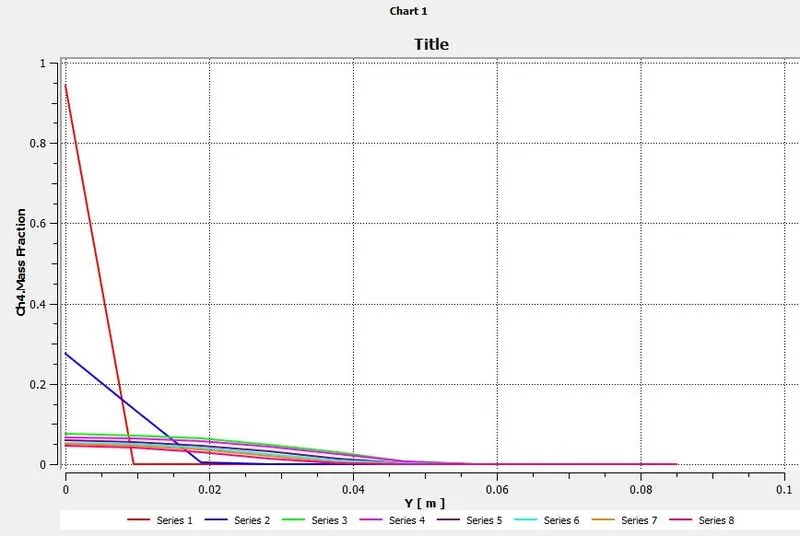
1) Perform a combustion simulation and plot the variation of mass fraction of different species in the simulation using a line probe at different locations.
2) Setup NOx and soot model to observe NOx emissions and soot formation.
Part 2
1) Add water content in the fuel from 5% to 30% by mole.
2) Provide necessary plots and contours from the CFD results.
Theory:
Combustion is exothermic chemical reaction of a fuel with an oxidant to the product.Basically there are two types of combustion, Flame mode and Non-flame mode.In flame mode 'flame' a thin zone of intense chemical reaction exist. In non-flame mode volumetric combustion process is existed. The application of combustion model is in to various kind of reacting flow such as Gas Turbine, Burner,Furnace, IC Engine, Rocket Engine etc.
Geometry:
Import the model in SpaceClaim for cleanup.
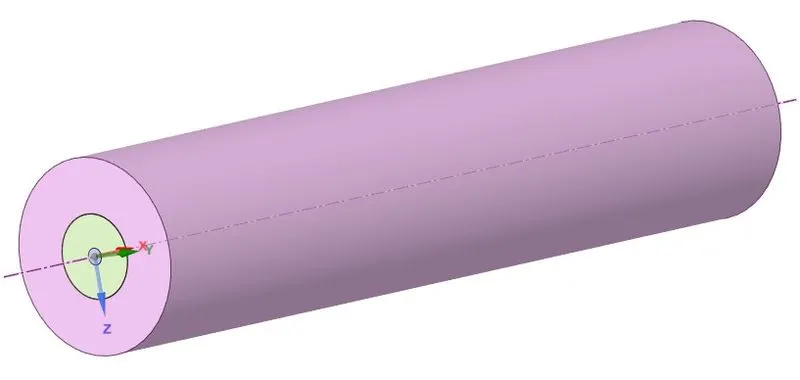
- As simulation for this whole body is time-consuming and expensive, we assume the combustion properties are axisymmetric, therefore we Split the domain with different planes in order to use the extracted mid-2D geometry for the analysis.
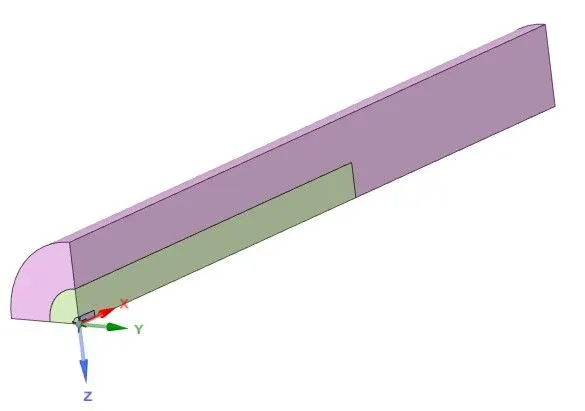
Also in order to mesh interface properly for proper sharing of information, share topology is made.

MESHING:
Naming the boundary condetion as air inlet, fuel inlet and wall.
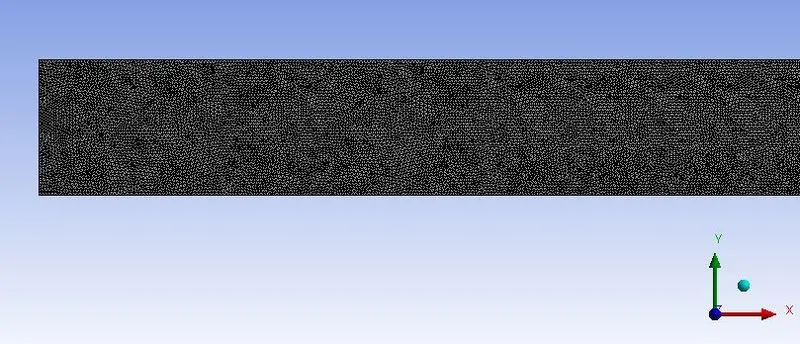
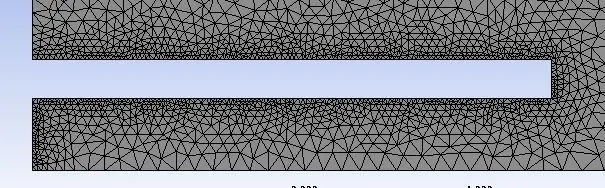
Generated Mesh by capturing curvature and proximity.
For refining the mesh for this case we are using the all triangle method.
Setup:
|
Solver Type |
Pressure-Based |
|
Velocity Formulation |
Absolute |
|
2D Space |
Axisymmetric |
|
Time |
Steady State |
|
Viscous Model |
K-epsilon > Standard > Scalable wall Function Energy - On |
|
Models |
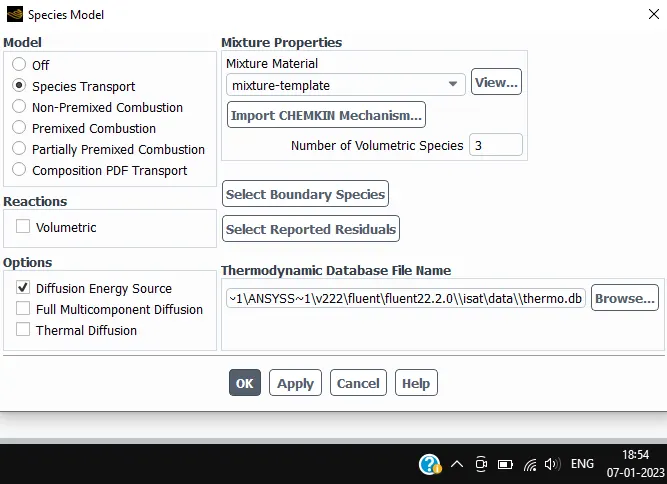
Species > Species Transport - On |
|
Material |
Fluid Type - Air Solid Type - Aluminum Mixture - Methane-air-2step |
|
Boundary Condition |
Air Inlet - Fuel Inlet - Outlet - Pressure outlet (Gauge pressure = 0 Pa) Walls - Stationary wall with no-slip condition Axis - Axisymmetric (x-axis) |
|
Solution Method |
pressure-velocity coupling- COUPLED |
|
Initialization |
Standard Initialization |
Species Models:
NOx Model:
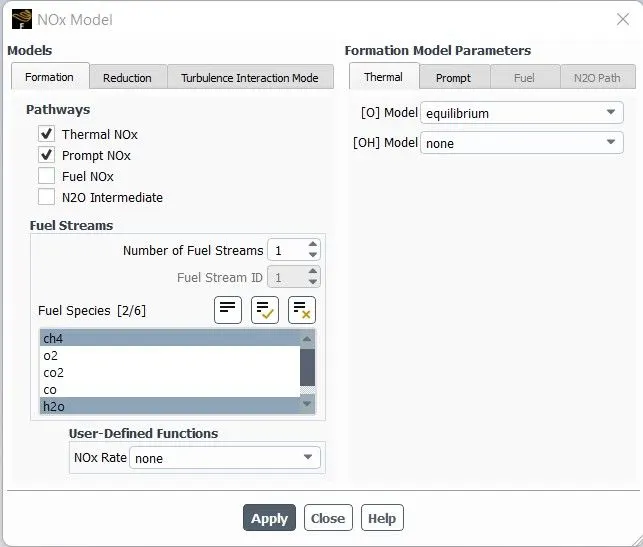
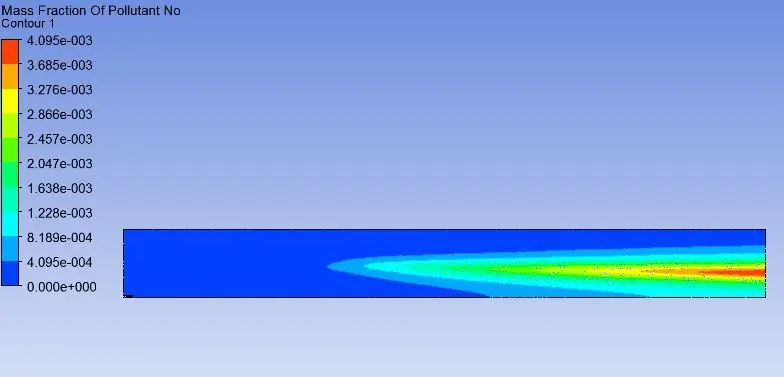
The NOx model is turned on which helps in predicting the formation of pollutant No in the process of combustion. The NOx formation takes place by the oxidation of atmospheric nitrogen present in the combustion air hence, thermal NOx is enabled. The prompt NOx is enabled as the high-speed reactions at the flame front cause NOx formation.
The NOx model was available for setting up in the same location as the soot model and only after the Species model was activated. In the NOx model window, 'Thermal NOx' and 'Prompt NOx' pathways were checked and fuel species were selected as CH4 with the rest of the variables retaining their default values. Similar to the soot model, a transport equation is required to be solved for determining the nitric oxide (NO) concentration from the evaluated flow field and solution of combustion properties. Thermal NOx accounts for the product(s) formed as a result of the chemical reaction of oxidation of atmospheric nitrogen in the combustion air while Prompt NOx refers to the products formed at a rapid rate in the presence of the combustion flame generally taking place between hydrocarbon radicals and molecular nitrogen to give rise to intermediate groups like HCN and CN that eventually decays to form NO
Soot Model:
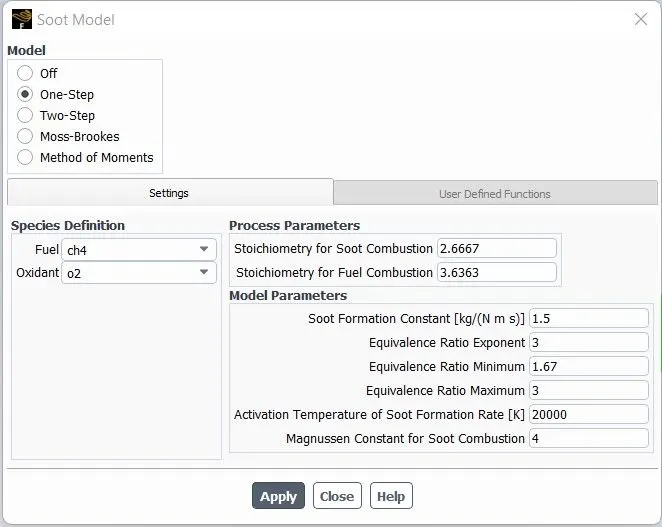
The Soot model is used for determining the formation of soot by calculating its concentration typically utilized for combustion systems such as in the case of the given numerical analysis.
Soot model is available for setup only when the Species model is activated and is found in the Models section under the Physics Tab. In the soot model window, the 'Model' enabled was "one-step" with 'Fuel' selected as
Method: Hybrid Initialization
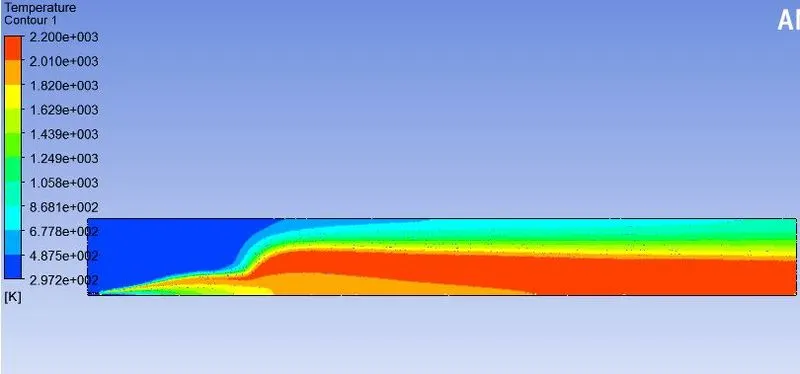
We create contours for Temperature, no,n2o,soot,ch4,o2
Case-1,CH4=1 and H2O =0:
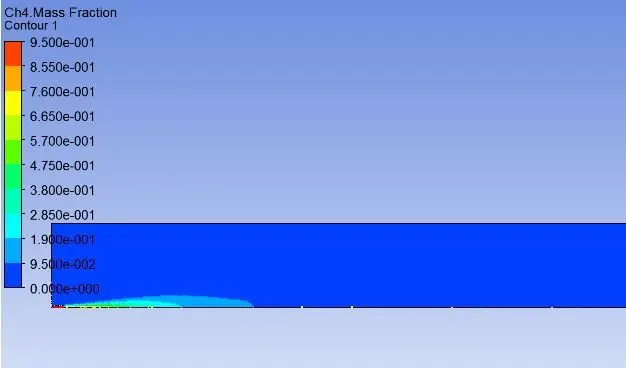
CH4 mass fraction:
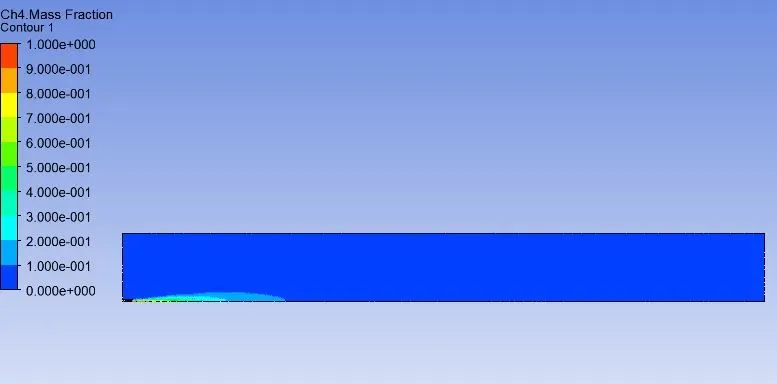
CH4 Mass fraction:
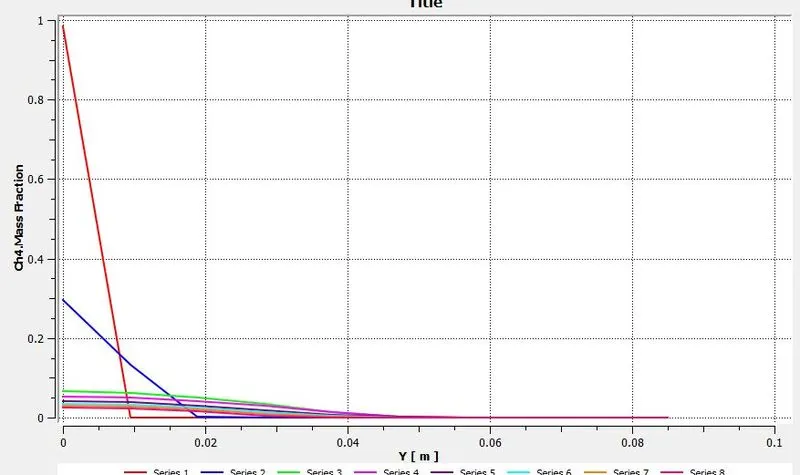
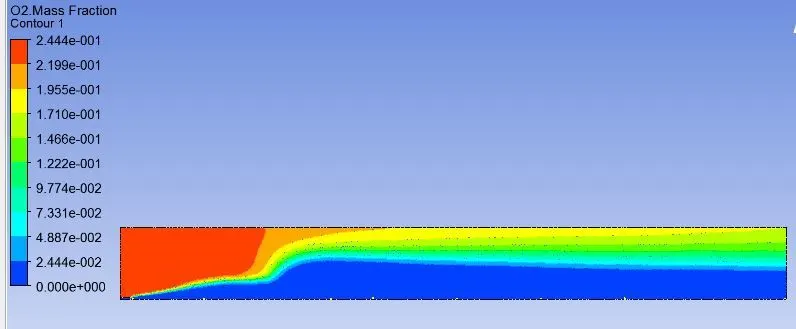
O2 Mass Fraction:
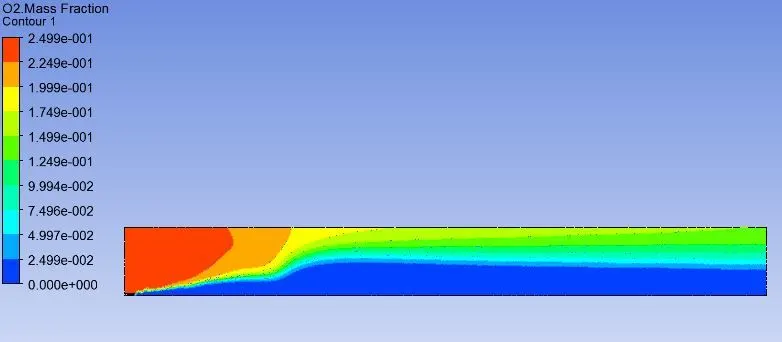
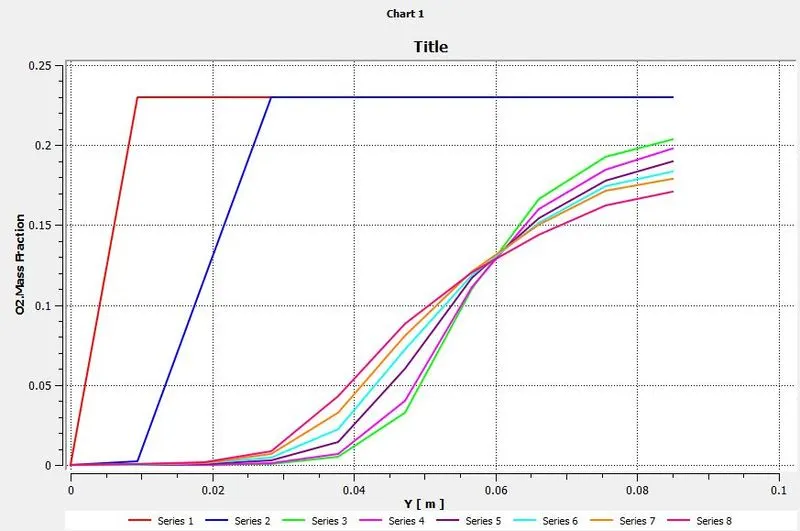
O2 mass fraction Plot:
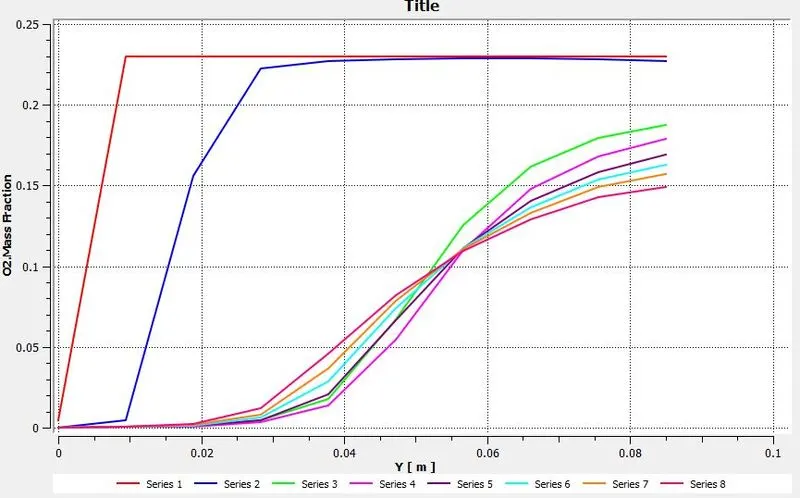
Mass fraction of pollutant NO:
Case-2 CH4=0.95, H20=0.05
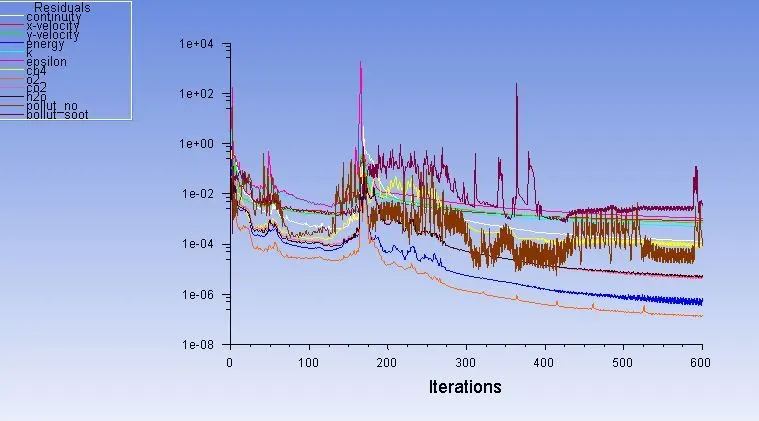
Residual:
CH4 Mass Fraction:
CH4 Mass fraction:
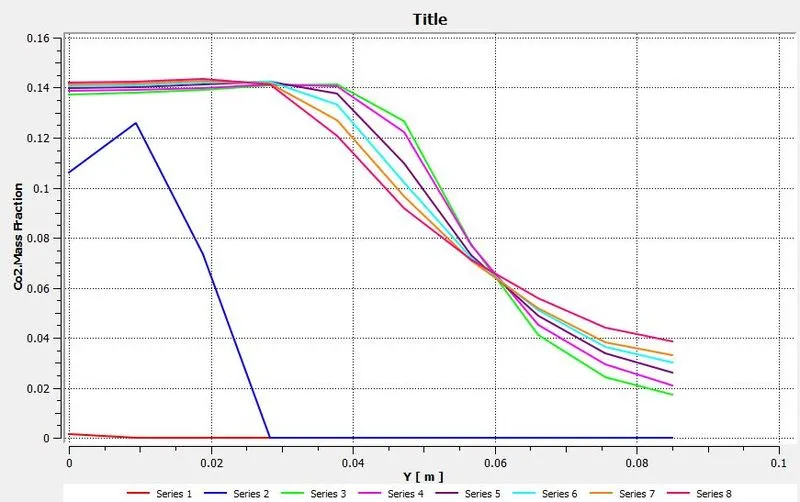
CO2 Mass fraction:
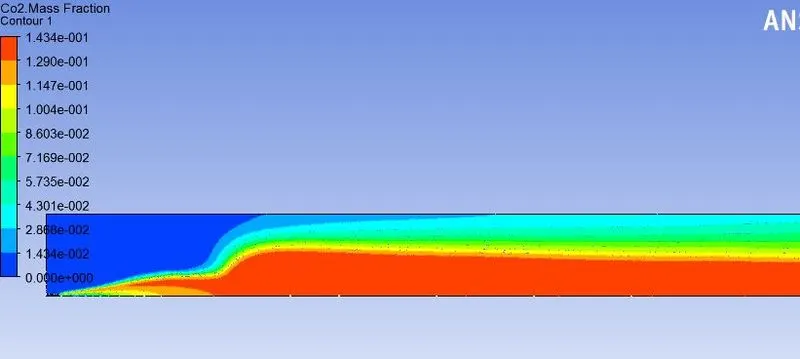
CO2 Mass Fraction:
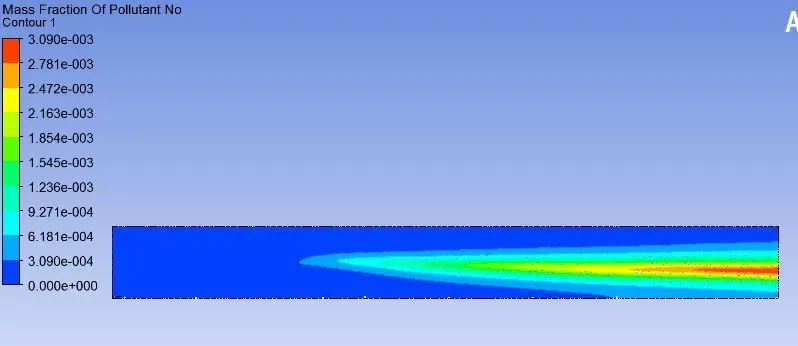
Mass fraction of pollutant NO:
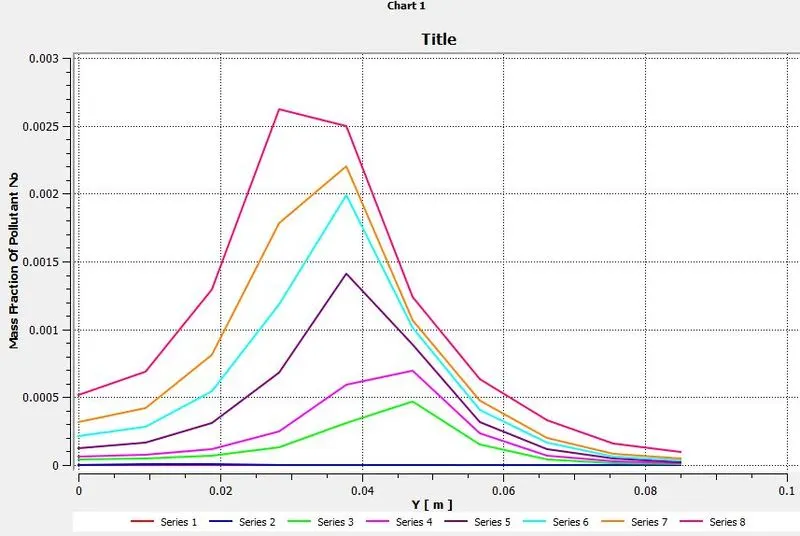
Mass fraction of pollutant NO:
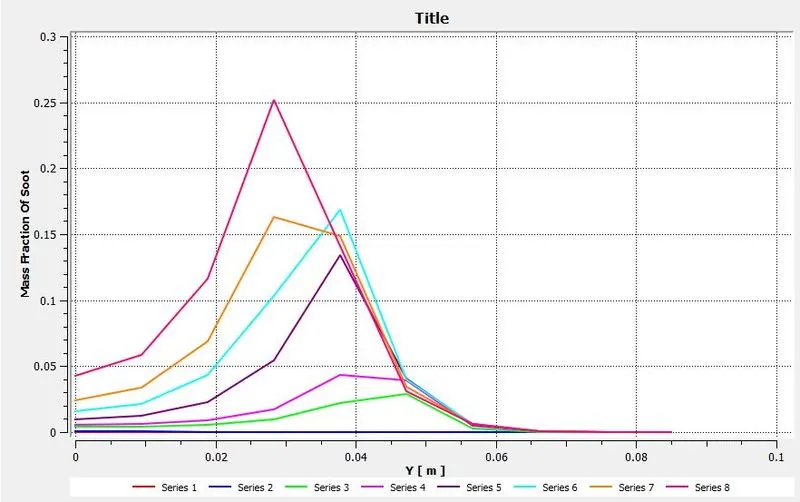
Mass Fraction of soot:
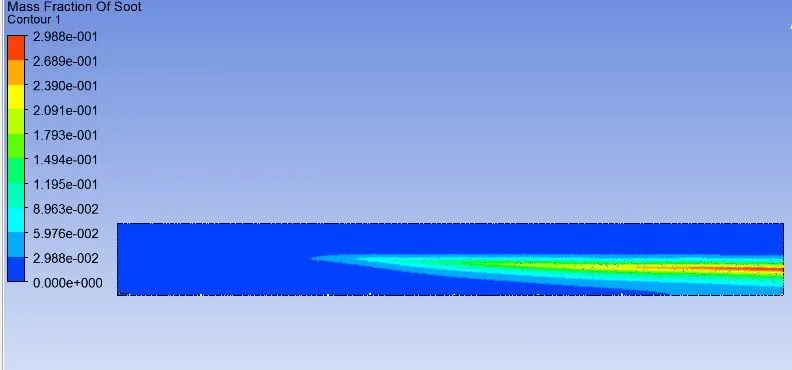
Mass Fraction of Soot:
O2 Mass Fraction:
CO2 Mass Fraction:
Case-3 - CH4-0.85, H20-0.15
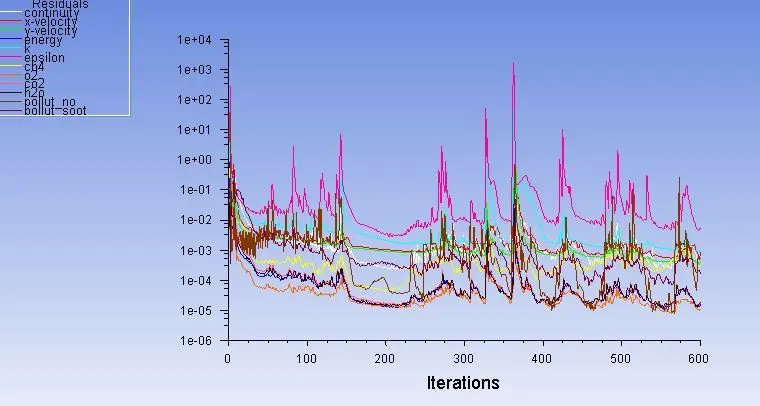
Residual:
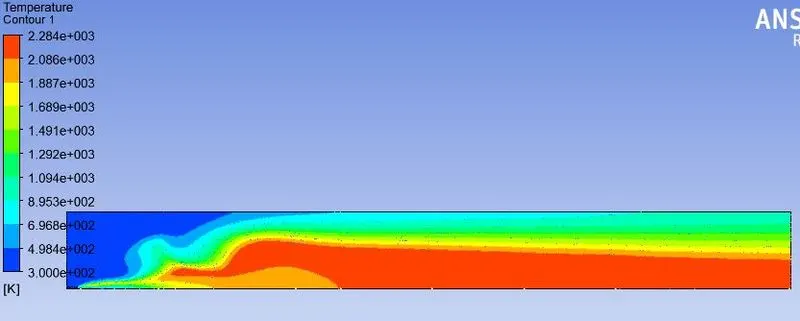
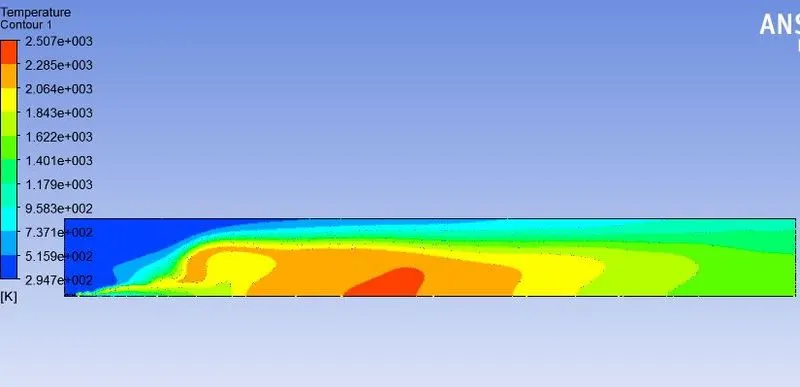
Temperature Contour:
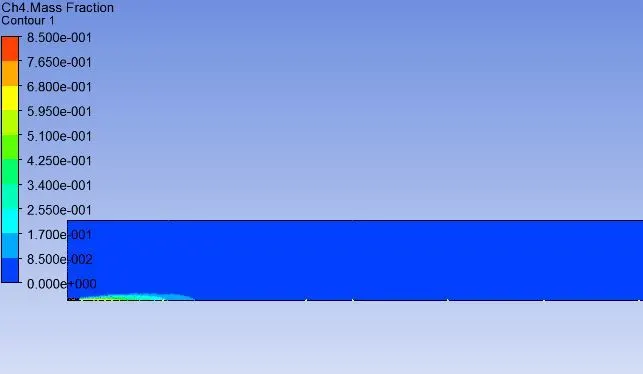
CH4 Mass fraction:
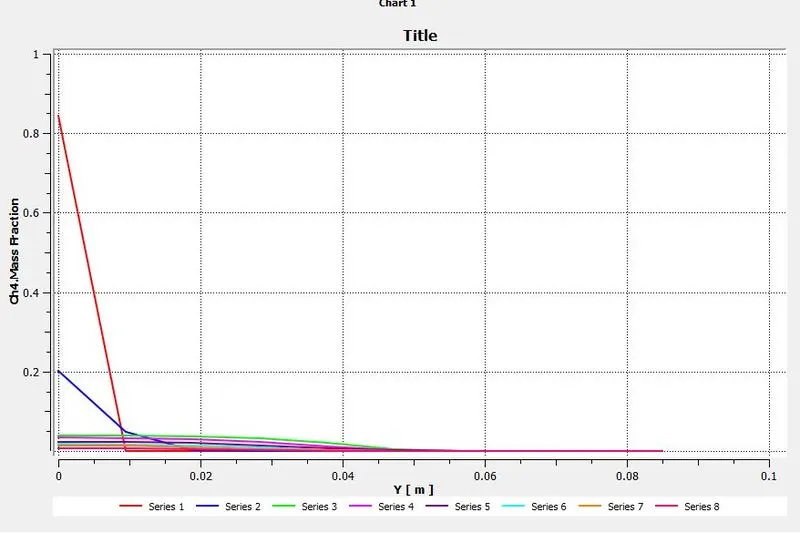
CH4 Mass farction:
H2O Mass fraction:
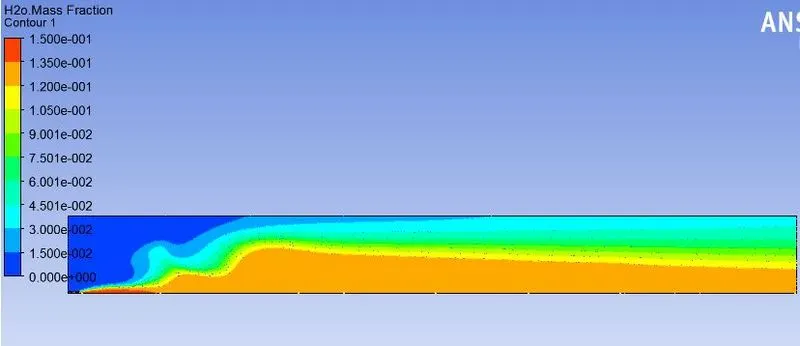
H20 Mass Fraction:
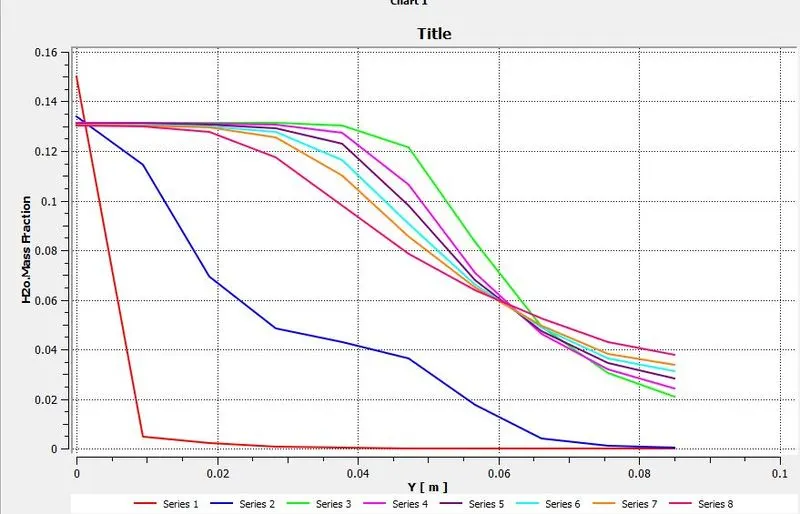
CO2 Mass fraction:
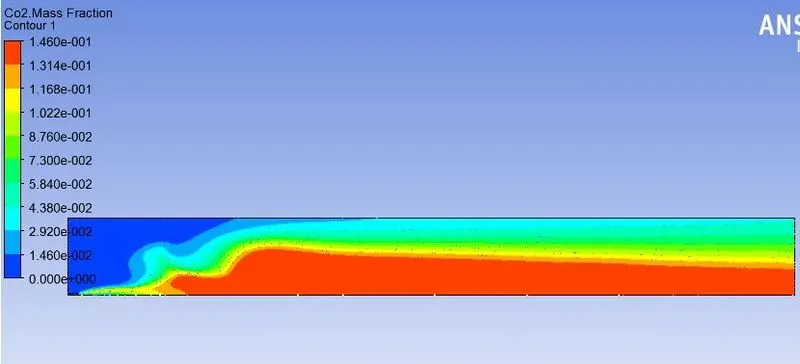
CO2 Mass fraction:
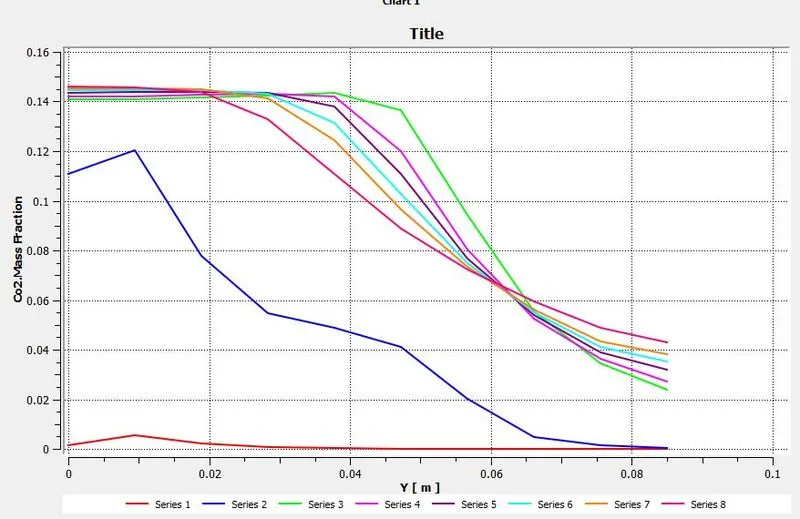
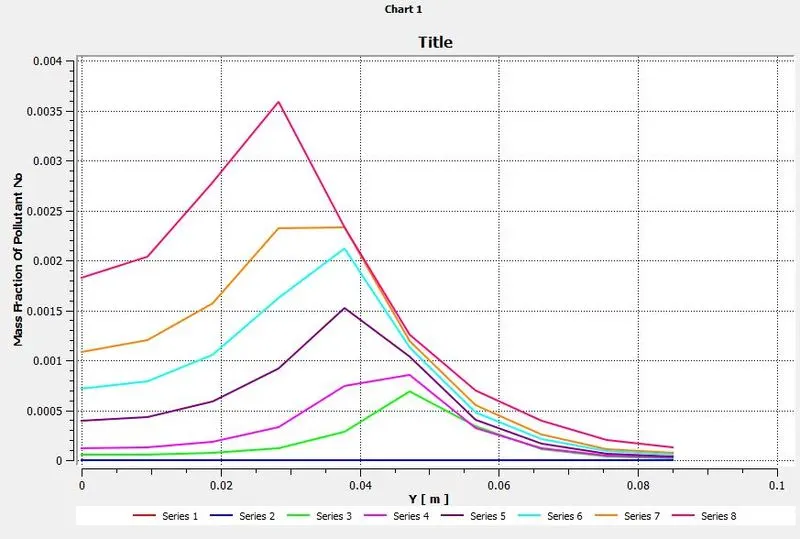
Mass fraction of pollutant No:
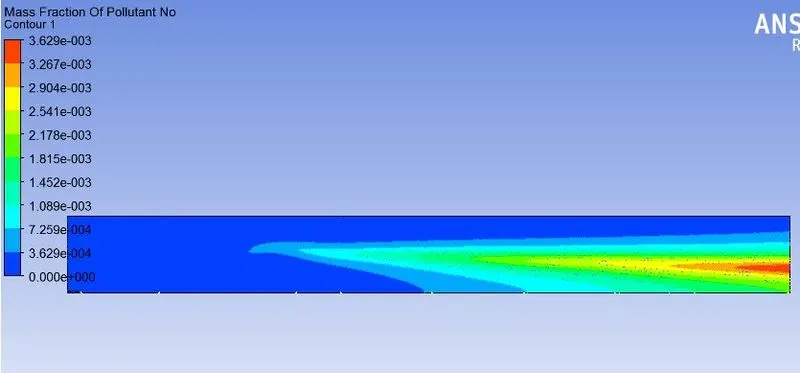
Mass Fraction of No:
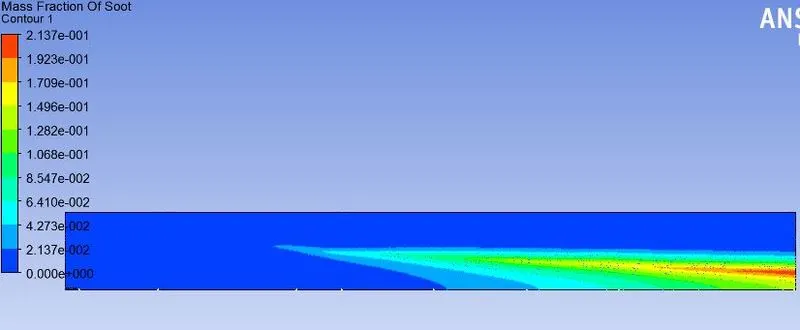
Soot Mass Fraction:
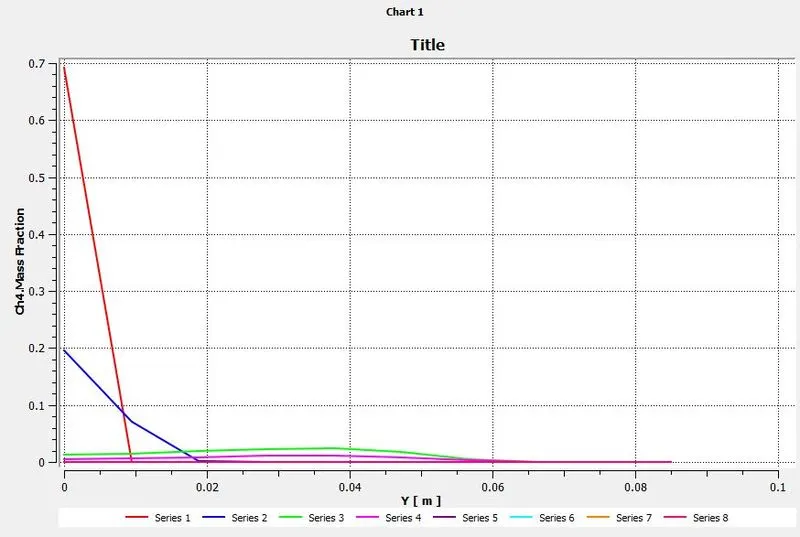
Case-3 CH4-0.7, H20-0.3:
CH4 Mass Fraction:
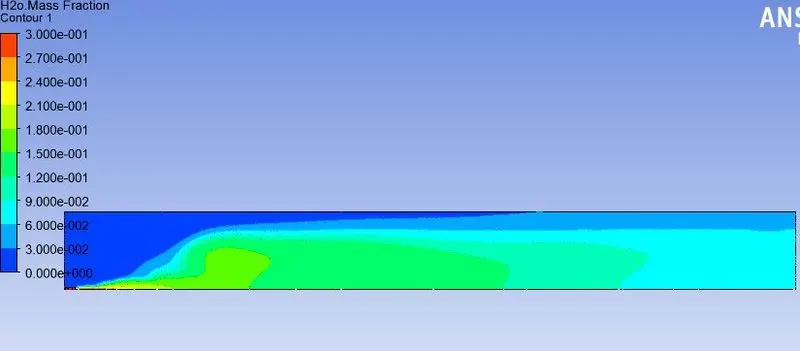
H2O Mass fraction:
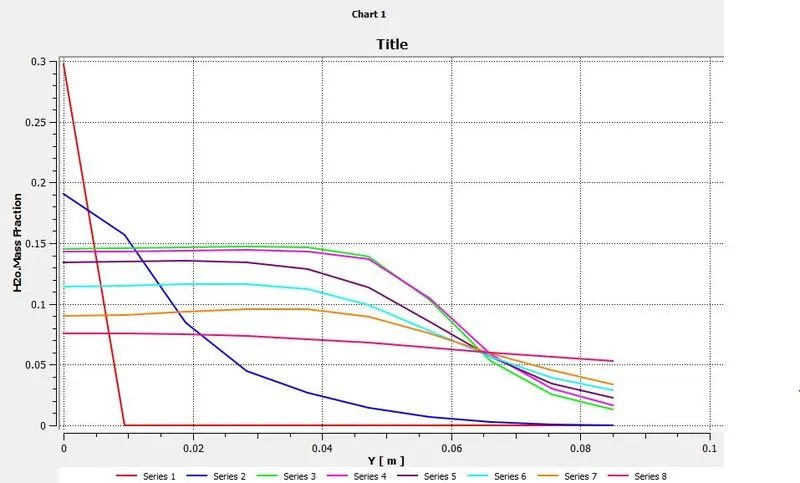
H2O Mass Fraction:
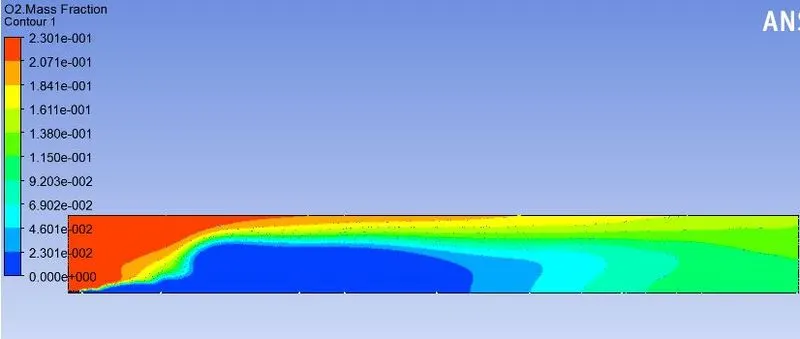
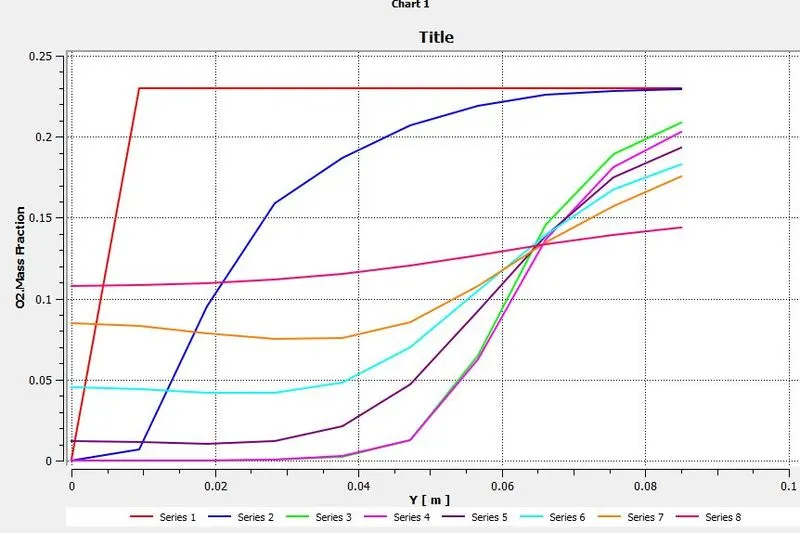
O2 Mass Fraction:
O2 mass fraction:
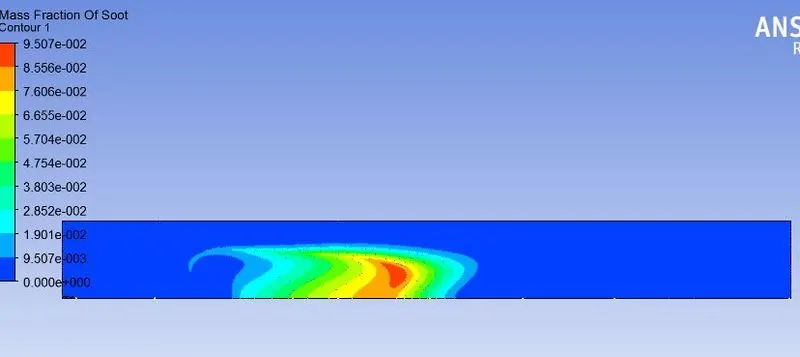
Soot Mass fraction:
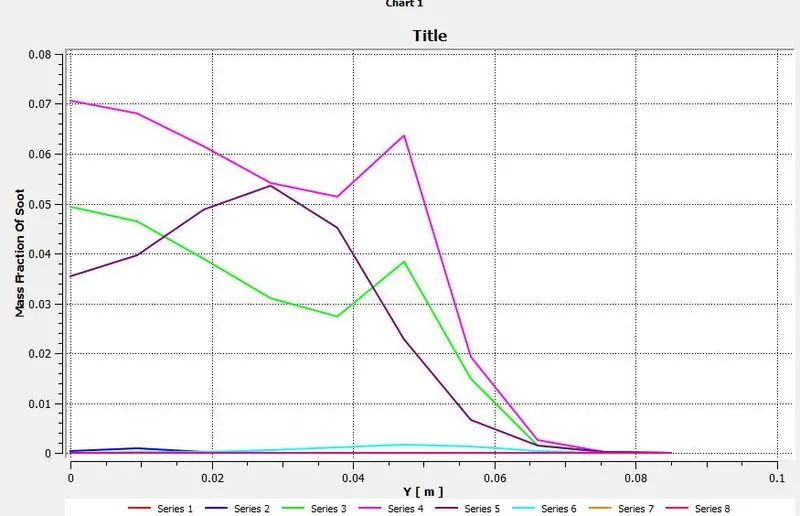
Soot Mass Fraction:
CONCLUSION:
The numerical analysis for the given combustor model under steady-state conditions for rich fuel conditions and different values of water content in the fuel by mole, using the Realisable k-ε turbulence model, Species model, and NOx and soot models in ANSYS Fluent 2021 was well understood. It was realized that for a sufficient value of the large-eddy mixing time scale, kε, a combustion process could be initiated and driven by turbulence using the eddy-dissipation model, and the presence and concentration of different species, in terms of their mass fractions, involved could be visualized both along and across the combustor model. A significant decrease in the mass fraction of soot and NOx species was observed due to the addition of varying water content in the fuel by mole, however, this technique also tends to enhance the presence of CO (carbon monoxide) and HC levels during emissions beyond a certain limit which is its major drawback. Moreover, the water needs to be treated before being used in fuel depending on the application, which presents its own challenges in terms of storage, pumping, and handling of water also varying in capacity therefore this approach has largely been employed in standalone industrial plants that are often located near the vicinity of a large reservoir.