Week 10 - Simulating Combustion of Natural Gas.
Aim:To Perform a combustion simulation on the combustor model and plot the variaion of the mass fraction of the different species
Objective
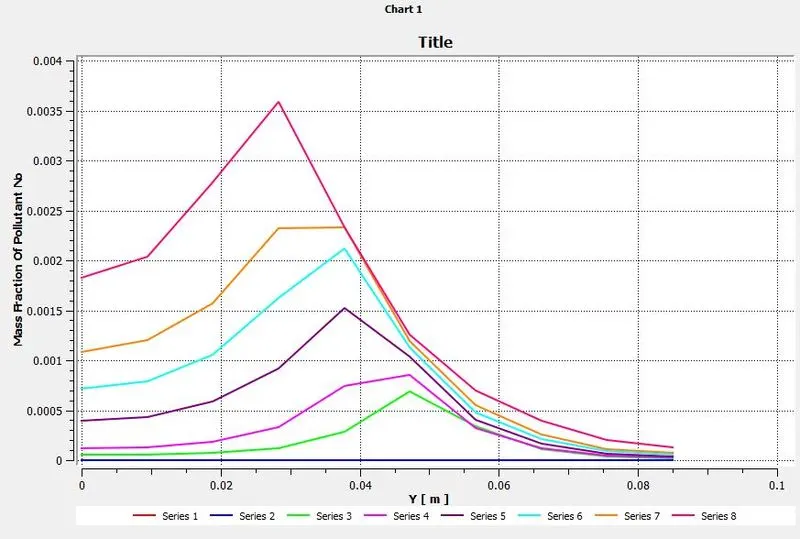
- To perform the simulation by adding the water content in the fuel from 5% to 30%by mole and observe the effect of NOx on the result
- To plot the diiferent type of mass fraction on line probes at different location of the combustor.
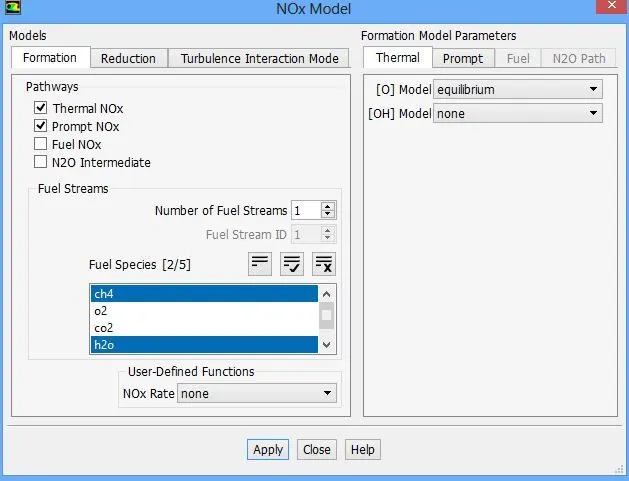
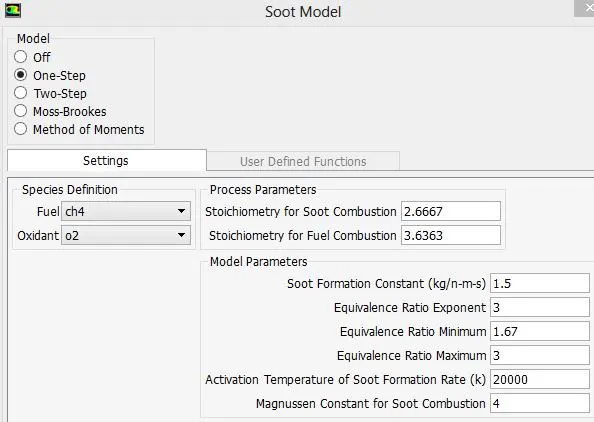
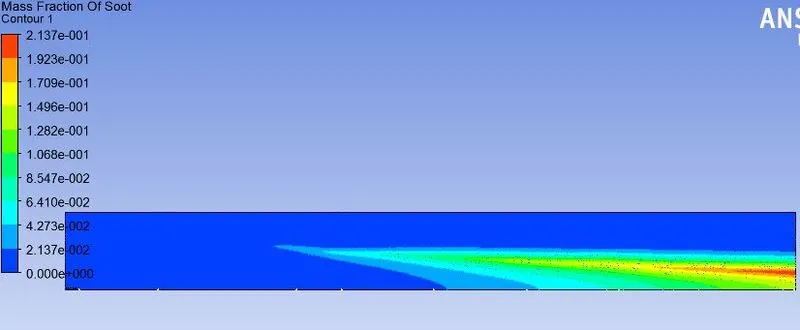
- To study the eddy dissipation model and to study the behaviour of NOx emission reduction and soot formatin inside the burner
Theory
Combustion is exothermic chemical reaction of a fuel with an oxidant to the product.Basically there are two types of combustion, Flame mode and Non-flame mode.In flame mode 'flame' a thin zone of intense chemical reaction exist. In non-flame mode volumetric combustion process is existed. The application of combustion model is in to various kind of reacting flow such as Gas Turbine, Burner,Furnace, IC Engine, Rocket Engine etc.
Geometry
- Importing 3D model into the spaceclaim for cleanup
- By assuming combustion proparties are axisymmetric,split the domain with different planes in order to use the extracted mid-2D geometry for the analysis
- enable the share topology option
Mesh
- Naming the boundary condetion as air inlet, fuel inlet and wall
- Generated Mesh by capturing curvature and proximity
Case setup
Solver Type- Pressure Based
Velocity Formulation-Absolute
2D Space -Axisymmetric
Time- Steady state
Viscous model - k-epsilon turbulence model with scalable wall function, Energy-on
Models- species -Transport-on
Materials- Air, methane -air -mixture -2step
Air inlet- velocity inlet (0.5m/s, 300K temperature, species O2=0.21 (mole fraction)
Fuel inlet- Velocity inlet( velocity 80m/s , temperature 300K) species (CH4 and H2O)
outlet- Pressure outlet
Walls- stationary walls
Axis- Axisymmetric
Solution-Pressure -Velocity coupled
NOx Model
SOOT Model
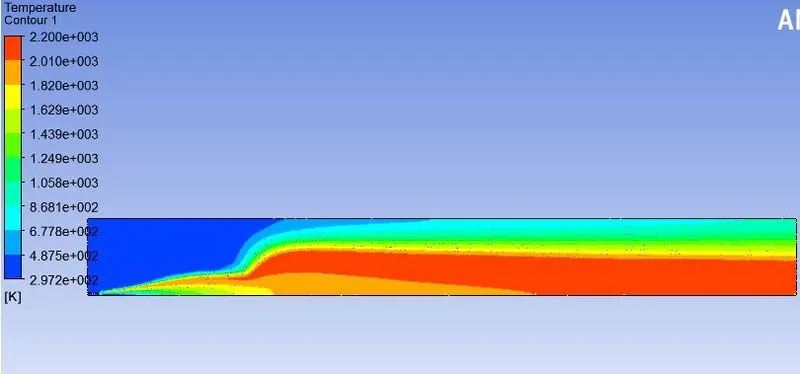
Case-1,CH4=1 and H2O =0
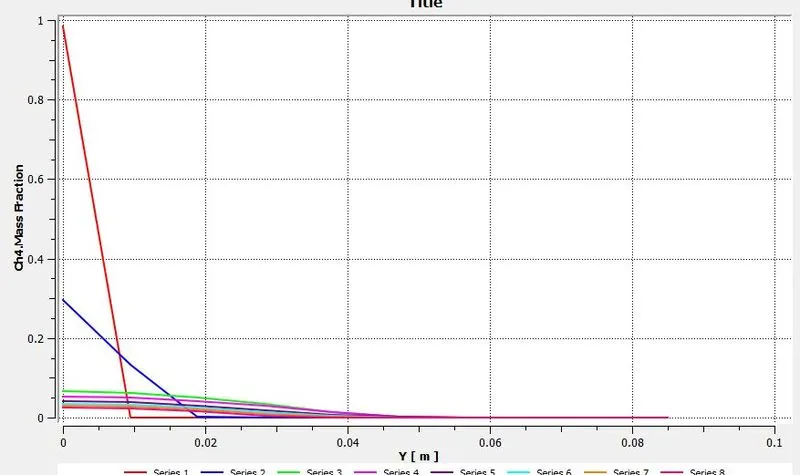
CH4 mass fraction
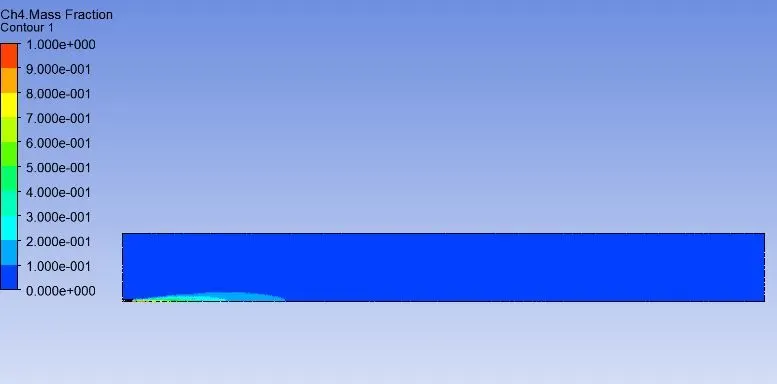
CH4 Mass fraction
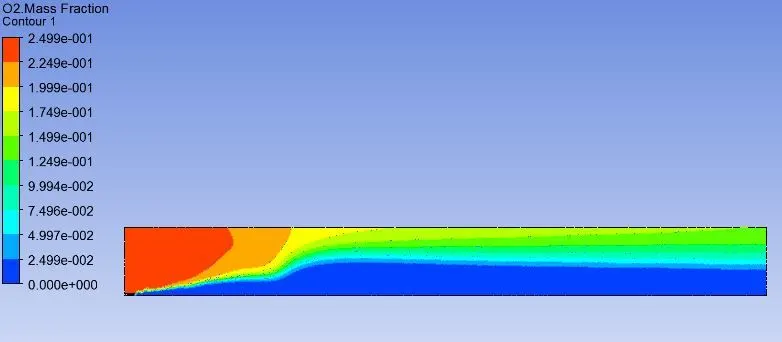
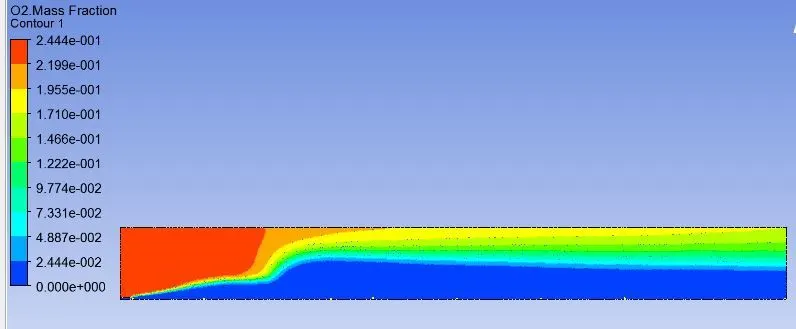
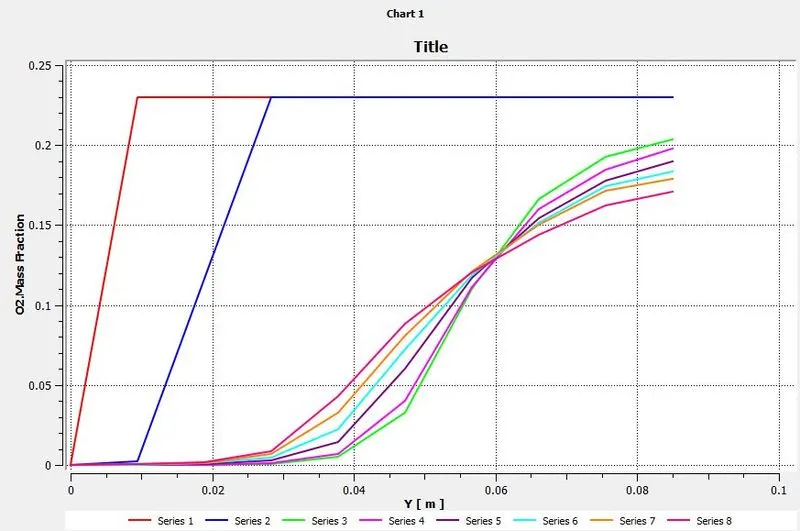
O2 Mass Fraction
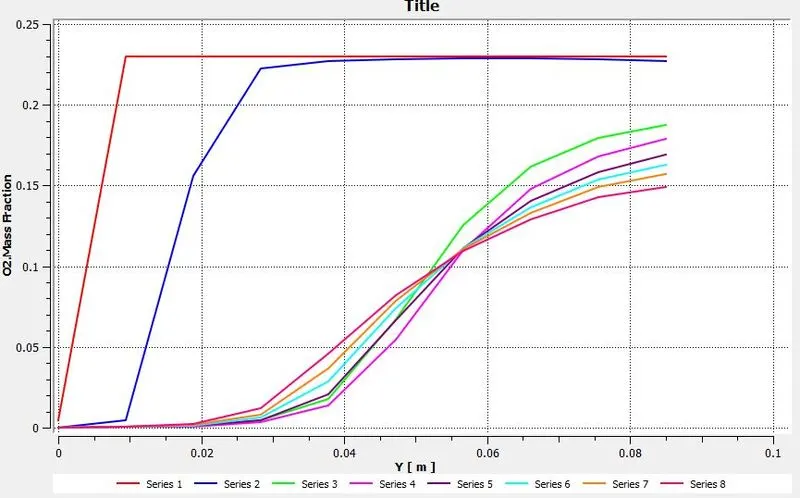
O2 mass fraction Plot
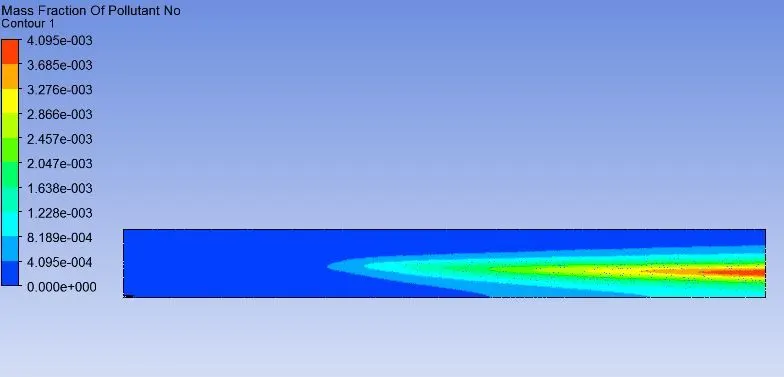
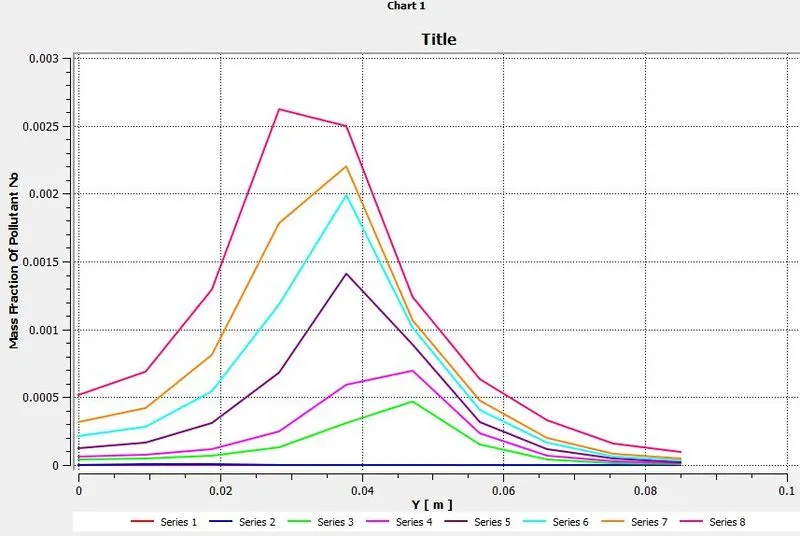
Mass fraction of pollutant NO
Case-2 CH4=0.95, H20=0.05
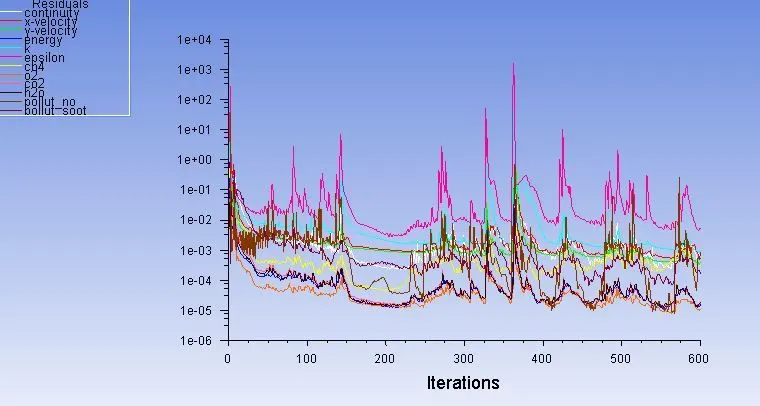
Residual
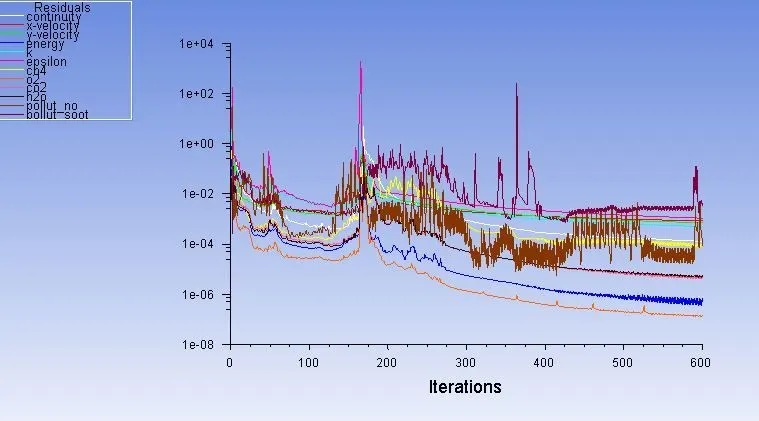
CH4 Mass Fraction
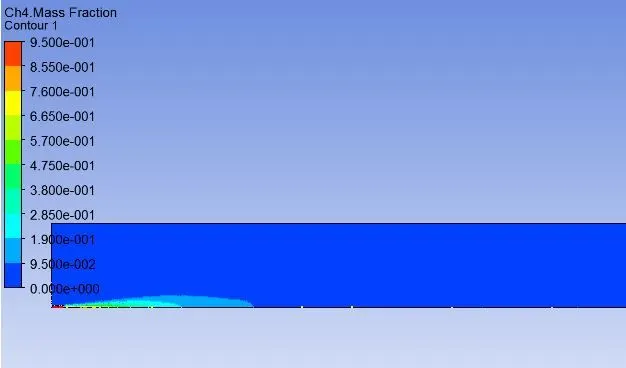
CH4 Mass fraction
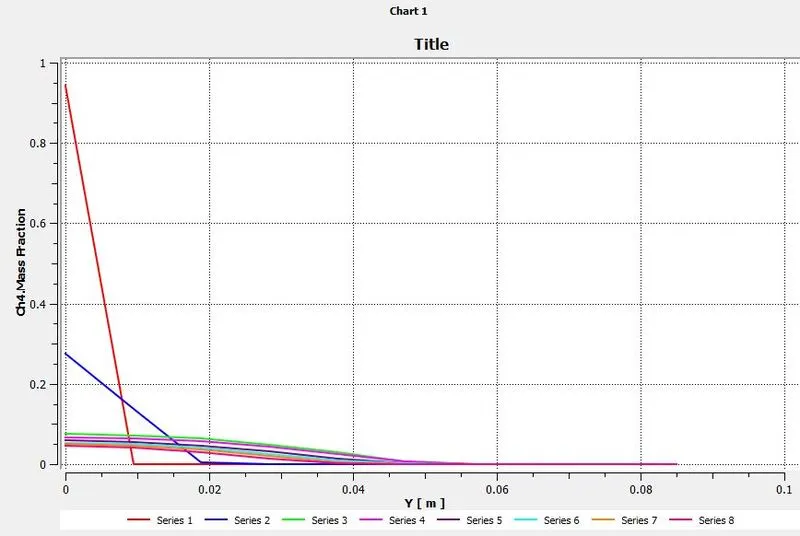
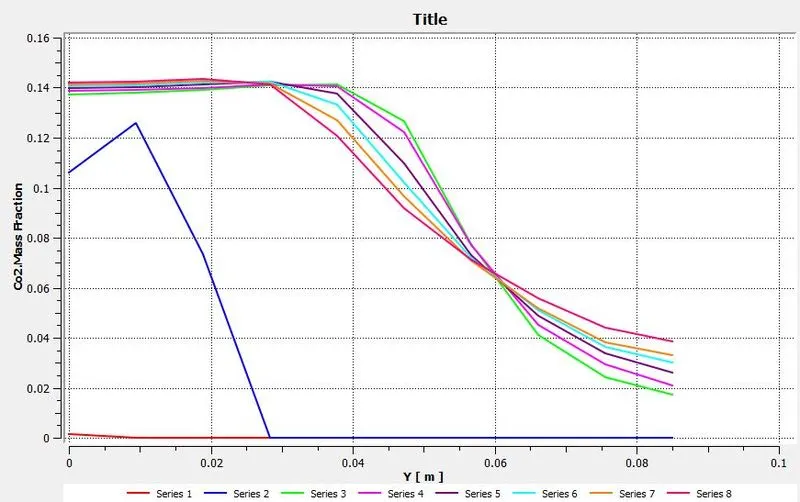
CO2 Mass fraction
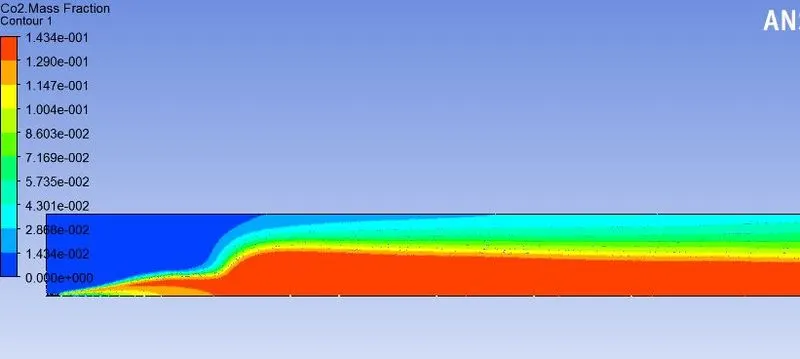
CO2 Mass Fraction
Mass fraction of pollutant NO
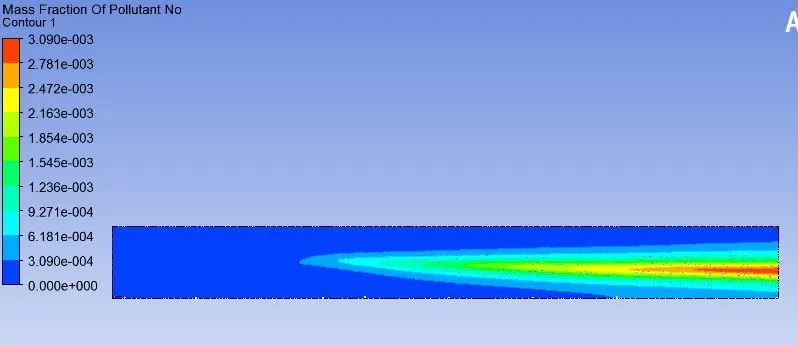
Mass fraction of pollutant NO
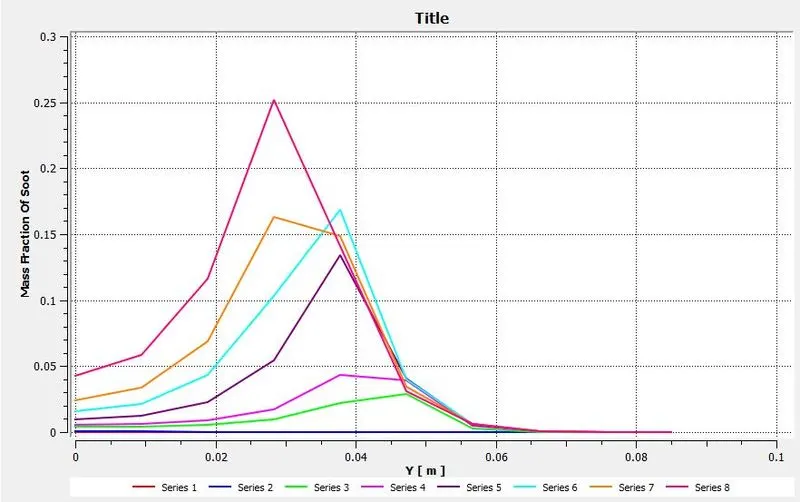
Mass Fraction of soot
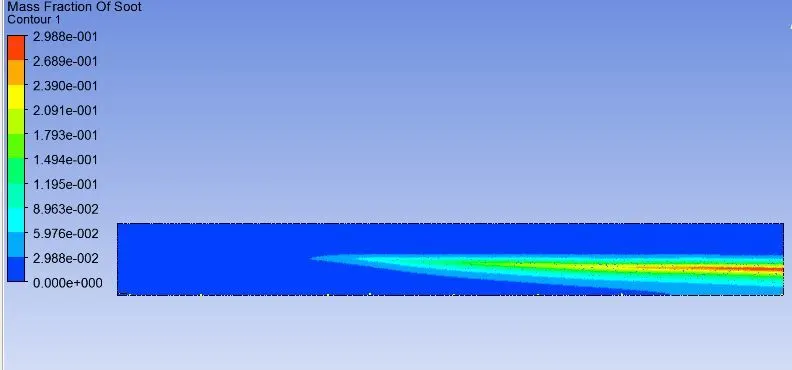
Mass Fraction of Soot
O2 Mass Fraction
CO2 Mass Fraction
Case-3 - CH4-0.85, H20-0.15
Residual
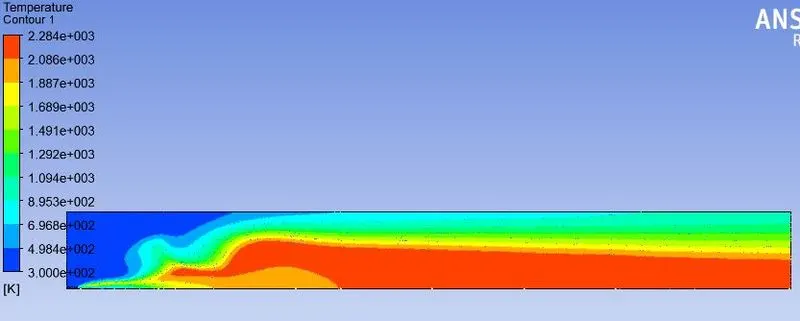
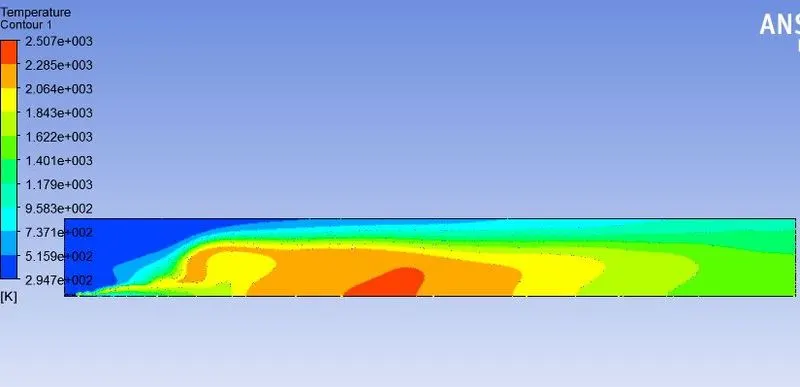
Temperature Contour
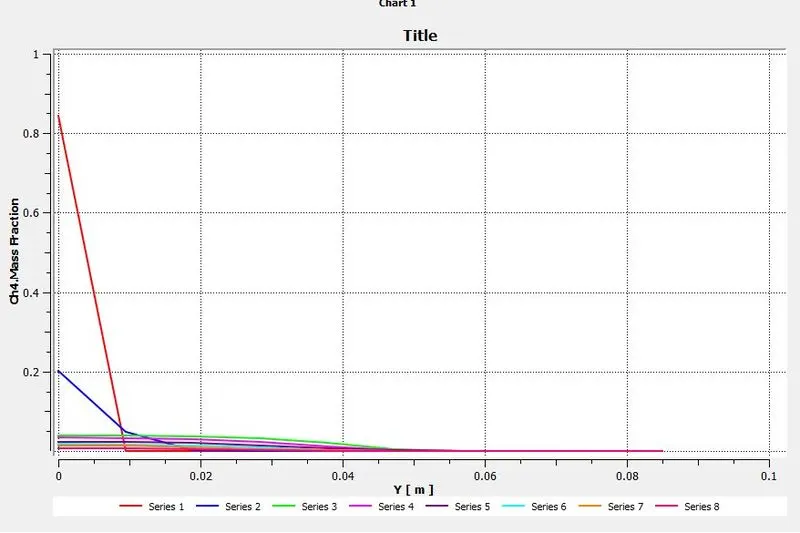
CH4 Mass fraction
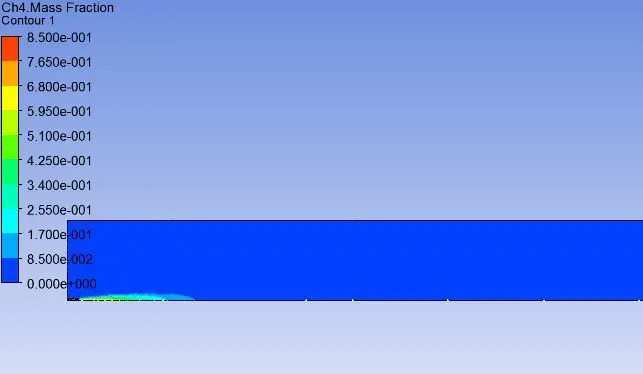
CH4 Mass farction
H2O Mass fraction
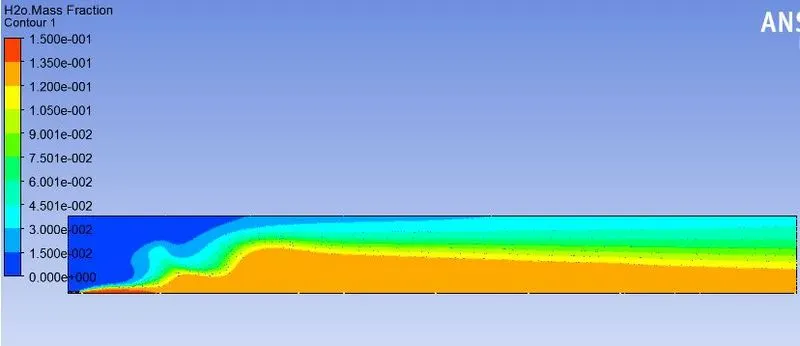
H20 Mass Fraction
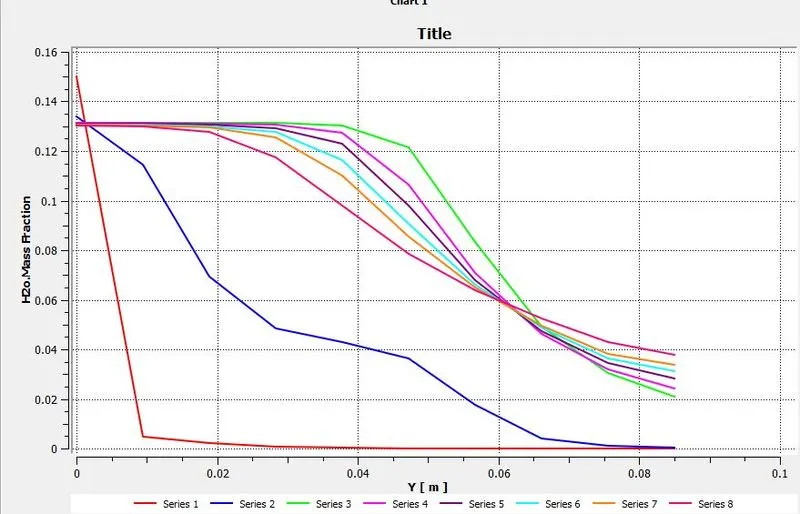
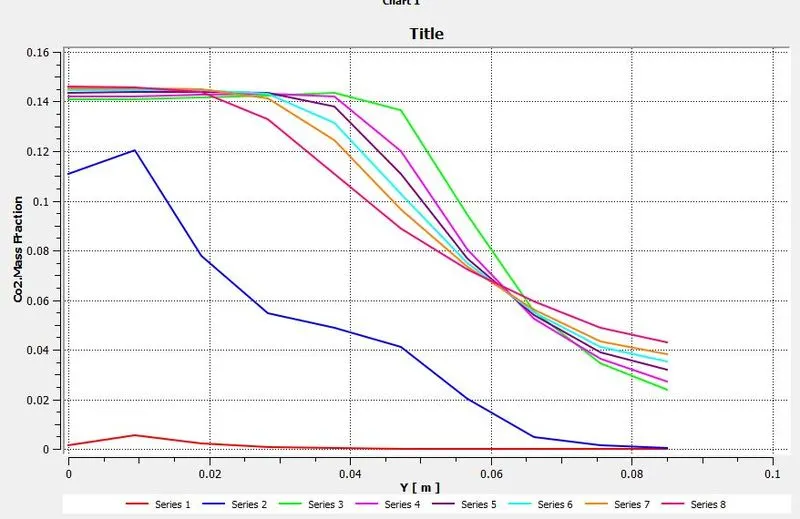
CO2 Mass fraction
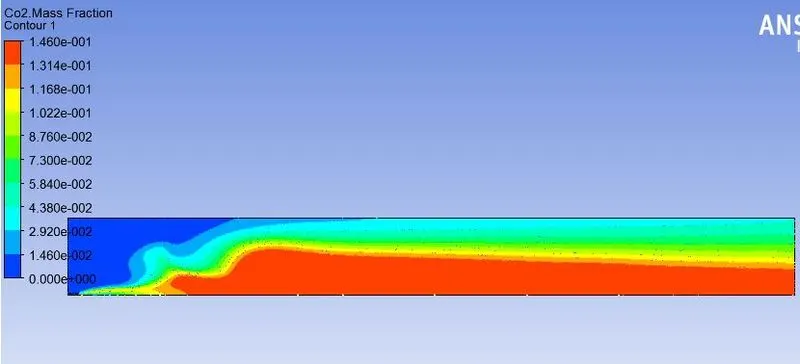
CO2 Mass fraction
Mass fraction of pollutant No
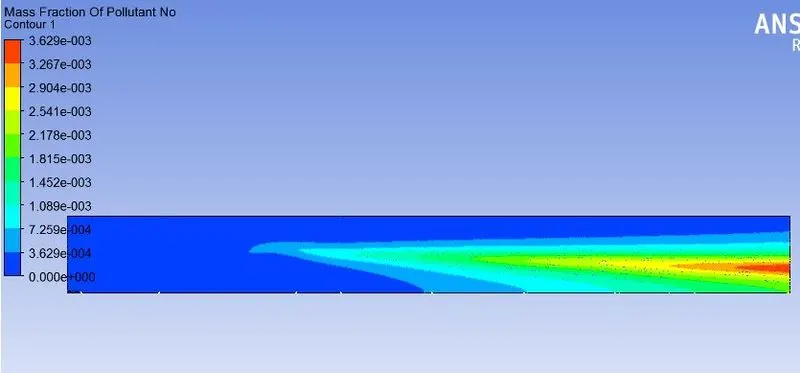
Mass Fraction of No
Soot Mass Fraction
Case-3 CH4-0.7, H20-0.3
CH4 Mass fraction
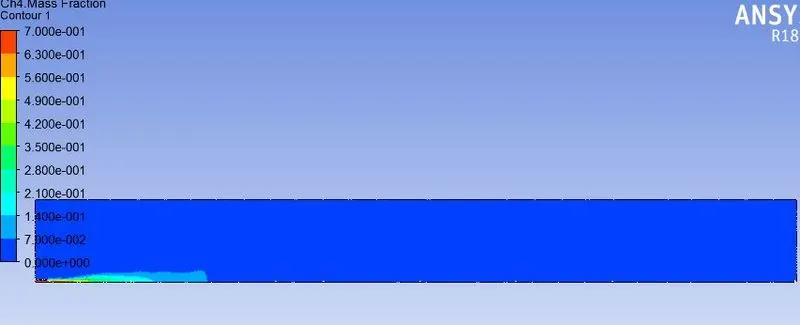
CH4 Mass Fraction
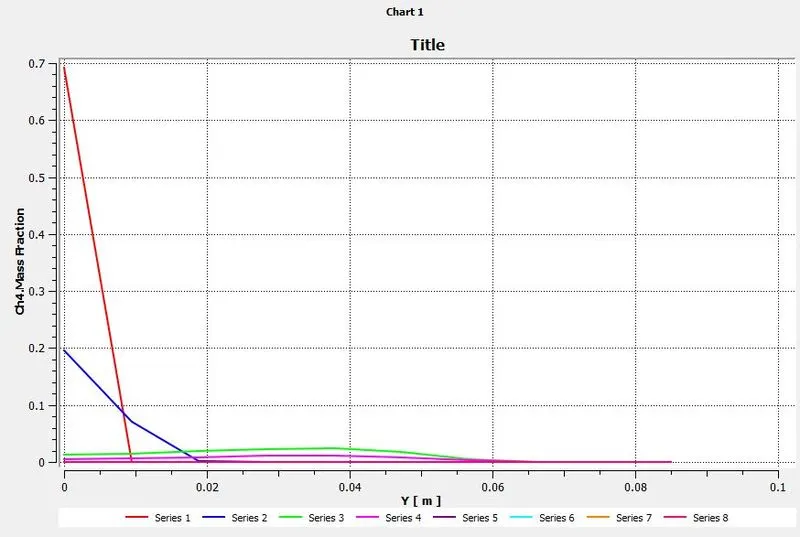
H2O Mass fraction
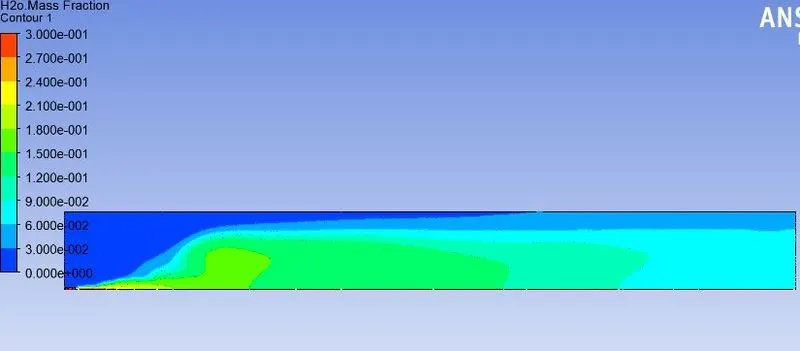
H2O Mass Fraction
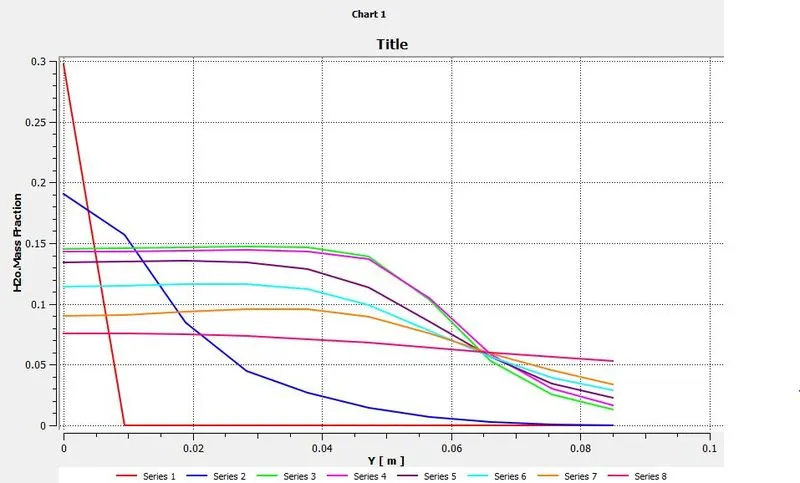
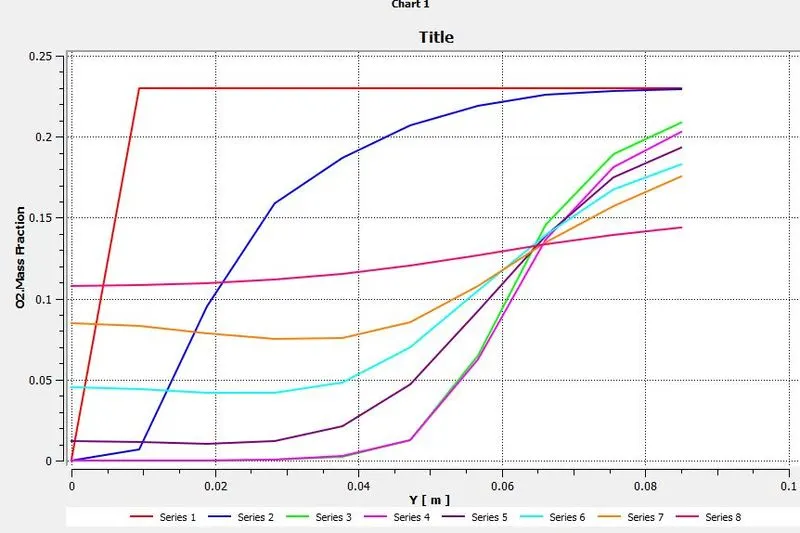
O2 Mass Fraction
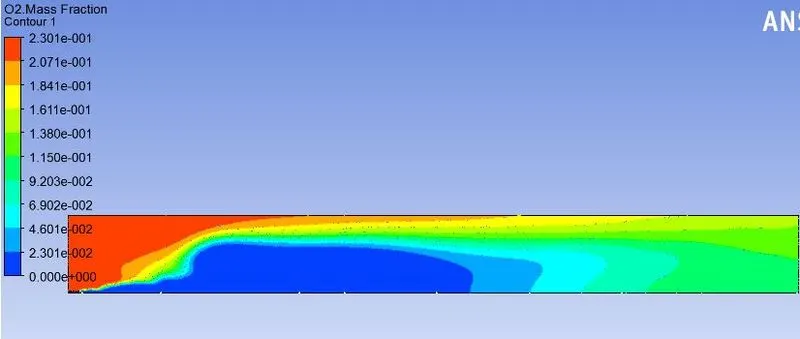
O2 mass fraction
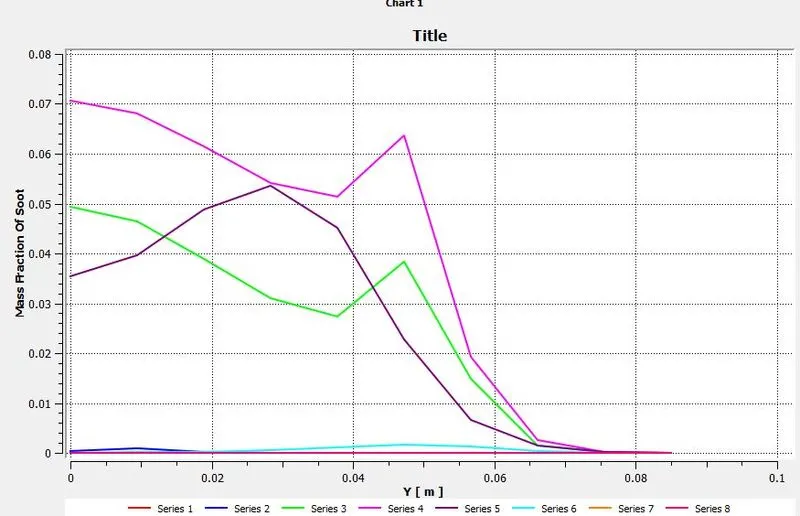
Soot Mass fraction
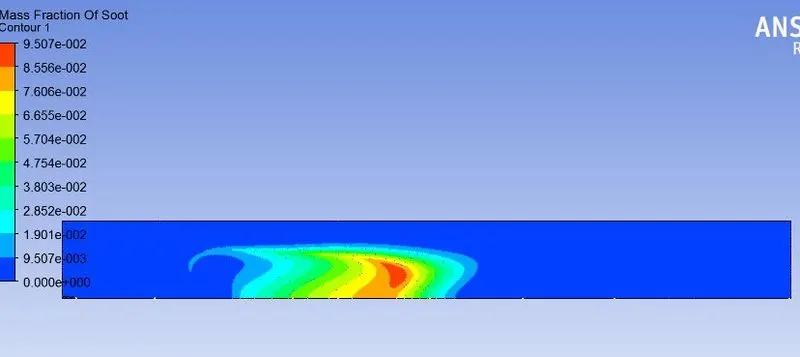
Soot Mass Fraction
Conclusion
- The temperature dropd as we increase the addition of water to the fuel from 5% to 30%
- Mass fraction of CO2 decreases as water percentage increases
- The mass fraction of N2 is almost constant for all the cases.