Week 10 - Simulating Combustion of Natural Gas.
Objective:
To perform a simulation of natural gas in a combustor model and plot the mass fraction of different species .
To find:
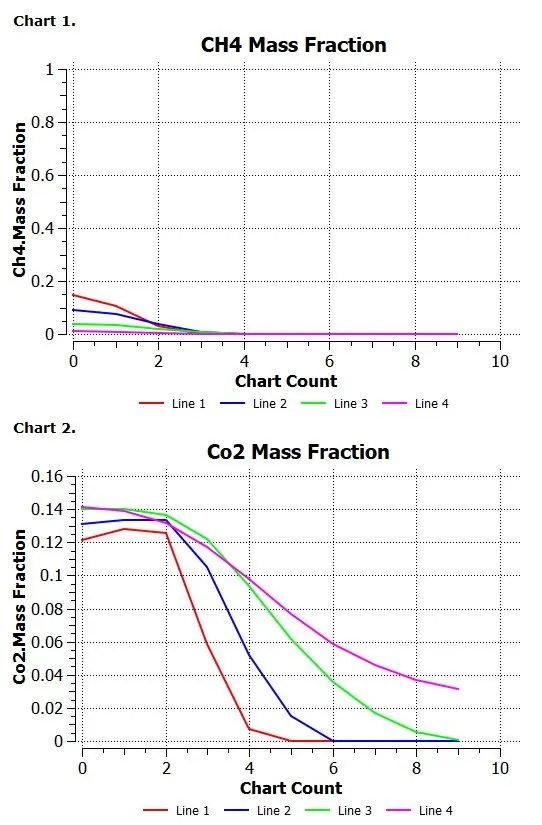
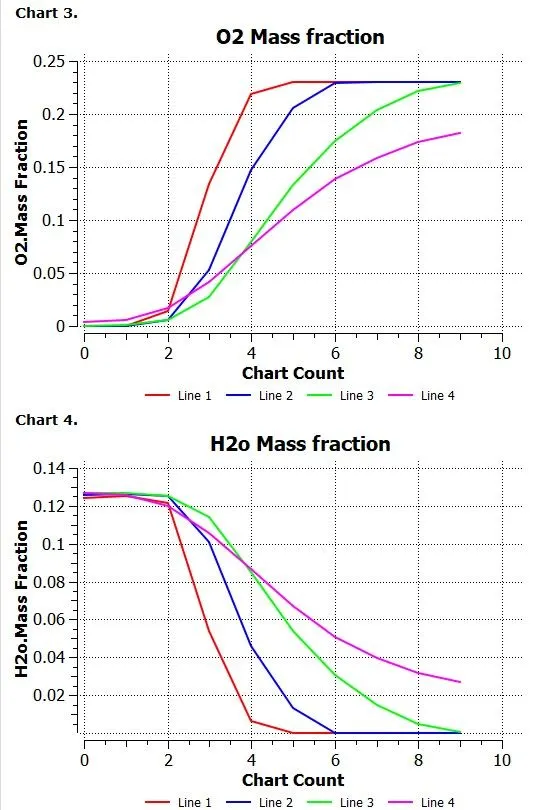
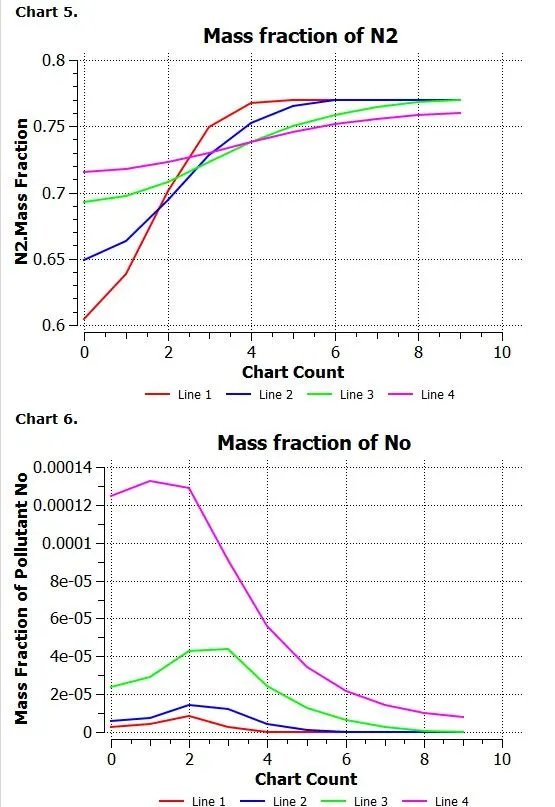
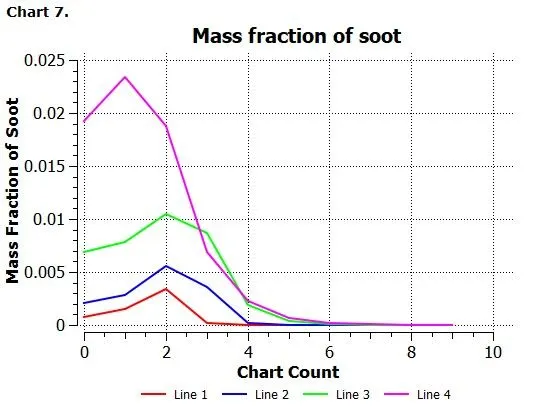
- Perform a combustion simulation on the combustor model and plot the variation of the mass fraction of CO2, H2O, CH4, N2, O2, NOx emissions & Soot formation.
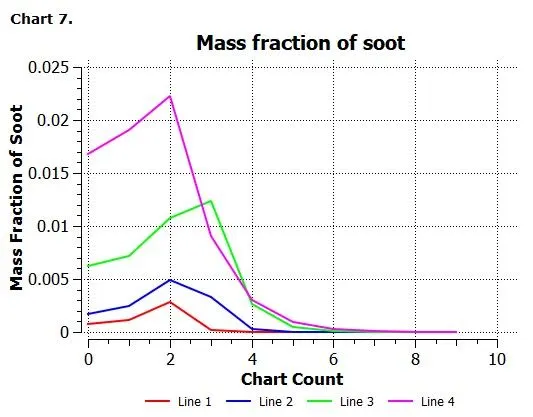
- To add the water content in the fuel from 5% to 30% by mole and observe the effect of it on the mass fraction of species and emissions.
Given:
- Methane-air-2step as fuel.
- use one-step soot model to calculate the soot formation.
Introduction:
Combustion:
Combustion is a chemical process during which heat energy is generated. During combustion, the Hydro-carbon and Oxygen combined when a spark is introduced chemical reaction takes place and forms CO2 and H2O.Due to the presence of nitrogen in the atmosphere during high-temperature NOx pollutants and various pollutants will form during combustion.When refined and burned, natural gas can produce 25–30% less carbon dioxide per joule delivered than oil, and 40–45% less than coal. It can also produce potentially fewer toxic pollutants than other hydrocarbon fuels.
Combustion Method and model:
Mixing model: Eddy dissipation model
Geometry:
3D model:
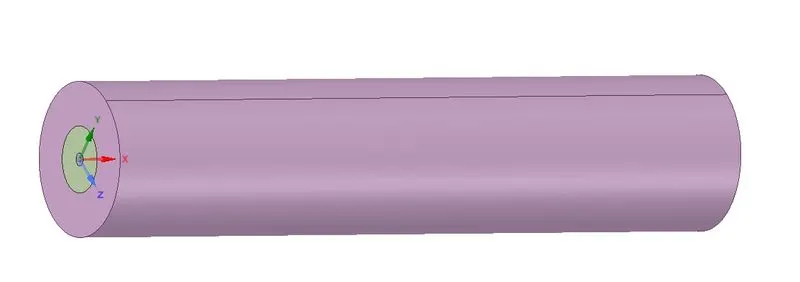
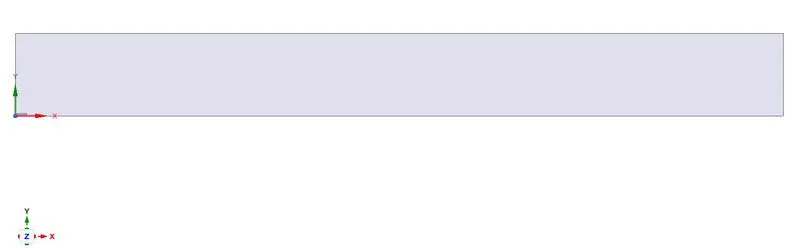
The 3D model is converted into 2D axissymmetric model using split body in spaceclaim.The geometry is copied and combined into a 2d model.
2D model:
Mesh:
Element size: 2mm
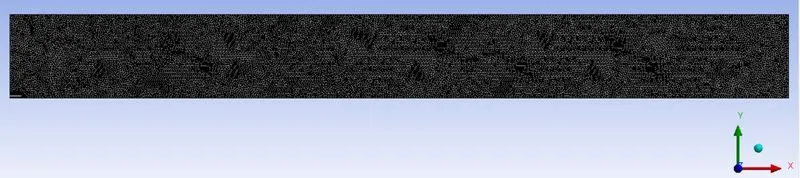
Nodes:19292
Elements:37650
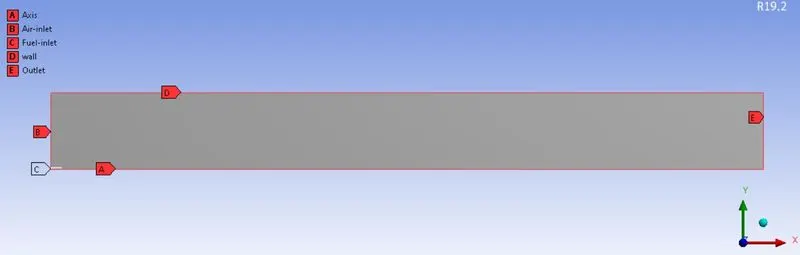
Part-I
Model and solver:
Model:k-epsilon turbulence model
standard
Energy on
Hybrid initalization
Inlet:
Air inlet velocity-0.5m/s
Fuel inlet velocity-80m/s
Temperature-300K
Species:
- CH4
- O2
- N2
- CO2
- H2O
- NOx
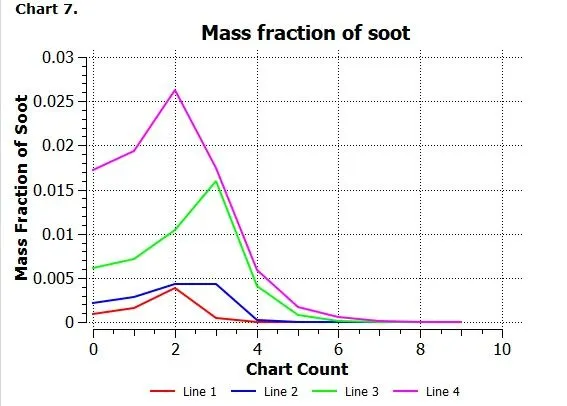
- SOOT
Plots:
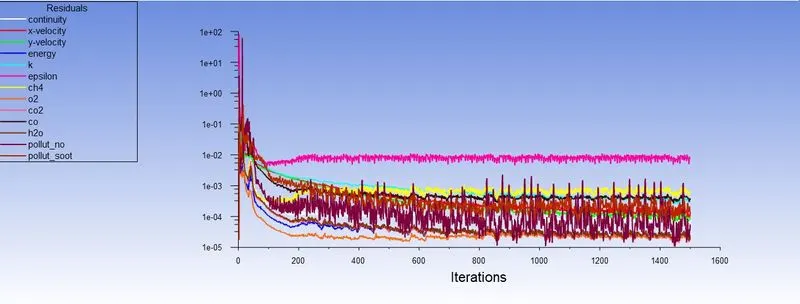
Scaled residuals:
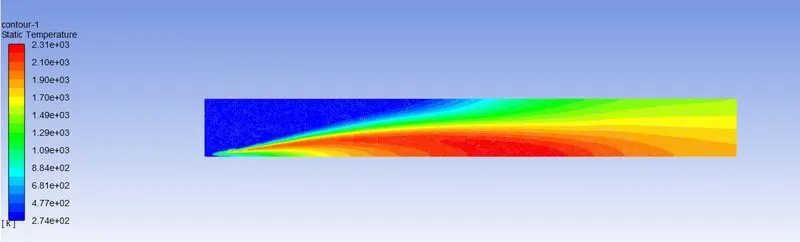
Temperature contour:
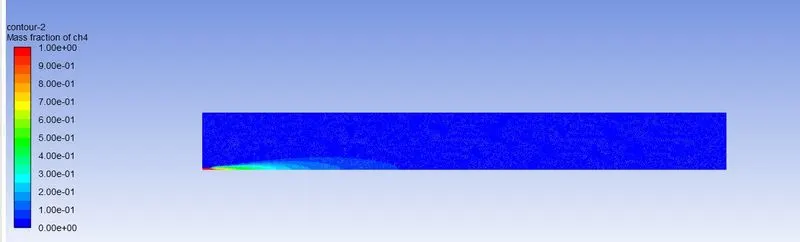
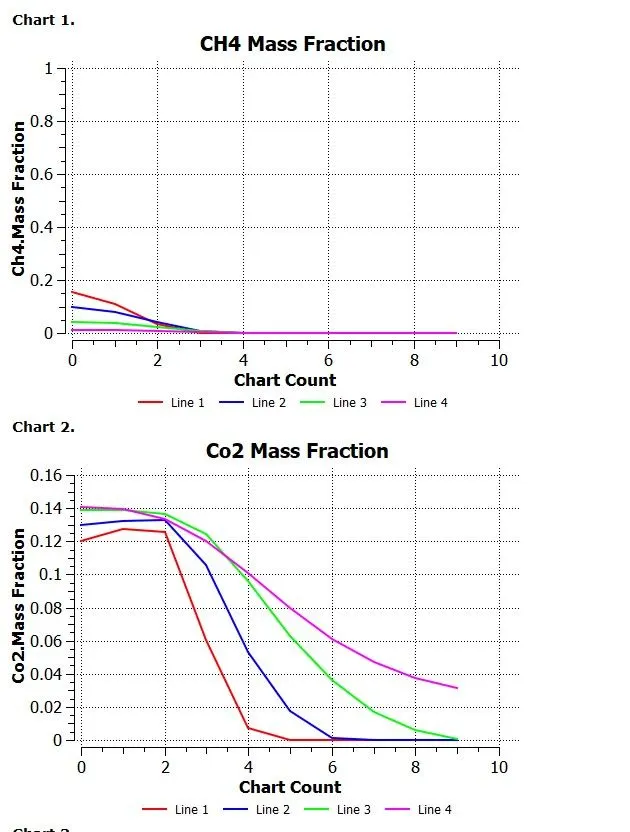
Mass fraction of CH4:
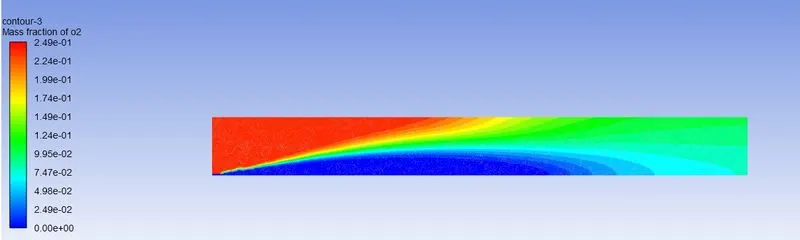
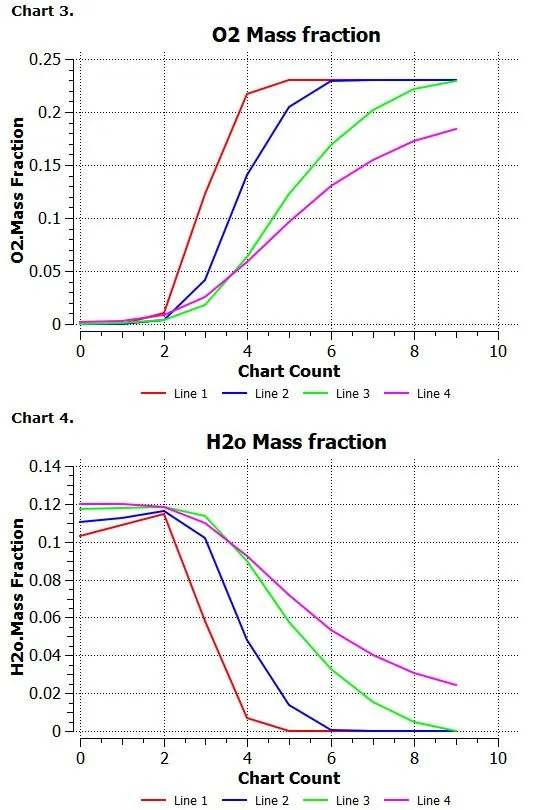
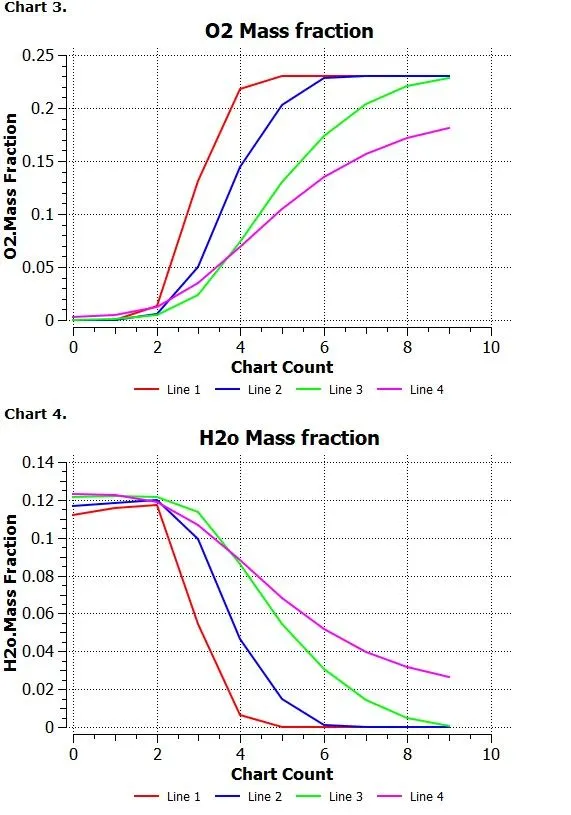
Mass fraction of O2:
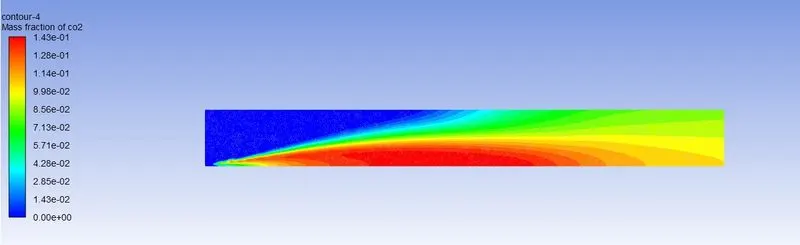
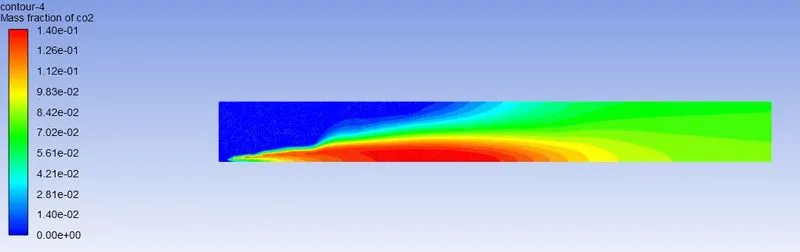
Mass fraction of co2:
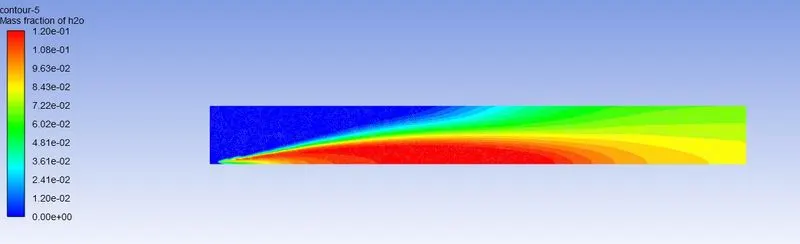
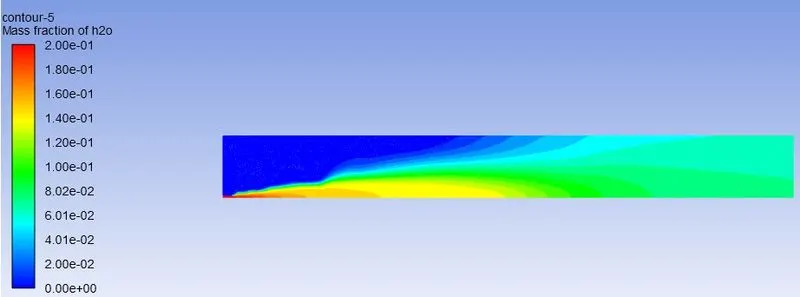
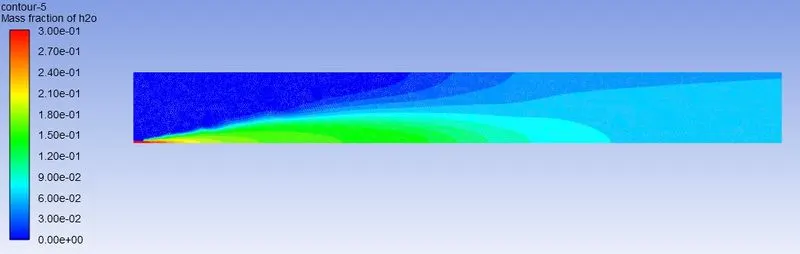
Mass fraction of H20:
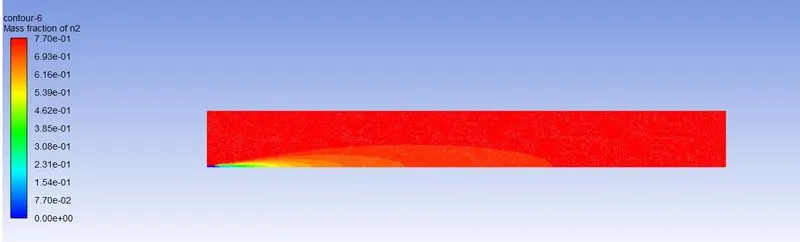
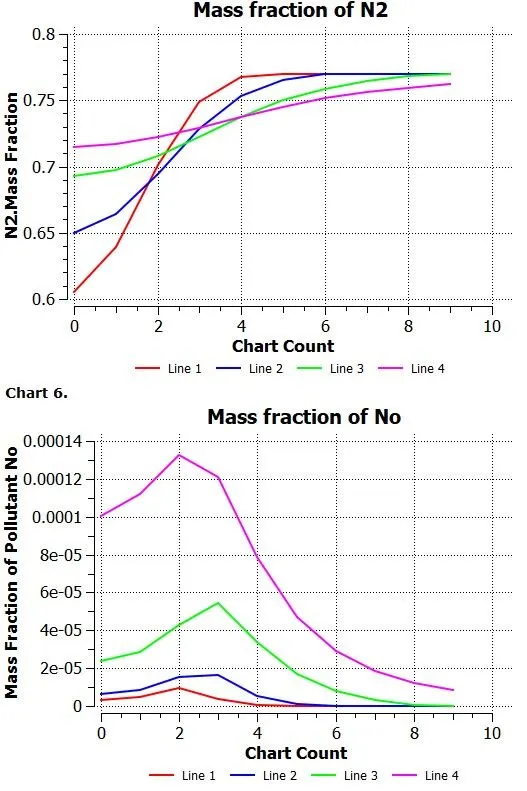
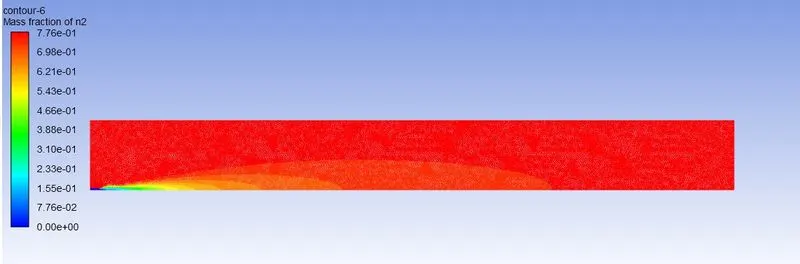
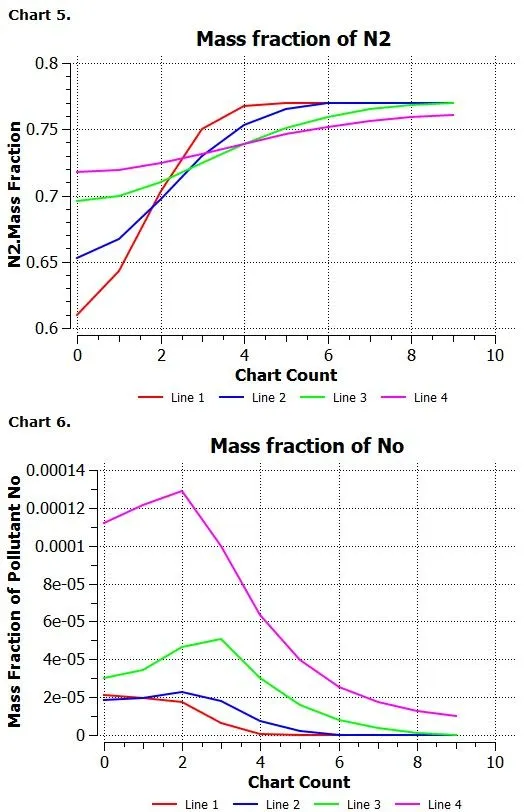
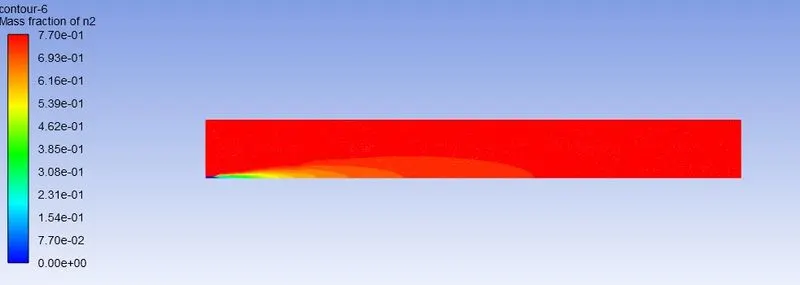
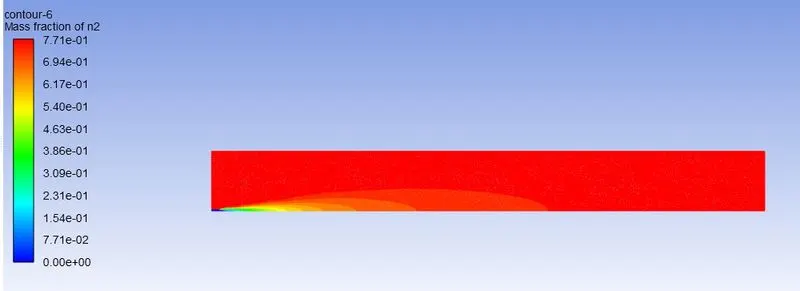
Mass fraction of N2:
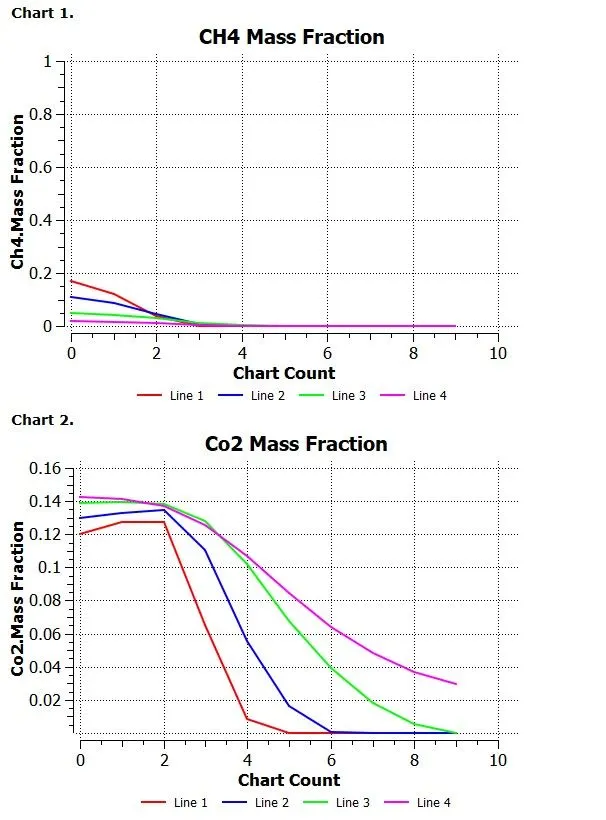
Part-II:
The water content is added to the fuel from 5% to 30% by mole in combustor model.
0.5%H2O:
Scaled residuals:
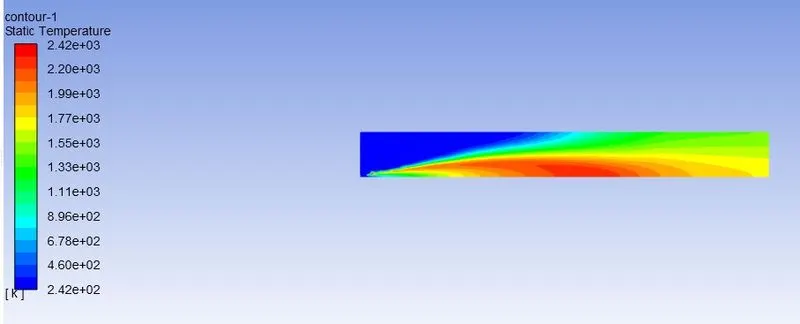
Temperature contour:
Mass fraction of CH4:
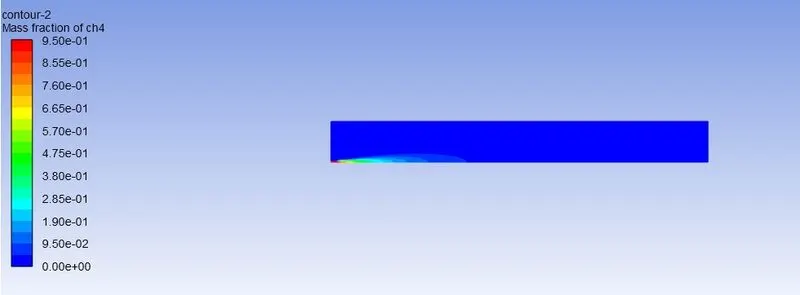
Mass fraction of O2:
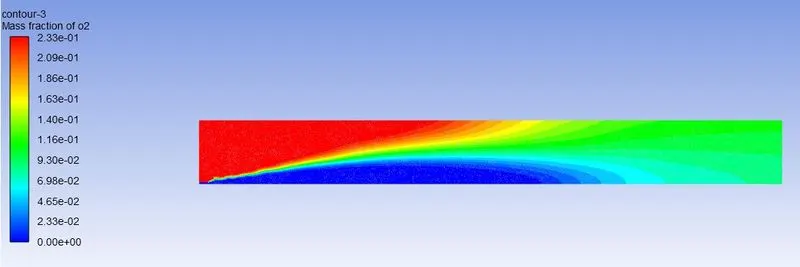
Mass fraction of co2:
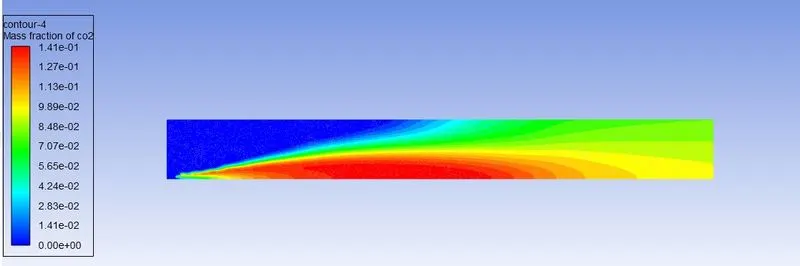
Mass fraction of H2o:
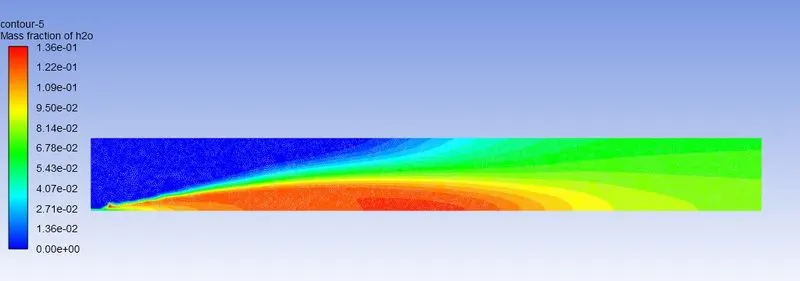
Mass fraction of N2:
10%H2O:
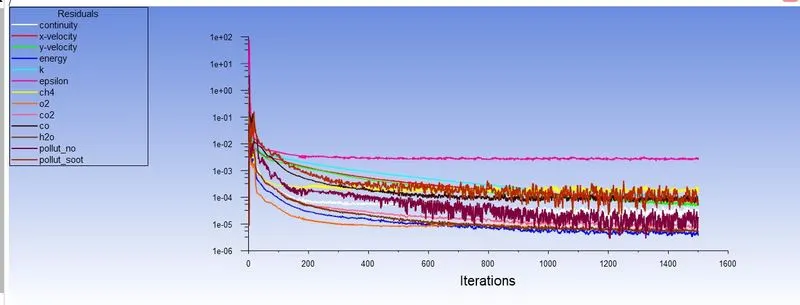
Scaled residuals:
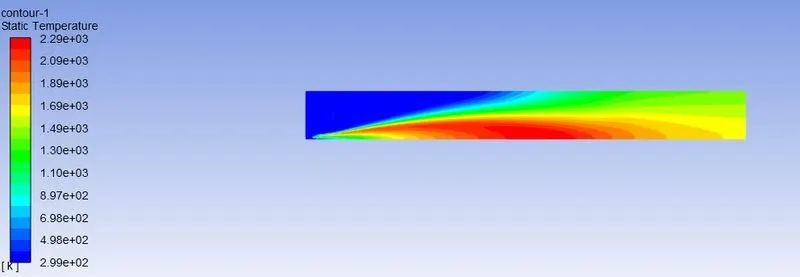
Temperature contour:
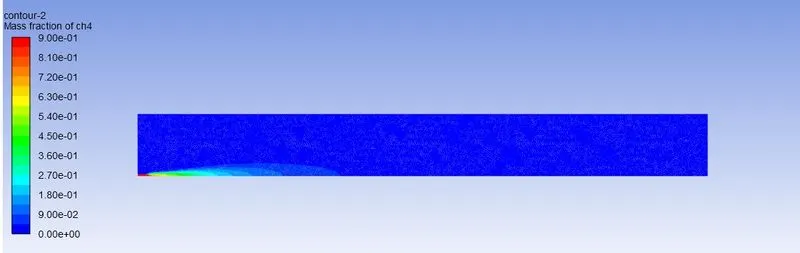
Mass fraction of CH4:
Mass fraction of O2:
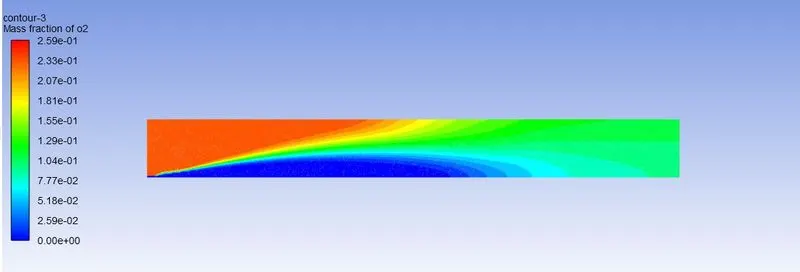
Mass fraction of CO2:
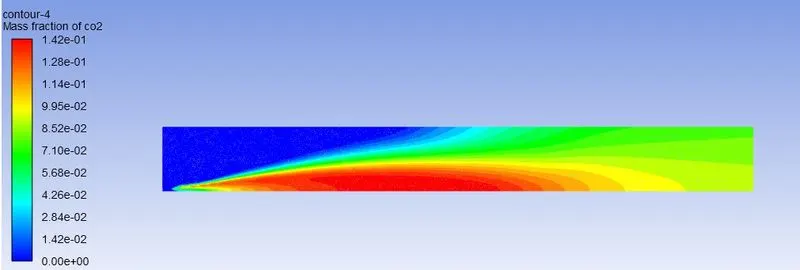
Mass fraction of H2O:
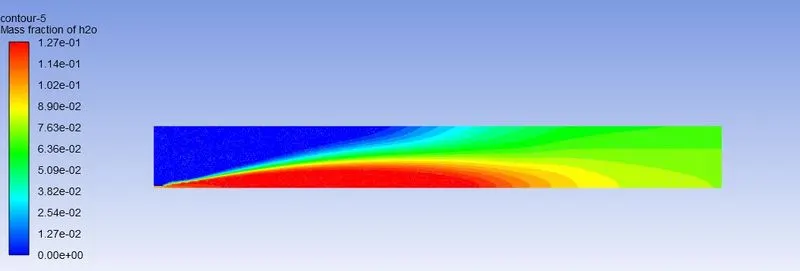
Mass fraction of N2:
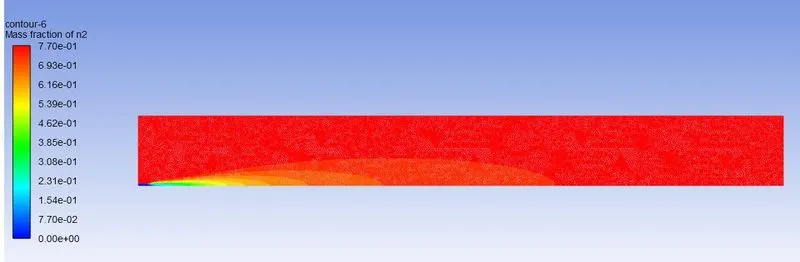
20%H2O:
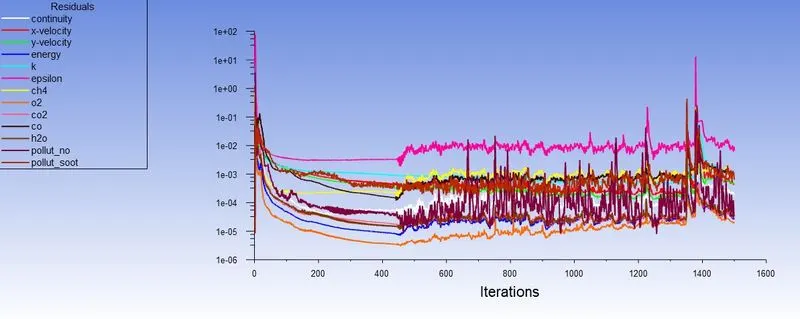
Scaled residuals:
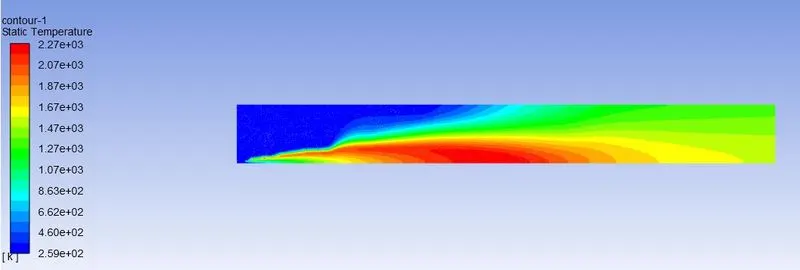
Temperature contour:
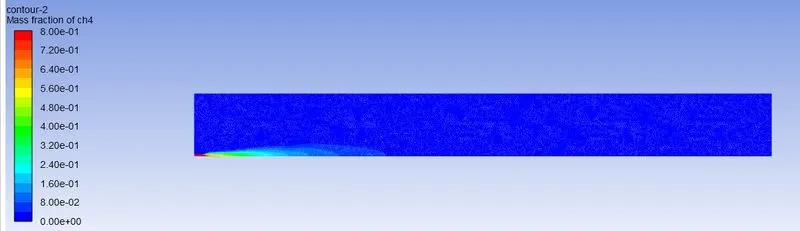
Mass fraction of CH4:
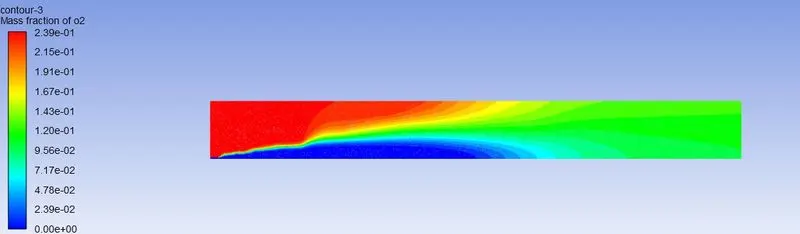
Mass fraction of O2:
Mass fraction of CO2:
Mass fraction of H2O:
Mass fraction of N2:
30%H2O:
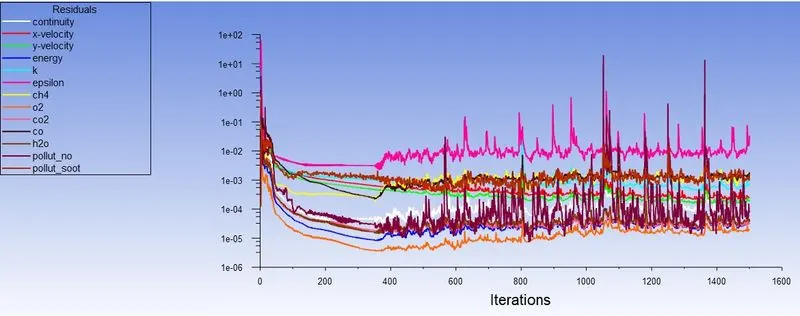
Scaled residuals:
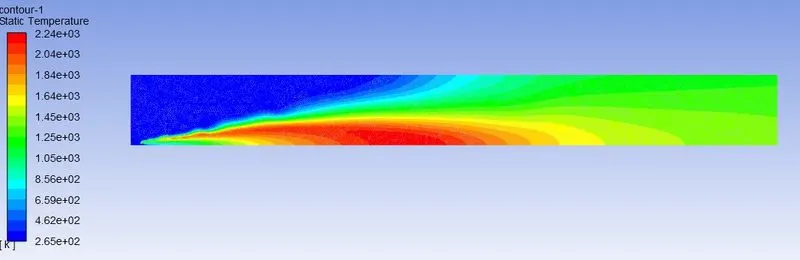
Temperature contour:
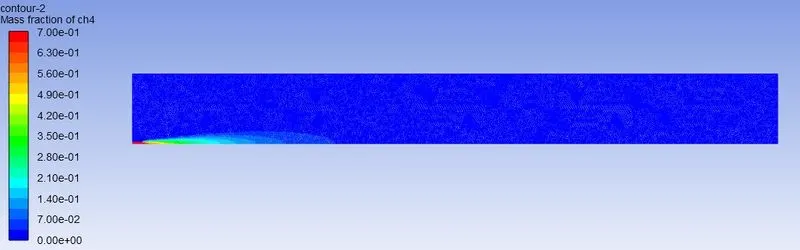
Mass fraction of CH4:
Mass fraction of O2: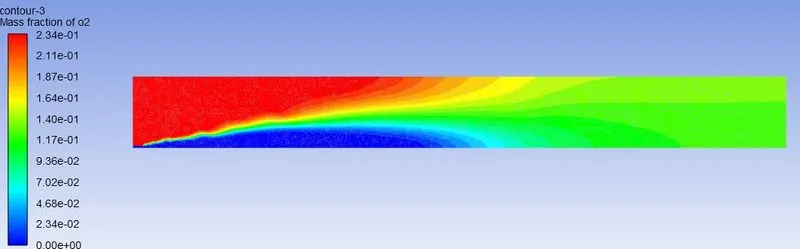
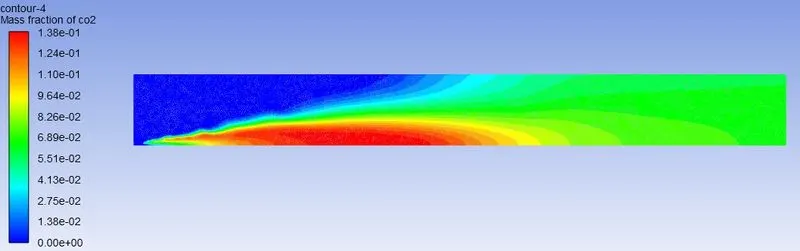
Mass fraction of CO2:
Mass fraction of H2O:
Mass fraction of N2:
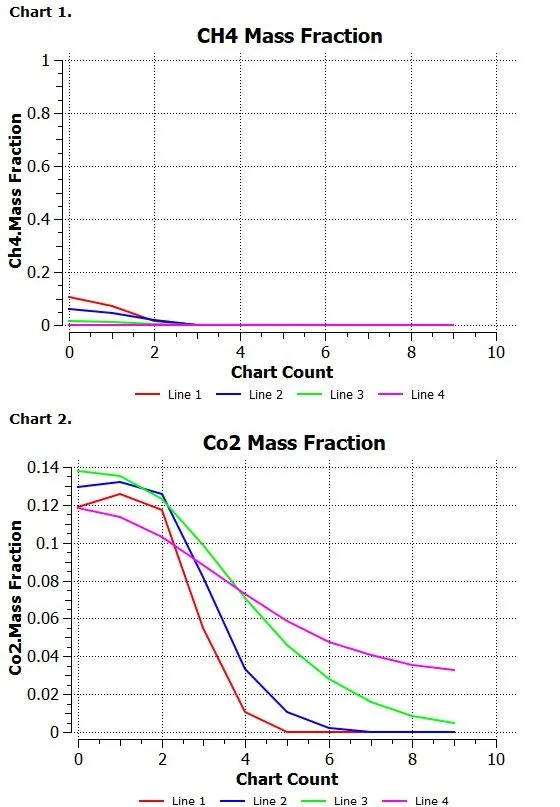
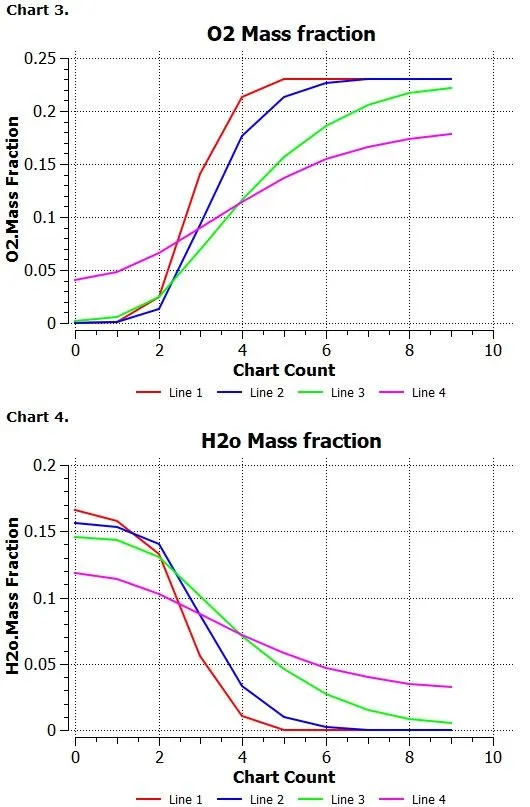
Conclusion:
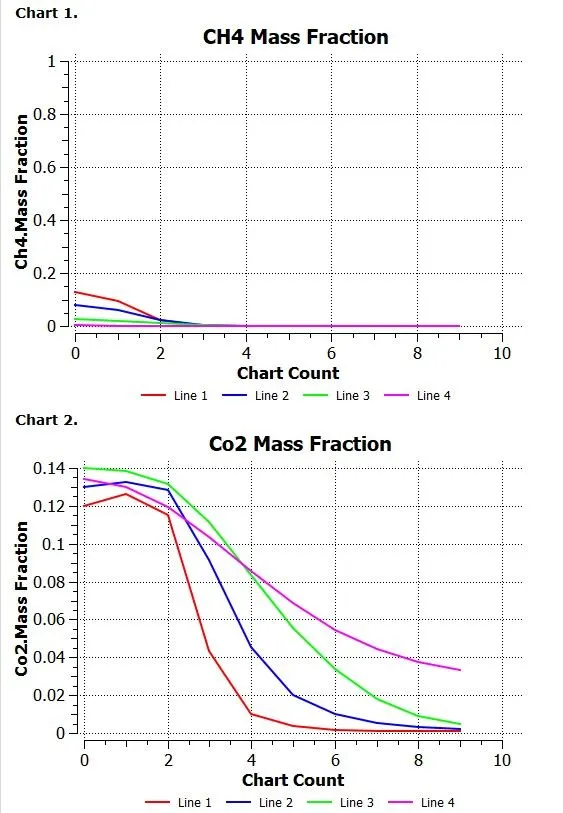
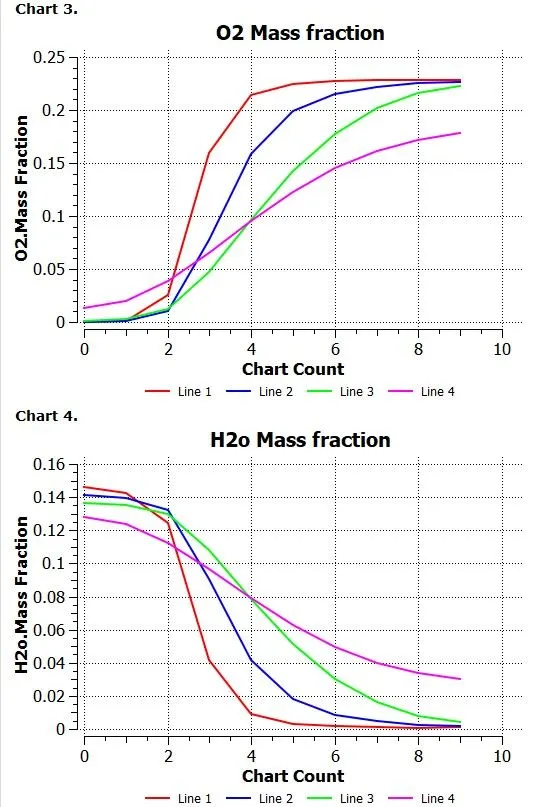
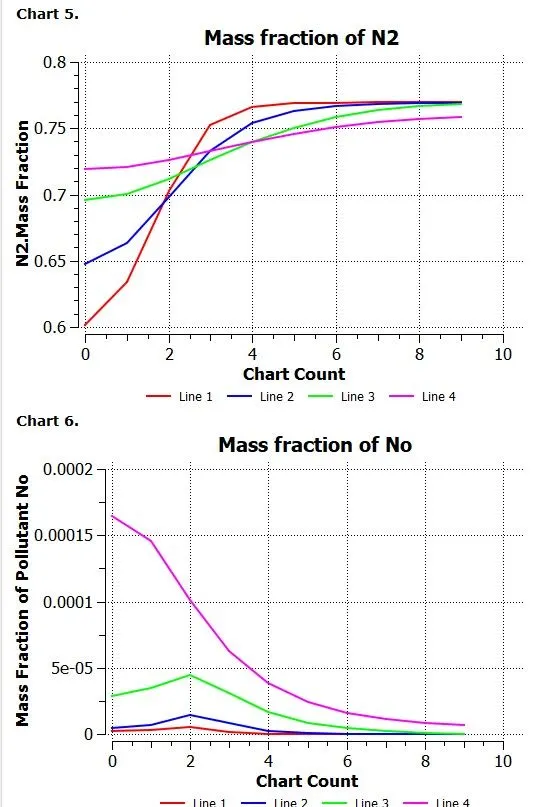
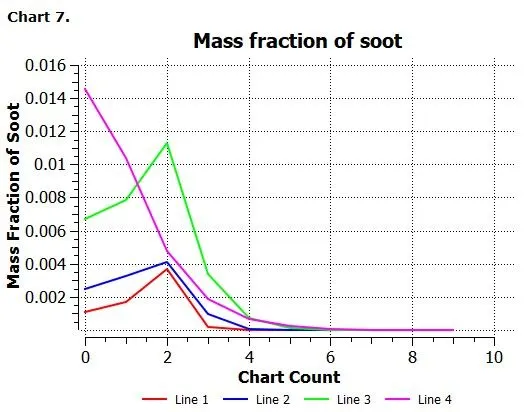
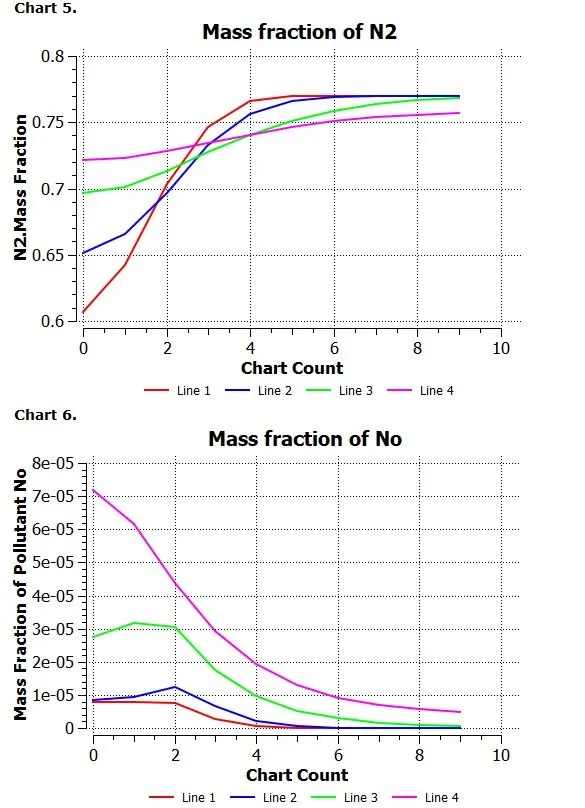
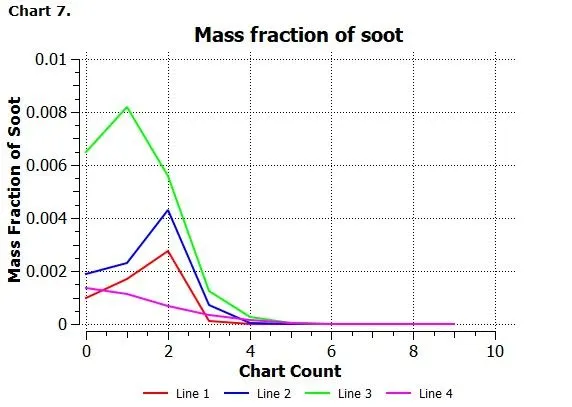
- Adding water content in the fuel by 5% to 30% by mole leads to decrease in temperature,NOx emission and soot formation.
- From the above result, we can say that the formation of NOx and SOOT is reduced by adding water.
- Decrease in soot in presence of H2O determines the less leakage of fuel and there will be complete combustion process.
- Thus the simulation of combustion of natural gas using Ansys fluent ran successfully.