Week 10 - Simulating Combustion of Natural Gas.
Simulating Combustion of Natural Gas.
To Simulate the process of combustion on a model using a mixture of fuel and air.
Theory:
Computational fluid dynamics modeling of combustion calls upon the proper selection and implementation of models suitable to faithfully represent the complex physical and chemical phenomenon associated with any combustion process. The model should be competent enough to deliver information related to the species concentration, their volumetric generation or destruction rate, and changes in the parameters of the system like enthalpy, temperature, and mixture density. The model should be capable of solving the general transport equations for fluid flow and heat transfer as well as additional equations of combustion chemistry and chemical kinetics incorporated into that as per the simulating environment desired.
Geometry setup:
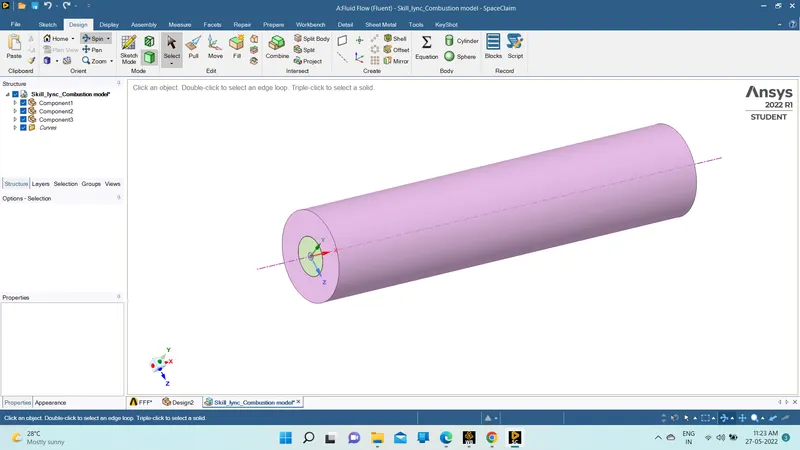
Import the geometry
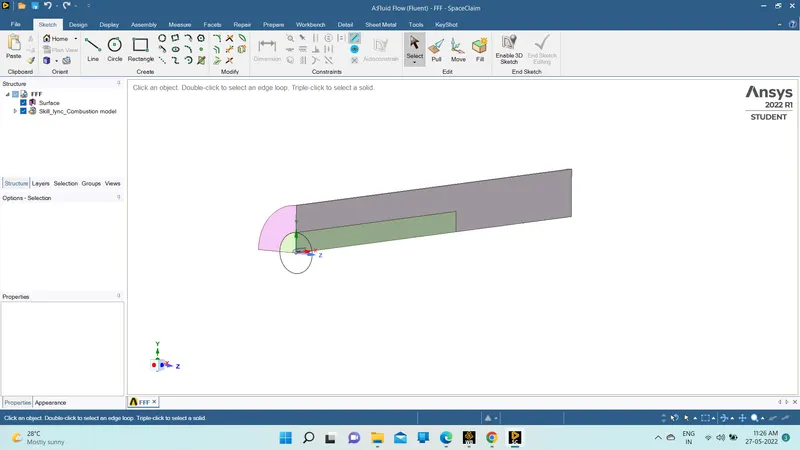
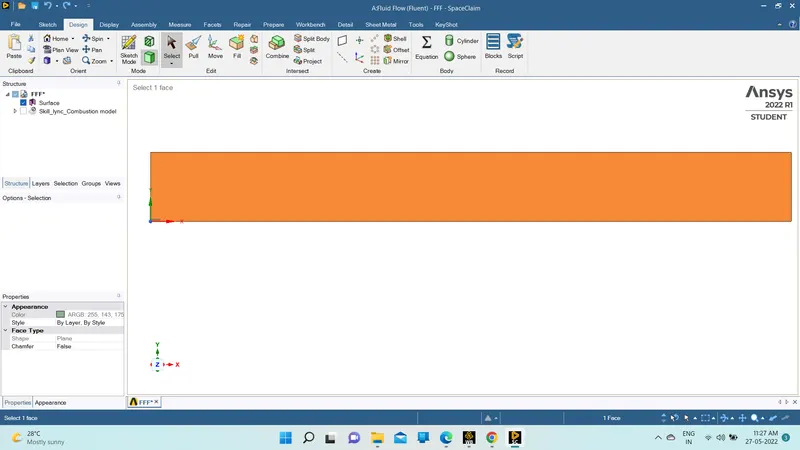
make the geometery in to required shape
Meshing:
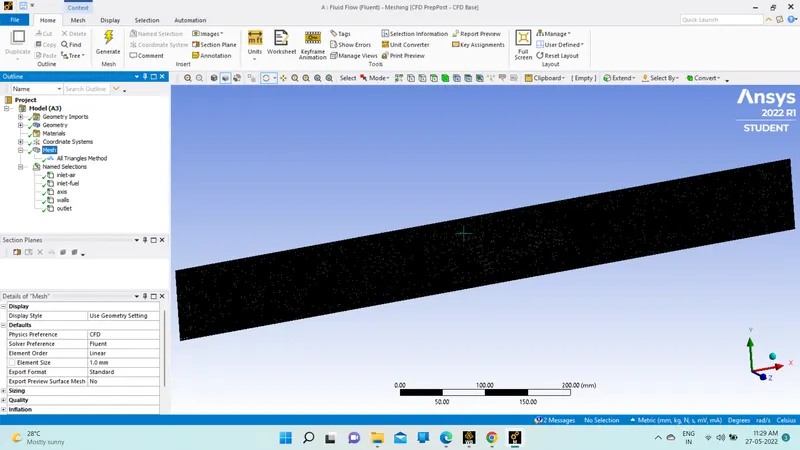
Element Size: 1 mm
Method: All Triangle Method
Ansys setup:
give required inputs like boundary conditions, solver type, physics and etc
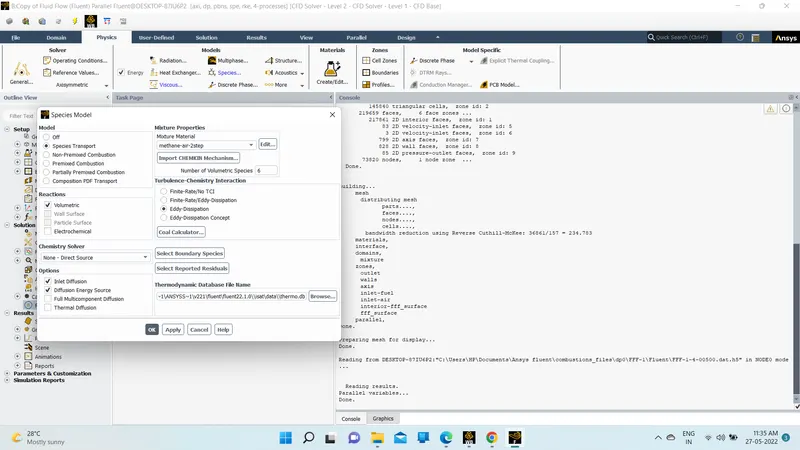
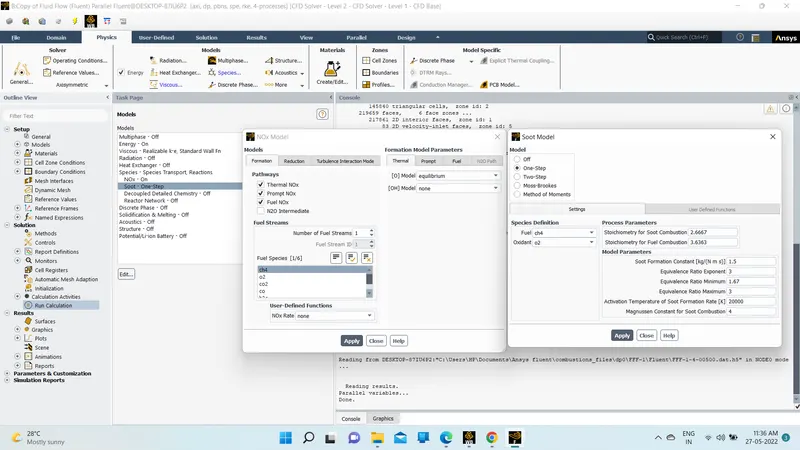
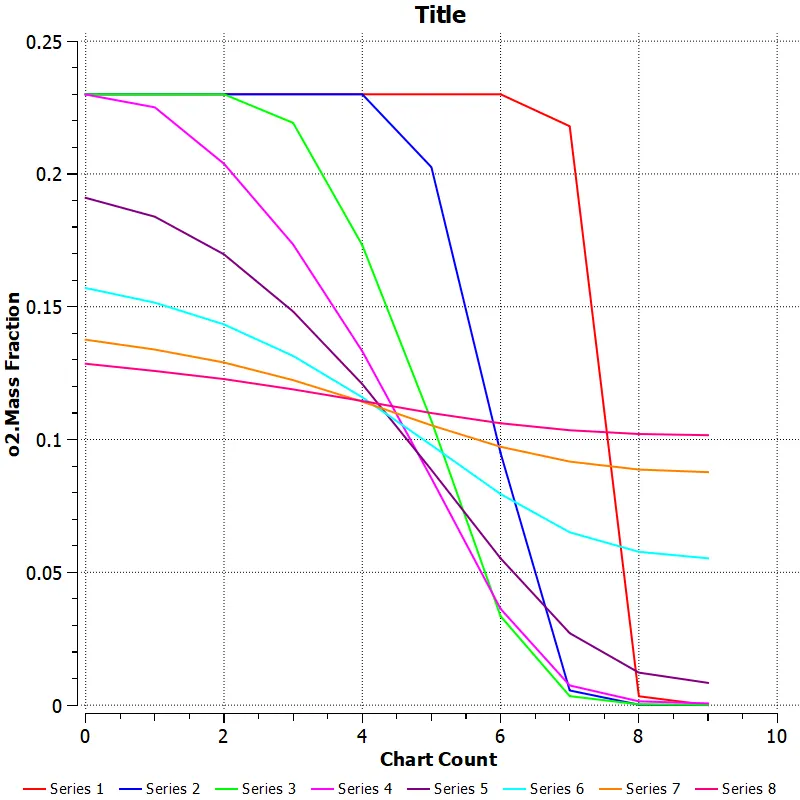
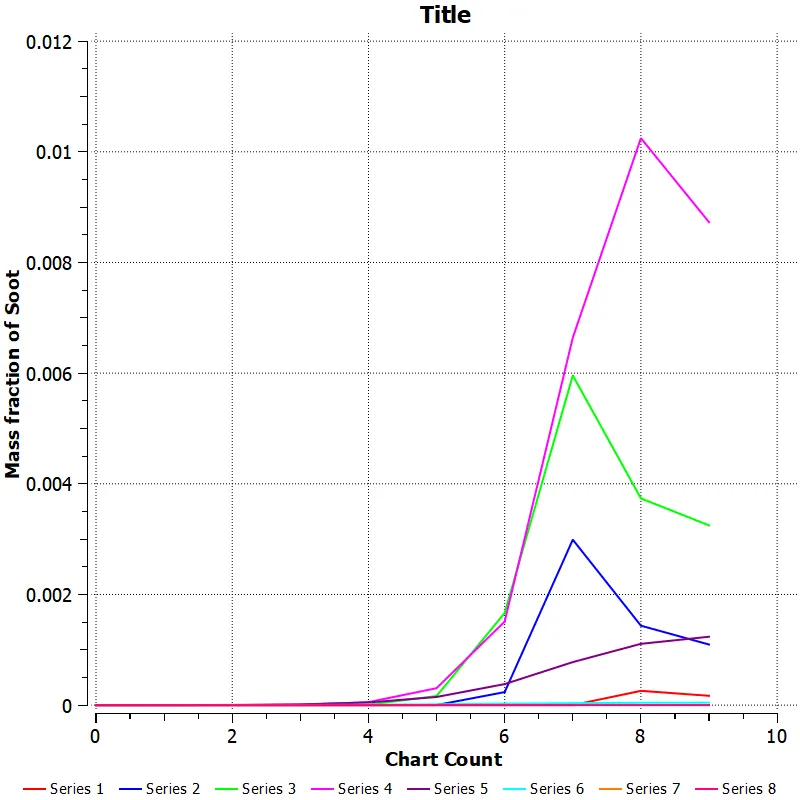
Mass fraction of the different species’
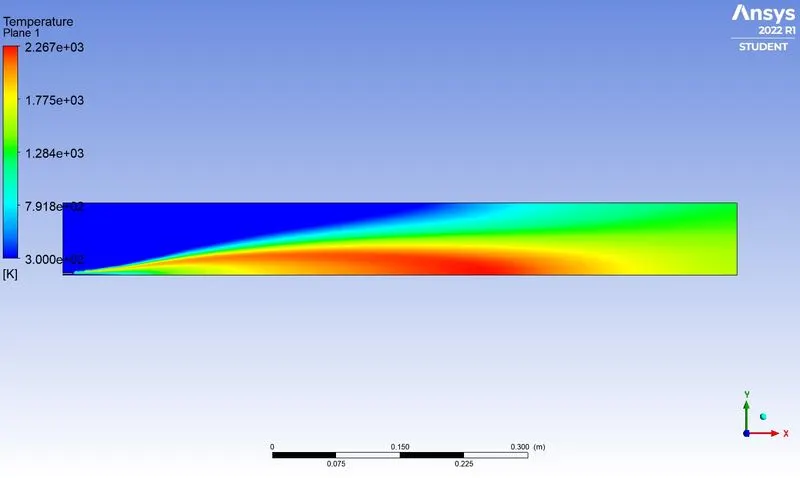
Mass fractions of species
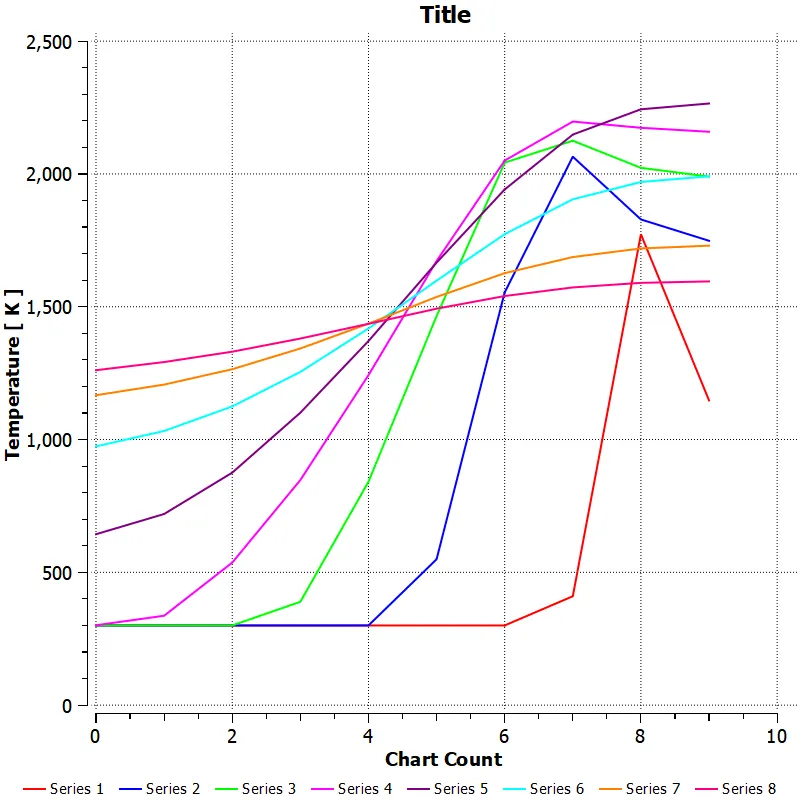
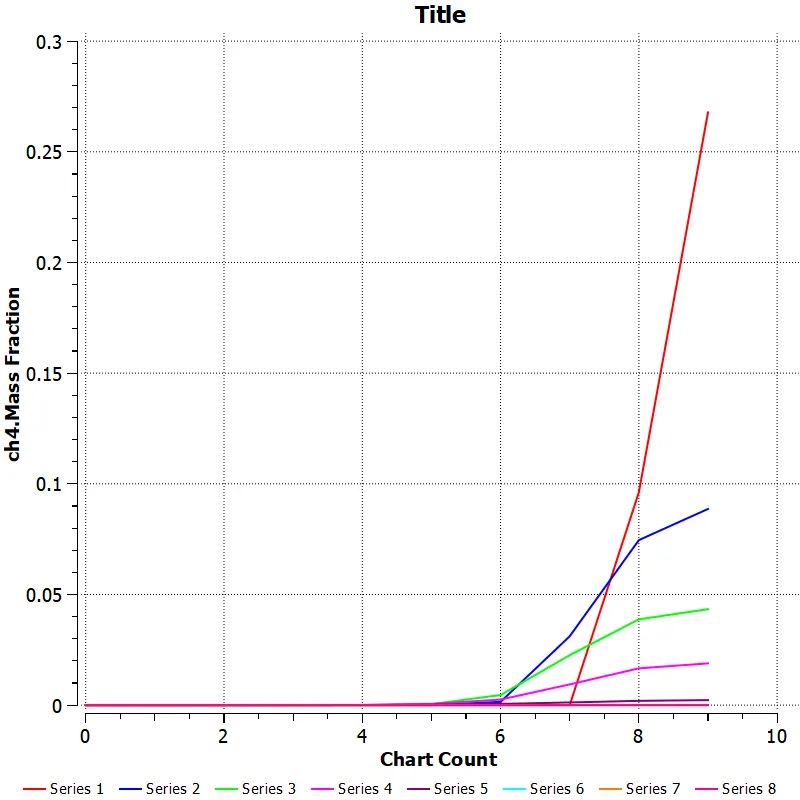
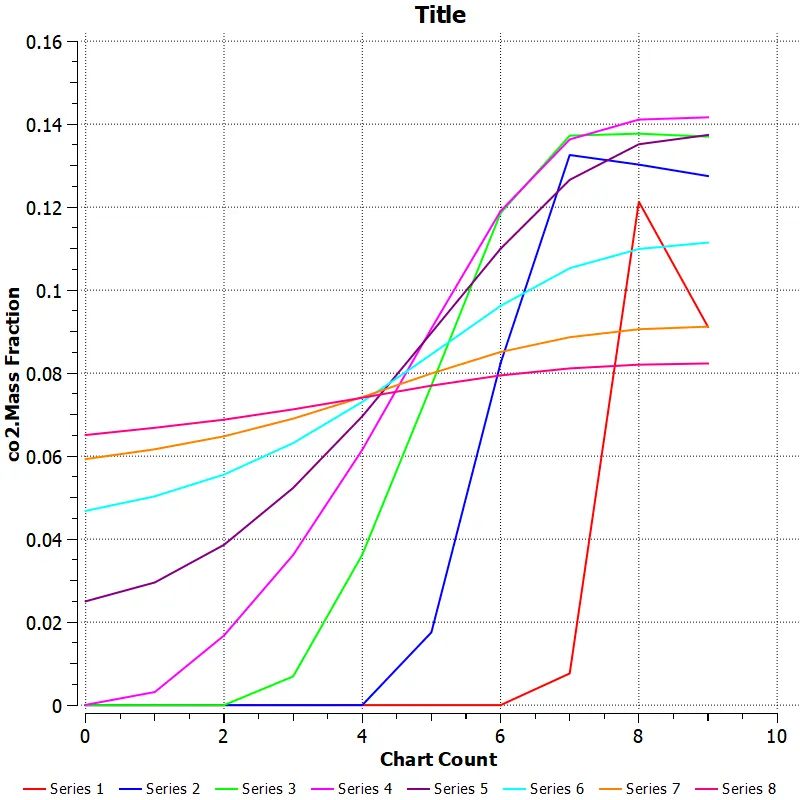
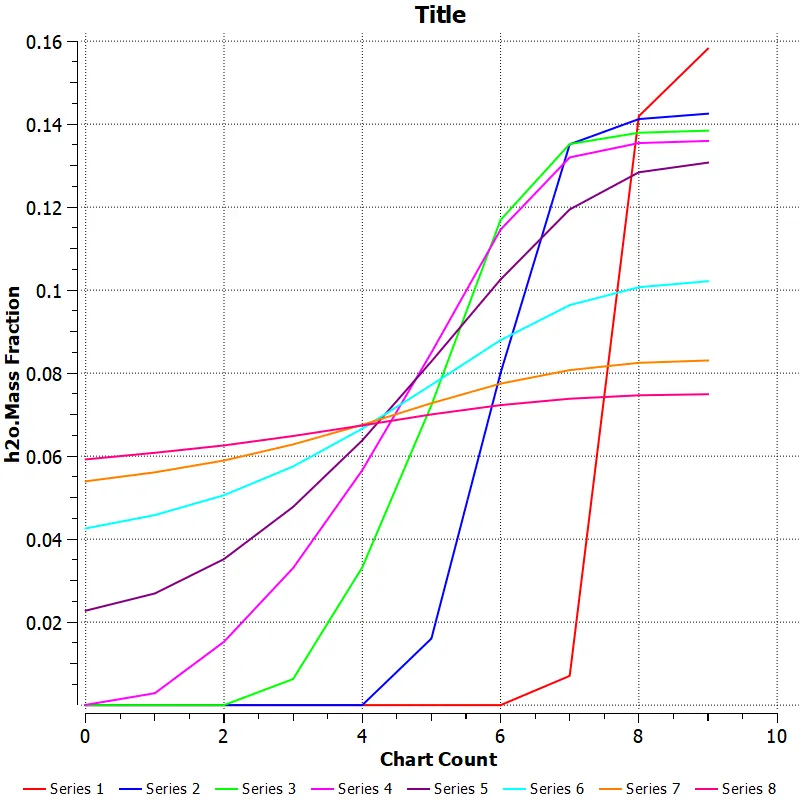
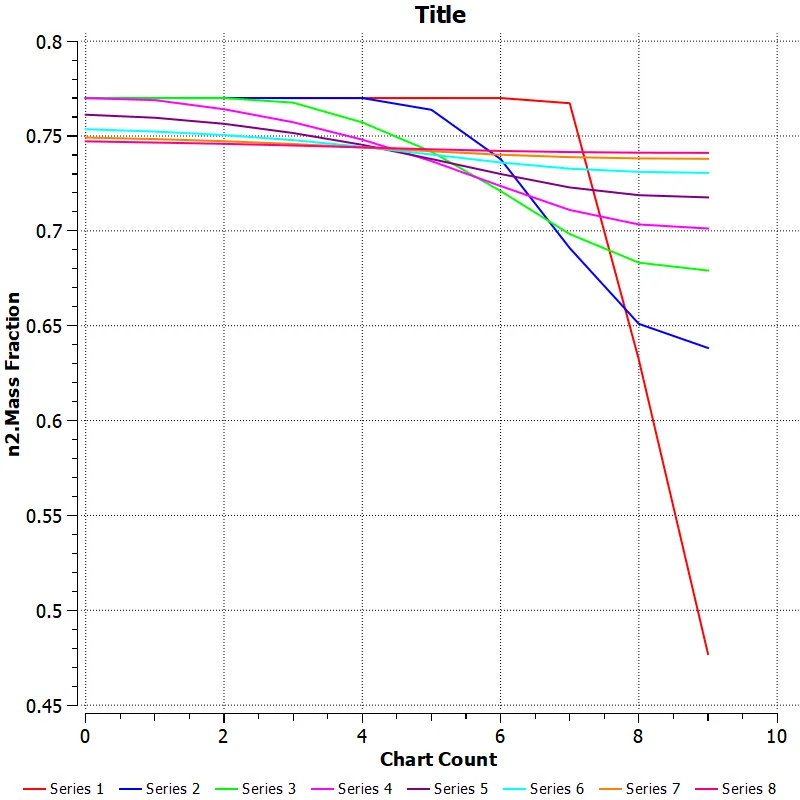
Case-II
Add the water content in the fuel from 5% to 30%
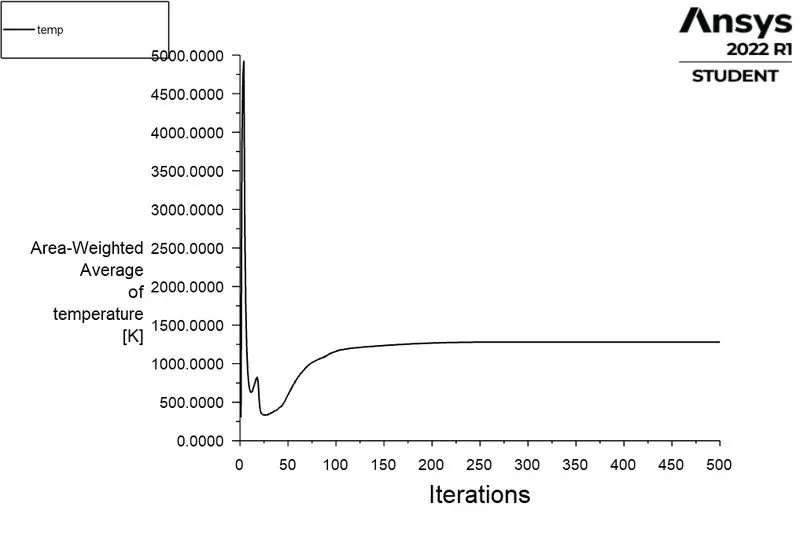
| 70%ch4-30%o2 |
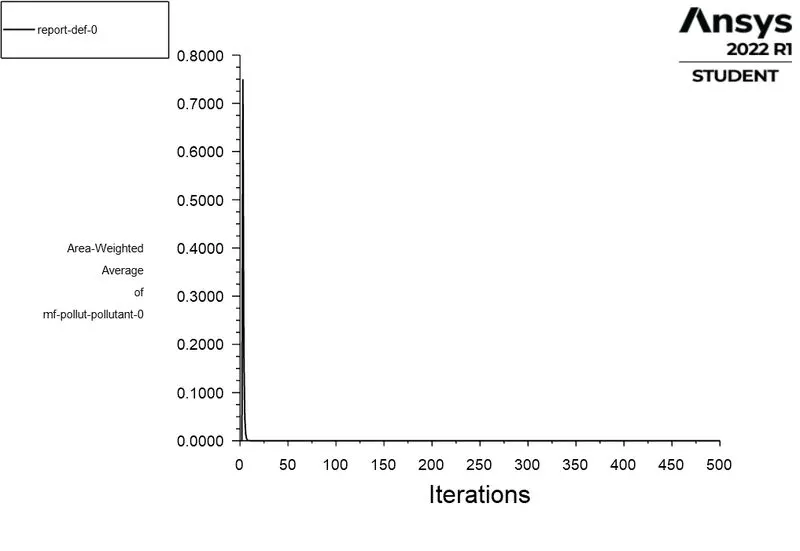
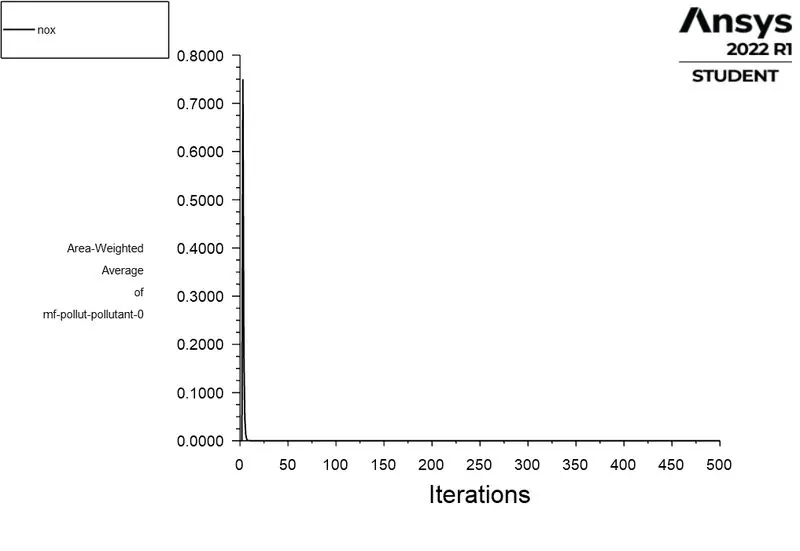
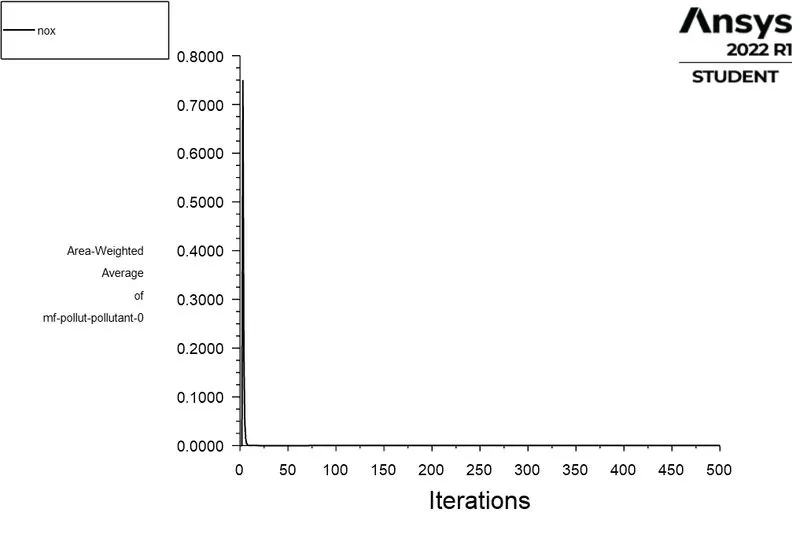
NOX
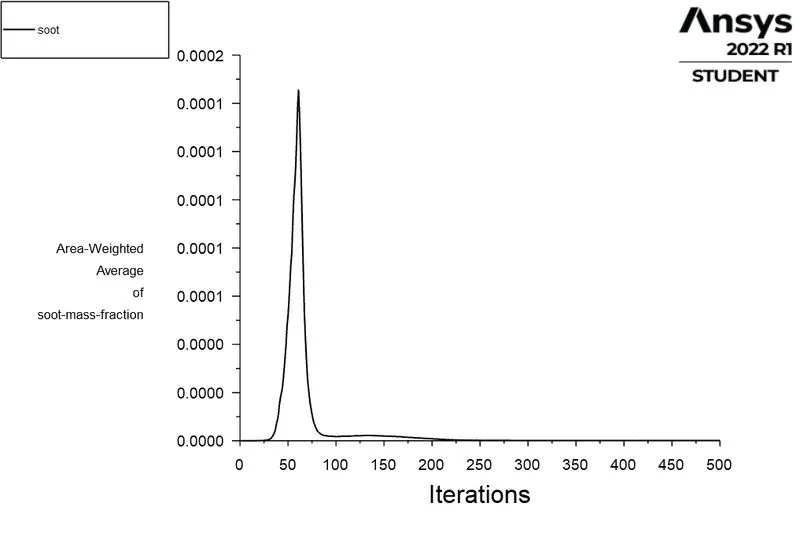
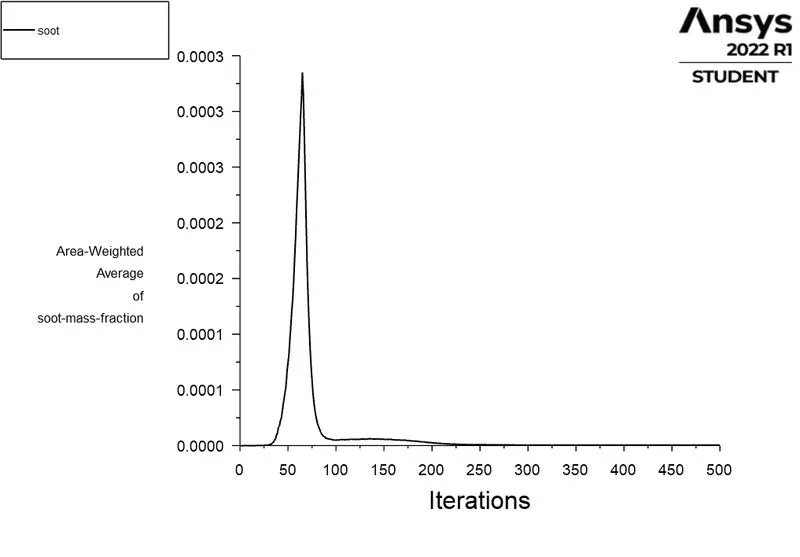
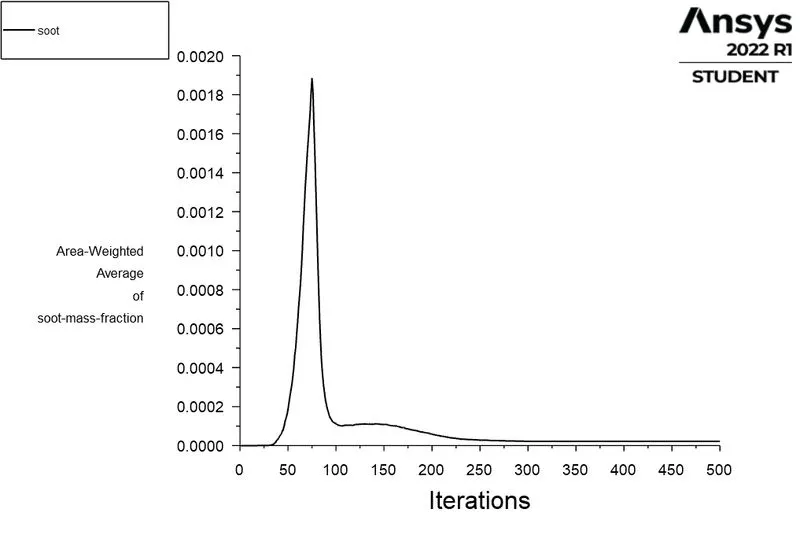
soot
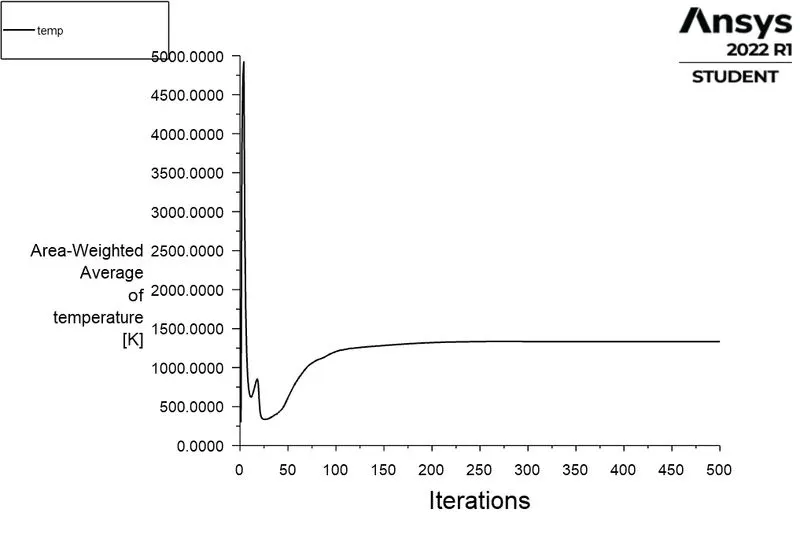
75%ch4-25%o2
80%ch4-20%o2
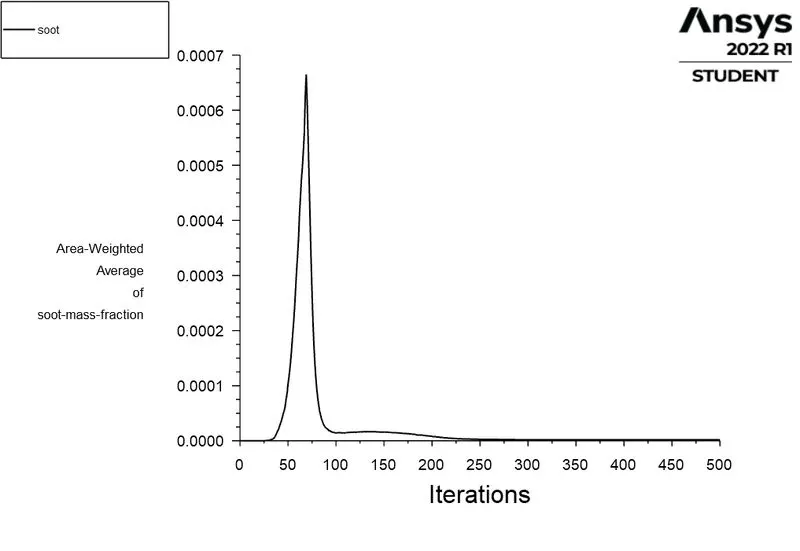
90%ch4-10%o2
Results:
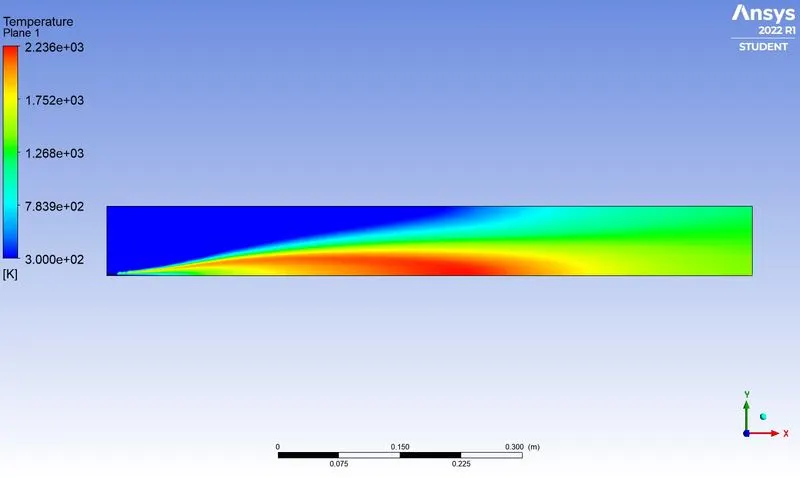
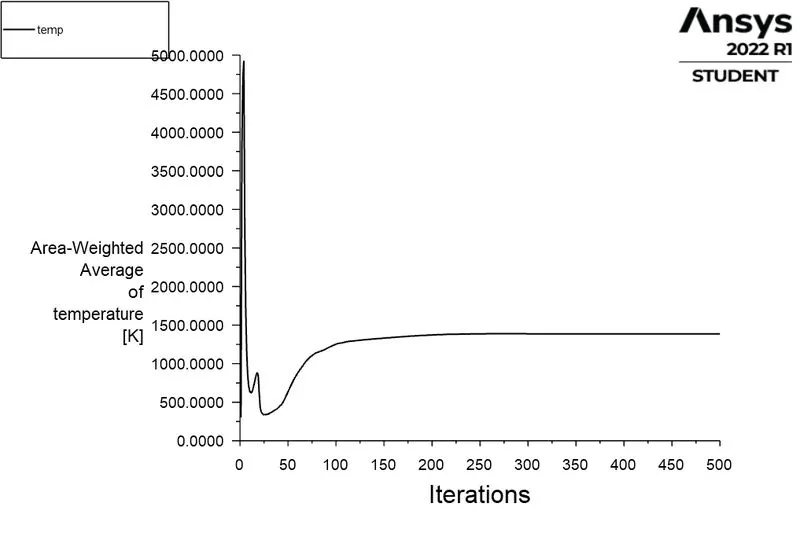
| fuel %and h20% | temp | nox | soot |
| 90%ch4-10%o2 | 1488.1535 | 9.62E-05 | 2.17E-05 |
| 80%ch4-20%o2 | 1386.4531 | 5.27E-05 | 1.68E-06 |
| 75%ch4-25%o2 | 1333.1974 | 3.72E-05 | 4.56E-07 |
| 70%ch4-30%o2 | 1278.4848 | 2.52E-05 | 1.04E-07 |
Impressions:
As per the above observations, we can say that the addition of water to the fuel helps in decreasing NOx and SOOT Formation.
Water addition leads to increase OH radicals that might have a significant impact in SOOT Oxidation and reduce the SOOT
formed in the Gas Phase.
Added water dilutes calories generated by combustion. That decreases combustion temperature. If temperature reduces sufficiently, NOx cannot form in great concentration.
We can see a small decrease in temperature. Reducing combustion temperature means avoiding stoichiometric ratio. If this ratio is low, it generates a lower concentration of thermal NOx. So, with these or various types of technologies, we can reduce NOx emissions and SOOT formation, which helps us to meet regulatory requirements by the government. And we can reduce its harmful effects on the environment and humans.