Week 1 Understanding Different Battery Chemistry
Prepare a table which includes materials & chemical reactions occurring at the anode and cathode of LCO, LMO, NCA, NMC, LFP and LTO type of lithium ion cells.Give your detailed explanation on it
An electric battery is a source of electric power consisting of one or more electrochemical cells with external connections for powering electrical devices.
When a battery is supplying power, its positive terminal is the cathode and its negative terminal is the anode. The terminal marked negative is the source of electrons that will flow through an external electric circuit to the positive terminal. When a battery is connected to an external electric load, a redox reaction converts high-energy reactants to lower-energy products, and the free-energy difference is delivered to the external circuit as electrical energy. Historically the term "battery" specifically referred to a device composed of multiple cells; however, the usage has evolved to include devices composed of a single cell.
Primary (single-use or "disposable") batteries are used once and discarded, as the electrode materials are irreversibly changed during discharge; a common example is the alkaline battery used for flashlights and a multitude of portable electronic devices. Secondary (rechargeable) batteries can be discharged and recharged multiple times using an applied electric current; the original composition of the electrodes can be restored by reverse current. Examples include the lead-acid batteries used in vehicles and lithium-ion batteries used for portable electronics such as laptops and mobile phones.
Batteries come in many shapes and sizes, from miniature cells used to power hearing aids and wristwatches to, at the largest extreme, huge battery banks the size of rooms that provide standby or emergency power for telephone exchanges and computer data centers
LITHIUM COBALT OXIDE BATTERIES
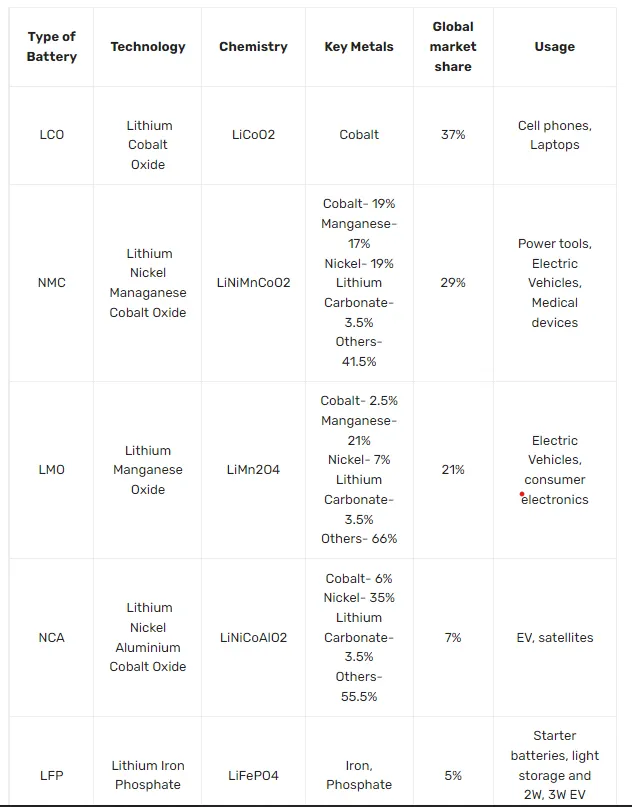
Cobalt acid lithium battery has high discharge platform, high specific capacity, stable product performance, and good cycle performance, but its safety performance is poor. The cost is very high, it is mainly used for medium and small type batteries, which is widely used in mobile phones, portable computers, cameras, camera, electric cars, solar energy storage, UPS power supply, medical equipment, space and other fields. The nominal voltage is 3.7V.
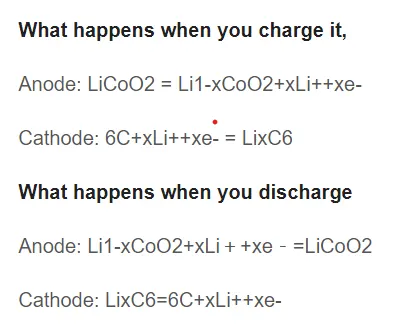
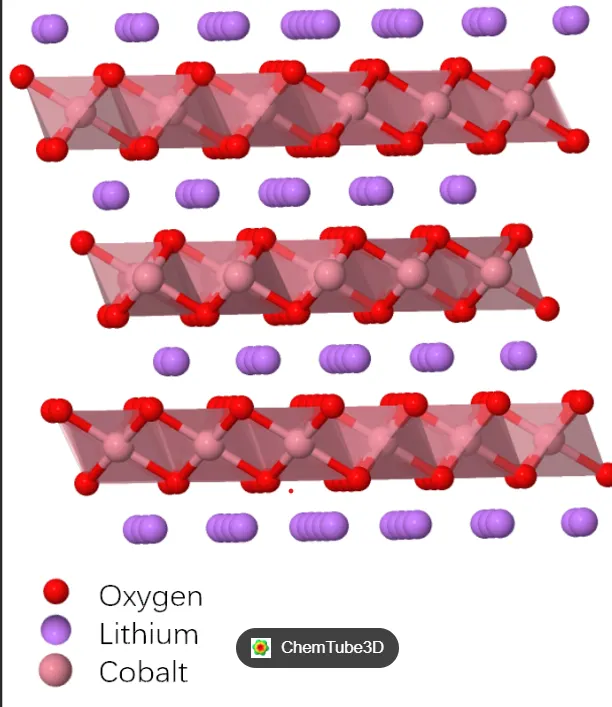
lithium cobalt oxide, LiCoO2 (LCO), is an inorganic compound commonly used as a anode material for lithium ion batteries.
LiCoO2 basically uses liquid phase synthesis process of lithium ion secondary battery cathode material with layered structure in the current commercial LITHIUM CELL (cobalt acid lithium). It adopts polyvinyl alcohol (PVA) or polyethylene glycol (PEG) aqueous solution as solvent. Lithium and cobalt salt dissolve in PVA or PEG solution, mixing the solution after heating, then they will concentrate into gel formation. After heating and decomposition, calcine the gel formation at high temperature, sinter, grind and sieve, then you can get the cobalt acid lithium powder.
LITHIUM MANGANTE OXIDE :
Lithium manganate oxide battery refers to the battery that uses lithium manganate oxide as an anode material. Its nominal voltage is 3.7V. It is the mainstream POWER BATTERYat present. This kind of battery has ordinary energy density and cycling life. It has environmental protection and no patent limitation. But lithium manganate oxide is not very stable, easy to decompose gas, may lead to swell, and its high-temperature performance is poor.
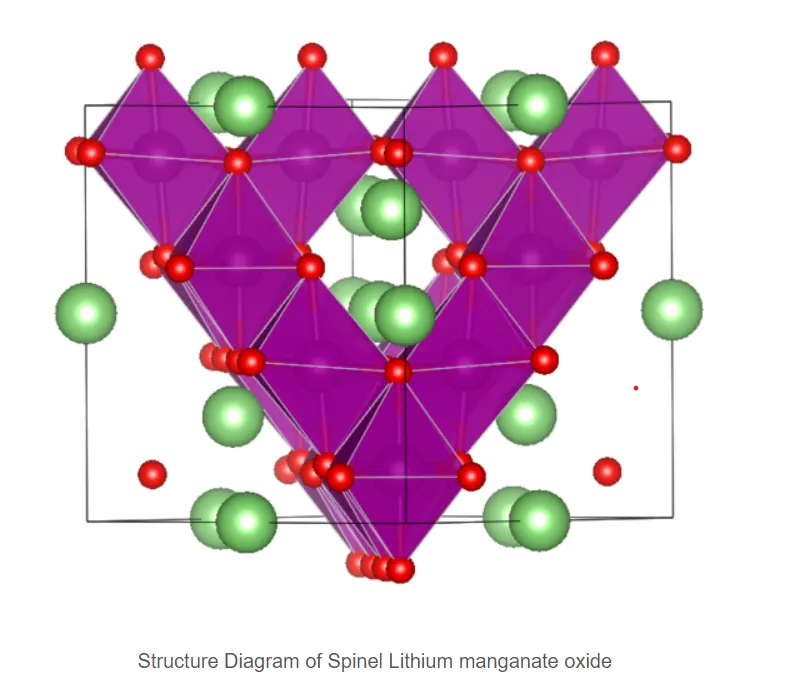
Lithium manganate oxide, whose chemical formula is LiMn2O4 (LCM), is one of the promising lithium ion anode materials. Compared with traditional anode materials such as LITHIUM COBALT, lithium manganate oxide has rich resources, low cost, no pollution, good safety and nice rate capability. It is an ideal anode material for power battery.
Lithium manganate oxide tends to be spinel type. LiMn2O4 spinel manganese acid lithium is the first anode material with 3D Li ion channel that made by Hunter in 1981. So far, it has been attracted attention from many scholars and researchers both at home and abroad. As an electrode material, it has low price and high potential, environment friendly and good safety performance, and is the most promising anode materials of new generation of lithium ion to replace LiCoO2
charging :

discharging :

NICKEL COBALT ALUMINIUM OXIDE:
. LITHIUM NICKEL COBALT ALUMINUM OXIDE (LINICOALO2) NCA: High Energy with Long Life
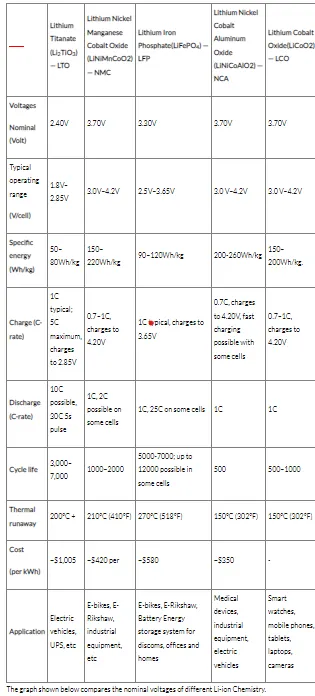
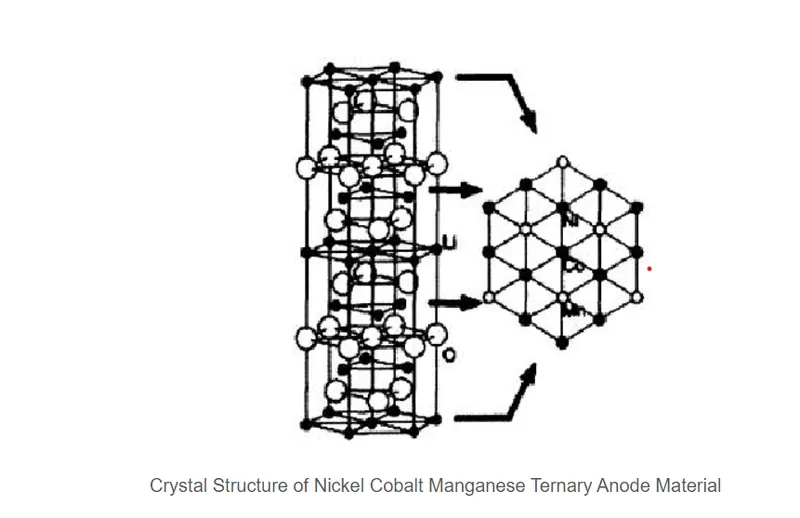
Lithium Nickle Cobalt batteries, also known as NCA batteries have a combination of nickel, cobalt and aluminum as active material in its cathode. These batteries have a high life cycle and are one of the most energy-dense Li-ion chemistry with energy density as high as 260Wh/kg and a nominal voltage of 3.6V. But the main disadvantage of this battery is its lower thermal stability and high cost making them an unviable option for consumer electronics. They are a good option for EVs due to their energy density, the NCA batteries must be used in cars with extra safety measures to monitor their performance and other data to keep the drivers secure.
The NCA batteries are becoming increasingly important in electric powertrains such as in Tesla and find application in grid storage due to their lifespan and energy density.
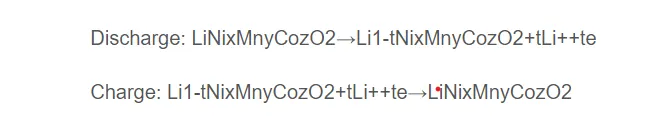
NMC
Li NMC batteries are a type of lithium rechargeable battery. The main difference between such products is the use of a complex alloy that contains nickel, manganese and cobalt. A battery anode is made from a mixture of these metals, which can significantly increase the power of the power source. A feature of the Li-Nickel-Manganese-Cobalt oxide battery is that even at the production stage, you can change the characteristics of the battery by increasing or decreasing the content of the elements that make up the battery.
Voltage: 3.7 V Capacity: 3000 mAh or more. Number of charge-discharge cycles: at least 1000. Thermal breakdown: + 210˚С.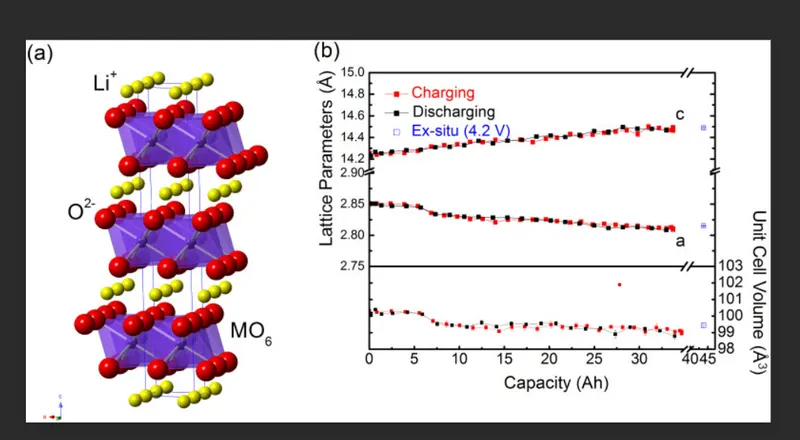
LFP BATTERY:
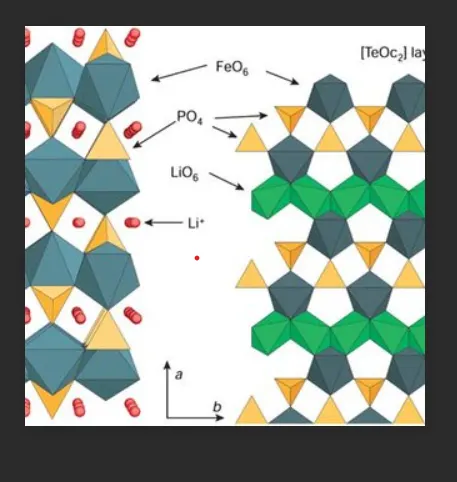
The lithium iron phosphate battery (LiFePO 4 battery) or LFP battery (lithium ferrophosphate) is a type of lithium-ion battery using lithium iron phosphate (LiFePO 4) as the cathode material, and a graphitic carbon electrode with a metallic backing as the anode. The energy density of an LFP battery is lower than that of other common lithium ion battery types such as Nickel Manganese Cobalt (NMC) and Nickel Cobalt Aluminum (NCA), and also has a lower operating voltage
LTO BATTERY:
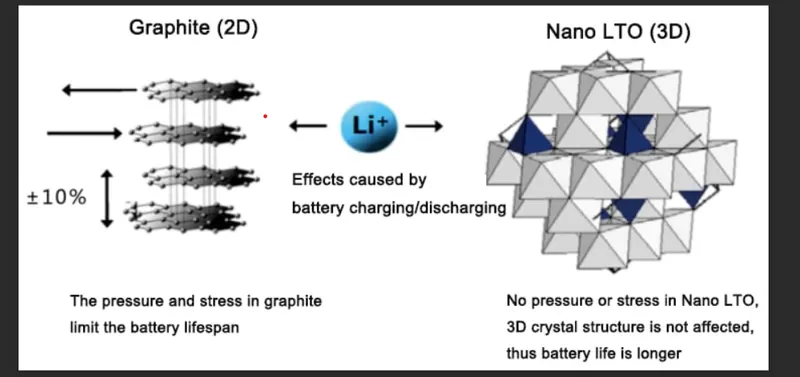
A variety of lithium-ion batteries are lithium titanate batteries, in which lithium titanate, the chemical formula of which is Li4Ti5O12, is used as an electrode connected to a positive power source (anode).
The outer shell of the structure is plastic, composite material, less commonly non-ferrous metal. Many models have metal terminals through which the internal rods contact with the positive, negative voltage and energy consumer. Externally, the device resembles a prism, a cylinder. The positive contact is located at the top, and the negative contact is at the bottom of the battery.
30 - 110 W / kg - energy storage; at maximum load, the device gives a specific power of 3,000 to 5,100 W / kg; no more than 177 W * h / l charge density; rated voltage - 1.9 - 2.4 V, maximum discharge - 1.5 V - 1.7 V; cyclic “charge-discharge” efficiency at low currents varies within 95%, at higher currents it drops to 85%;
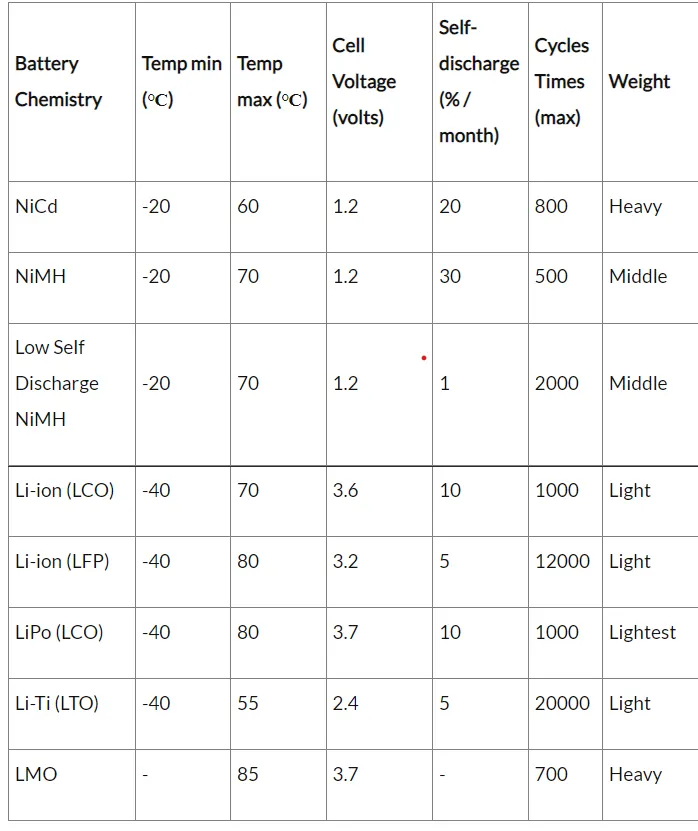
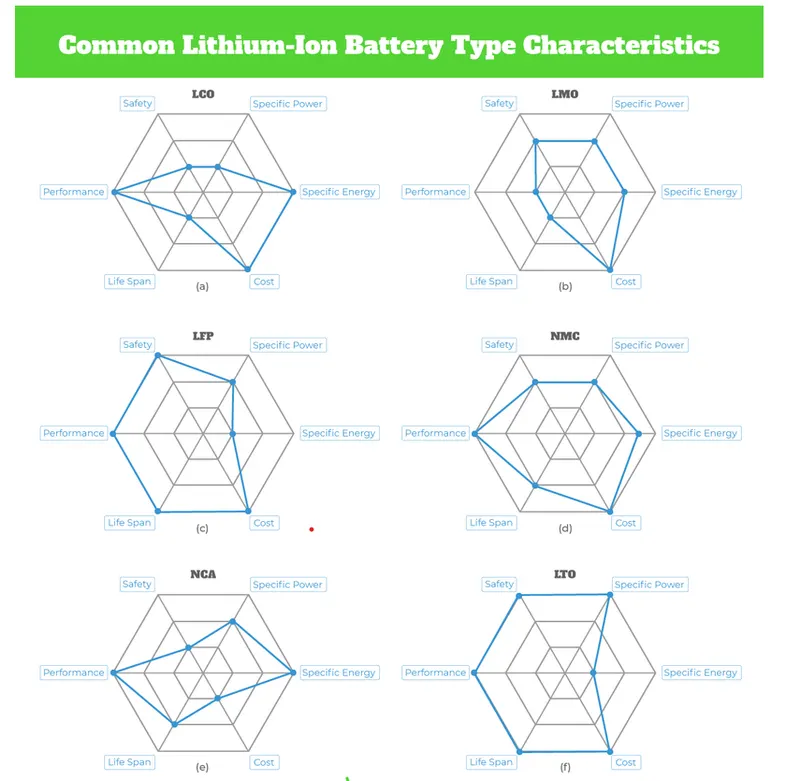
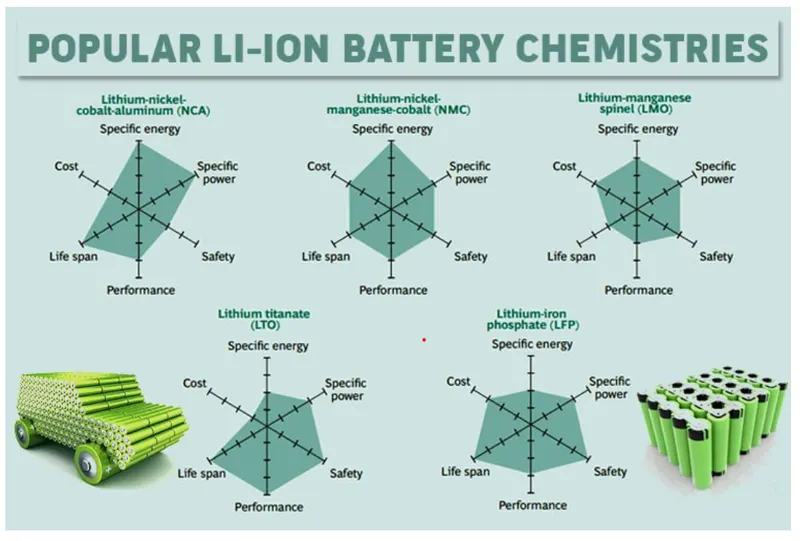
Compare the differences between each type of Li+ion batteries based on their characteristics: