Week 1 Understanding Different Battery Chemistry
AIM: To understand different battery chemistry.
Objectives:-
1) prepare a table that includes materials & chemical reactions occuring at the anode and cathode of different types of lithium-ion cells.
2) comparing the differences between each type of Li+ ion battey based on their characteristics.
------------------------------------------------------------------------
Q.1. prepare a table that includes materials & chemical reactions occuring at the anode and cathode of LCO,NCA,NMC,LFP,AND LTO type of lithium-ion cells.give your detailed explanation on it.
ANS:-
1.Introduction
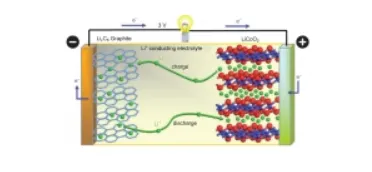
lithium- ion cells,in their most common form,consist of a graphite anode,a lithium metal oxide cathode,and an electrolyte of a lithium salt and an organic solvent.lithium is a good choice for an electrochemical cell due to its large standard electrode potential (-3.04 v) resulting in a high operating voltage (which helps both power and energy) and the fact it is the metal with the lowest density (which reduces weight).
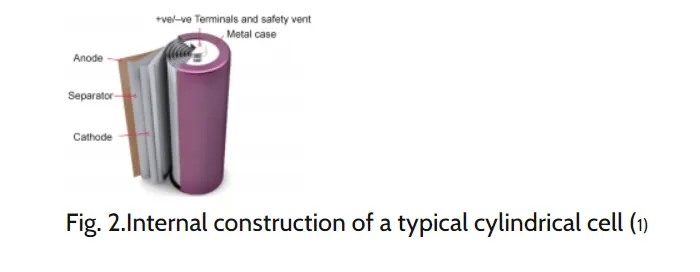
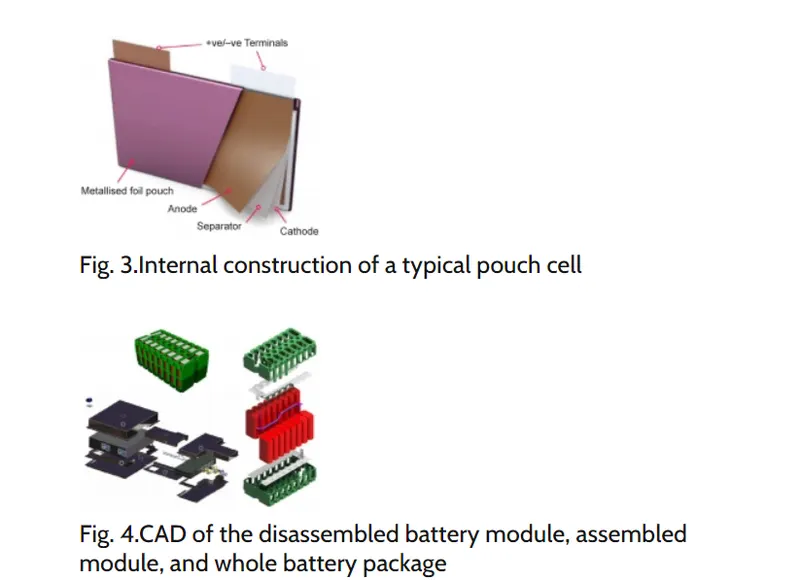
the construction of a typical cylindrical cell is shown in figure 2,while figure 3 shows a typical pouch cell.such cells provide a relatively light and small source of energy and are now manufactured in very large quantities. in an automotive application,a lithium-ion battery consists of tens to thousnda of individual cella packaged together to provide the required voltage,power ,and energy.individual cells are normally mounted into a number of modules,which are then assembled into the complete battery pach as shown4.
2. Automotive applications for lithium-ion batteries
there is range of applications for batteries in passenger car (4).the ones that will be considered here were selected either because they already use lithium-ion batteries or because they could potentially do so in the future.note that there are a number of standard automotive requirements that all lithium-ion batteries used in cars need to meet: these include life (8-15 years are typical requirements),temperature range (-40o c to at least +60oc,ideally 80oc),and vibration resistance.each application will now be briefly described.
types of lithium-ion cell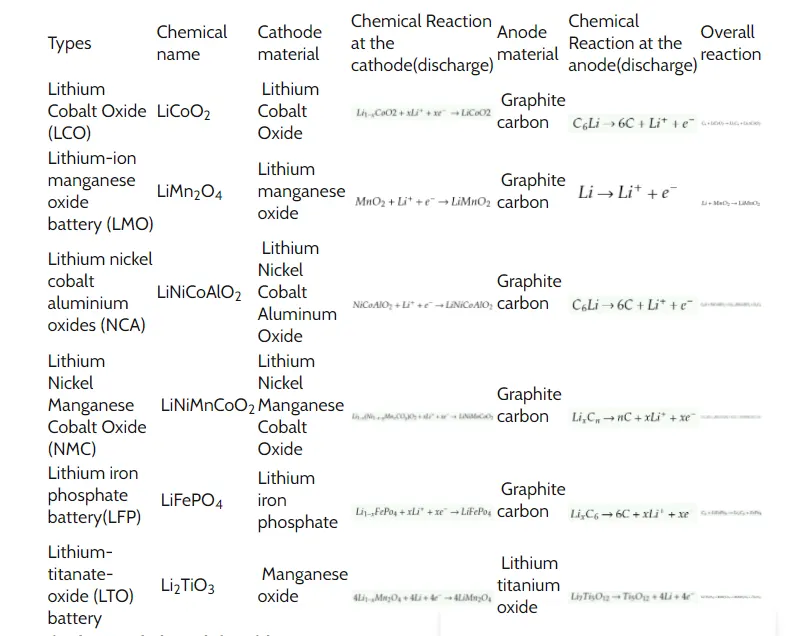
1).lithium cobalt oxide(LCO) battery
LCO (lithium cobalt oxide) was invented in the year 1991.its anode material is Liac6,the cathode material material is Libco02 and the carrier is Li+.it is used in variuos applications ranging from electronic devices to all laptops and phone batteries.the majority of lithium-ion batteries for portable devices are cobalt-based.the system contains acobalt oxide cathode (positive electrode ) and graphite carbon anode (negative electrode).
2). Lithium-ion manganese oxide (LMO)battery
A lithium-ion manganese oxide battery (LMO) is a lithium ion cell that uses manganese dioxide,mnO2,as the cathode material.they function through the same intercalation/de-intercalation machanism as other commercialized secondary battery technologies,such as LICO2.cathodes based on manganese-oxide components are earth-abundant,inexpensive,non-toxic,and provide better thermal stability.
3). lithium nickel cobalt aluminium oxides (NCA) battery
LIthium nickel cobalt aluminium oxide battery,or NCA has been around since 1999 for special applications.it shares similarities with NMC by offering high specific energy,reasonably good specific power and a long life span.
4). Lithium Nickel manganese cobalt oxide (NMC) battery
What is an NMC battery in short,NMC batteries offer a combination of nickel,manganese and cobalt.they are sometimes known as lithium manganese cobalt oxide batteries.NMC have a specific energy or power.
5). LIthium iron phosphate battery (LFP) batteries
LFP batteries stands for lithium iron phospahte (LiFePO4) batteries,which is known as li-phosphate as well.they use phosphate as cathode material.in addition,they benefit fromthe low resistance properties that enhance their thermal stability and safety.
6). LIthium-titanate-oxide(LTO) battery
The lithium-titanate-oxide (LTO) battery is a type of rechargeable battery which has the advantage of being faster to charge than other lithium-ion batteries,but the disadvantages of having a much lower energy density.
----------------------------------------------------------------------
2. compare the differences between each type of Li+ion batteries based on their characteristics?
ANS:-
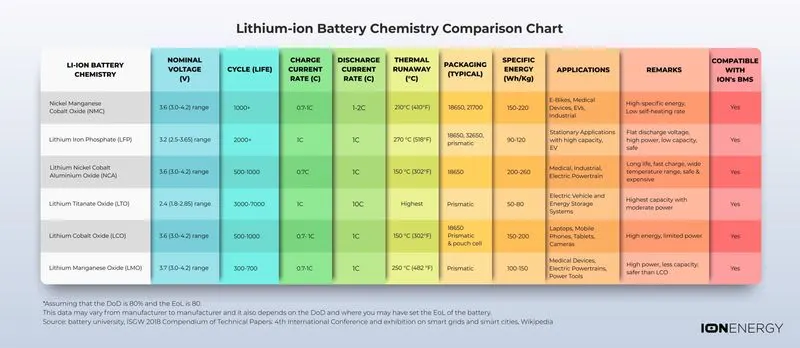
------------------------------------------------------------------------------------------------------------------------------------------
Conclusion:- future of lithium cells
1) overall most analyst agree there will be a more balanced market for lithium in 2021. " we expect the market to be largely balaced in 2021, "jeasy of CRU said,with mine supply to largely track demand growth.