Introduction to BiW and Fixtures Challenge
Body in White (B.I.W.) refers to the welded sheet metal components which form the structure of the vehicle to which the other components will be married, i.e ., engine, chassis, exterior, and interior trim.
Body in White or BIW refers to the stage in automotive design or automobile manufacturing Thambi (ekg8o) in which the car body sheet metal(including doors, hoods, and deck lids) has been assembled or designed but before the components (chassis, motor) and trim(windshields, seats, upholstery, electronics, etc.) have been added- BIW is the stage in automotive design or automobile manufacturing in which the car body sheet metal component are been assembled by welding and by another joining process.
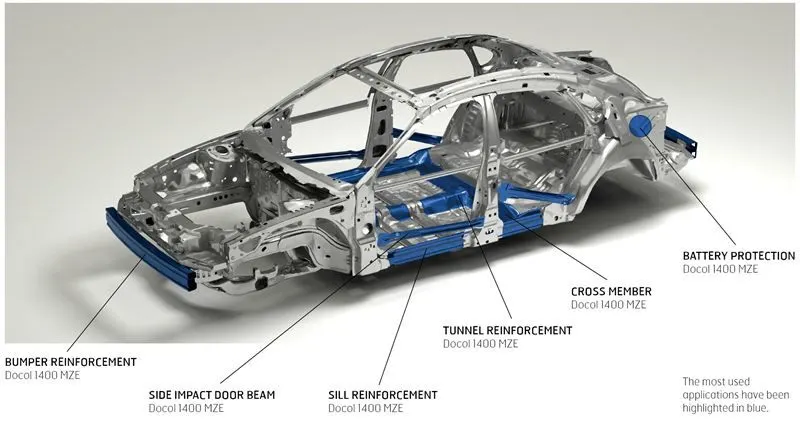
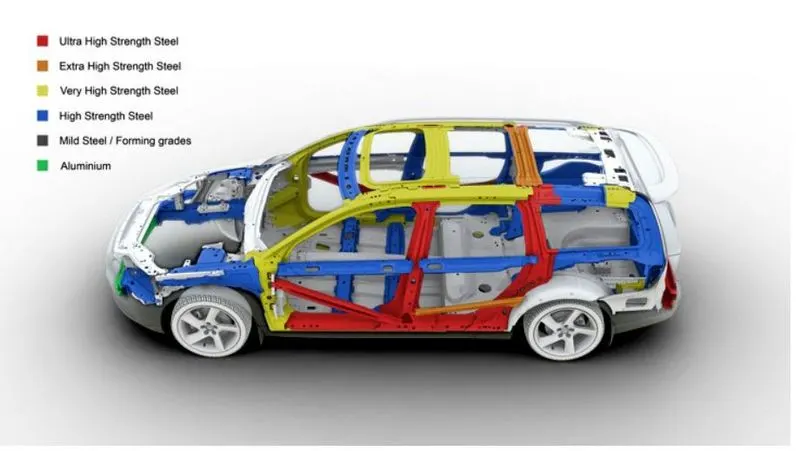
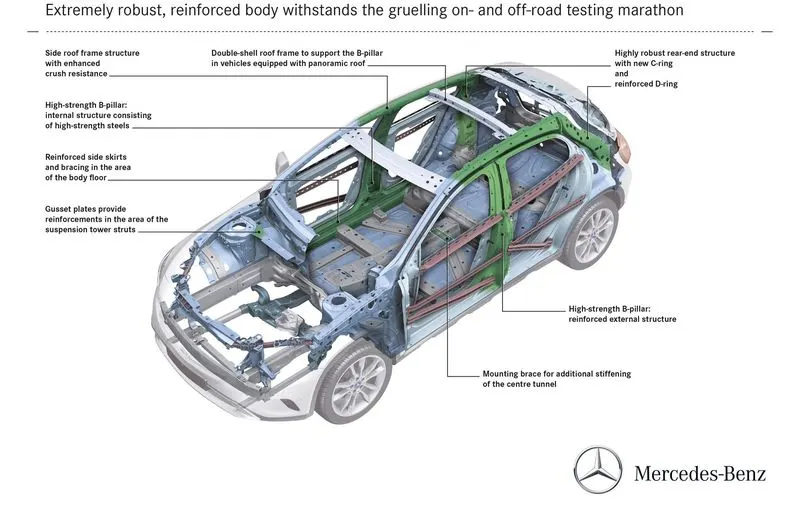
BIW Parts:
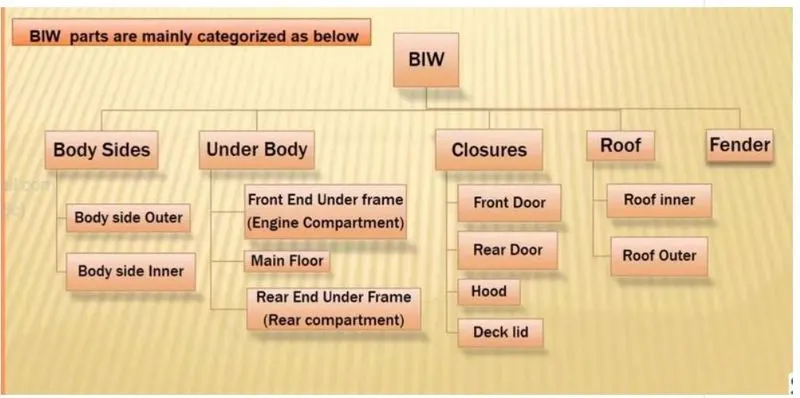
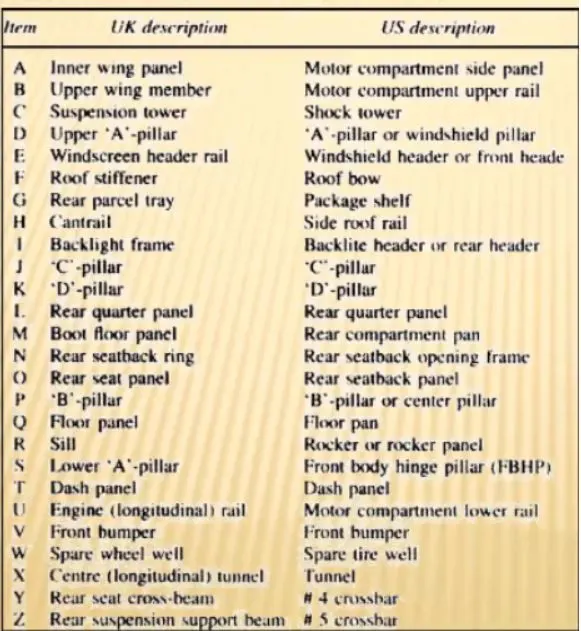
BIW Nomenclature:
A system of names is used in the classification of an art or science or other field or subject. A naming system is peculiar to a social group.
Here the naming is given for Automobile parts.
Fixture:
A fixture is a device which holds the workpiece to be processed (Welded), by using 3-2-1 principle
In general, a welding fixture (tool) consists of a number of units together to hold the car panel and is mounted on a base unit. Welding fixtures are normally designed to hold and support the various components (workpieces) to be welded.
It is necessary to support them in a proper location that is capable of preventing distortions in workpieces during welding. For this the locating elements need to be placed carefully, clamping has to be light but firm, placement of clamping elements has to be clear of the welding area and the fixture has to be quite stable and rigid to withstand the welding stresses.
BIW fixtures are of three types -
Production fixture - Production fixtures as the name suggest is used for production purpose. it is basically a mass production fixture. since it is used for mass production, frequent maintenance of the fixtures is done. for this purpose, the fixtures should be built such that they provide ease in maintenance .- Pre-production fixture - Pre-production also known as PPO is a fixture that is used for initial batch production study. these fixtures are basically prototype fixtures that will check the tooling feasibility of initial batch production
- Checking fixtures - Checking fixtures is a fixture that is used for inspection purposes only. joining operations such as welding, riveting, gluing, etc are not performed on this fixture. various gauges are used in the fixture to check the dimension and tolerances of the part.
Principle of fixture design:
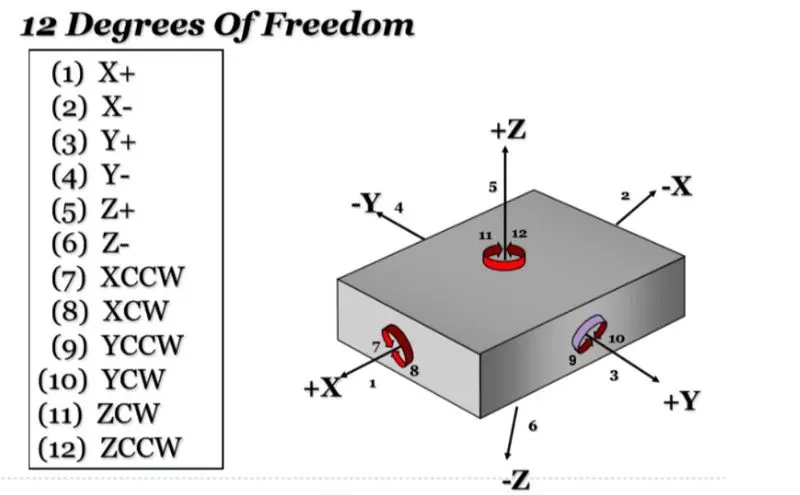
- The basic principle of fixture design is to hold the workpiece firmly throughout its operation. every object has 12 degrees of freedom that is 6 translational and 6 rotational. the main objective while designing a fixture for a workpiece is that to make sure these 12 degrees of freedom of the workpiece is arrested, so the fixture is built in such a way that it will hold the workpiece in place firmly arresting the 12 degrees of freedom.
Types of BIW Stations:
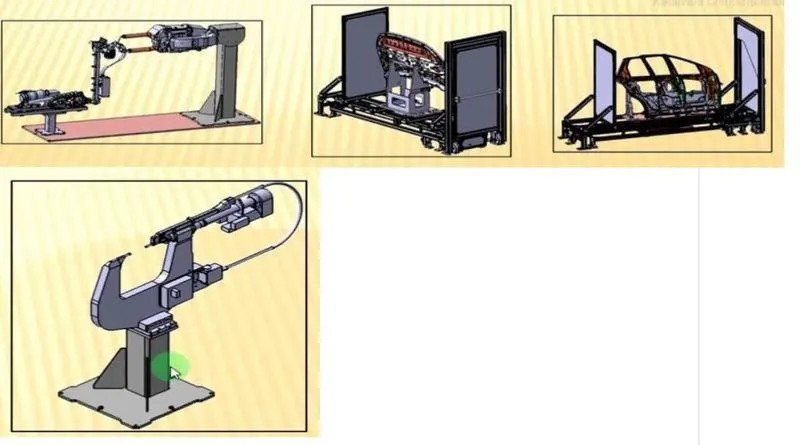
A Biw assembly line is where different types of panels are joined together in each specified zone , these zones will have different stations. below is the list of different types of stations -
a) Tools station
- Geo tool - It is a fixture in which the geometry of panels that are welded together is defined accurately. the pin for the geo tool is of close tolerance that is -0.15 mm in general.
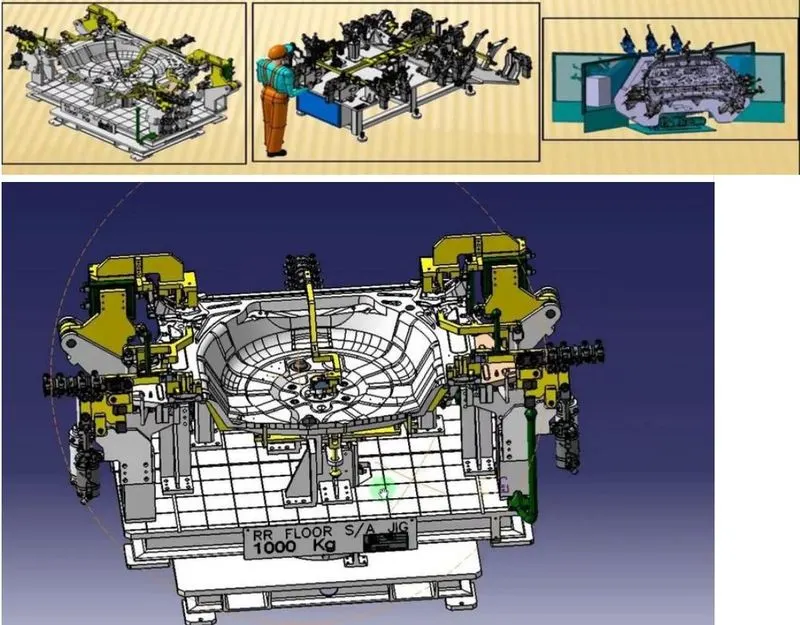
- Respot tool - It is a fixture that covers the remaining welding process which was left out or not covered in the geo tool. the pin tolerance is -0.28 in general.
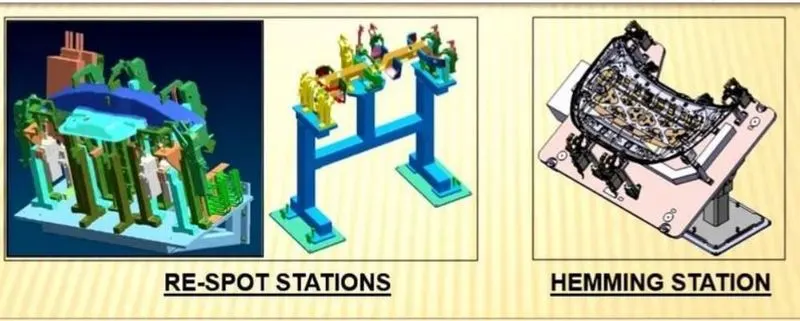
- Marriage/hemming tool - It is a fixture where the outer panel and the inner panel are joined together. this is mainly done on closure parts like a hood, tailgate, etc.
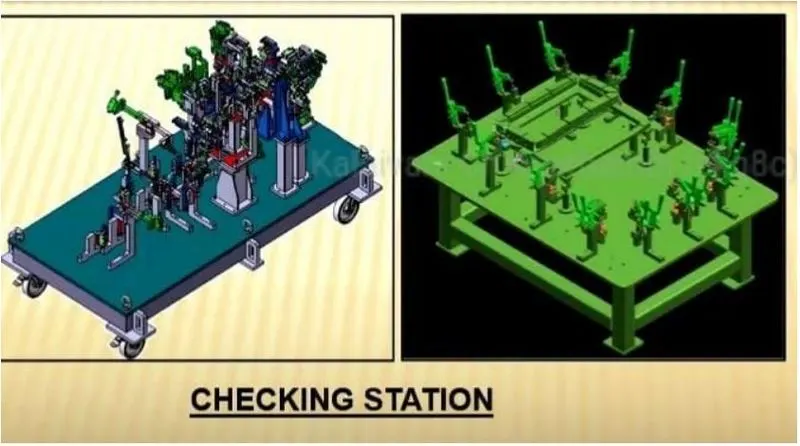
- Checking station - It is a fixture that is used to check the automotive parts and assemblies ensuring all coordinates, relative dimension, a position as per the required tolerance. a checking station may be gauge type, fixed type, automated type.
b)Grippers station - It is a fixture that is used for holding purposes. it is fixed to manipulating the end of the robot or end effector known as EOAT (end of arm tooling). there are types of grippers -Material handling gripper - It is used to handle car panels from one station to another .
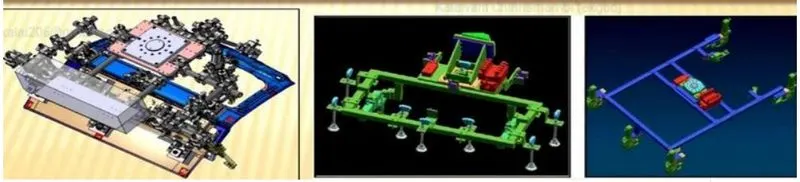
- Process gripper - It is used to handle panels from one station to another station, and in addition to this it undergoes processes like pedestal welding, pedestal riveting, gluing, sealing, etc.
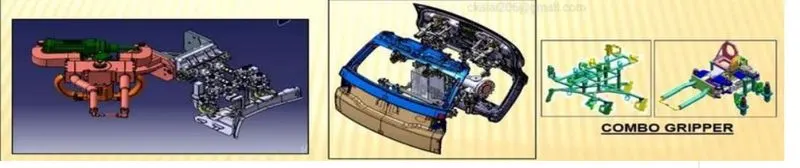
- Combo gripper - It is a type of gripper that is used for handling and in combination with that it has a welding gun on a side of this gripper for welding .
- Dual gripper - It is a two-sided gripper that is used for handling from one station to another station.
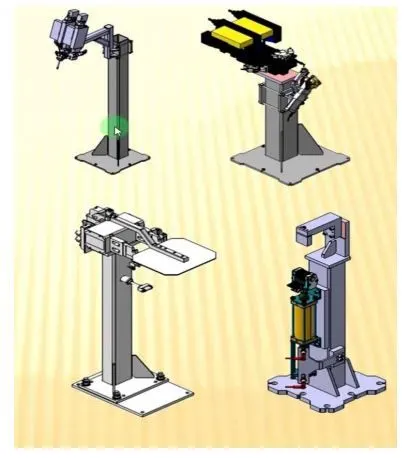
Stands station - Stands are used to hold the parts when it is not in use and it is also used to mount some parts on it . stands are mounted firmly to the ground floor permanently .
- Gluing and sealing stand - This stand has a gluing and a sealing gun on it and it is grouted to the floor permanently .
- Docking stand - When a robot has to do multiple tasks but it cannot hold all the tools, a docking stand is provided .
- Date stamp stand - For the parts that we make it is necessary to give them some identification for their easy callouts in the future. so some details like date, serial no, part no, etc is to be embossed on the part. this embossing is done by the tool which is mounted on the date stamp stand.
- Pedestal gun stand: Weld gun is mounted to a fixed stand which is grouted to the floor permanently, Where the process gripper carries the car panel to weld the spot with this fixed weld gun.
- Take out Trolley: Take out trolley is used to take the car panel out of the robotic working cell between the cycle for inspection purposes.
Basic terminologies used in the BIW fixture:
Nc/Mylar/fingers - mylar is a tool that holds the parts. it is also known as NC block. there are two mylars, resting and clamping mylars. every fixture should have both resting and clamping mylars.
PLP (Principle locating point ) - It is used for accurate location of part for maintaining the geometry of assembly.
Blade - It is a plate mounted on the risers.
Risers - It is a part that gives height to the assemblies. riser can be of L type, welded square to frame type, etc.
Shims - shims is a tool that is used in adjustment for the stack-up tolerance, this shim comes in various thicknesses.
Rough locators - Rough locator is used as a guide locator so that the workpiece will not be incorrectly mounted on the fixture. rough locators are used in the manual fixtures.
Hardware - Hardware is nuts, bolts, screws, washers, etc.
CMM - It is a coordinate measuring machine that is used to measure workpieces precisely .
Units - A fixture is basically formed of various components. These components are called units .there are units like clamp unit, base unit, pin unit, etc.
Number plate - It is an identification plate for the units.
Nameplate - It is an identification plate for the fixture.
Clamp arm - In the clamp assembly unit, the arm that moves is called the clamp arm.
Pivot - It is the axis around which the clamp arm will rotate.
Class A surface/ skin surface - class A surface is the styling surface. this surface is visible to the customer so no damage should be done to this surface.
Reed switches and sensors - It is an electronic device used in automated fixtures. It is used for the detection of panels and automates the opening and closing of clamps.