Week 1 Challenge 2
- AIM
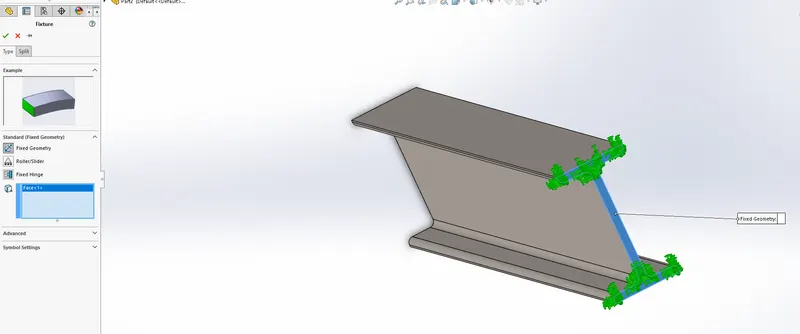
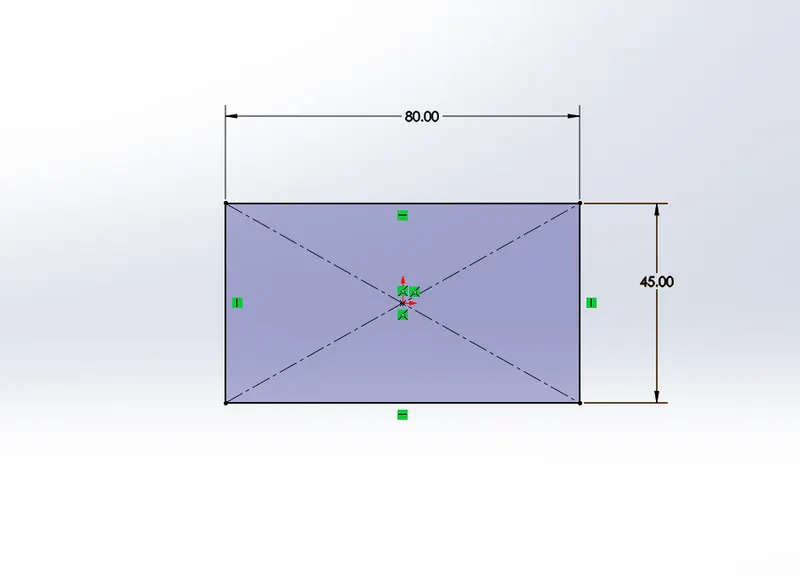
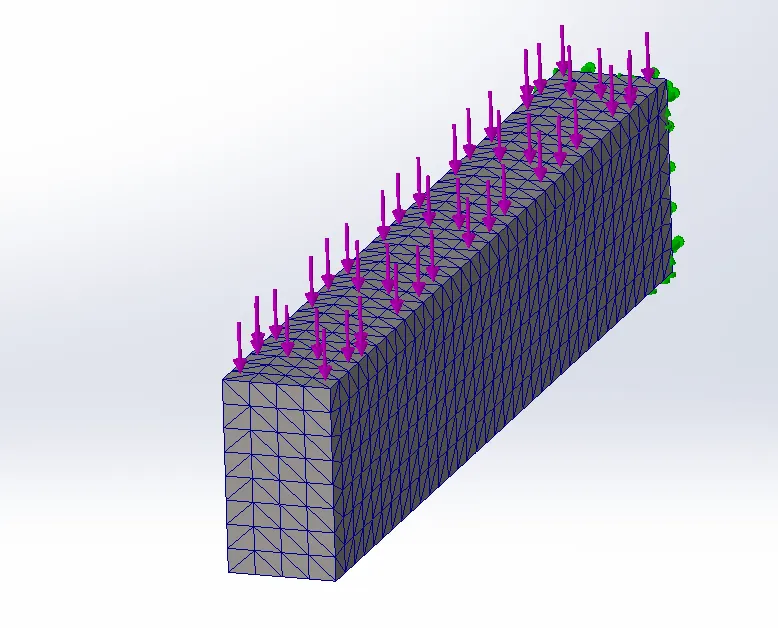
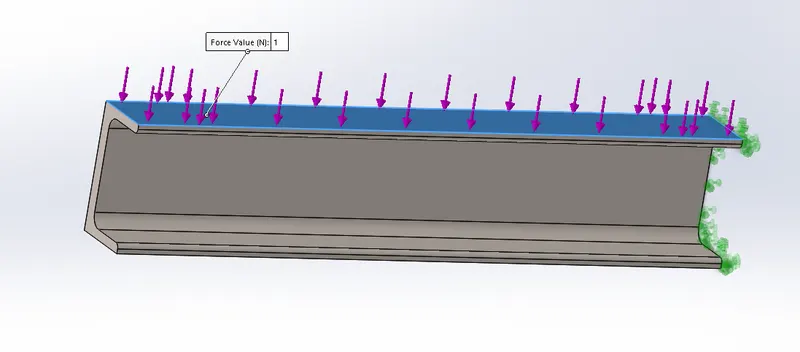
The performance of three types of beams under a bending load, a length of 400mm, a load of 1500N on the smaller face(i.e. 45mm face for case 1, 40mm face for case 2, and 45 mm face for case 3)
A beam deforms when it is subjected to a loading system or a force couple acting on a plane passing through the axis. In layman's words, this axial distortion is referred to as beam bending. The beam deforms as a result of the shear force and bending moment.
Bending (also known as flexure) is the behaviour of a slender structural element exposed to an external load applied perpendicular to the element's longitudinal axis in applied mechanics.
The structural element is assumed to have at least one dimension that is a small proportion of the other two, often 1/10 or less.
The element is called a beam when its length is significantly greater than its breadth and thickness. A closet rod sagging beneath the weight of clothes on hooks, for example, is an example of a beam that is bending. A shell, on the other hand, is any geometric form in which the length and width are of the same order of magnitude but the height is not.
- CASE SETUP
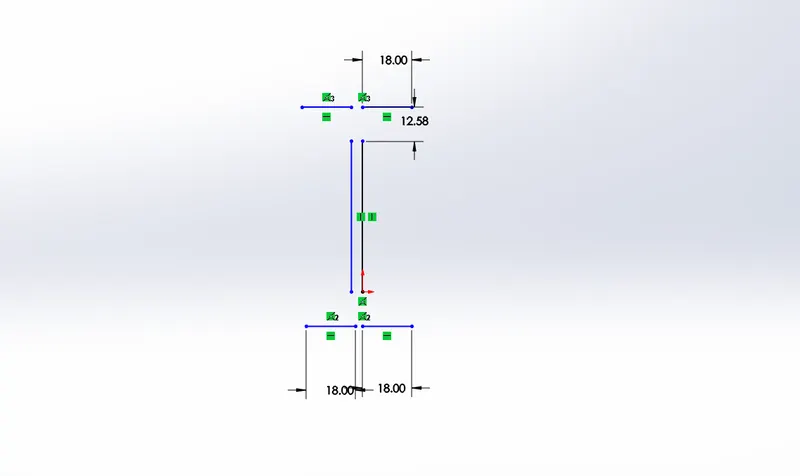
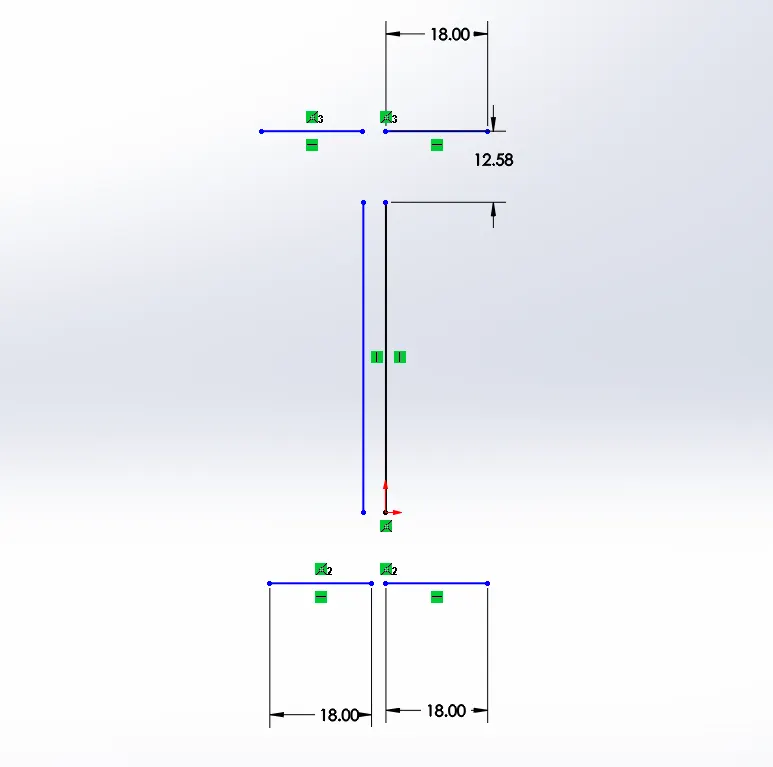
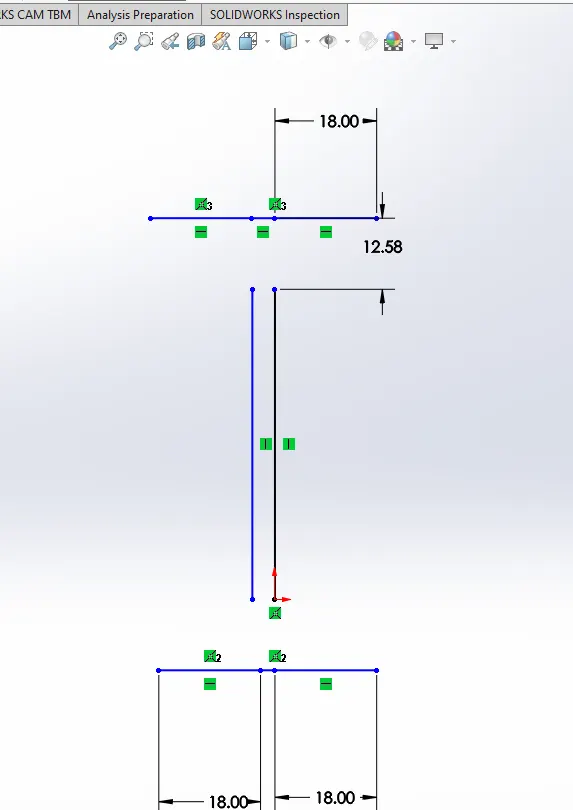
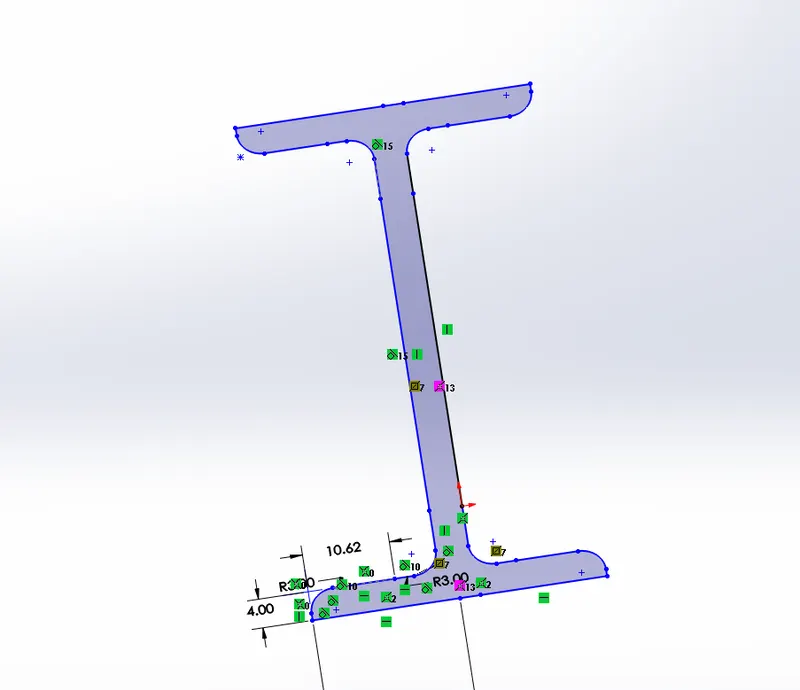
I-BEAM
- RESULTS & EXPLANATATION
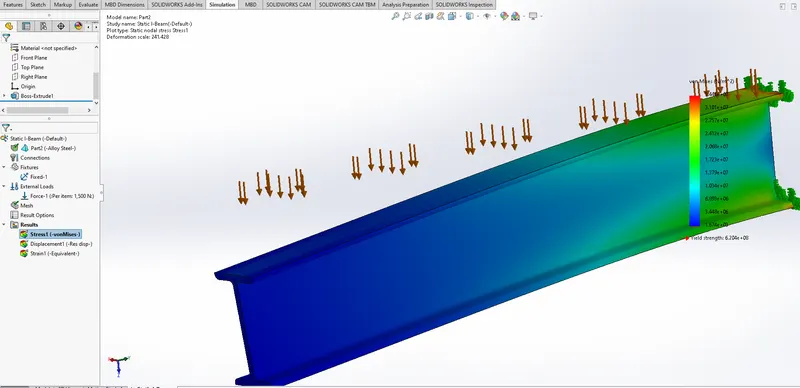
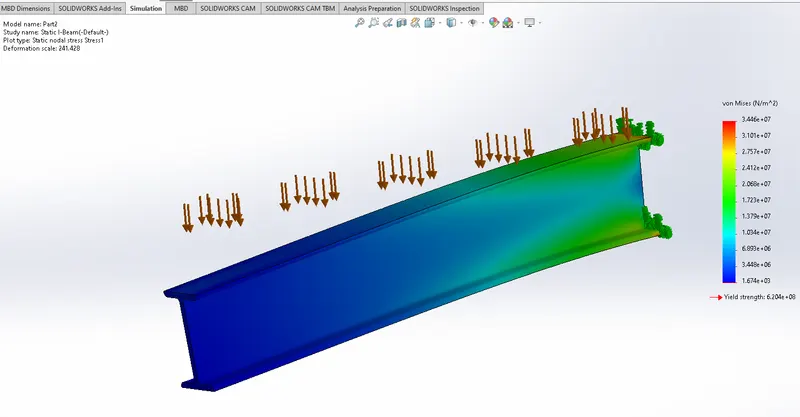
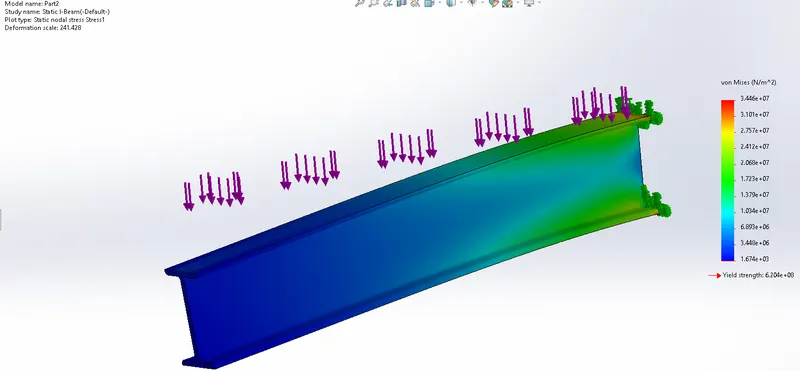
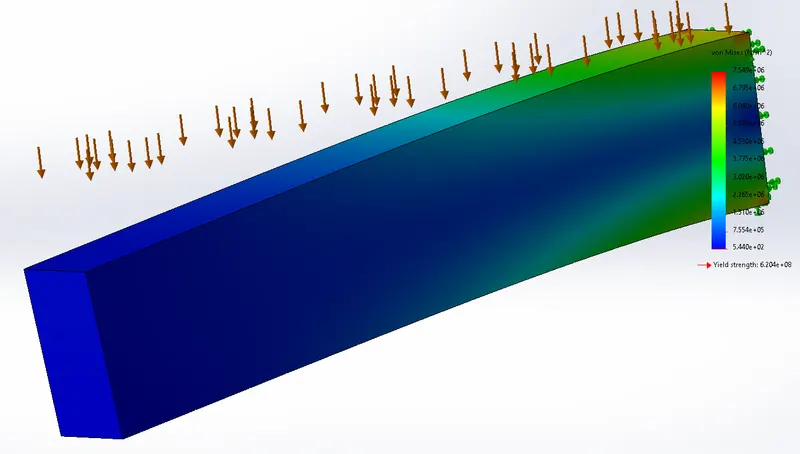
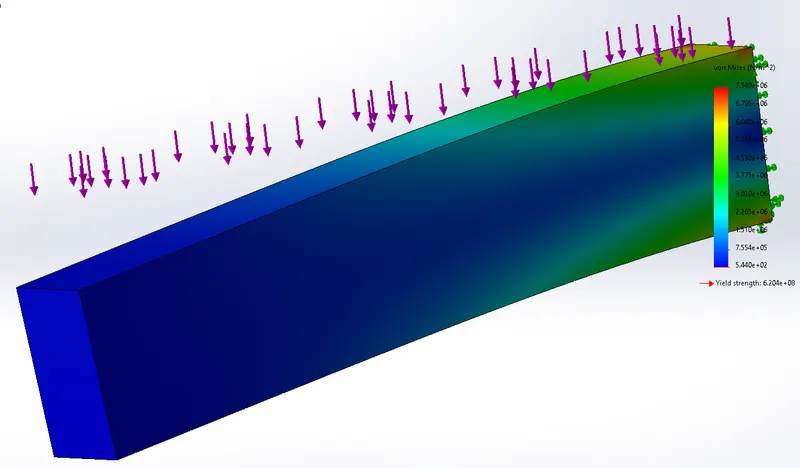
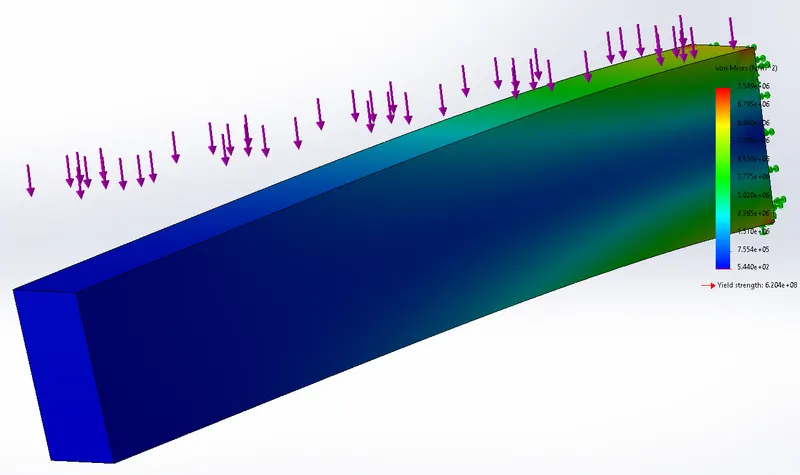
Here, the yield stress is 6.024e+08(N/m^2), also deflection is more towards the hinged part because of shear normal reaction
- CASE SETUP
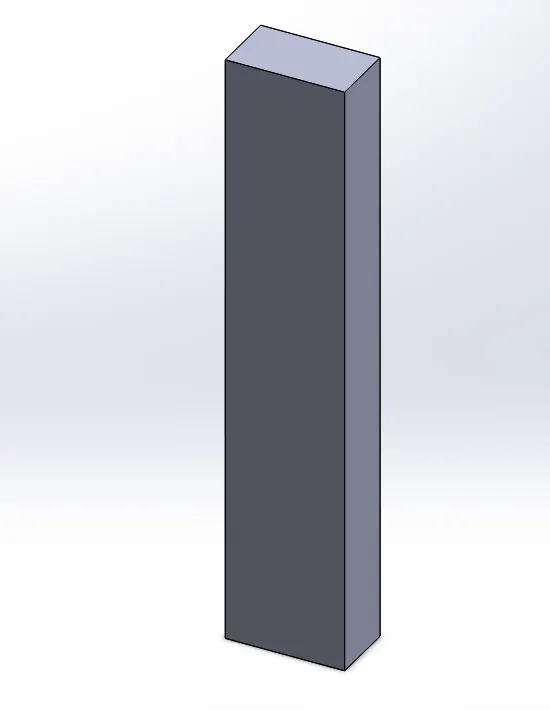
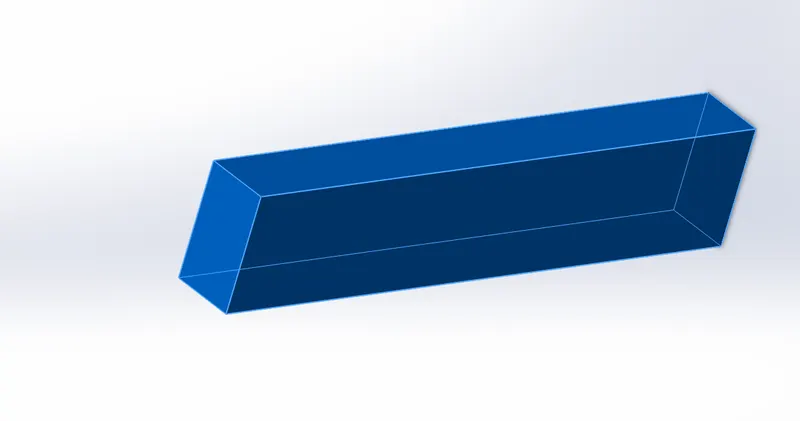
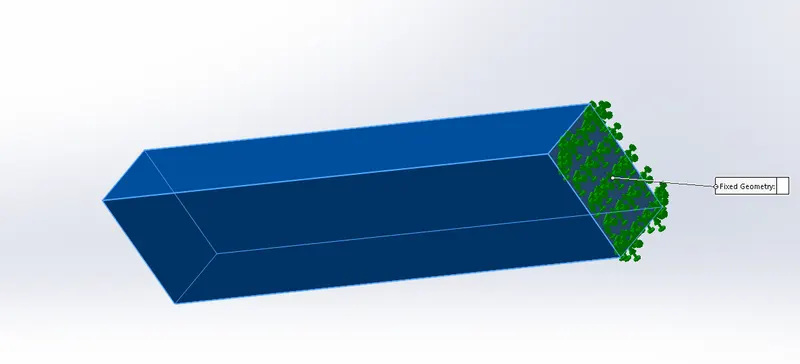
STRAIGHT BEAM
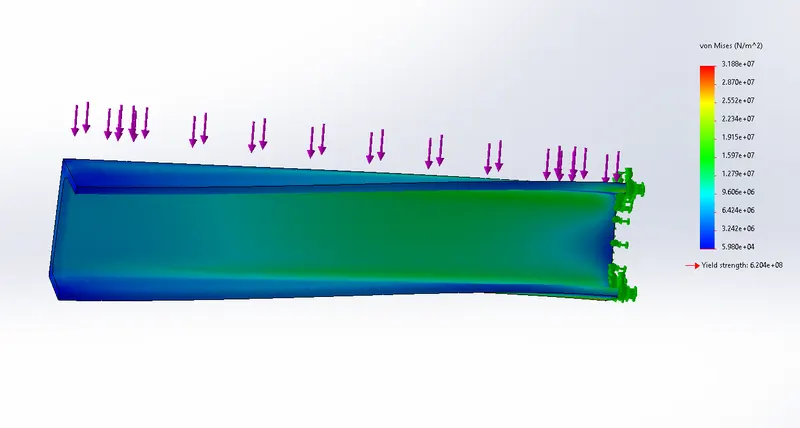
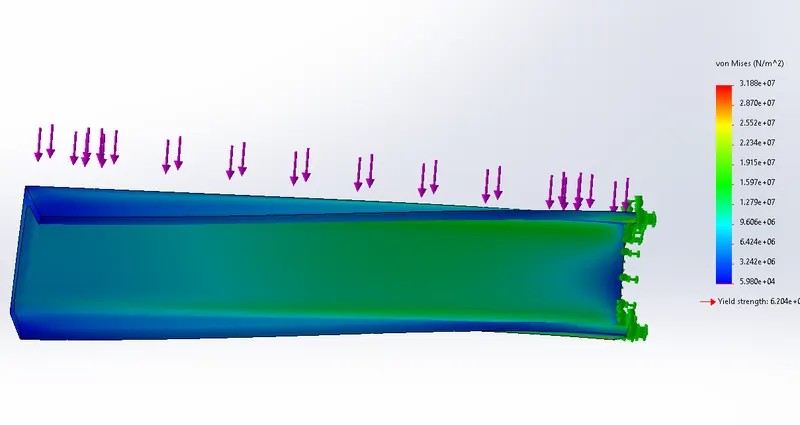
- RESULTS & EXPLANATION
Here, the yield stress is 6.024e+08(N/m^2), also deflection is more towards the hinged part because of shear normal reaction
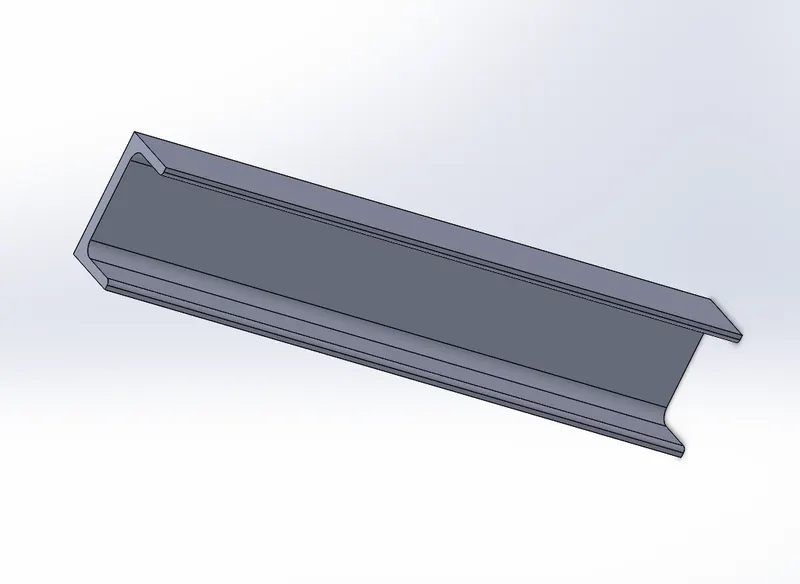
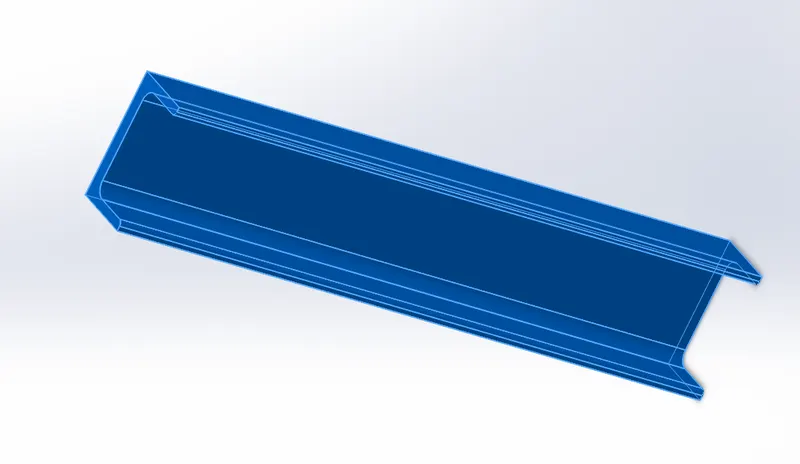
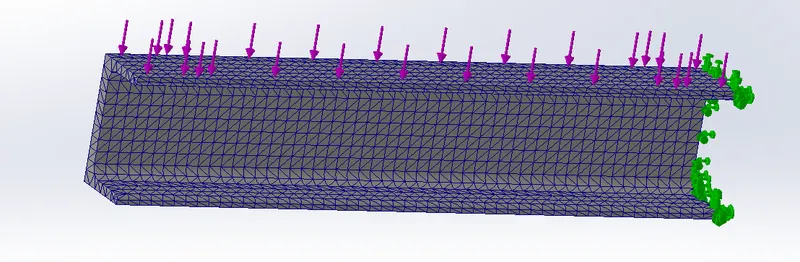
- CASE SETUP
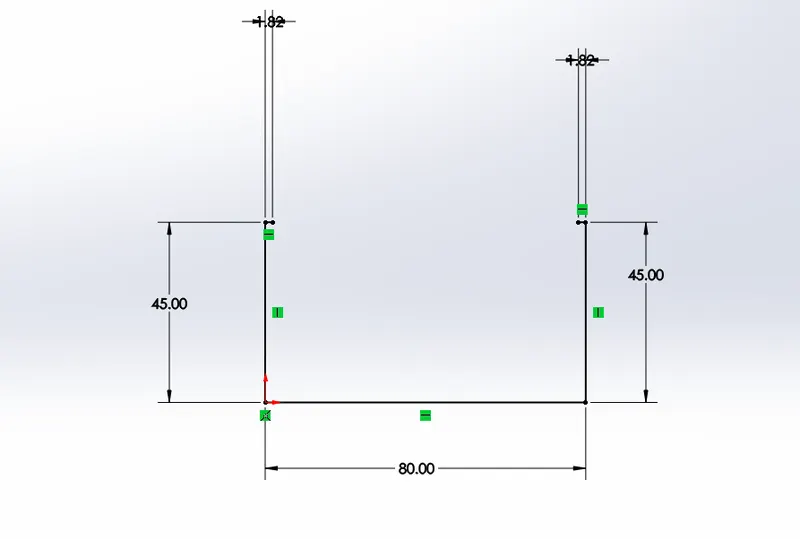
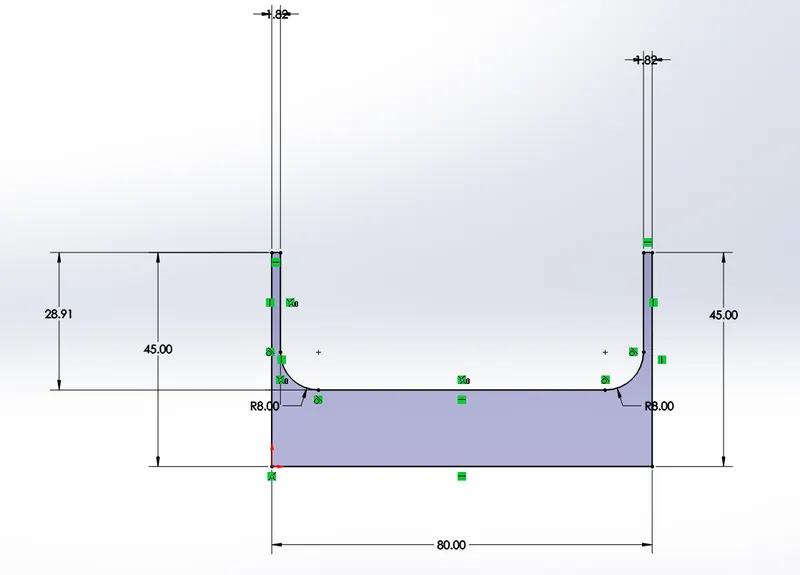
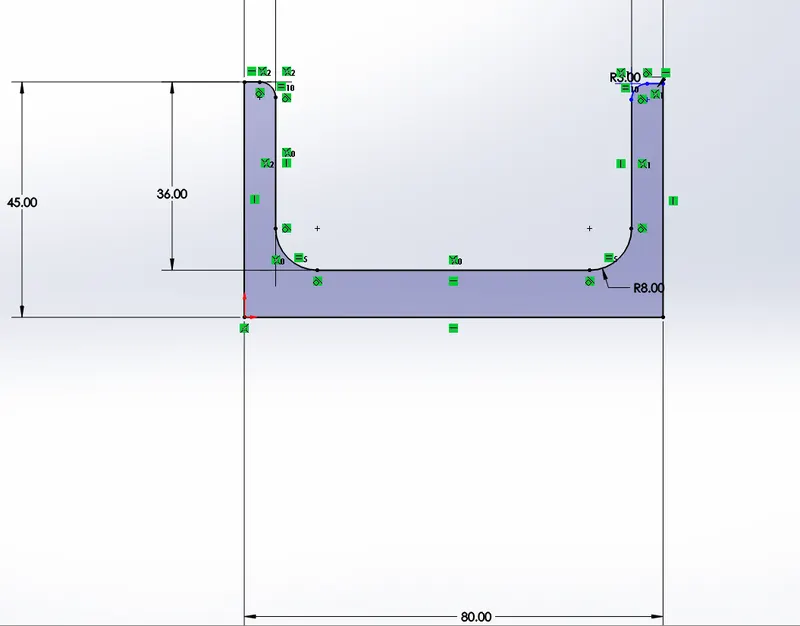
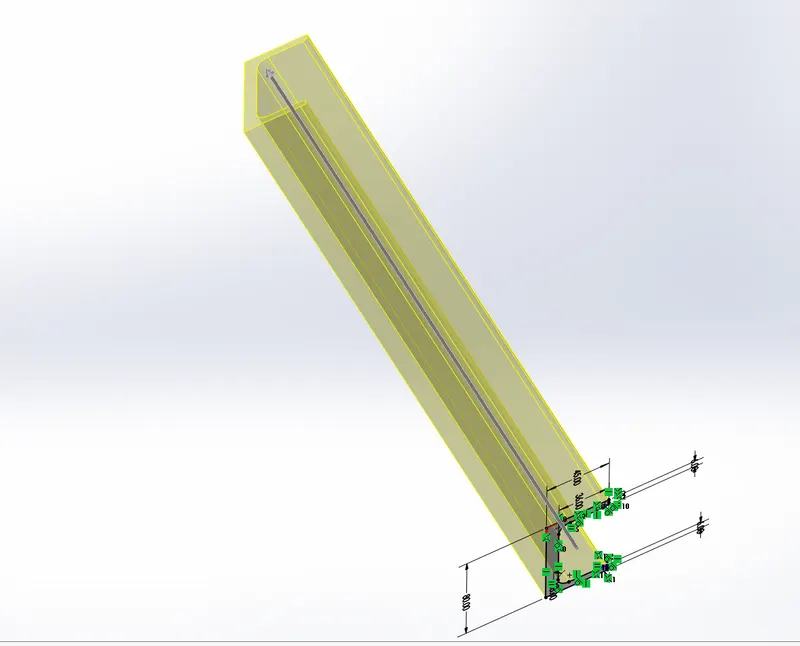
U-SECTION
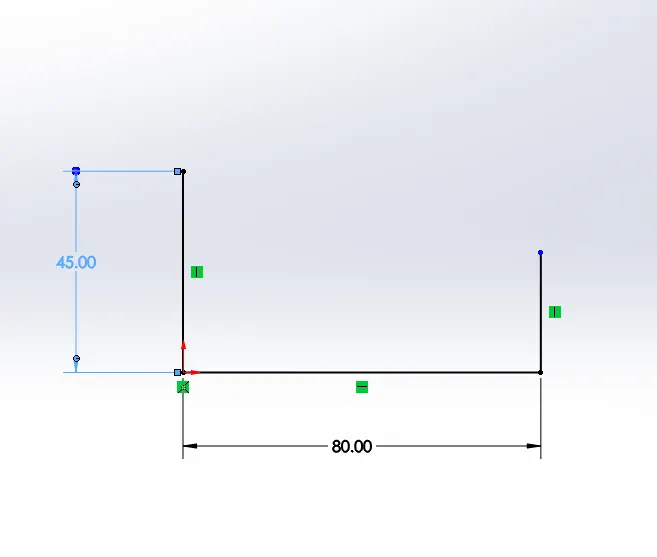
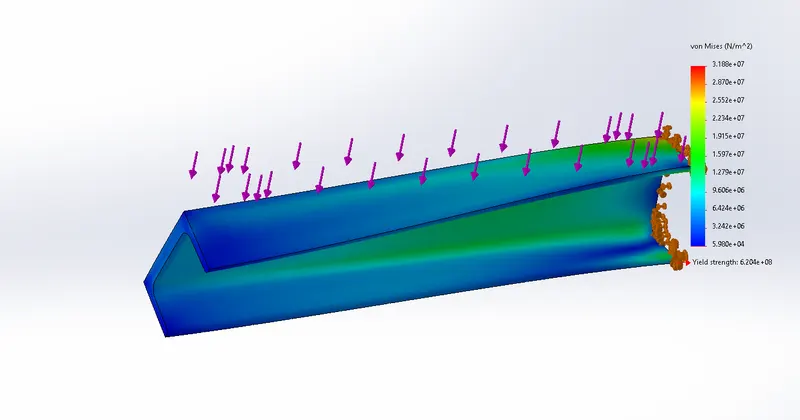
- RESULT & EXPLANATION
Here, the yield stress is 6.024e+08(N/m^2), also deflection is more towards the hinged part because of shear normal reaction