Week 1 Challenge
1. Truss type reasoning
A.PRATT TRUSS:
A Pratt Truss has been used over the past two centuries as an effective truss method. The vertical members are in compression, whilst the diagonal members are in tension. This simplifies and produces a more efficient design since the steel in the diagonal members (in tension) can be reduced. This has a few effects – it reduces the cost of the structure due to more efficient members, reduces the self-weight, and eases the constructability of the structure. This type of truss is most appropriate for horizontal spans, where the force is predominantly in the vertical direction.Advantages of Pratt Truss.
Advantage of pratt Truss
- Aware of member’s behavior – diagonal members are in tension, vertical members in compression
- The above can be used to design a cost-effective structure
- Simple design
- Well accepted and used design
Disadvantages of pratt truss
- Not as advantageous if the load is not vertical
Best used for:
- Where a cost-effective design is required
- Where a mix of loads are applied
- Where a simple structure is required
B. HOWE TRUSS
Howe trusses are essentially the opposite of Pratt trusses in terms of geometry. In fact, looking at a Pratt truss upside-down will visualize a Howe truss of sorts. The entire structure is still relatively the same, but the diagonal braces are now occupying the opposite or the unoccupied joints. This switch in position of the diagonal members has a very important effect structurally.
Pratt trusses have their vertical members in compression and diagonal members in tension upon the application of gravity loads at the joints of the top chord. For Howe trusses, the reverse becomes true as diagonal members are now in compression, while the vertical loads are in tension.Pratt trusses have their vertical members in compression and diagonal members in tension upon the application of gravity loads at the joints of the top chord. For Howe trusses, the reverse becomes true as diagonal members are now in compression, while the vertical loads are in tension.
Depending on the geometry and loading, Pratt trusses can have more unloaded members than Howe trusses.
Pratt truss is most efficient in carrying gravity load.
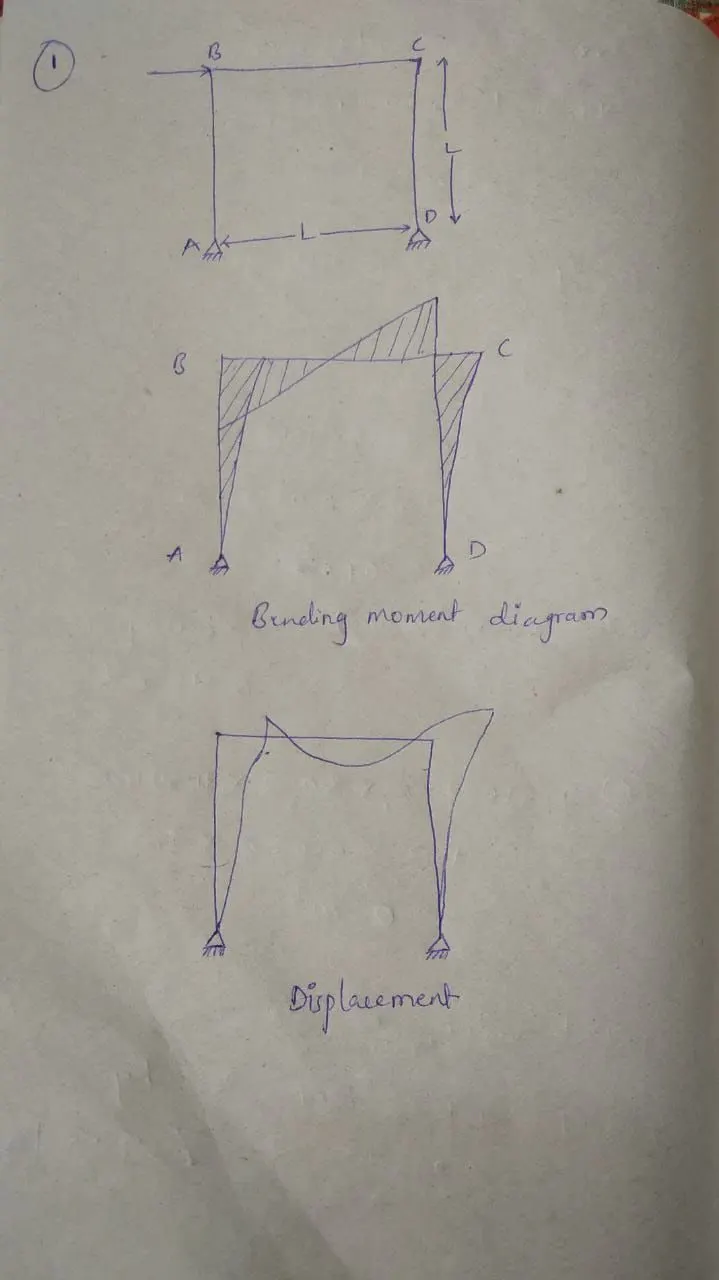
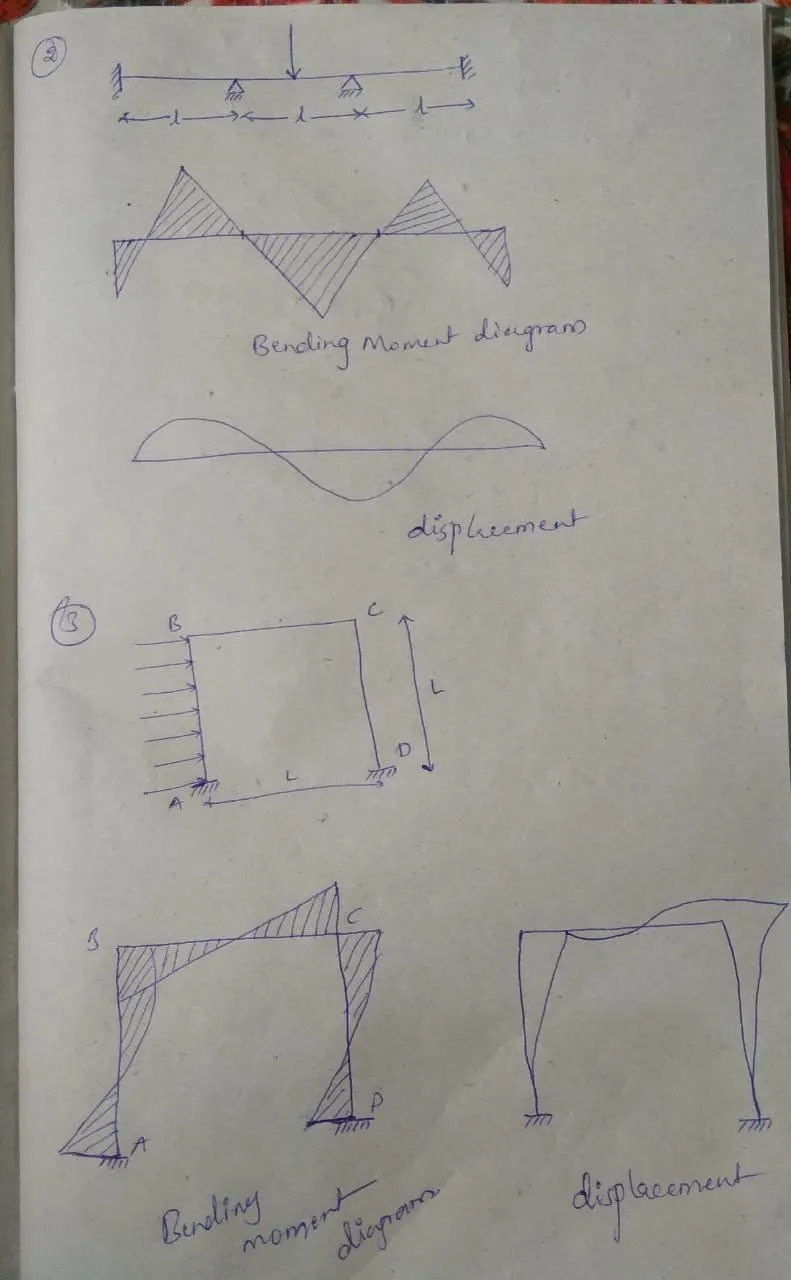
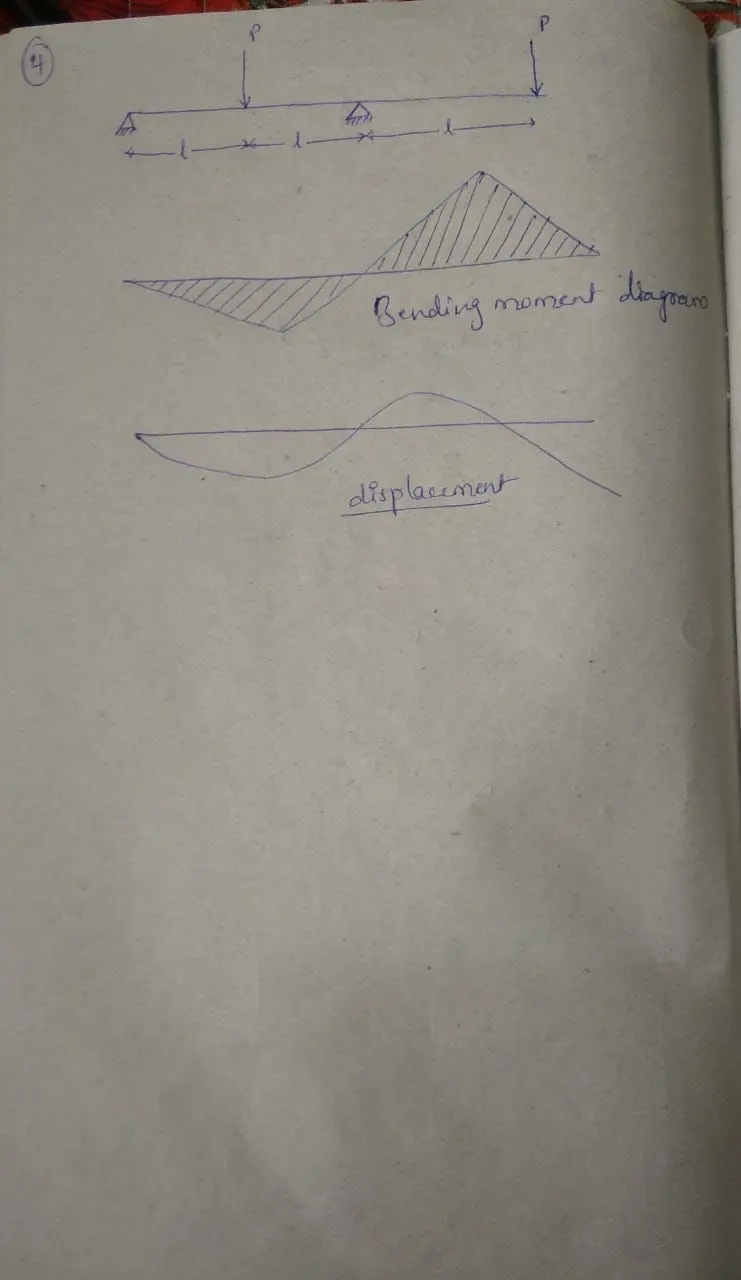
2. Deflection shape & Bending Moment Drawing (Qualitative approach)
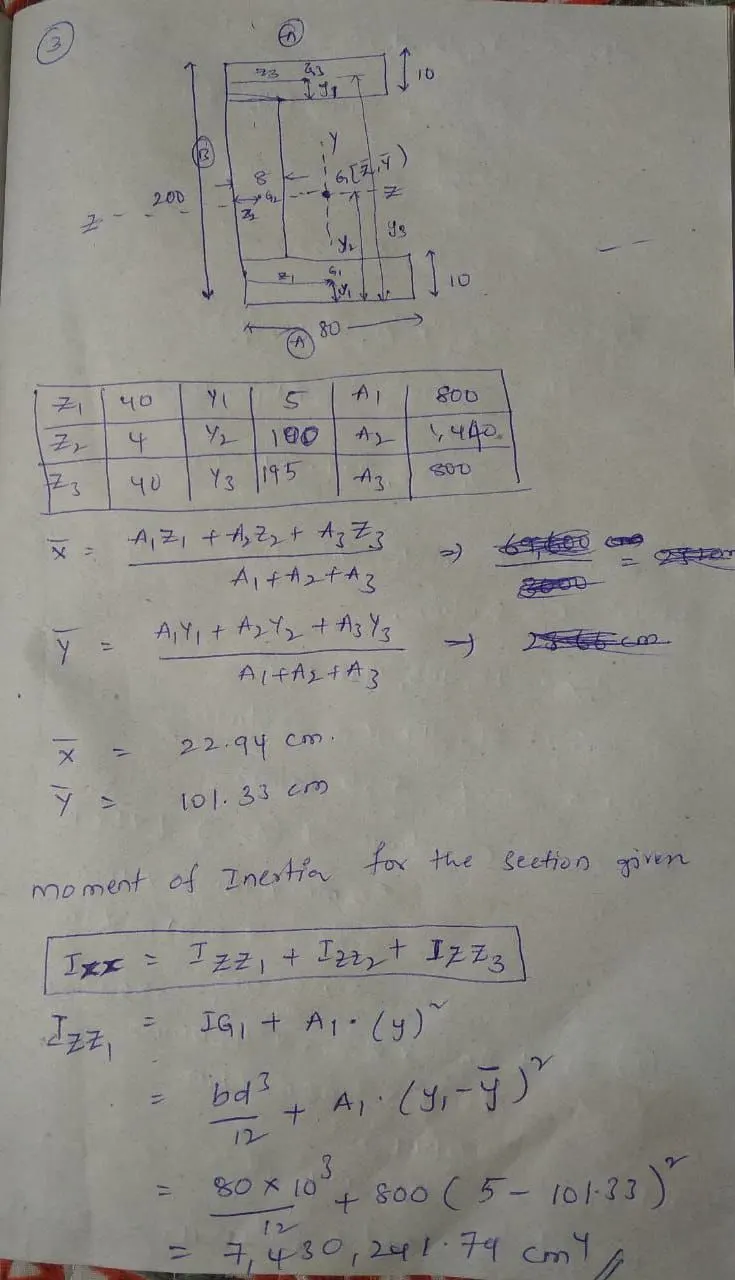
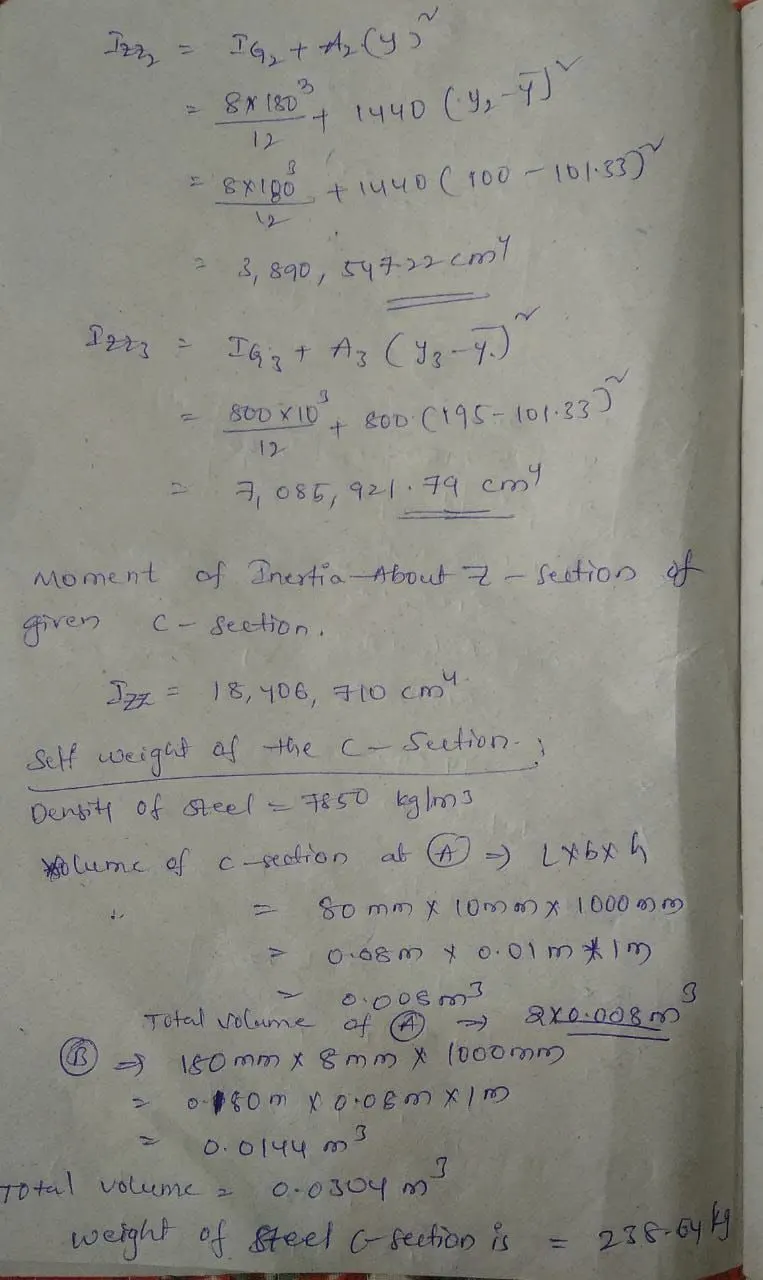
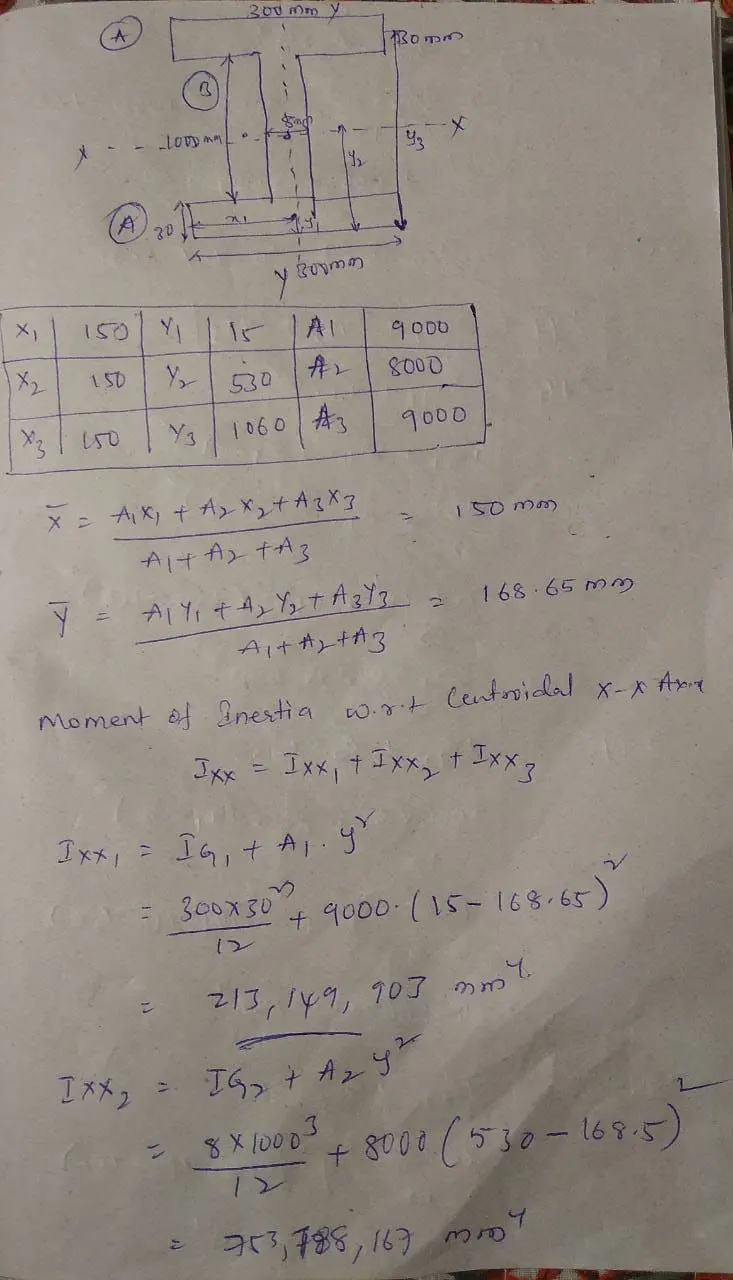
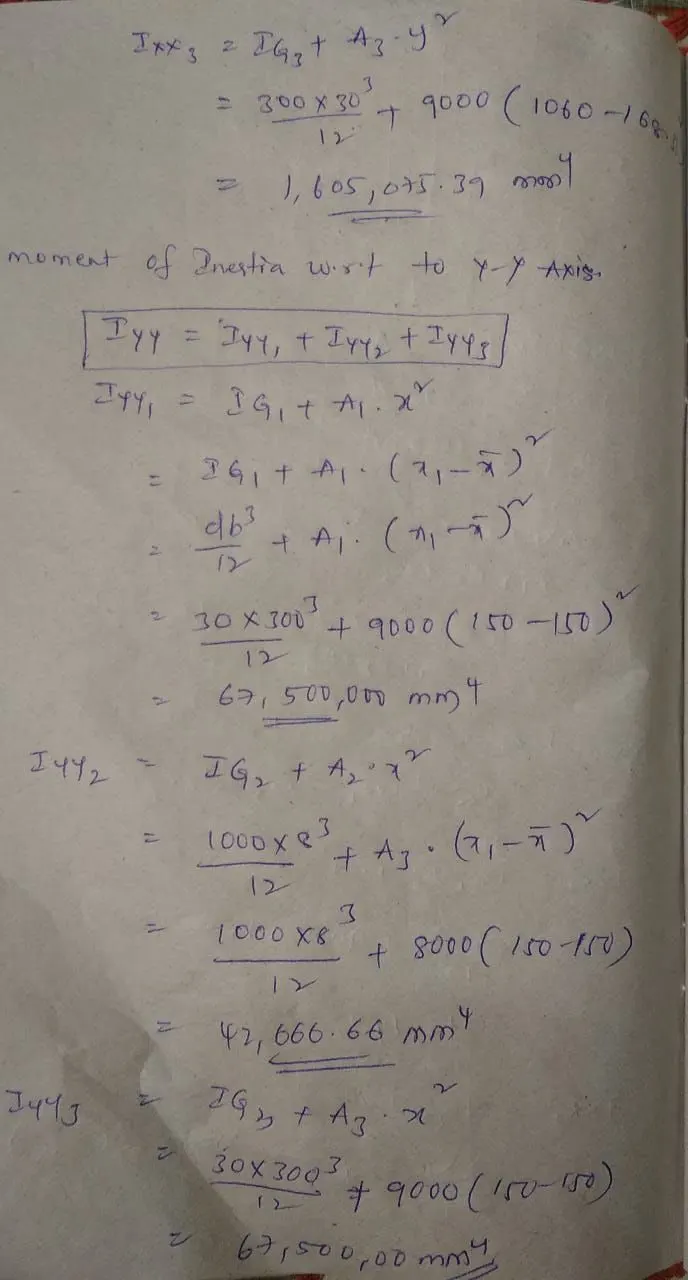
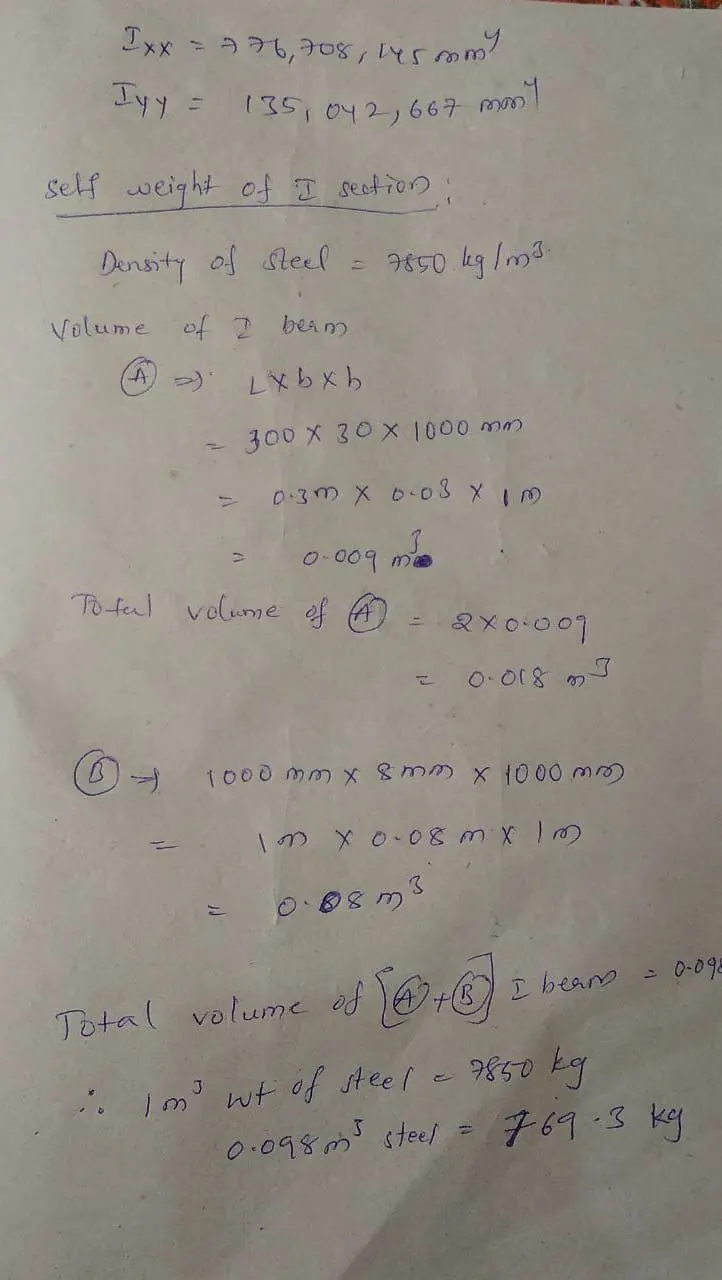
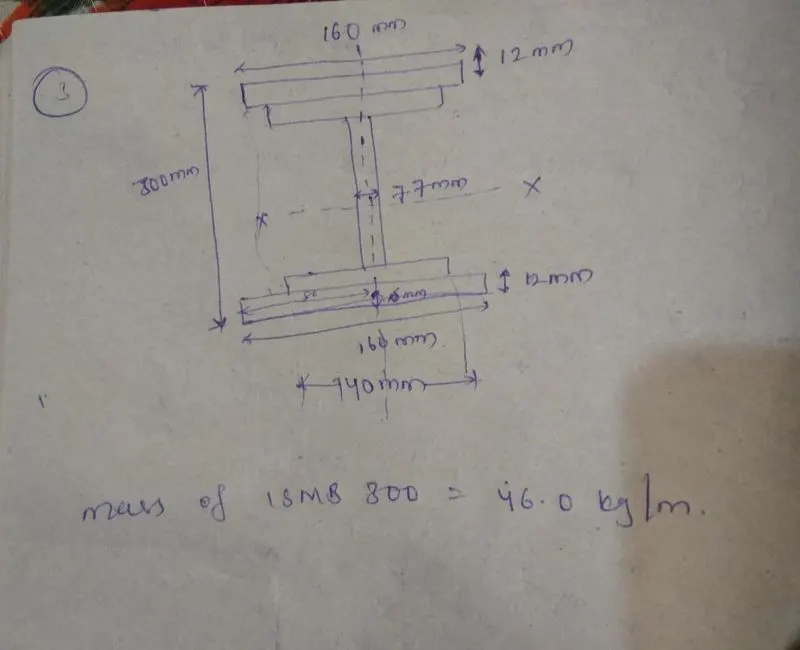
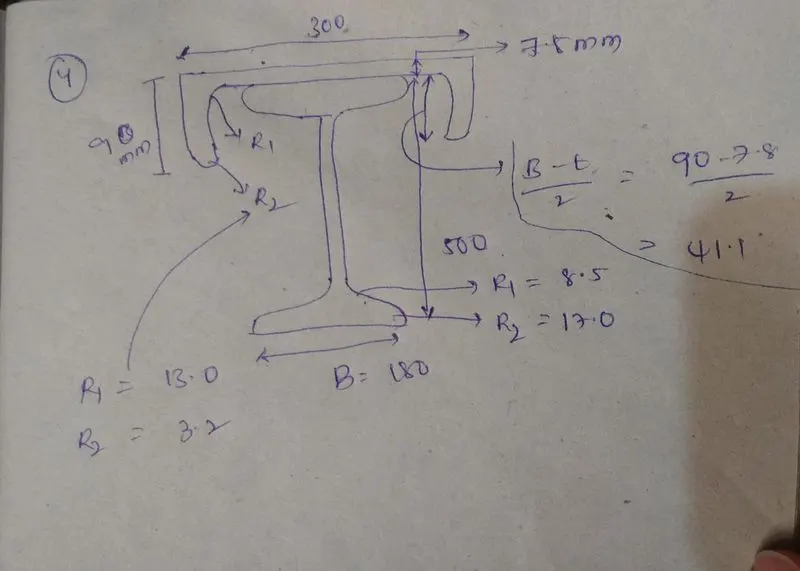
3.Determine MOI, Weight, C/S area of sections below
4.Load calculation problem
Corner column = 49.4 kN
Interior column =12.80 KN
Exterior girder = 20 KN/m
Interior girder = 22.5 KN/m
Interior Beam = 20KN/m
Exterior beam = 10KN/m
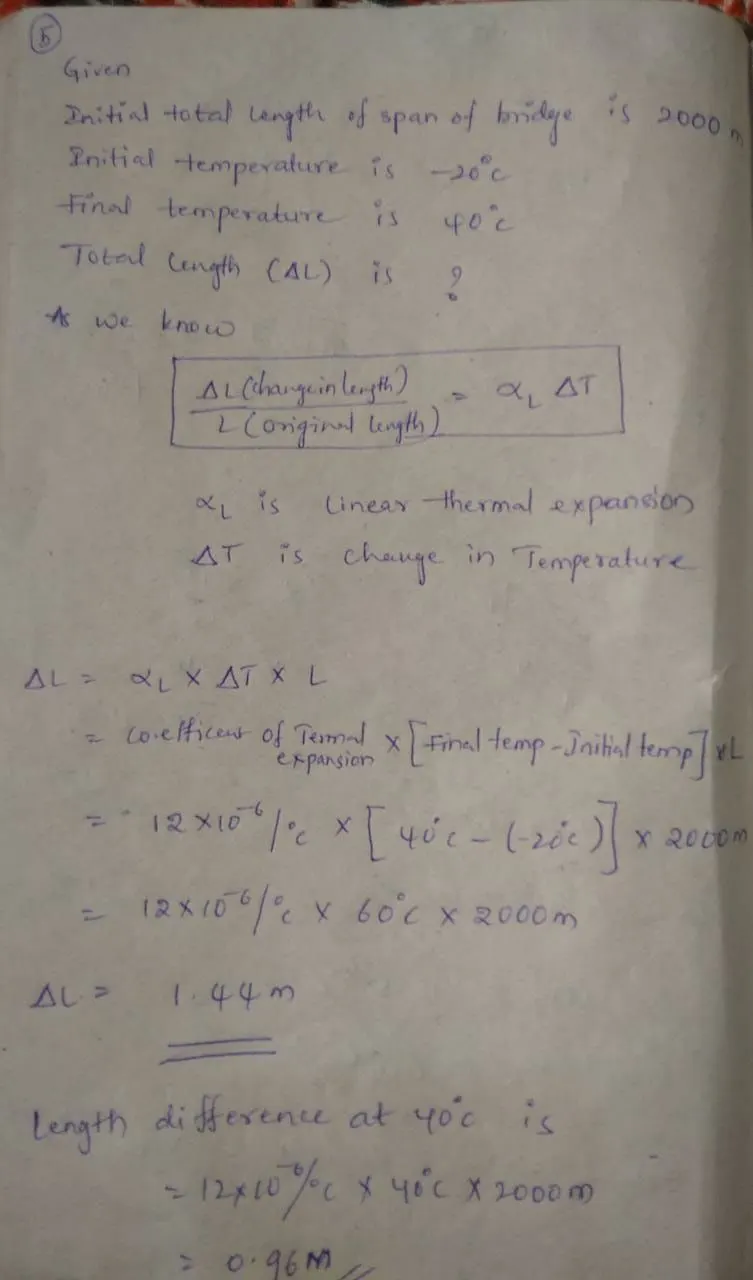
5. Expansion joint size determination for temperature stated problem