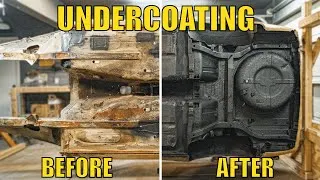
Underbody Coating
INTRODUCTION:
Non coated bare underbody of a car has a very high chance of getting damaged from things like mud, dust, potholes etc. that comes on the road. most of the time driver is unaware of these things.
foreign region like europe, america etc. have very good condition roads still they apply underbody coating as a mandatory part of the cars thats why here in India where roads are not in the up to the mark condition, underbody coating becomes a fundamental and primary element that any cars should have.
PURPOSE OF UNDERBODY COATING:
Minimizes Sound: It minimizes the sound from underneath the car resulting a noiseless, smooth driving experience.
Heat Insulation: It insulates the interior of the car from extreme temperatures from beneath the vehicle providing a comfortable cabin experience.
Anti-chipping property: If any stone hits the coating it does not get chipped away hence protects the underbody from exposure to water.
TYPES OF UNDERBODY COATING:
1. WATER BASED UNDERCOATING:
Water-based vehicle undercoating is most popular for the do-it-yourself procedure. You can get it in your automotive parts stores in aerosol formats. These undercoatings are thin-set and take short time to dry. This coating can be done in automotive shops that offer undercoating services at a reasonable rate. The disadvantage of water-based undercoating is that it should be repeated frequently.
2. PETROLEUM BASED UNDERCOATING:
Petroleum-based undercoating is made from oil and they have greater deflective abilities for road salts and grime. The petroleum base helps repel ice and water better than water-based undercoating. Petroleum-based undercoating can be purchased in your professional vehicle servicing shops. This type of undercoating also needs to be replaced once a year by the owner.
3. ASPHALT BASED UNDERCOATING:
Asphalt-based undercoating is the strongest undercoating available and it is used in military vehicles and on all-terrain. Asphalt-based undercoating will last long and is the best option for vehicles that endure heavy road use. Asphalt-based undercoating is the thickest coating and has the most damage-resistant properties. It can be bought from professional services shops and is the only type of undercoating with a limited warranty. You can also buy the asphalt-based undercoating while buying a new vehicle.
PROS OF UNDERBODY COATING:
The obvious pros of undercoating are the protection it provides to the carriage of your vehicle. If you live in an area where salt and sand are used on the roadways in cold weather, these materials can be corrosive to your vehicle. Undercoating gives you an extra layer of protection against rust and corrosion, protecting your car. Undercoating will eventually wear out, but you can get years of protection from it. Even vehicles in warmer climates gain protection as debris is repelled and kept away from eating at the vehicle.
CONS OF UNDERBODY COATING:
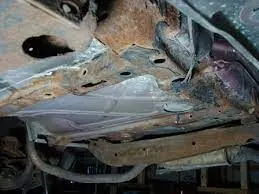
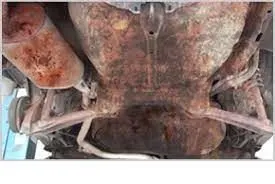
When examining the vehicle undercoating pros and cons, you do want to look at potential downsides to getting undercoating. Undercoating will work best on new vehicles that have not been exposed to road conditions. A used vehicle may already have residue on the bottom of the car or even have spots of rust and corrosion. Undercoating will not help you if corrosion already exists and the corrosion needs to be removed first before it can be applied, which can be expensive for you.