Underbody Coating
UNDERBODY COATING
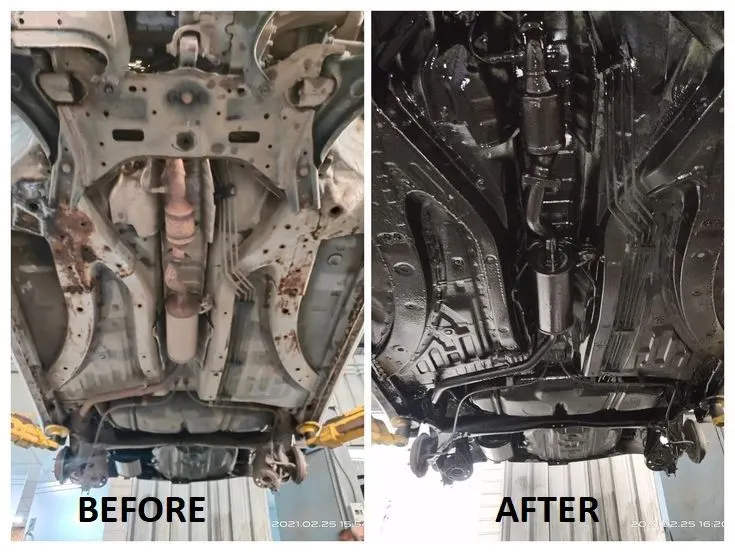
Underbody coating is a thick cladding (typically made of rubber) that is placed uniformly to the car’s underside. When the automobile is fresh off the lot and spotless, it is usually sprayed or painted on. Underbody Coating is a one-component PVC-based product that is cold applied and heat cured. Developed for application on e-Coated substrates, it seals and prevents the entry of water, corrosion, and dust into the joints of car bodies. It also offers excellent noise reduction performance and high resistance to abrasion and impact. The material is typically applied in regions of the underbody, rocker panel, and wheel arches, where exposure to the driving environment and stone beats is constant.
TYPES OF UNDERBODY COATING
-
Rubberized Underbody Coating.
-
Wax Based Underbody Coating.
-
Asphalt Based Automotive Undercoating.
-
Polyurethane Underbody Coating.
Rubberized Underbody Coating
This is widely considered to be the best underbody coating for your car. It protects the underbody from scratches and keeps it properly. It’s also not difficult to apply this to the undercarriage. Rubberized coating is ideal if you want to keep the road noise to a minimum and rust and corrosion away.
Wax Based Underbody Coating
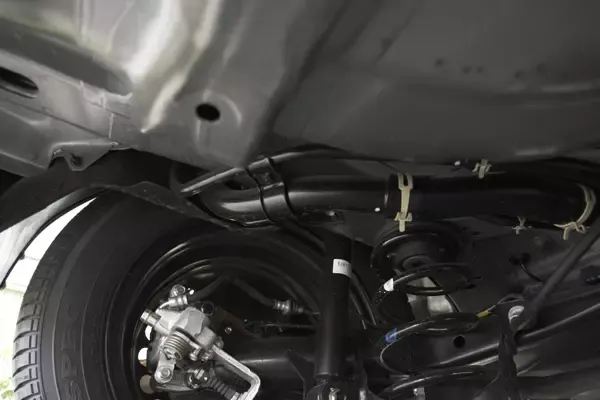
This transitory undercoating will, on the whole, fade away after a few months. On the plus side, wax-based undercoating is resistant to dampness. It is also the most cost-effective alternative.
Asphalt Based Automotive Undercoating
Suitable for lorries, trucks, and other heavy vehicles. In comparison to rubber-based coatings, this gives a higher level of protection. Asphalt-based coatings, on the other hand, incorporate a small quantity of rubber for sound insulation. The application of this coating, however, takes some time.
Polyurethane Underbody Coating
This covering seals breaks and fractures in the vehicle’s underbody. It provides strong corrosion resistance and also binds to the metal. Unlike an asphalt-based coating, the polyurethane coating may be painted over.
PROS
1.Fights Rust
It has a crucial function in preventing corrosion. Underbody coating is particularly useful if you live near the sea, where there is excessive humidity and rust is a common occurrence. If you live somewhere where it snows in the winter, you should seriously consider undercoating. During the monsoon season, cars are at high risk of getting corrosion. If you want to extend your car’s life you should get an underbody coating.
2.Absorbs Noise
Very strong undercoating, realize it or not, can attenuate noises that enter the cabin. The undercoating, which is frequently made of rubber, absorbs part of the rackets. The car’s occupants could avoid the road sounds — at least to some extent. So if you want a quite ride and pleasant experience it is always a good idea to consider getting an underbody coating
3.Reinforcement
If your automobile already has an underbody covering, applying another one on top of it will not harm it. It will provide further protection for the underbody from water, road debris, gravel, and tiny stones. The factory coat would also have a lower risk of flaking away.
4.Prolong Car’s Life
A good undercoat protects not just the underbody from corrosion, but also the engine and gearbox! Less corrosion combined with slower wear and tear can extend the life of your car by many years. On the undercarriage, there would be fewer dents, dings, and scratches to worry about.
CONS
1. Less Effective If Corrosion Already Exists
Once there is rust underneath, vehicle undercoating won’t give you many effective results. Though the coating will be covering the damage that already took place, the rust inside will continue its job to lead to corrosion.
Undercoating slows down the process, but you must remove the rust first before coating.
2. Works Well on New Vehicles
If your car is already old enough or you bought a used one, then undercoating wouldn’t be a good choice. As coating the underneath of a used or old car requires the removal of all the residue, it will cost you more which is definitely not the best idea.
So, it’s better to apply coating on new cars as they offer premium protection.
For someone who changes his vehicle every 3 to 5 years, then vehicle undercoating is not a good use of your bucks. Because most new cars offer almost 5 years of default underneath protection that you can rely on.
3. Not Impervious to Damage
An undercoating doesn’t always mean protection for a fixed amount of time. Based on your road trips and the things you have to drive against, the lifespan of your coating can be minimal.
If you are bound to drive on dirty areas, gravel roads, it can reduce the quality of this protective layer earlier than expected.
4. Need to Reapply Every 3 to 5 Years
For ongoing protection, you need to make sure you are ready to invest in undercoating your vehicle every 3 to 5 years. Most users can ride their vehicles for 5 years without worrying much once the underpart is coated.
But if you happen to live in coastal areas then you might need to do it every 3 years for best results.