Underbody Coating
Under Body Coating :
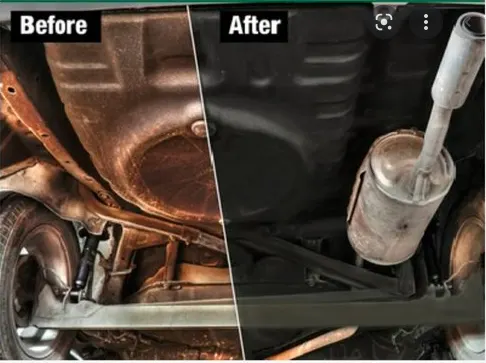
Underbody coating is usually a dense cladding applied unifoemly to the undercarriage of the automobile. it is normally sprayed or painted on when the car is just out of the dealership and is clean.
Purpose :
The main purpose of indercoating is to check rust especially in the body components kile frame rails along with other exposed metal parts. underbody coating can also reduce wear and tear.
Types of Underbody coating :
1) Rubberized Underbody Coating :
Rubberized coating is generally the best option for protecting your vehicle's undercarriage, as it provides the simplest and best protective measures against rust and moisture.
2) Wax Based Underbody Coating :
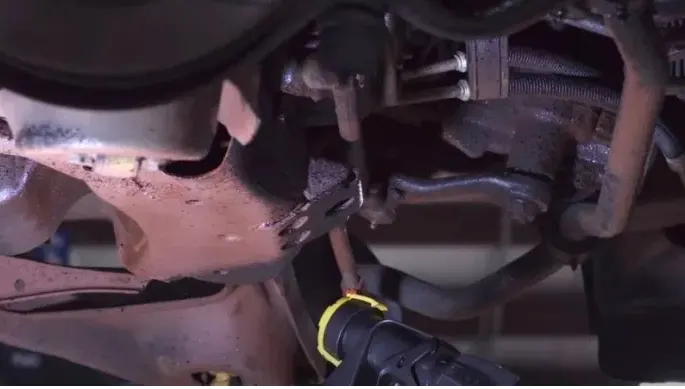
Wax Underbody Coating Spray is a solvent containing, bitumen free anticorrosive agent based on wax, polymers and anticorrosive additives. The product can be precision and exhibits excellent sag resistance. It is fast drying, and even in a thin layer thickness it forms a closed water protecting film.
3) Asphalt Based Automotive Undercoating :
Asphalt Based Undercoating does provide some benefits over Waxed Based Undercoating. They both stick well to most any surfaces and do a great job sealing out moisture, road chemicals and oxygen. But mainly, Asphalt undercoating has the benefit of being less expensive.
4) Polyurethane Underbody Coating :
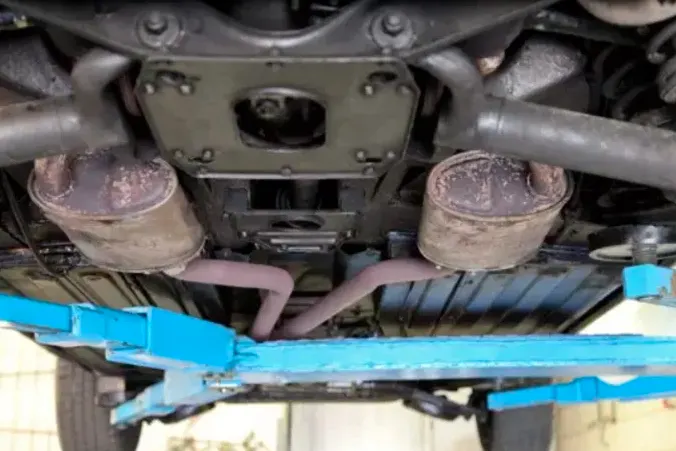
This coating closes up splits and fractures on the underbody of the vehicle. It offers up good protection against corrosion and also bonds with the metal. Unlike in the case of asphalt-based coating, you can paint over the polyurethane coating.
Pros :
- It provides a layer of protection against corrosion.
- It will extend the life of your vehicle.
- It can be applied to damaged areas.
- It can be self-applied.
- The service might help with the cost of your insurance.
- It may help to reduce interior noise.
- There are multiple undercoating methods that can be used.
Cons :
- It is less helpful if corrosion is already present.
- It works best on new cars.
- Most vehicles make it five years before corrosion begins to show.
- A third-party undercoating service might void your vehicle’s warranty.
- It adds weight to the vehicle.
- An undercoating is not impervious to damage.
- It must be reapplied every 3 to 5 years for the best results.