Underbody Coating
UnderBody Coating :-
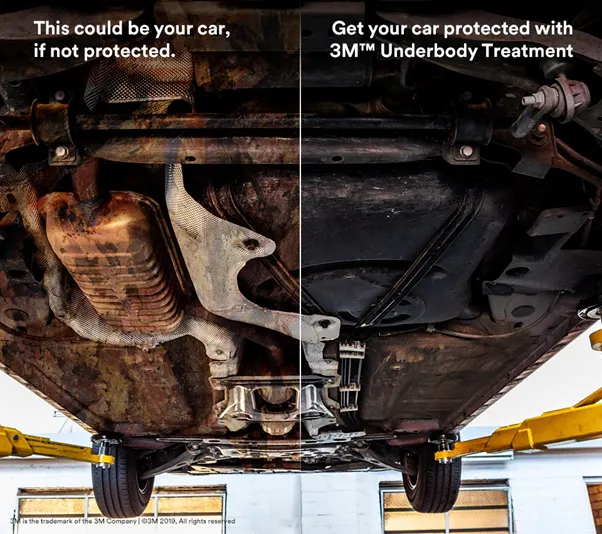
Underbody coating is usually a dense cladding (often based on rubber) applied uniformly to the undercarriage of the automobile. It is normally sprayed or painted on when the car is just out of the dealership and is clean. But even if you are getting the undercoating applied after a couple of years, it's fine too.
Is car underbody coating necessary?
Ideally any additional underbody coating should be applied when the car is brand new and clean. Car manufacturers use thick paints and sealants for the underbody, but adding an underbody coat especially in coastal cities is useful. Salt water tends to corrode cars really badly.
Types Of UnderBody Coating:-
There are Four types of underbody coating.
1) Rubberized Underbody Coating -
Rubberized Undercoating is an easy-to-use black rubberized protective coating. It provides corrosion protection from water, salt and other chemicals. Its helps deaden sound and provides a barrier against rust on cars, trucks, trailers and other recreational vehicles.
2) Wax Based Underbody Coating -
This – more or less – ephemeral undercoating will wear away in a few months’ time. On the upside, wax-based undercoating puts up a big fight against moisture. It is also the most affordable option out there.
3) Asphalt Based Automotive Undercoating -
Asphalt Based Undercoating does provide some benefits over Waxed Based Undercoating. They both stick well to most any surfaces and do a great job sealing out moisture, road chemicals and oxygen. But mainly, Asphalt undercoating has the benefit of being less expensive. They protect anywhere up to 5 years and dry to a Firm to Hard coating.
4) Polyurethane Underbody Coating -
This type of undercoating is a lit a bit quicker and easy to apply. This type of undercoating often comes in a canister ready to preload into application gun. This type of undercoating always requires surface preparations before applying.
Pros of Underbody Coating -
- The obvious pros of undercoating are the protection it provides to the carriage of your vehicle.
- Undercoating gives you an extra layer of protection against rust and corrosion, protecting your car.
- Undercoating will eventually wear out, but you can get years of protection from it.
- Vehicles in warmer climates gain protection as debris is repelled and kept away from eating at the vehicle.
Cons of Underbody Coating
- Undercoating will work best on new vehicles that have not been exposed to road conditions.
- A used vehicle may already have residue on the bottom of the car or even have spots of rust and corrosion.
- Undercoating will not help you if corrosion already exists and the corrosion needs to be removed first before it can be applied, which can be expensive for you.