Underbody Coating
Underbody Coating is a process in which we use a high viscosity material for spraying, which helps the underbody of a car to prevent corrosion. This process mainly used to protect the chassis from rust and underbody from environmental impact and road abrasion.
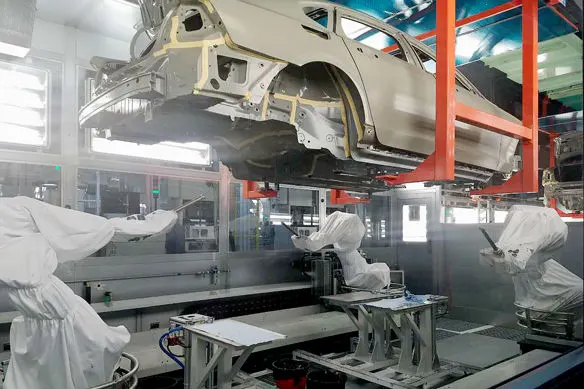
Fig: Principle of underbody coating process
Underbody of motors is susceptible to damages due to harsh environmental conditions. Coatings are applied to the underside of automobiles to shield them in opposition to elements which incorporates corrosion, chemical materials, moisture, water harm, and chipping of the underbody. Automotive underbody coatings offer a protecting layer to cars underside. Coating technique of automobile body (automotive coating method) comprises minimum 5 layers of paint, whilst the underbody coating technique comprises the primary layers within the common coating approach. These two layers offer long lasting safety towards corrosion; however, damage over time calls for renewal of those coatings. Car aftermarket service vendors regularly provide those offerings for the duration of scheduled vehicle upkeep. Car underbody coatings additionally provide safety closer to humidity, moisture, and moist situations which can seep thru the undercarriage of a car through joints or cracks inside the paintwork; and cause corrosion. Elasticity of polymers utilized in vehicle underbody coatings permits for low noise when struck with the useful resource of road particles in evaluation to that with uncoated underbody. As a end result, vibrations of motors are dampened and saved to a minimum.
Types of underbody coating:
- Rubberized Underbody Coating: This is widely considered to be the best underbody coating for your vehicle
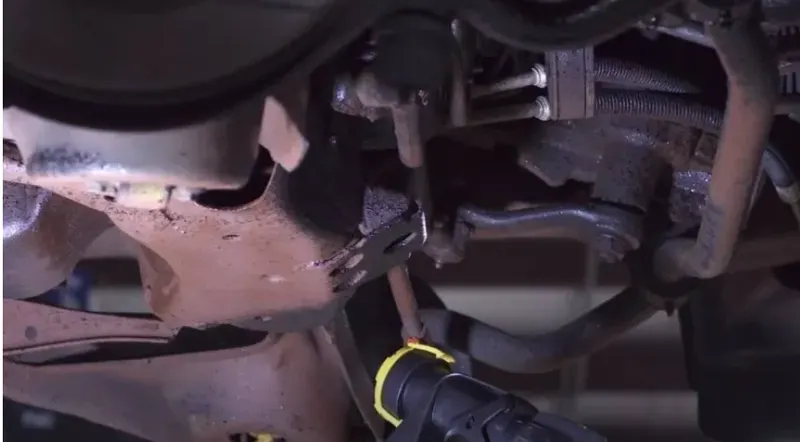
- Wax Based Underbody Coating: This ephemeral undercoating will, on the whole, fade away after a few months. On the plus side, wax-based undercoating is extremely resistant to moisture. It is also the most cost-effective choice available.
- Asphalt Based Automotive Undercoating: this type of coating is suitable for lorries, trucks, and other heavy vehicles. When compared to rubber-based coatings, this gives a higher level of protection. Asphalt-based coatings, on the other hand, have a little percentage of rubber in them for sound insulation. The application of this coating, however, takes some time.
- Polyurethane Underbody Coating: It provides excellent corrosion resistance while also forming a strong connection with the metal. Unlike an asphalt-based coating, the polyurethane coating can be painted over.
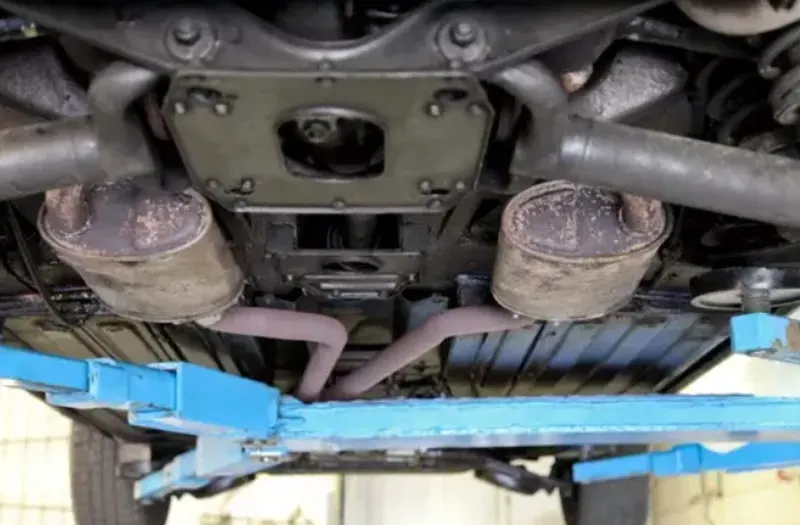
Advantages of Underbody coating
- Undercoating givesa further layer of safety in opposition to rust and corrosion, protective your automobile.
- Undercoating will ultimatelyput on out, however you may get years of protection from it.
- Even carsin warmer climates benefit safety as particles is repelled and kept away from consuming on the automobile.
- it maybe self-carried out. It minimizes the sound from underneath the car.
- It insulates the interiorof the car from the extreme temperature from under the car.
- The coating does now notchip away when hit by means of stones
Disadvantages of Underbody coating
- Undercoating will no longerhelp you if corrosion already exists and the corrosion wishes to be eliminated first before it can be applied, which may be high priced for you.
- It ought tobe reapplied every 3 to five years for the pleasant outcomes
- It providesweight to the vehicle.