Underbody Coating
- The car is hoisted on a lift and the underbody is inspected for flaws
- The under body is cleaned removing out the dirt and grease
- Critical components like silencer are covered in a film to avoid the coating from sticking to it
- Rest of the under body is spray painted evenly.
- The silencer film is removed and zinc coating is sprayed on it
- Final inspection is done to look out for flaws
- Done , the car is ready to leave the workshop
- Manual process where the person sprays the coat by lifting the vehicle to an appropriate height. Nowadays this is performed by high speed robots that ensures a thorough coating on intricate positions.
- Another process is where the automobile frame is kept in a bath of liquid coat. The liquid in made to fall in a plent of amount and than the frame is allowed to get dry and the coat gets set on the frame.
-
No matter the climate, the underbelly of every vehicle needs proper care and protection. Undercoating helps protect your vehicle against rust and corrosion.
Seals on the underbelly parts have gotten a lot tighter and more effective at keeping out dust and moisture, but there are other factors to consider. Poor roads, rocks getting thrown from the tires and denting the metal, and corrosion from road salt in the winter all play a huge part in the damage or decay of a vehicle's underbelly. Used vehicles especially will need a little underbelly protection -- while it's already been exposed to contaminants and rust, applying undercoating will prevent further damage.
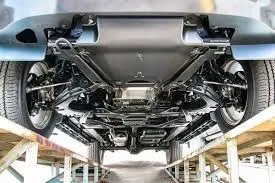
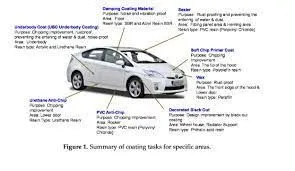
You might know car underbody coating as undercoating, and that’s easier to say. This add-on is applied during the manufacturing or at your local car dealer center, as you must have understood while reading up till here that it is applied as a protective layer for the undercarriage.
The coating is the formulation of spray that is applied to the chassis protecting it from rusting. You must have come across such advertisements that endorse these products, which reduces the road noise.
Applying to undercoat, as soon as you get your new car, is the best way to keep the chassis intact. This covers the undersurface saving it from road grime and other stuff.
How to Undercoat Your Car?
You have a few options to select from while considering an undercoating for your vehicle. Obviously, if you are getting it done through an authorized dealer, then you would have no choice as they have their own preferences.
1. Spray
The spray is the most common method used by dealers. The spray consists of a tar-like substance that is applied to the undercarriage. It functions as a barrier for salt, moisture, and oxygen, which causes corrosion.
You can also purchase it as a DIY product, but the whole magic lies behind the method of application, so it’s better to do the job with a dealer, especially if you have a new vehicle.
2. Electronic
Removing the electrical current capacity of items underneath the vehicles is another method for applying to undercoat. A weak electric current circulates through the material, reducing the chances of rusting.
For using this method, a DIY solution wouldn’t work; you would need an expert.
3. Drip Oil Spray
If you want to do it yourself, then drip oil spray is the best option. This can be messy but incredibly effective at protecting the undercarriage. It covers every nook and corner of the chassis, forming a robust layer of protection.
Time is the factor where you have to show patience in this method. It takes a long time to dry. In some cases, it drips around 48 hours to a week.
4. Dripless Oil Spray
Coming to the last option, the dripless oil spray. This waxy substance is applied to the body and undercarriage, forming a strong protective layer. It doesn’t take much time to dry; however, the layer can easily wear and tear than the other counter methods.
Types of Undercoating
- Rubberized Underbody Coating. This is generally thought of as the best underbody coating for your car
- Wax Based Underbody Coating
- Asphalt Based Automotive Undercoating
- Polyurethane Underbody Coating
-
Rubberized Underbody Coating
This is generally thought of as the best underbody coating for your car. It preserves the underbody well, protecting it from scratches. Applying this to the undercarriage is not much of a hassle either.
-
Wax Based Underbody Coating
This – more or less – ephemeral undercoating will wear away in a few months’ time. On the upside, wax-based undercoating puts up a big fight against moisture. It is also the most affordable option out there.
-
Asphalt Based Automotive Undercoating
Best suited for lorries, trucks and large vehicles this provides a greater degree of protection compared to rubber-based coatings. However, asphalt-based coatings contain little amounts of rubber for sound-insulation purposes. The process of applying this coating is a bit time-consuming though.
-
Polyurethane Underbody Coating
This coating closes up splits and fractures on the underbody of the vehicle. It offers up good protection against corrosion and also bonds with the metal. Unlike in the case of asphalt-based coating, you can paint over the polyurethane coating.
The Pros of Undercoating
The obvious pros of undercoating are the protection it provides to the carriage of your vehicle. If you live in an area where salt and sand are used on the roadways in cold weather, these materials can be corrosive to your vehicle. Undercoating gives you an extra layer of protection against rust and corrosion, protecting your car. Undercoating will eventually wear out, but you can get years of protection from it. Even vehicles in warmer climates gain protection as debris is repelled and kept away from eating at the vehicle.
1. It extends the lifespan of your car
The protection against rusting gives you the biggest advantage, which is the long-life of the vehicle. If undercoating is done the right way, then it will provide protection for up to 10 years. In some cases, the time span is more than ten years, which extends the lifespan of your vehicle.
2. No more loud road noise
The undercoating serves as an extra layer of insulation, reducing the noise from penetrating inside components. Thus padding acts as a barrier between you and the source of the noise. If the road noise bothers you while driving your car, truck, or SUV, then applying to undercoat can help you.
Cons of Undercoating
When examining the vehicle undercoating pros and cons, you do want to look at potential downsides to getting undercoating. Undercoating will work best on new vehicles that have not been exposed to road conditions. A used vehicle may already have residue on the bottom of the car or even have spots of rust and corrosion. Undercoating will not help you if corrosion already exists and the corrosion needs to be removed first before it can be applied, which can be expensive for you.