Underbody Coating
Underbody coating
Automobiles are made of different types of steel materials and alloys it contains 95-98% of iron and 2-5% of alloy by combining of different materials so iron body parts are easily rusted so reducing of iron rusting under body coating is introduced in automobiles. The iron is easily undergone oxidation (FE2+O3 —>FE2O3 in the presence of H2O)
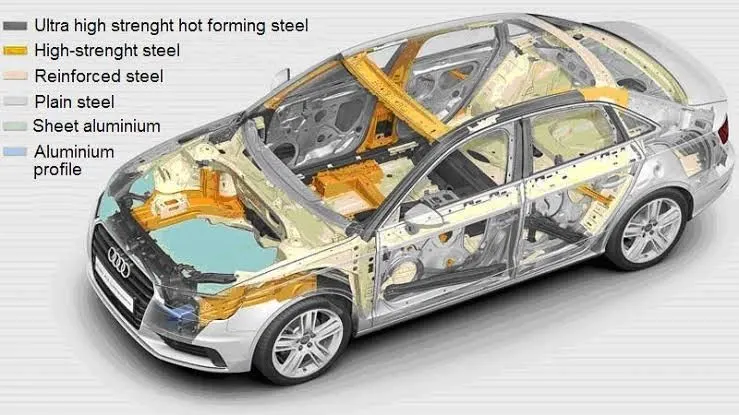
In automotive the underbody coating is a protective layer of vehicles to prevent from several factors such as moisture, corrosion, stone chip damage, chemicals etc. The main purpose of underbody coating is to check rust especially in the body components like frame rails, panels with other exposed metal parts.
Automotive underbody coatings market segmentation as:
On the basis of use
- OEM
- Aftersales market
On the basis of coating type
- Solvent based
- Bitumen based
- Resin based
- Wax based
On the basis of coating methods
- Spray applied
- Brush applied
Some of the market participates operating in automotive under body coatings market as follows:
- Henkel corporation
- 3M
- Covestro AG
- Daubert chemical company
Types of under body coating:
1.Rubberized under body coating: these coating is easy to apply and offer sound cushioning as well protection from dust and moisture and dents
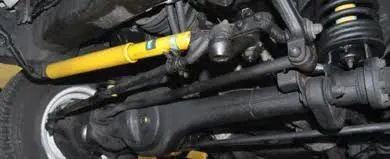
2.polyurethane underbody coating: it is very quicker and easy this type of undercoating often comes in a canister ready to preload into application gun and it requires preparation before applying
3.wax or paraffin-based underbody coating: wax or paraffin base undercoating will be the cheapest and fastest option available in the market
4.Asphalt based underbody coating: it is mainly used for light vehicles such as buses, trucks, vans etc. It is little bit of rubberized material set up firmly and also helps in reduction in noise
Modern automotive underbody coating processes
The modern automotive coating consists of five steps
- Pre-treatment: The first step in preparing BIW for subsequent coating is the pre-treatment process. Pre-treatment consists of cleaning the body surface to remove remaining oils from the stamping process and welding residues through three primary liquid dip processes of degreasing, conditioning and phosphating. The degreasing solution is composed of alkaline salts and surfactants and can include caustic soda, tri sodium phosphate, and sodium carbonate. The surfactants are types of detergents for emulsifying oils and lubricants on the BIW.
- Electrodeposition (ED):
The metal underbody and frames of automobiles are coated to prevent corrosion, whereas other areas like the roof are not rust proofed. When not coated to prevent corrosion, the structural metals (or other materials) are primed before applying additional coatings. The ED processes are modified as per the BIW material property. This ED coating provides rust and corrosion protection.
- Rust-proof materials: Sealer/PVC The third step is underbody coating (UBC) and seam sealing using PVC and urethane. The sealant is applied around and inside the doors, hood, trunk, and front dash and onto the exterior and interior of metal joints and outer area of the back wheel well.
- Primer: The fourth coating step is the application of a primer surface or simply primer. It can be water-borne, solvent-borne or a powder. These primers are used to improve adhesion between the E-coat an t: The final step in the body coating process is to apply the topcoat, which consists of two layers-the basecoat and clear coat. The basecoat contains the primary colouring pigment and the clear coat provides a protective coating against environmental effects, corrosion, and UV light degradation promotes unmatched colour retention and provides a smooth unblemished even finish.
Benefits of underbody coating:
Sound: It minimizes the sound from under side of the car.
Heat insulation: It insulates the interior of the car from the extreme temperature from beneath the vehicle.
Anti-chipping property: The coating does not chip away when hit by stones.
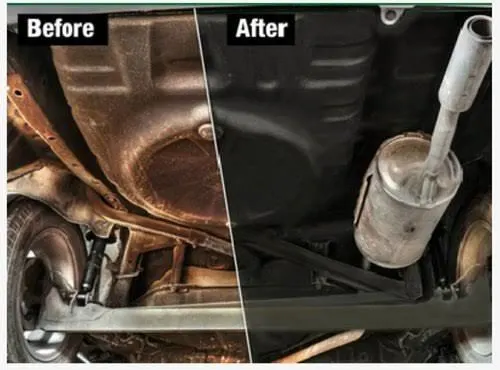
Before and after applying of underbody coating to the automotive body.