Underbody Coating
Under-Body Coating: Protecting Your Vehicle from Road Hazards
Purpose: Under-body coating is a protective layer applied to the underside of vehicles to safeguard them from various road hazards and environmental elements. The undercarriage of a vehicle is susceptible to damage caused by rocks, debris, salt, water, and other corrosive materials that can lead to rust, erosion, and mechanical issues. Under-body coating serves as a reliable shield, prolonging the lifespan of the vehicle and reducing maintenance costs.
It protects from ;
- Environmental Condition
- Dampen sound and vibration
- Impacts
- Protects against corrosion
- Seal off seams
- Insulated against cold and heat
- Hides welds, repair and bodywork with spray
Types of Undercoating
1.Rubberized Underbody Coating
This is generally thought of as the best underbody coating for your car. It preserves the underbody well, protecting it from scratches. Applying this to the undercarriage is not much of a hassle either.
These coatings consist of rubber-based compounds and are highly effective in reducing road noise and vibration. They provide a flexible protective layer that can withstand impacts and abrasions, making them suitable for off-road vehicles.
2.Wax Based Underbody Coating
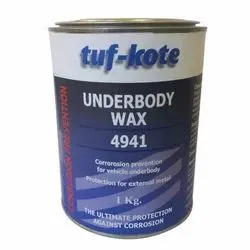
This – more or less – ephemeral undercoating will wear away in a few months’ time. On the upside, wax-based undercoating puts up a big fight against moisture. It is also the most affordable option out there.
Wax-based coatings are easy to apply and offer good corrosion resistance. They create a water-repellent barrier and can be reapplied when necessary. However, they may wear off relatively quickly compared to other types.
3.Asphalt Based Automotive Undercoating
These coatings use an oil-based formula that solidifies once applied. They provide long-lasting protection and are self-healing to some extent, as they flow back into damaged areas to maintain coverage.
4.Polyurethane Underbody Coating
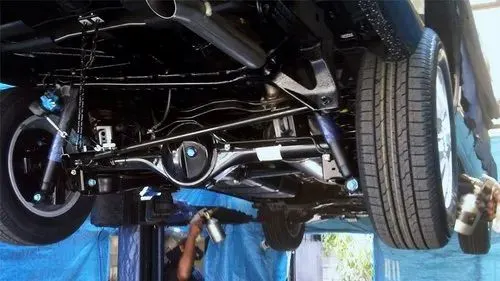
This coating closes up splits and fractures on the underbody of the vehicle. It offers up good protection against corrosion and also bonds with the metal. Unlike in the case of asphalt-based coating, you can paint over the polyurethane coating.
Polyurethane coatings offer excellent abrasion resistance and durability. They create a tough, impact-resistant layer that can withstand harsh conditions. However, their application process can be more involved and may require professional assistance.
Pros:
- Corrosion Prevention: Under-body coating acts as a barrier against water and salt, reducing the risk of rust and corrosion, especially in regions with harsh winters and coastal areas.
- Impact Resistance: The coating protects the vehicle's undercarriage from rocks, debris, and other road hazards, preventing damage to critical components.
- Extended Lifespan: Regular use of under-body coating can significantly extend the life of a vehicle by preserving its structural integrity and preventing wear and tear.
- Noise Reduction: Certain types of coatings, like rubberized ones, can help dampen road noise, leading to a quieter driving experience.
- Cost-Effective: Investing in under-body coating is often more economical in the long run compared to repairing or replacing corroded parts.
Cons:
- Initial Cost and Application: Applying under-body coating can be expensive, especially for professional-grade applications. The DIY approach might be cheaper but may not offer the same level of protection.
- Maintenance and Reapplication: Depending on the type and conditions, the coating may require periodic reapplication or touch-ups, adding to maintenance costs.
- Weight Addition: While the additional weight from the coating may not be substantial, it can slightly affect fuel efficiency over time.
- Limited Repair Options: If damage occurs to the coating or underlying components, repairs might be more challenging and require the expertise of professionals.