Underbody Coating
Underbody Coating:
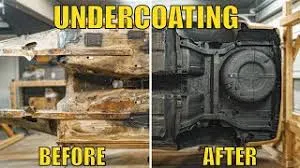
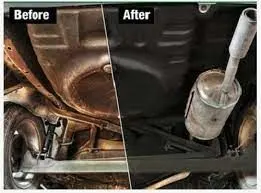
Underbody coating is a protective layer applied to the underside of a vehicle to prevent corrosion and damage from road debris and environmental elements such as salt, rocks, and water.
An underbody coating typically consists of a rubberized or polymer material that is applied to the surface using a spray gun or brush. The coating is then allowed to dry and cure, forming a durable and flexible barrier against the elements.
Types:
There are several types of underbody coatings available, including:
- Rubberized undercoating: This is a popular type of underbody coating made from a blend of rubber and solvent. It's easy to apply, dries quickly, and provides good protection against rust and corrosion.
- Wax-based undercoating: This type of underbody coating is made from a combination of waxes, solvents, and other ingredients. It's less viscous than rubberized undercoating and provides a less permanent solution for protection against rust and corrosion.
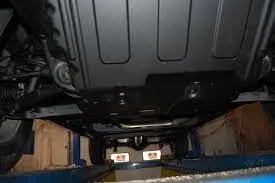
- Plastic-based undercoating: This type of underbody coating is made from a mixture of polymers and solvents. It's more flexible than rubberized undercoating, but can be more difficult to apply.
- Ceramic undercoating: This type of underbody coating uses ceramic particles suspended in a liquid solution. It provides excellent protection against rust and corrosion; but can be more expensive than other types of underbody coatings.
- Epoxy-based undercoating: This type of underbody coating is made from a mixture of epoxy resin and a hardener. It provides excellent protection against rust and corrosion and is often used in harsh environments, such as in commercial vehicles.
Advantages:
- Protection against rust and corrosion: The underbody of a vehicle is often exposed to moisture and road debris that can cause rust and corrosion over time. An underbody coating provides a barrier against these elements, helping to extend the life of a vehicle's underbody components.
- Improved durability: The flexible and durable nature of underbody coatings helps to absorb impacts from rocks and other road debris, reducing the risk of damage to the vehicle's underbody components.
- Improved fuel efficiency: A smoother underbody can reduce drag and improve the aerodynamics of a vehicle, leading to improved fuel efficiency and performance.
- Enhanced appearance: An underbody coating can provide a clean, finished look to a vehicle's underbody, enhancing its overall appearance.
Disadvantages:
While underbody coating can provide many benefits for protecting a vehicle, there are also some disadvantages to consider:
- Cost: Applying an underbody coating can be expensive, especially if it's done professionally. The cost of the coating itself, as well as the labour involved in applying it, can add up quickly.
- Difficulty of application: Applying an underbody coating can be a complicated process that requires specialized equipment and expertise. It's not a DIY job that most people can do on their own.
- Limited lifespan: Depending on the quality of the coating and the conditions it is exposed to; the protective layer can deteriorate over time. This means that the coating will eventually need to be reapplied or replaced, which can be costly.
- Difficulty of inspection: Because the underbody coating is located underneath the vehicle, it can be difficult to inspect and detect problems or damage. This makes it important to have regular check-ups and maintenance to ensure that the coating is in good condition.