Underbody Coating
what is under body coating in Automotive vechicel's?
Underbody coating refers to a protective layer applied to the underside of a vehicle to protect it from rust, corrosion, and damage caused by road debris, moisture, and harsh weather conditions. It is typically a thick, durable coating that acts as a barrier between the metal chassis or frame of the vehicle and the elements it encounters on the road.
The underbody of a vehicle is highly exposed to water, salt, dirt, rocks, and other debris that can lead to rust and corrosion over time. Applying an underbody coating helps prevent these elements from directly contacting the metal surfaces, reducing the risk of damage.
Underbody coatings are often made from rubberized or petroleum-based materials that offer excellent adhesion and protection against moisture and chemicals. They are usually sprayed onto the undercarriage of the vehicle, covering the frame, floor pans, suspension components, and other exposed metal parts.
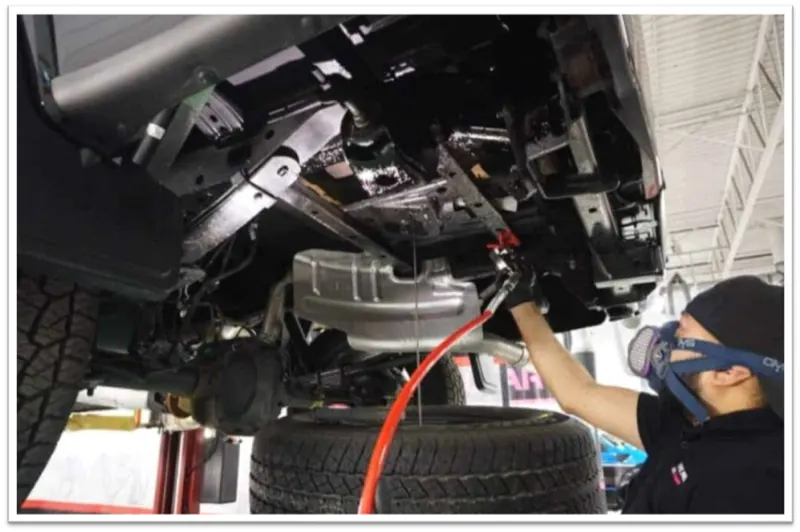
Benefits of underbody coating include:
-
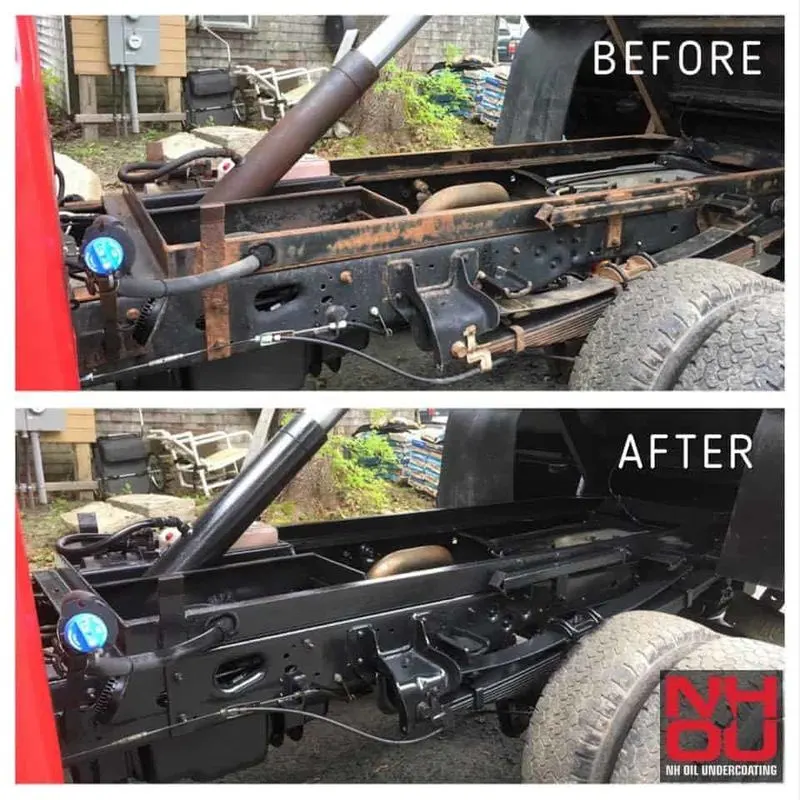
Rust and corrosion protection: The coating forms a barrier that shields the metal surfaces from moisture and corrosive substances, preventing rust formation.
-
Sound insulation: Underbody coatings can reduce road noise and vibrations, providing a quieter and more comfortable ride.
-
Impact resistance: The thick coating can help absorb the impact of rocks, gravel, and other debris that may get kicked up from the road, reducing the risk of damage to the undercarriage.
-
Extended lifespan: By protecting against rust and corrosion, underbody coatings can help prolong the life of the vehicle, especially in areas with harsh climates or road conditions.
-
Enhanced resale value: Vehicles with well-maintained underbody coatings may retain their value better, as potential buyers recognize the added protection and durability.
It's worth noting that underbody coatings require periodic inspection and maintenance to ensure their effectiveness.
Type's of Under Body Coating:
Here are the most common types of underbody coatings, along with their pros and cons:
-
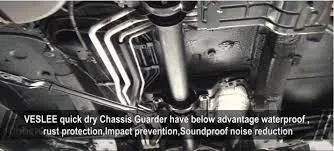
Rubberized Undercoating:
- Composition: Rubber or rubber-like material mixed with solvents, polymers, and fillers.
- Application: Typically sprayed onto the undercarriage using a specialized undercoating gun or aerosol can.
- Pros:
- Excellent adhesion and durability.
- Provides sound insulation, reducing road noise.
- Resistant to moisture, salt, and chemicals.
- Cons:
- Difficult to remove if repairs or modifications are needed.
- May require professional application for optimal results.
-
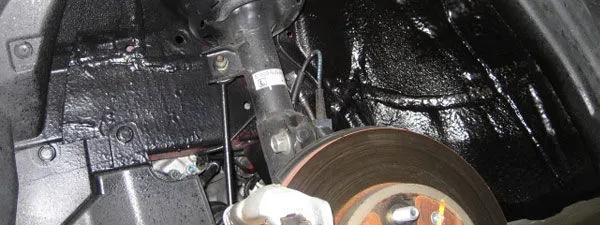
Asphalt-based Undercoating:
- Composition: Asphalt or bitumen mixed with solvents and fillers.
- Application: Applied using a sprayer or brush.
- Pros:
- Provides a thick, durable layer of protection.
- Good resistance to impact and abrasion.
- Helps dampen vibrations and road noise.
- Cons:
- Susceptible to cracking and peeling over time.
- Difficult to remove if repairs or modifications are needed.
-
Wax-based Undercoating:
- Composition: Wax or wax-like materials.
- Application: Applied using a spray gun or aerosol can.
- Pros:
- Forms a flexible, self-healing barrier.
- Easy to apply and remove if necessary.
- Provides good resistance against moisture and corrosion.
- Cons:
- May need more frequent reapplication compared to other types.
- Less effective in extreme weather conditions.
-
Polyurethane Undercoating:
- Composition: Polyurethane or polyurethane-based material.
- Application: Sprayed or brushed onto the undercarriage.
- Pros:
- Provides excellent protection against rust and corrosion.
- Offers high impact resistance.
- Can be customized to different levels of thickness.
- Cons:
- Professional application is usually required for optimal results.
- More expensive compared to other types of undercoatings.
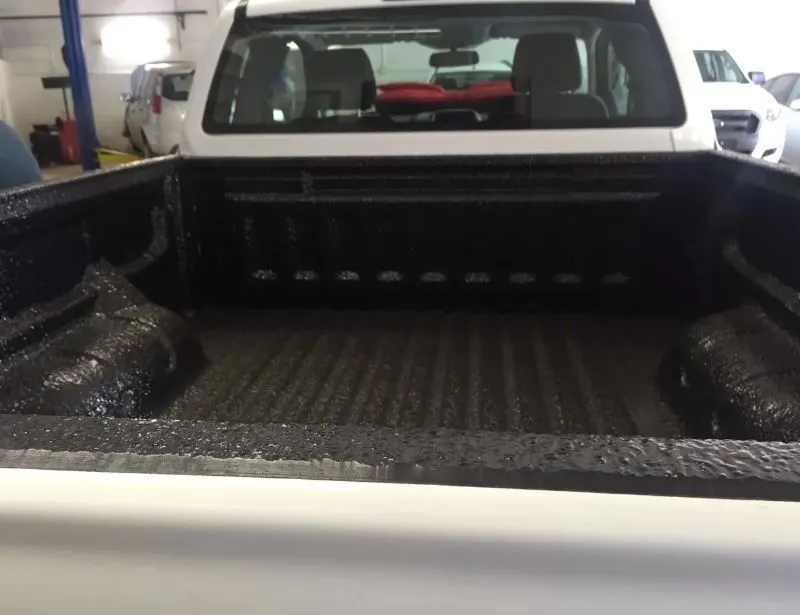
Pros of Underbody Coatings:
- Rust and corrosion protection: Underbody coatings create a barrier that shields metal surfaces from moisture, preventing rust formation and extending the vehicle's lifespan.
- Sound insulation: Many underbody coatings dampen road noise, providing a quieter and more comfortable ride.
- Impact resistance: The thick layer of coating can absorb impacts from rocks, debris, and other road hazards, reducing the risk of damage to the undercarriage.
- Easy application: Underbody coatings can be applied using spray guns, aerosol cans, or brushes, making the process relatively straightforward.
- Enhanced resale value: A well-maintained underbody coating can contribute to better vehicle resale value, as it demonstrates a commitment to protection and maintenance.
Cons of Underbody Coatings:
- Difficult removal: Some underbody coatings can be challenging to remove if repairs or modifications are required, potentially leading to additional costs.
- Application limitations: Achieving optimal results may require professional application, as improper application can result in uneven coverage or reduced effectiveness.
- Potential damage concealment: If not regularly inspected and maintained, underbody coatings may hide underlying damage or corrosion, making it harder to detect issues during routine inspections.
- Cost: Depending on the type of underbody coating and application method, the cost of materials and professional application may be higher compared to other preventive measures.