Underbody Coating
Underbody Coating
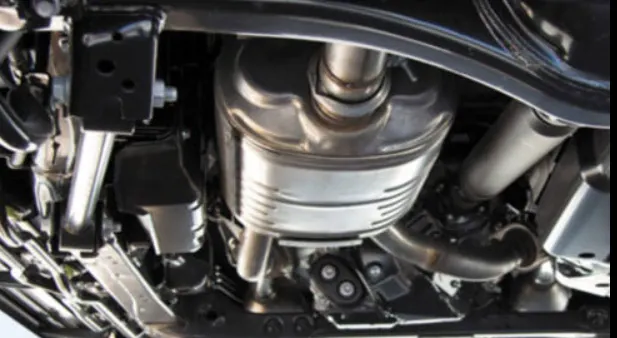
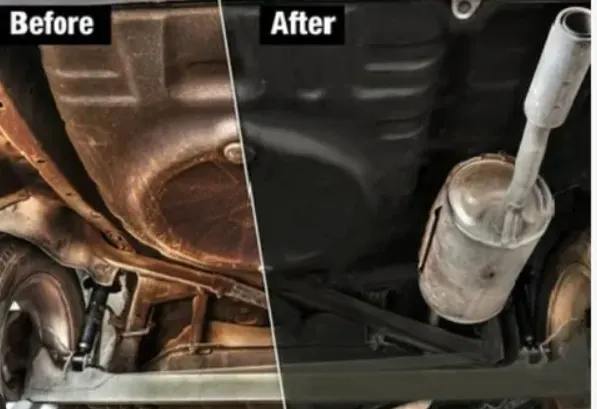
Underbody Coating may be a sprayable coating, which ensures the beneath surface of the vehicle from corrosion. Underbody coating gives long term assurance from erosion to car's underbody. It too secures parts like inside body boards, outline rails and other internal cavities that are not physically available but are inclined to corrosion. Protecting the underbelly of the car ought to be our best need. Particularly amid rainstorm when overwhelming precipitation causes the streets to gotten to be mini-rivers and our cars are cleared out stranded there. This makes them inclined to overwhelming erosion within the underbody locale.
Procedure:
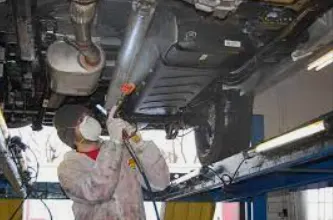
- Underbody coating is as a rule a thick cladding (frequently based on elastic) connected consistently to the undercarriage of the vehicle.
- It is ordinarily splashed or painted on when the car is fair out of the dealership and is clean. But indeed on the off chance that you're getting the undercoating applied after some of a long time, it’s fine as well.
- Typically since it can anticipate advance harm to the undercarriage.
- The main reason of undercoating is to check rust particularly within the body components like outline rails beside other uncovered metal parts.
- Underbody coating can moreover decrease wear and tear.
Types of undercoating:
Rubberized Underbody Coating
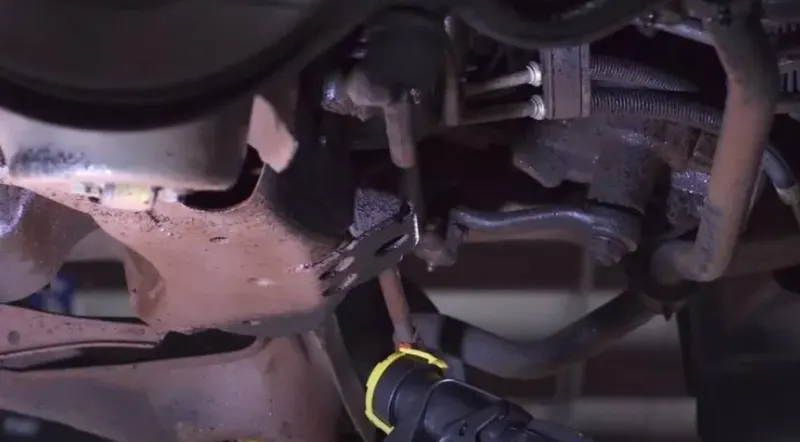
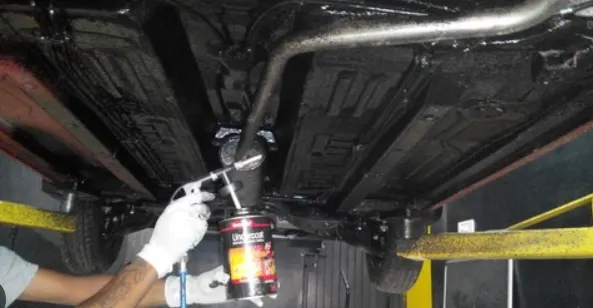
This is generally thought of as the best underbody coating for your car. It preserves the underbody well, protecting it from scratches. Applying this to the undercarriage is not much of a hassle either.asy to use black rubberised coating provides corrosion protection for undercarriages, wheel wells and quarter panels. The undercoating dries to a soft, rubbery finish that helps reduce road noise and protects against moisture, rust and road debris.
Wax Based Underbody Coating
This – more or less – ephemeral undercoating will wear away in a few months’ time. On the upside, wax-based undercoating puts up a big fight against moisture. It is also the most affordable option out there.
A paraffin-based undercoating will be the cheapest and quickest option available with which to protect the undercarriage of your vehicle. However, keep in mind that it will wear off quicker than other types of undercoating and will need to be stripped and reapplied at least once every year.
Wax-based undercoatings never truly harden. During application, they drip or flow into seams and cracks to provide protective properties. They are usually available in a spray gun canister or in an aerosol can and offer at least a base protection in moderately humid climates.
Asphalt Based Automotive Undercoating
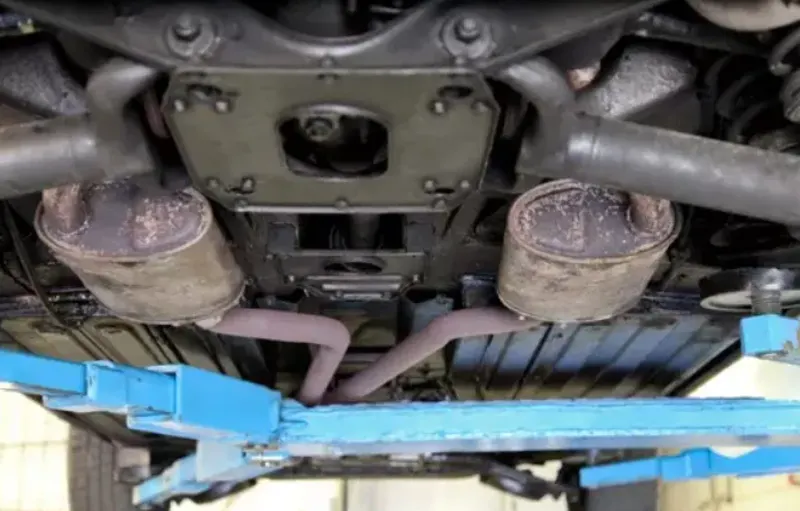
Best suited for lorries, trucks and large vehicles this provides a greater degree of protection compared to rubber-based coatings. However, asphalt-based coatings contain little amounts of rubber for sound-insulation purposes. The process of applying this coating is a bit time-consuming though.
For standard vehicles, any of the aforementioned types of undercoating will provide sufficient protection. For large trucks and heavy machinery, asphalt-based undercoating provides a bit of extra durability against rocks, chips, and moisture.
Asphalt-based undercoating generally contains a little bit of rubberized material that sets up firmly and also helps soften noise. Generally sold in five gallon containers, this type of undercoating also needs more cure time than the other three, and is NOT paintable, making it best to use only for undercarriages.
Polyurethane Underbody Coating
This coating closes up splits and fractures on the underbody of the vehicle. It offers up good protection against corrosion and also bonds with the metal. Unlike in the case of asphalt-based coating, you can paint over the polyurethane coating.
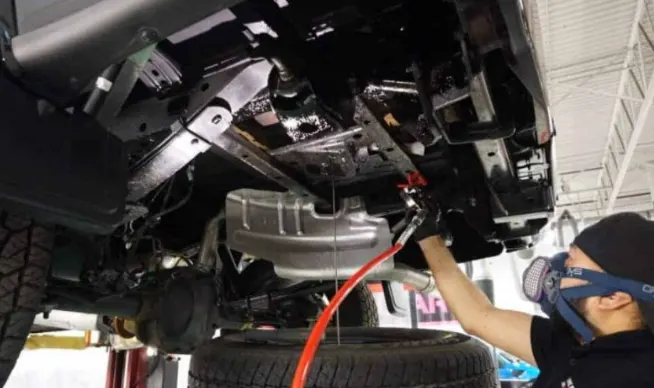
The other option for undercoating your vehicle is to use Polyurethane based sealant This type of vehicle undercoating is a little bit quicker and easier to apply.
Oftentimes, polyurethane undercoating will come in canisters ready to preload into an application gun. This type of sealant works by seeping into all cracks and seams, displacing salt and moisture and oozing around rusty areas to bond with and protect unoxidized metal. It also sands quickly in case you'll need to perform bodywork and can be painted over.
On the flipside, this type of car undercoating generally requires a little bit more surface prep work before applying -- sanding and applying an etching primer to bare metals before using are generally recommended.
Advantages of Undercoating
-
Fights Rust
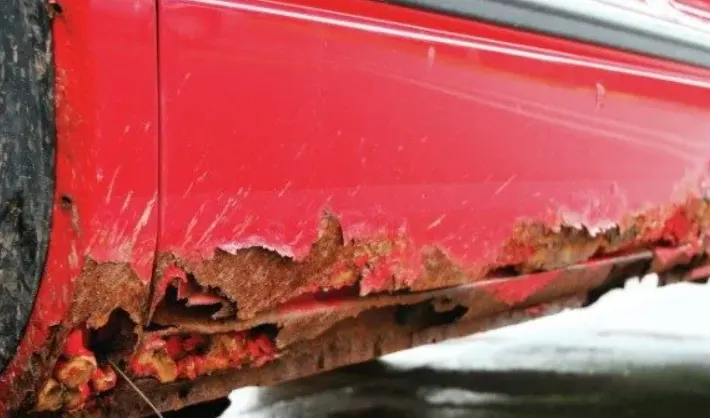
It plays an important role in keeping corrosion at bay. Underbody coating can come in handy especially if you live near the sea, where there is too much humidity, and rusting is just one of those everyday things. You should also seriously consider undercoating if you reside in a place where it snows in winter.
-
Prolong Car’s Life
-
Reinforcement
-
Absorbs Noise
Vehicle Undercoating Pros
- Reduce Noise Inside Your Car
- Many Options
- You Can Do It Yourself
- Cover Small Damages
- Extend The Life Of Your Vehicle
- Protection Against Corrosion And Rust
Vehicle Undercoating Cons
- It Can Be Damaged
- It Makes Your Vehicle Heavier
- It’s Useless On New Cars
- Your Vehicle’s Warranty Might Be Voided
- Doesn’t Work So Well On Old Cars
- It’s Not Effective On Cars With Corrosion