Underbody Coating
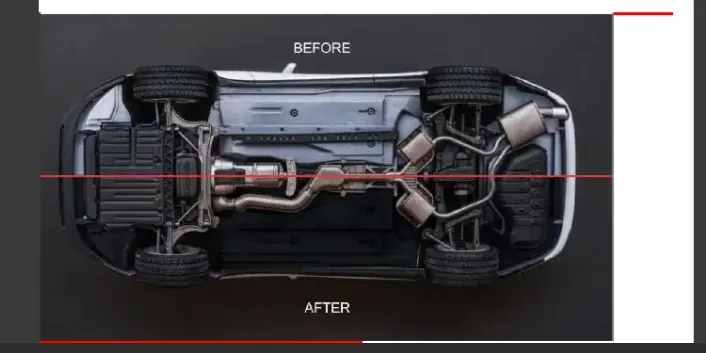
Reduces NVH (Noise Vibrations Harshness) Levels:
Very strong undercoating, realize it or not, can attenuate noises that enter the cabin. The undercoating, which is frequently made of rubber, absorbs part of the rackets. The car’s occupants could avoid the road sounds — at least to some extent. So if you want a quite ride and pleasant experience it is always a good idea to consider getting an underbody coating
Prevents Paint Chipping:
Running on the highway or while pacing through a city road, you will often encounter sharp gravel or any other unattended object hitting the belly of your car with high momentum. This scrapes and chips off the metal from down below. A thick layer of Underbody Coating definitely comes to aid and minimises the effects of such contacts on the body.
pros:
Undercoating offers a layer of protection against corrosion and rust. Any debris will be repelled by the undercoating.You can expect years of protection from undercoating although it wears out in the end. This is the reason why the process is popular.Corrosion isn’t just about causing an issue with the metal under your car but it can also get into cables and wires – in fact anything made of aluminum or steel can be affected including the engine and transmission.You can undercoat damaged parts of the car such as scratches, chips and nicks caused by debris flying up as you drive.It is perhaps best to get the professionals to do it if you have the budget.Undercoating your vehicle can reduce noise inside the car while you’re driving..
cons:
Applying undercoat over rust means that although you’re stopping more moisture and airflow to the rusted area, the rusting process will still keep happening.An undercoat will slow down the corrosion rather than reverse or stop it. You should attempt to remove the rust before applying an undercoat.This isn’t always easy though, since rust can penetrate deeply into the metal, so encapsulating the rust and then applying an undercoat could be a waste of money.Undercoating doesn’t work so well on old cars because the residue from under the car has to be removed before the undercoating is applied.Your vehicle’s warranty might be voided if you opt for a third-party undercoating treatment.Although you can expect a hard layer of protection against debris, driving on dirty or gravel roads often means the protective layer’s integrity will be reduced over time.