Underbody Coating
1. What is Under-Body coating
Underbody coating is a protective layer applied to the underside of a vehicle's chassis and other exposed metal components. It is designed to provide a barrier against corrosion, abrasion, and road debris. The coating is typically a thick, durable substance that adheres to the metal surface, forming a protective shield.
2. What is the purpose of Under-Body coating
-
Sound and Vibration Dampening: Underbody coating can help reduce noise and vibrations from the road. The thick layer absorbs and dampens sound waves, making the vehicle quieter and more comfortable.
-
Impact and Abrasion Resistance: The undercarriage of a vehicle is exposed to various hazards, such as rocks, debris, and rough road surfaces. The coating provides a protective shield against impacts and abrasions, helping to prevent damage to the metal components.
- Enhanced Durability: By adding an extra layer of protection, underbody coating helps extend the lifespan of the vehicle's undercarriage. It can withstand wear and tear better than bare metal, increasing the overall durability of the chassis
3. What are pros and cons of Under-Body coating
Pros of Underbody Coating:
-
Corrosion Protection: Underbody coating provides a protective layer that helps prevent corrosion and rusting of the vehicle's undercarriage, extending its lifespan.
-
Impact and Abrasion Resistance: The coating acts as a barrier against road debris, rocks, and other potential hazards, reducing the risk of damage to the undercarriage.
-
Sound Dampening: Underbody coating can help reduce road noise and vibrations, making the vehicle quieter and more comfortable for passengers.
Cons of Underbody Coating:
-
Difficult Inspection and Maintenance: Once the underbody coating is applied, it can make it more challenging to inspect the condition of the underlying components for damage or corrosion. Maintenance and repairs may require removing or reapplying the coating.
-
Potential Trapping of Moisture: If moisture or water gets trapped between the coating and the metal surface, it can accelerate corrosion rather than protect against it. Proper surface preparation and application techniques are crucial to avoid this issue.
-
Additional Weight and Cost: Underbody coating adds weight to the vehicle, albeit minimal, which may slightly impact fuel efficiency. It also adds to the cost, especially if done as an aftermarket treatment.
SOME PICTURES OF UNDER BODY COATING
TOYOTA ETIOS
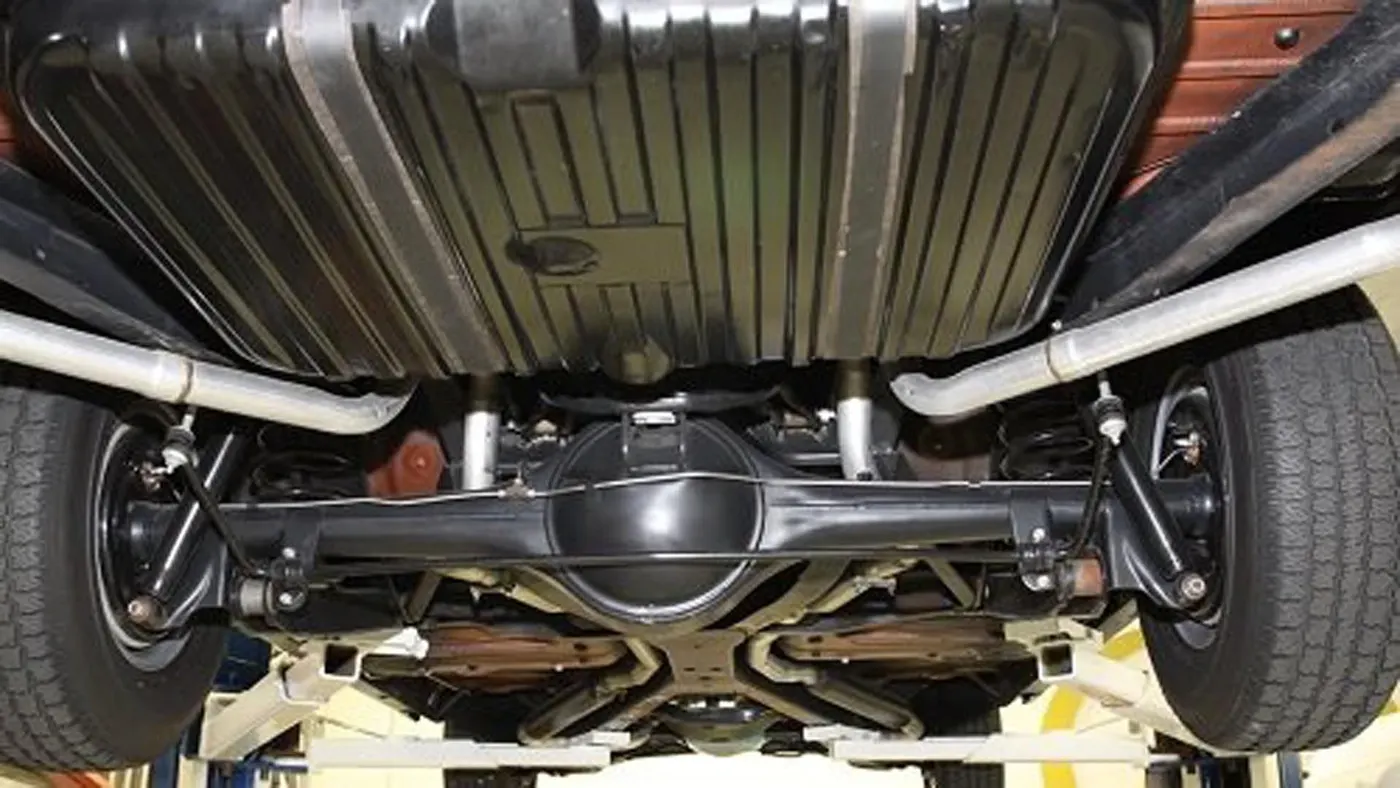
FORD FIGO