Underbody Coating
Underbody coating :
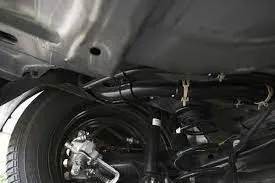
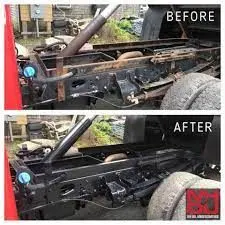
Underbody coating is usually a dense cladding (often based on rubber) applied uniformly to the undercarriage of the automobile. It is normally sprayed or painted on when the car is just out of the dealership and is clean.The main purpose of undercoating is to check rust especially in the body components like frame rails along with other exposed metal parts. Underbody coating can also reduce wear and tear.
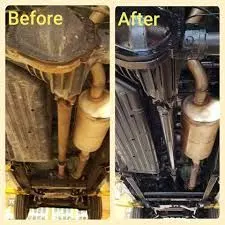
Main Types of Underbody Coating :-
- Rubberized Underbody Coating
- Wax Based Underbody Coating
- Water-Based Undercoats.
- Petroleum-Based Undercoats.
- Asphalt-Based Undercoats.
1. Water-Based Undercoats.
Water based primer paint is used before painting a topcoat. By using a water-based undercoat first, paints will grip the surface better and last a lot longer. This improved binding provides a smoother, cleaner final finish.
2. Petroleum-Based Undercoats.
Petroleum-based undercoating is made from oil and they have greater deflective abilities for road salts and grime. The petroleum base helps repel ice and water better than water-based undercoating. Petroleum-based undercoating can be purchased in your professional vehicle servicing shops.
3. Asphalt-Based Undercoats.
Asphalt Undercoating is manufactured from 100% asphalt which works great to repel water & moisture as trapped moisture is the leading cause of corrosion. Best applied to inner panels, door frames, trunk areas, floor pans or where ever there is high moisture concentration.
Vehicle Underbody coating Pros :-
1. Protection against corresion and rust
2. Extend the life of your vehicle
3. Cover small damages
4. Reduce noise inside your car
Vehicle Underbody coating :-
1. Its not effective on cars with corrosion
2. Doesn't work so well on old cars
3. Its useless on new cars
4. Your vehicle's warranty might be voided
5. It makes your vehicle heavier
6. It can be damaged