Underbody Coating
UNDER BODY COATING:
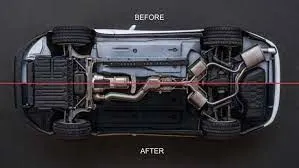
Underbody coating is a rubberized paint that forms a 2-3 mm thick coating all along the underside of the body. You also get a thinner clear coat underbody coating which is like a lacquer that coats the entire underside of the car. Some even inject rust-preventive coating Material into crevices such as the bottom of doors and door sills, to protect them from rust.
UNDERBODY COATING PURPOSE:
Underbody coating provides long term protection from corrosion to car's underbody. It also protects parts like internal body panels, frame rails and other inner cavities that are not physically accessible but are prone to corrosion.
Undercoating is the sprayed application of a wax or rubber-based composite onto the entire underside of the vehicle. It's designed to create a rust-proof layer between the underside of the vehicle and the water, ice, and salt of the road. Undercoating provides a more comprehensive protective layer for your vehicle.
TYPES OF UNDER BODY COATING:
- Rubberized Underbody Coating.
- Wax Based Underbody Coating.
- Asphalt Based Automotive Undercoating.
- Polyurethane Underbody Coating.
RUBBERIZED UNDERBODY COATING:
Rubberized undercoating creates a protective barrier that seals out grit, grime and moisture that could otherwise corrode the metal components. This extra protection is a low-cost measure that can pay off by potentially extending the service life of a vehicle.
WAX BASED UNDER BODY COATING:
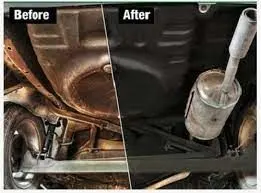
presto Underbody Protection on wax basis is an effective and highly adhesive rust protection for treated and untreated undersides. A resistant protective coat forms once it has dried, which is resistant to weather, road salt and acids.
ASPHALT BASED UNDERBODY COATING:
Asphalt-based undercoating is the thickest coating and has the most damage-resistant properties. It can be bought from professional services shops and is the only type of undercoating with a limited warranty.
POLYURETHENE UNSER BODY COATING:
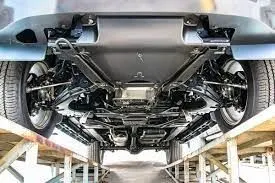
This coating closes up splits and fractures on the underbody of the vehicle. It offers up good protection against corrosion and also bonds with the metal. Unlike in the case of asphalt-based coating, you can paint over the polyurethane coating.
ADVANTAGES OF UNDERBODY COATING:
- Rust Prevention
Ideally, any additional underbody coating should be applied when the car is brand new and clean. Car manufacturers use thick paints and sealants for the underbody, but adding an underbody coat especially in coastal cities is useful. Salt water tends to corrode cars really badly.
On bad roads, flying stones and pebbles can chip off the original underbody coating and leave the metal exposed. Using an aftermarket underbody coating offers extra protection.
- Sound insulation
The thicker underbody coatings used on cars also act as effective sound dampeners. They can reduce road noise and tyre noise and make the cabin seem quieter – due to the sound absorptive nature of rubberized paints.
DISADVANTAGES OF UNDERBODY COATING:
Care must be taken while applying underbody coating. This thick rubberized paint if not applied properly, can get into moving mechanical parts and cause premature failure – such as into the U-joint or CV joints in a cars propeller shaft or drive shafts. They can also hinder smooth movement of suspension components, if applied incorrectly. And there’s also the risk of overspray on to the car’s paint finish on the lower edges of the car.
It provides excellent moisture and debris protection. But it can substantially increase the weight of the vehicle and can also damage the parts of the vehicle if not done properly.