Underbody Coating
UNDERBODY COATING
INTRODUCTION:
A Car Body is made up of several Metals such as Iron, Steel, Aluminum, Copper etc.
Rusting is the common term for corrosion of iron and its alloys. Corrosion is the reaction of Iron and Oxygen, as may present in Water or Air Moisture. Any Iron material when exposed to both oxygen and water is bound to rust, unless a preventive coating is applied on to it. A car’s underbody is exposed to the most wear and tear caused by muddy water, stones and other obstacles on the road. Because it’s not in plain sight, we often do not see the damage. Underbody Coating or Treatment offers a long term solution for issues related to corrosion and rust.
PROCESS:
The underbody coating is a hard coating on the underbody of the car, which is fast-drying, paintable, rubberized, non-toxic and chip-resistant all along the underside of the car. we can also get a thinner clear coat underbody coating which is like a lacquer that coats the entire underside of the car. Some even inject rust-preventive coating material into crevices such as the bottom of doors and door sills, to protect them from rust.
TYPES:
1.Rubberized Undercoating:
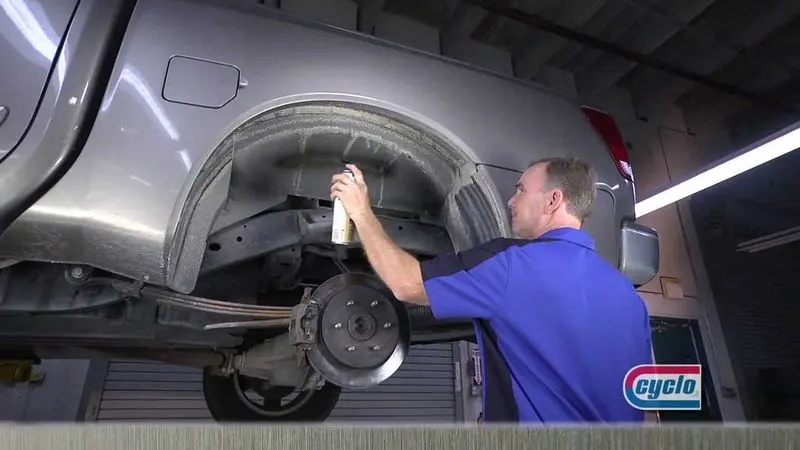
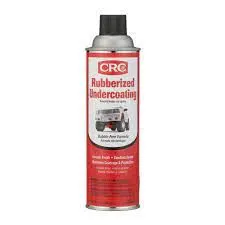
Rubberized vehicle undercoating is easy to apply and offers good cushioning as well as protection from dust, moisture, and dents. Which is generally the best option for protecting the vehicle’s underbody, as it provides the simplest and best protective measures against rust and moisture.
2. Polyurethane Undercoating
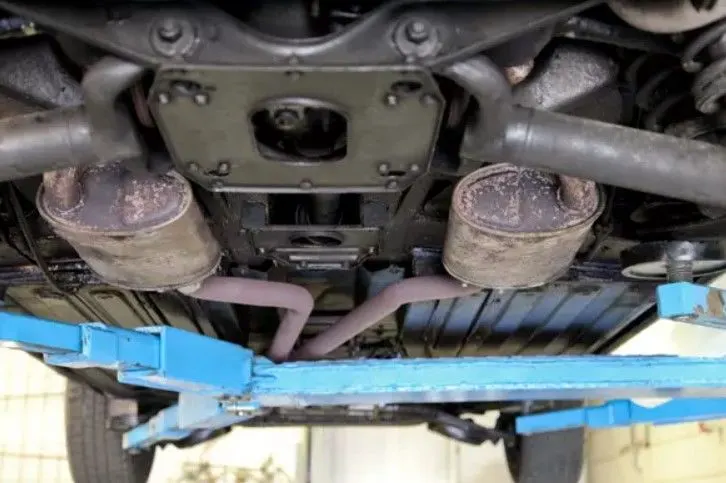
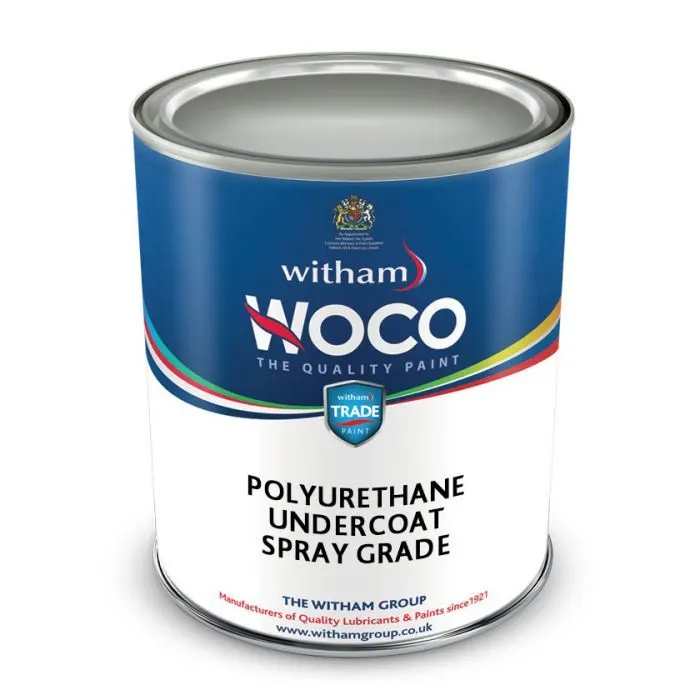
The other option for undercoating the vehicle is to use a polyurethane based sealant. This type of vehicle undercoating is a little bit quicker and easier to apply.This type of car undercoating generally requires a little bit more surface prep work before applying sanding and applying an etching primer to bare metals before using are generally recommended.
3.Wax or Paraffin-Based Undercoatings
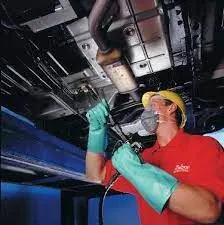
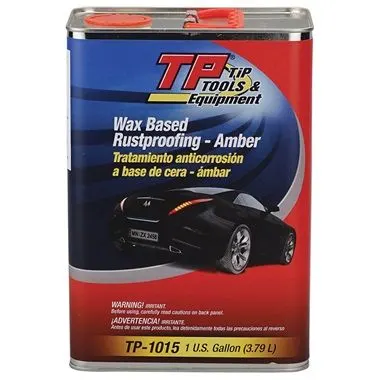
A paraffin-based undercoating will be the cheapest and quickest option available with which to protect the undercarriage of the vehicle. However, keep in mind that it will wear off quicker than other types of undercoating and will need to be stripped and reapplied at least once every year.
4. Asphalt-Based Undercoating
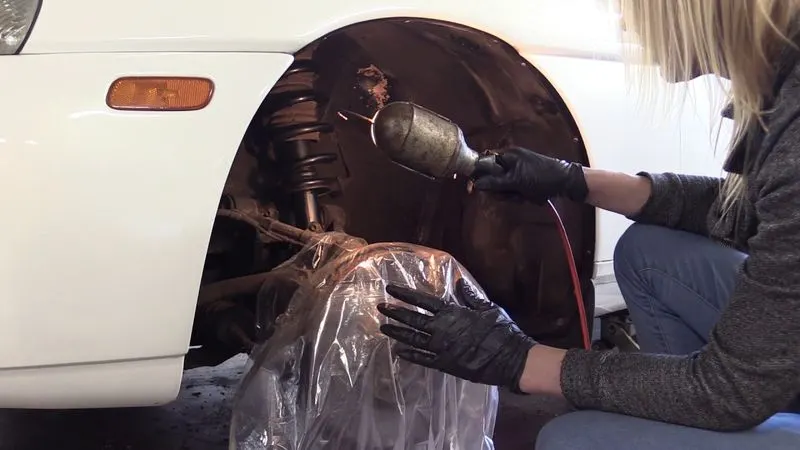
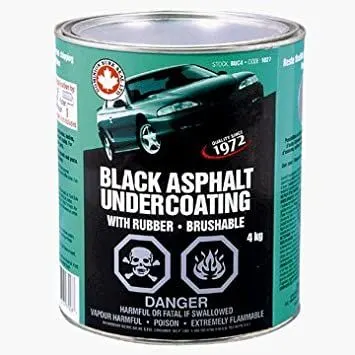
For standard vehicles, any of the above mentioned types of undercoating will provide sufficient protection. For large trucks and heavy machinery, asphalt-based undercoating provides a bit of extra durability against rocks, chips, and moisture. This type of undercoating also needs more cure time than the other three, and is not paintable, making it best to use only for underbodies.
ADVANTAGES:
- It should be prevention for rust
- It can reduce road noise and tire noise
- It easy to identify the damaged portion
- It easy to maintenance
DISADVANTAGES:
- It is high in cost
- Risk of damage during application