Underbody Coating
Under-body Coating
Undercoating is a type of defensive layer that is applied to the undercarriage of vehicles. These sections are close to significant deterioration all the time. It is not uncommon for drivers to neglect to pick up on destruction until a lot of time has gone by and it is too late. Driving is a process that forces tiny specks from the ground to travel into the lower parts of the vehicle. These specks gradually damage the undercarriage, leaving cracks and pores where rust forms. They can often be the cause of mechanical breakdowns. To improve the longevity of your vehicle, then undercoating may be one of the ideal strategies.
Different types of under-body coating:
- Rubberized under-body coating
Rubberized underbody coating is a type of protective coating that is applied to the undercarriage of a vehicle to protect it from rust, corrosion, and damage from road debris. The coating is made from a rubber-based material that is specially designed to withstand the harsh conditions of the undercarriage environment.
The rubber material used in rubberized underbody coatings is typically a blend of natural and synthetic rubber that is mixed with other additives to create a durable, long-lasting coating. The coating is applied using a spray gun, and it dries to form a tough, flexible barrier that adheres to the metal surfaces of the undercarriage.
One of the key benefits of rubberized underbody coatings is their ability to absorb impact from road debris such as rocks and gravel. The rubber material can flex and absorb impact, preventing damage to the metal surfaces of the undercarriage. Additionally, the coating is also able to resist water and prevent rust and corrosion, which is particularly important for vehicles that are frequently exposed to salt or other corrosive materials.
|
Pros |
Cons |
|
Relatively easy to apply |
Since this type of coating is little bit heavy, it may add weight to the vehicle, which can impact fuel economy. |
|
Generally, more durable than other types of coating such as wax-based coating. |
If the coating becomes damaged, it can trap moisture against the metal surfaces of the undercarriage |
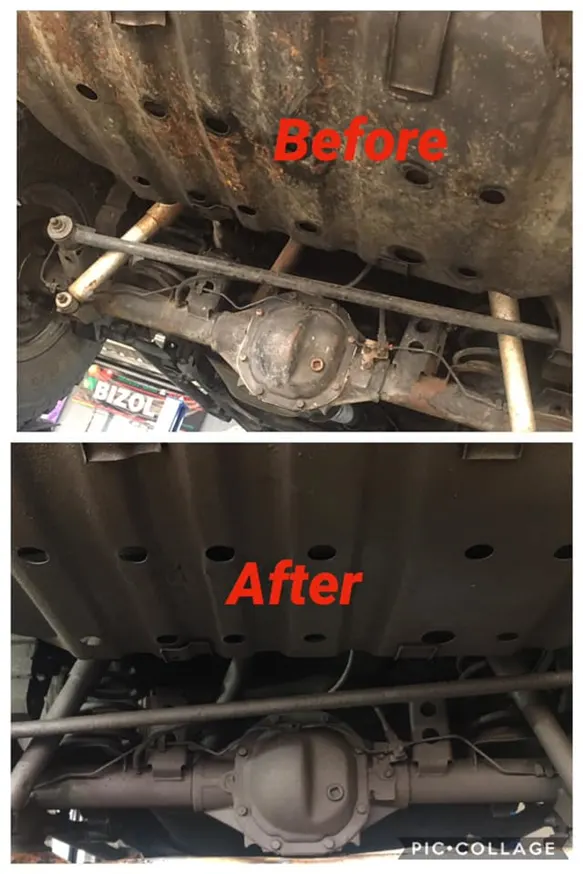
Figure 1. Rubberized under-body coating
2. Wax based under-body coating
Wax-based underbody coatings are a type of protective coating that is applied to the undercarriage of a vehicle to protect it from rust and corrosion. As the name suggests, these coatings are based on a wax material, which is mixed with other additives to create a durable, long-lasting coating.
The wax material used in wax-based underbody coatings is typically a blend of natural and synthetic waxes that are designed to resist water, salt, and other corrosive materials. The coating is applied using a spray gun, and it dries to form a tough, protective barrier that adheres to the metal surfaces of the undercarriage.
One of the key benefits of wax-based underbody coatings is their ability to repel water and prevent rust and corrosion. This is particularly important for vehicles that are frequently exposed to salt, such as those driven in snowy climates. The wax coating forms a barrier that prevents salt and other corrosive materials from coming into contact with the metal surfaces of the undercarriage, helping to extend the life of the vehicle.
|
Pros |
Cons |
|
More affordable than other types of coatings. |
They may not provide as much protection against impact, damage, or abrasion as other types of coatings. |
|
Relatively easy to apply. |
Need to be re applied more frequently than other types of coatings to maintain effectiveness. |
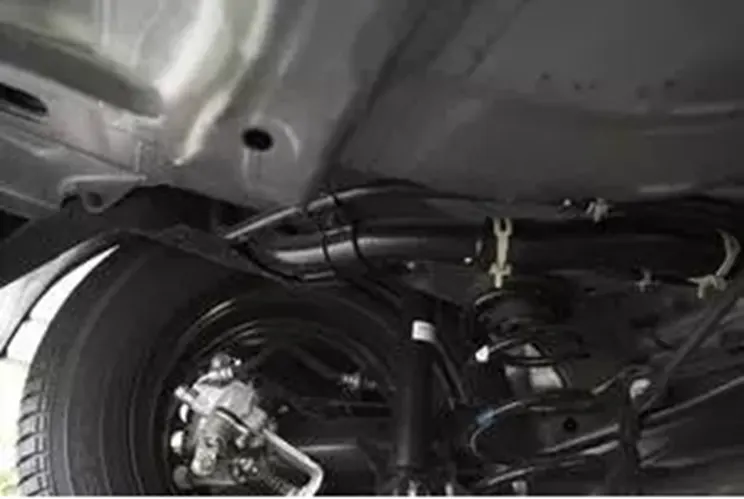
Figure 2. Wax based under-body coating
3.Polyurethane under-body coating
Polyurethane underbody coating is a type of protective coating that is applied to the undercarriage of a vehicle to protect it from rust, corrosion, and damage from road debris. The coating is made from a polyurethane-based material that is specially designed to provide a durable, long-lasting barrier. Polyurethane is a synthetic material that is known for its durability and flexibility. The polyurethane material used in underbody coatings is typically mixed with other additives to create a coating that can withstand the harsh conditions of the undercarriage environment.
The coating is applied using a variety of methods, including spray, brush, or roller, depending on the specific product and application. Once applied, the coating dries to form a tough, flexible barrier that adheres to the metal surfaces of the undercarriage.
One of the key benefits of polyurethane underbody coatings is their durability and resistance to abrasion and impact. The flexible nature of the material allows it to absorb impact and resist damage from road debris, preventing rust and corrosion from forming on the metal surfaces of the undercarriage.
|
Pros |
Cons. |
|
Generally lighter than rubberized coatings, which can help to improve fuel economy. |
Higher cost than other types of under-body coating. |
|
|
Complex application process than other types of coatings. |