Underbody Coating
UNDERBODY COATING
Underbody parts are mainly structure elements and panels placed in the lower part of the vehicle including the whole vehicles platform. Undercoating is usually a black, thick liquid that is sprayed on the underside or undercarriage of the car and is used to protect the metal from rust and corrosion. Underbody coating also known as UNDERSEAL is a thick resilient coating that is applied to the underbody of the vehicle chassis. It is usually a dense cladding based on rubber. Ingredients used in the manufacturing of undercoating include fiberglass, ceramics, rubber, asphalt & silicone. It is most commonly applied to vehicles that are used in wet or salty environments since it absorbs most of the moisture, grime, salt and other chemicals which your motor vehicle comes into contact with on the road.
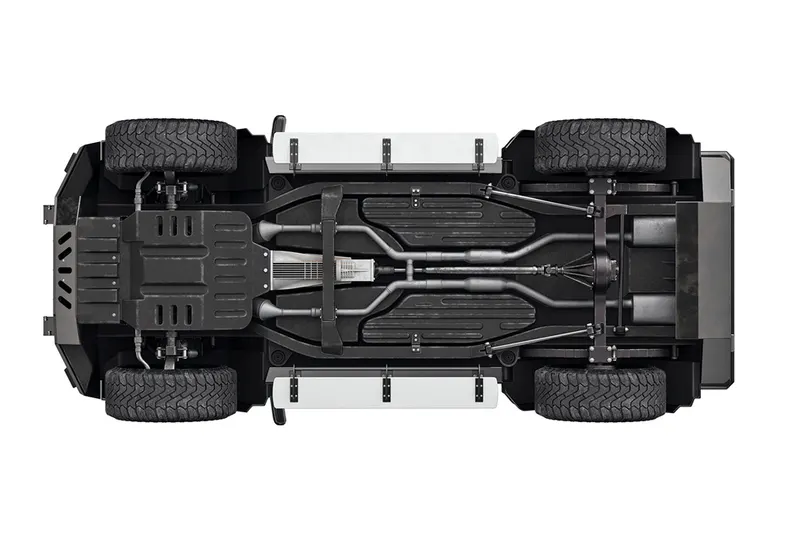
A bitumen-based compound was used, but after approximately a decade, this becomes brittle and water can become trapped between the underseal and body metal, counterproductively creating a more favorable environment for rust than if no underseal was applied at all. If vehicle has preexisting rust, then the best oil for undercoating is NH oil undercoating. It is engineered to penetrate through the preexisting rust into metal, displacing moisture while removing oxygen. Before applying the coating check rust especially in the body components like frame rails along with other exposed metal parts.
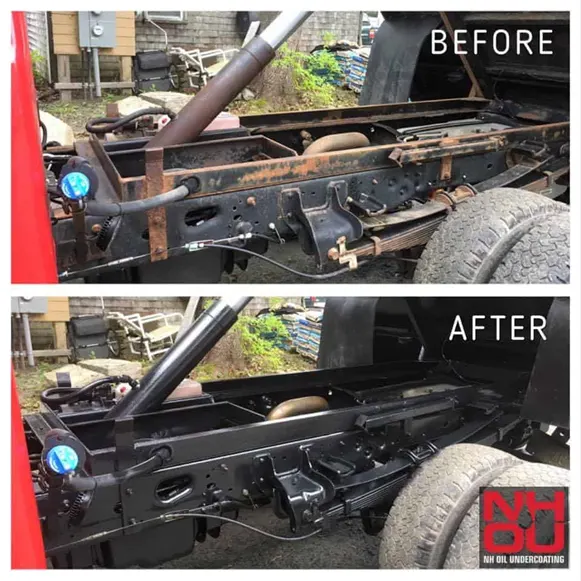
REASON FOR UNDERBODY COATING
The main reason for getting an underbody coating is to prevent rusting and corrosion. This is not only required during the monsoon season but also in hot and humid climatic conditions. The coating is also a must if you tend to live in coastal regions where the humidity in these areas speeds up the process of corrosion. Underbody coating can also reduce wear and tear.
Undercoating and rust protection often go hand-in-hand, but they are actually two different things. Rust protection generally goes inside your vehicle, while undercoating is used for protection outside of the vehicle, and there are a variety of coatings available.
Types of UNDERBODY Coating
There are six (6) types of coating
- Wax or paraffin-based undercoating
- Rubber based undercoating
- Polyurethane undercoating
- Asphalt based undercoating
- Water based undercoating
- Petroleum based undercoating
RUBBERIZED UNDERCOATING
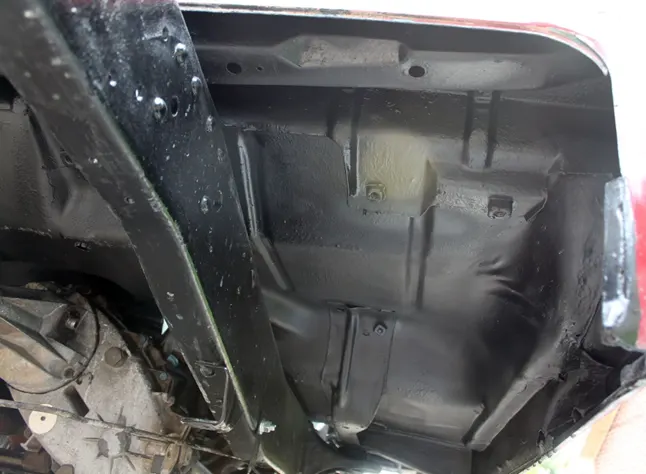
Rubberized vehicle undercoating is easy to apply and offers sound-cushioning as well as protection from dust, moisture, and dings or dents.In addition to undercarriage, rubberized undercoating is also safe to use on wheel wells and quarter panels, and dries to a soft rubbery finish that prevents further rust, damage, or moisture seeps. The coating can be painted over and, if necessary for bodywork, can be easily removed with an undercoating removal spray.Overall, rubberized coating is generally the best option for protecting your vehicle's undercarriage, as it provides the simplest and best protective measures against rust and moisture.
Advantages:
- Easy to apply.
- Quickly applied with no fuss.
- Undercoat can be painted for a neat finish.
- Provides satisfactory protection.
WAX OR PARAFFIN BASED UNDERCOATING
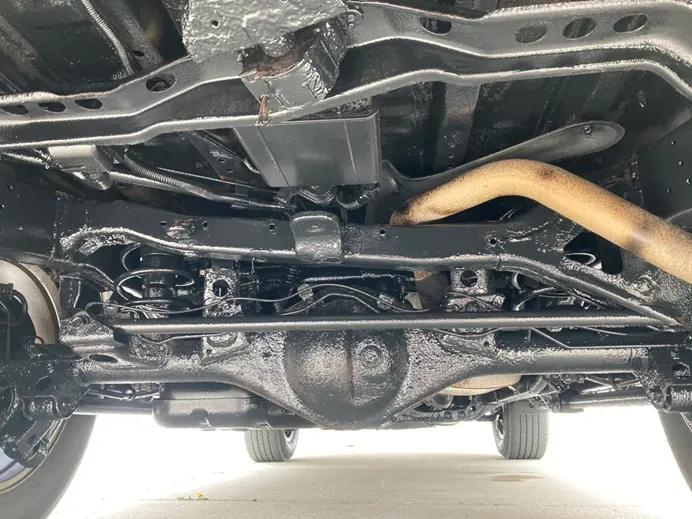
A paraffin-based undercoating will be cheapest and quickest option available with which to protect the undercarriage of vehicle. Wax-based undercoating never truly harden. During application, they drip or flow into seams and cracks to provide protective properties. They are usually available in a spray gun canister or in an aerosol can and offer at least a base protection in moderately humid climates.
Advantages:
- Easily flows into seams to guarantee any exposed and prone surfaces are protected.
- The most inexpensive undercoating option.
- Conveniently available in spray guy canisters or aerosol cans.
Disadvantages:
- Wears off quicker in comparison to other types.
- Unlike the rubberized type, it does not really dry.
- Needs to be stripped and reapplied at least once a year as soon as signs of wear and tear start to show.
POLYURETHANE UNDERBODY COATING
It provides strong corrosion resistance and also binds to the metal. this type of car undercoating generally requires a little bit more surface prep work before applying -- sanding and applying an etching primer to bare metals before using are generally recommended. It also sands quickly in case need to perform bodywork and can be painted over. Unlike in the case of asphalt-based coating, you can paint over the polyurethane coating.
Advantages:
- It has a long lifespan and is resistant to wear and tear.
- Easily and quickly applicable.
- Quick and simple to remove, as it stands easily.
- Can be painted over.
Disadvantages:
- For better adherence, needs undercarriage preparation before application.
- Requires time-consuming etching with primer to bare metals.
ASPHALT-BASED UNDERCOATING
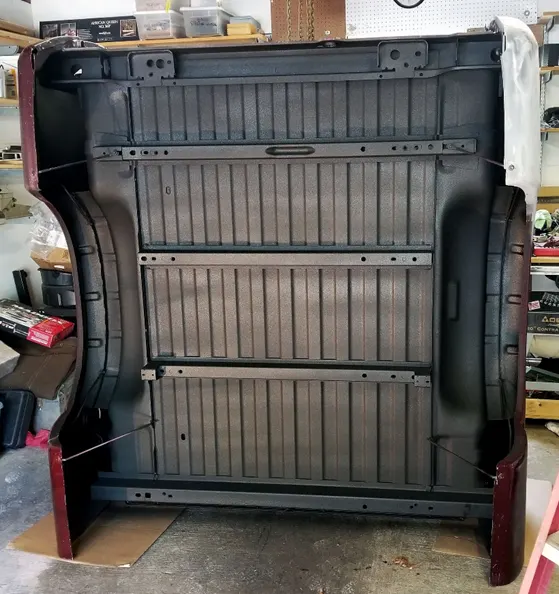
Asphalt-based undercoating is one of the strongest and most effective types of undercoating, often used for large trucks and heavy machinery. It needs more time to cure than the other types of undercoating available and can’t be painted, but it also provides better sound dampening than the other options. It generally contains a little bit of rubberized material that sets up firmly and also helps soften noise.
Advantages:
- Formulated to protect from dirt, rust, and corrosion, it normally has a shelf life of up to two years.
- Provides extra durability as it is the strongest and thickest undercoating available.
Disadvantages:
- It takes time to harden and so requires more cure time than the other three types.
- For best used only for the undercarriages of utility vehicles and trucks.
- The only type of undercoating with a limited warranty.
WATER BASED UNDERCOATING
Water-based undercoating is made from an advanced polymer that is non-toxic and environmentally friendly. When it comes to DIY (Do it Yourself) undercoating, this type is the most popular.
Advantages:
- Thin set it takes a short time to dry.
- Can be done at home.
Disadvantages:
- It requires frequent repetition as it’s not very durable.
- It cannot repel ice and water like petroleum-based undercoating.
PETROLEUM BASED UNDERCOATING
Petroleum based undercoating is a heavy, viscous oil based liquid product that provides an effective barrier against moisture and corrosion. The liquid dries and hardens to provide tough, durable and long-lasting protection.
Advantages:
- Has great deflective abilities for road salts and grime.
- Repels ice and water because of its petroleum base.
Disadvantages:
- Requires annual replacement.
PROS:
- Fights rust
- Reinforcement
- Prolonged cars life
- Absorbs noise
- Warranty and other perks
CONS:
- Increases the body weight.
- It’s not effective on cars with corrosion