Underbody Coating
Underbody Coatings
Underbody coatings are used to protect vehicle bodywork from rust and corrosion. This underbody layer protects the automobile from dust and moisture, as well as other variables such as bad road conditions, gravel flung from tyres and denting the metal, and salt from water during the monsoon, which all play a part in harming the underbelly of a car.
Underbody coating is often a thick cladding (generally based on rubber) placed uniformly to the automobile's underside. It is usually sprayed or painted on when the automobile is fresh off the lot and spotless. But it's acceptable if you get the undercoating done after a couple of years. This is due to the fact that it might avoid future harm to the undercarriage. And which better option for car’s life in the long run. In case of a new car the under body coating is done by it’s manufacturing company for the good life of a car.
Different Types Of Underbody Coating:
1. Rubberized Underbody Coating:
This is usually regarded as the best underbody covering for your vehicle. It protects the underbody from scratches and maintains it in good condition. This is also easily applied to the undercarriage. This may be done at a reasonable cost by an authorised service facility or a local repair shop. Rubberized coating is perfect for reducing road noise and keeping rust and corrosion at bay.
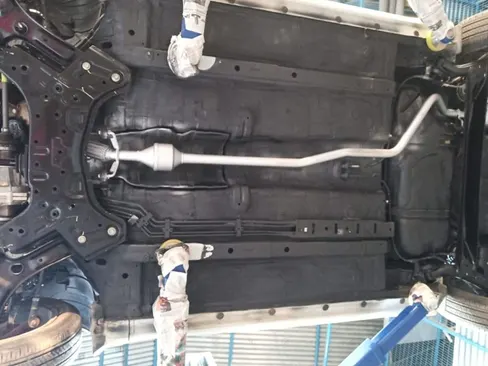
fig:Rubberized Underbody Coating
2.Wax Based Underbody Coating:
This temporary undercoating will, in most cases, go away within a few months. On the plus side, wax-based undercoating is moisture-resistant. It is also the least expensive option.
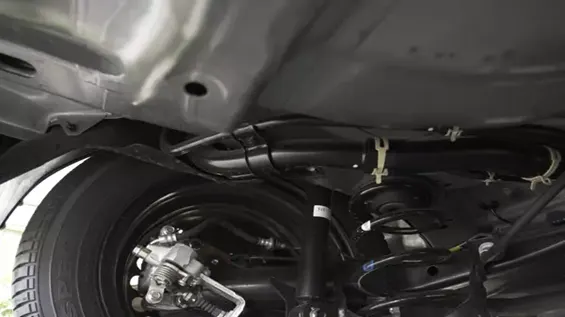
fig:Wax Based Underbody Coating.
3. Asphalt Based Automotive Undercoating:
Designed for lorries, trucks, and other large vehicles. This provides a better level of protection than rubber-based coatings. Asphalt-based coatings, on the other hand, contain a small amount of rubber to provide sound insulation. However, applying this coating takes some time.
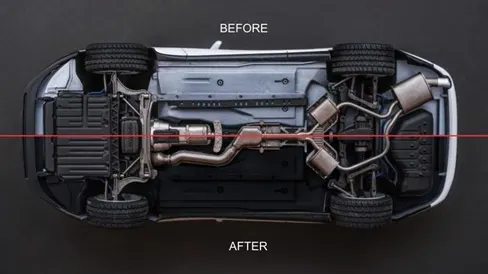
fig :Asphalt Based Automotive Undercoating
4. Polyurethane Underbody Coating:
This layer prevents cracks and breaks in the vehicle's underbody. It has a high corrosion resistance and also bonds to metal. Polyurethane coatings, unlike asphalt-based coatings, may be painted over.
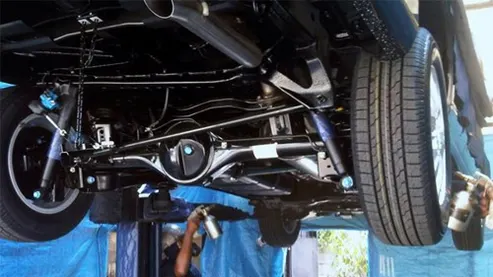
fig: Polyurethane Underbody Coating.
Advantages of Undercoating
1.Combats rust
It has an important role in corrosion prevention. Underbody coating is especially good if you live near the sea, where humidity is high and rust is widespread. If you reside in an area where it snows in the winter, you should think about undercoating. Cars are more vulnerable to rust during the rainy season. If you want to extend the life of your automobile, you should obtain an underbody coating.
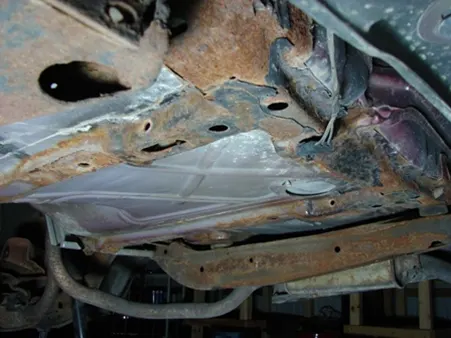
fig: rust on underbody of car
Noise Absorption:
Whether you know it or not, a thick undercoating can reduce sounds that enter the cabin. The undercoating, which is often made of rubber, absorbs some of the racket's energy. The occupants of the automobile may, to some extent, escape the road noises. So, if you want a quiet ride and a nice experience, acquiring an underbody covering is always a smart option.
Reinforcement:
Applying additional underbody covering on top of an existing one will not harm your vehicle. It will protect the underbody even more against water, road debris, gravel, and small stones. The factory coat would also be less likely to flake away.
Extend the life of your vehicle:
A proper undercoat protects not just the underbody but also the engine and transmission against corrosion! Less corrosion, paired with less wear and tear, may significantly increase the life of your vehicle. There would be less dents, dings, and scrapes to contend with on the undercarriage.
Disadvantages of Underbody coating:
- It is ineffective on corroded vehicles.
- Doesn't work as well on older vehicles.
- It's Ineffective on New Cars.
- The warranty on your vehicle may be void.
- It adds weight to your vehicle.