Underbody Coating
Under-Body Coating
In any car, there is a lot of paint job that needs to be done to protect the car body frame from getting eroded and the life of the car. It also protects those regions of the car body which are not easily accessible. These body frames are made to take a bath in tanks filled with electrolytic liquid so that the protective layer can be deposited in each and every corner of the structure as shown in the figure below.
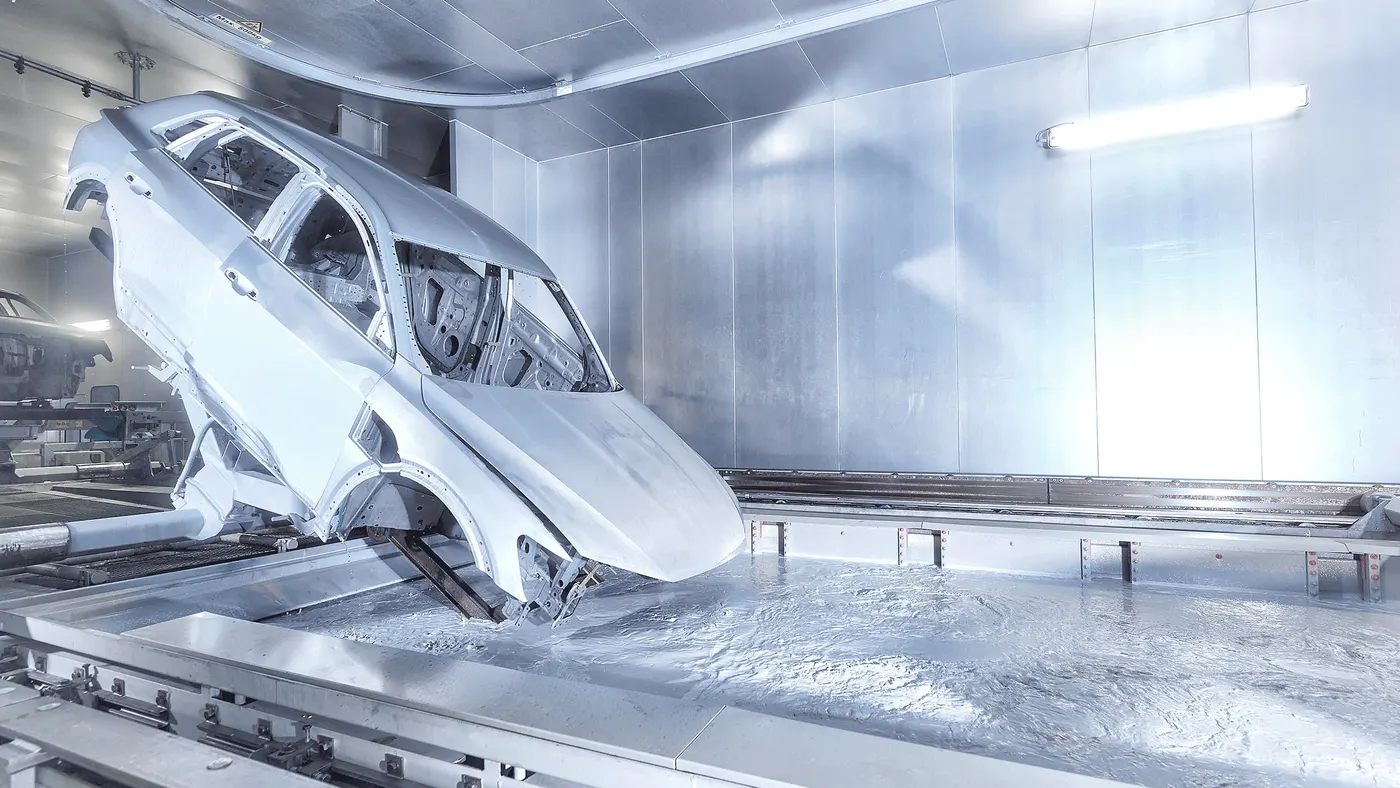
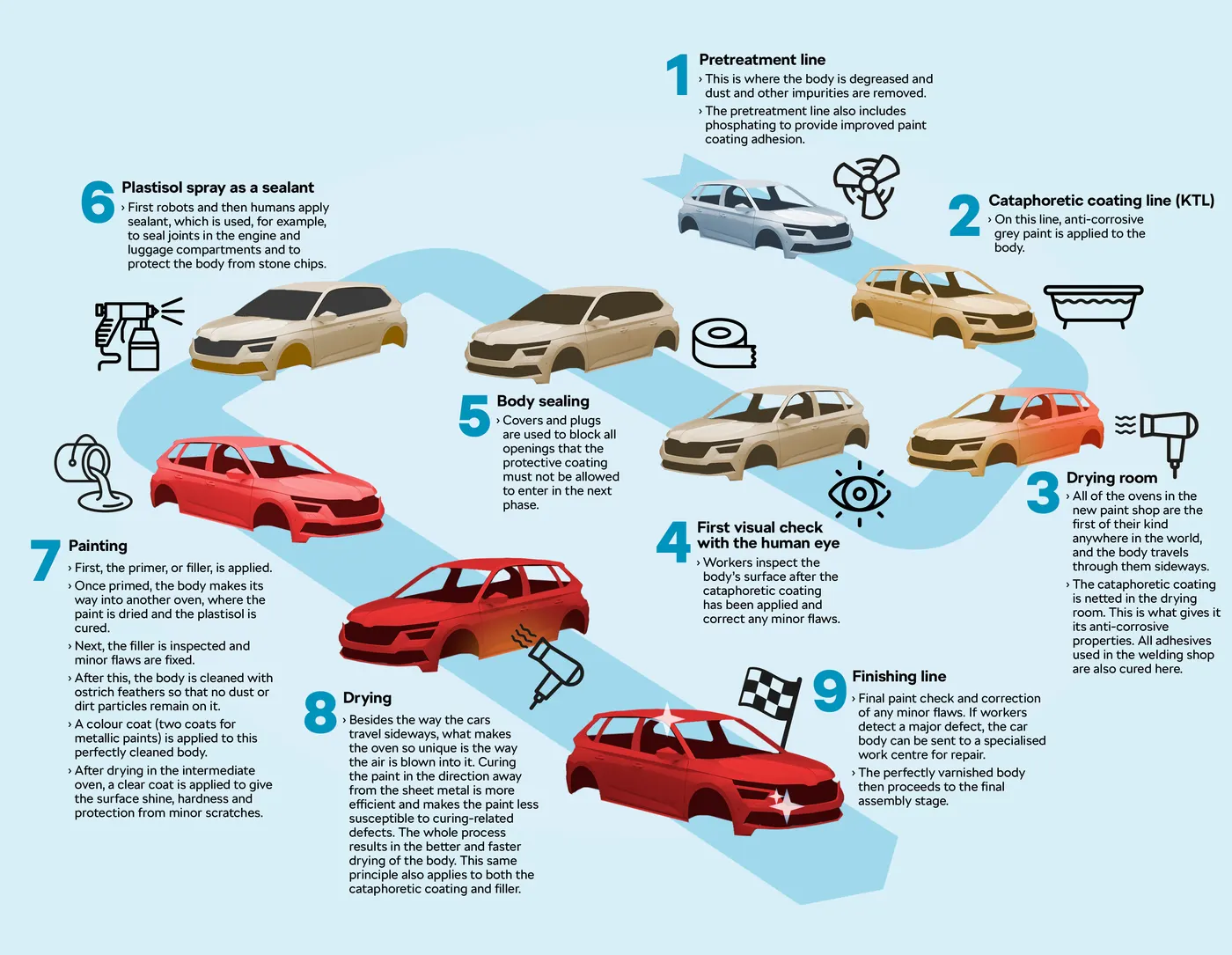
After applying the initial coatings these frames went another protective coating of primer and at last color paint in the paint job section.
The under-body coating is the additional protective layer that is specifically applied to the underbelly of the car to protect it against all sorts of dirt, moisture, and corrosion. In addition to under-body coating, the sealant is also applied to the areas of welding to make it leakproof.
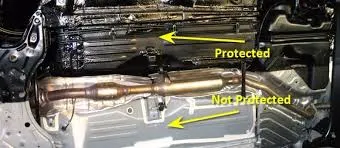
There are various types of underbody coating such as rubberized undercoating, polyurethane, and asphalt-based undercoating discussed below
Rubberized Undercoating
Rubberized undercoating is easy to apply and offers sound cushioning as well as protection from dust, moisture, and dings or dents. In addition to your undercarriage, rubberized undercoating is also safe to use on wheel wells and quarter panels, and dries to a soft rubbery finish that prevents further rust, damage, or moisture seeps. The coating can be painted over and, if necessary for bodywork, can be easily removed with an undercoating removal spray.
Polyurethane Undercoating
The other option for undercoating your vehicle is to use polyurethane-based undercoating. This type of vehicle undercoating is a little bit quicker and easier to apply. This type of sealant works by seeping into all cracks and seams, displacing salt and moisture, and oozing around rusty areas to bond with and protect the unoxidized metal. It also sands quickly in case you'll need to perform bodywork and can be painted over. On the flip side, this type of car undercoating generally requires a little bit more surface prep work before applying -- sanding and applying an etching primer to bare metals before using are generally recommended.
Asphalt-Based Undercoating
For standard vehicles, any of the aforementioned types of undercoating will provide sufficient protection. For large trucks and heavy machinery, asphalt-based undercoating provides a bit of extra durability against rocks, chips, and moisture. Asphalt-based undercoating generally contains a little bit of rubberized material that sets up firmly and also helps soften noise. This type of undercoating needs more cure time than the others, and is not paintable, making it best to use only for undercarriages.