Underbody Coating
UNDERBODY COATING
Introduction:
- A spray-on coating called underbody coating prevents corrosion on the vehicle's underneath.
- The underbody of an automobile is long-term protected against corrosion by underbody coating. It also safeguards inaccessible yet vulnerable to corrosion sections including internal body panels, frame rails, and other inner cavities.
- The car's undercarriage ought to be our main focus for protection.
- Particularly during the monsoon, when the roads turn into miniature rivers due to the excessive precipitation, leaving our automobiles trapped. They are therefore more vulnerable to severe corrosion in the underbody area.
- The underbody substrates are shielded from environmental circumstances, Impacts, Dampen vibration and sound, Protect from heat and cold, Provide corrosion protection, Seams are sealed, spray bodywork, Repairs, and Welds to conceal.
Types :
- Rubberized Underbody Coating
- Wax Based Underbody Coating
- Polyurethane Underbody Coating
- Asphalt Based Underbody Coating
Rubberized Underbody Coating :
- Rubberized Undercoating is simple to use, provides sound absorption, and guards against dirt, moisture, and dings or dents.
- Rubberized undercoating is safe to use on your wheel wells and quarter panels in addition to your undercarriage.
- It cures to a soft rubbery surface that halts further rust, damage, or moisture seeps.
- It is possible to paint over the coating and, if necessary for bodywork, to remove it quickly and easily with an undercoating removal spray.
- As it offers the simplest and finest defenses against rust and moisture, rubberized undercoating is typically the best solution for safeguarding your car's underside.
Polyurethane Underbody Coating :
- Utilizing a sealer with a polyurethane base is the alternate alternative for undercoating your car. This kind of car undercoating is a little bit quicker and simpler to apply.
- Polyurethane undercoating frequently comes in canisters that are already loaded into application guns. This kind of sealant functions by bonding with and shielding unoxidized metal by seeping into all crevices and seams, displacing moisture and salt, and oozing around rusty regions.
- Additionally, it may be painted over and sanded easily in case bodywork is required. On the other hand, this kind of automotive undercoating typically needs a little more surface preparation before applying; it is typically advised to sand and apply an etching primer to bare metals before utilizing.
Wax-Based or Paraffin-Based Underbody Coating :
- The simplest and least expensive method for safeguarding your vehicle's underside is paraffin-based undercoating. However, keep in mind that it must be stripped and reapplied at least once each year because it will wear off more quickly than other kinds of undercoating.
- Undercoatings made of wax never really harden.
- They leak or run into seams and cracks during application to offer protective qualities.
- They often come in an aerosol can or a spray gun canister and provide at least a basic level of protection in fairly humid climates.
Asphalt-Based Underbody Coating :
- Any of the undercoatings indicated above will be sufficient for typical automobiles.
- A little extra toughness against rocks, chips, and moisture is offered by asphalt-based undercoating for large trucks and heavy equipment.
- A small amount of rubberized material that hardens and aids in noise reduction is typically present in asphalt-based undercoating.
- It is recommended to use this type of undercoating solely for undercarriages because it is NOT paintable, often comes in five-gallon containers, requires a longer cure time than the other three, and requires more time to cure.
Process Of Underbody Coating:
- The rust must be entirely removed before you can update your car or apply any kind of coating.
- Depending on the region and the amount of rust, sandblasting or sanding can readily remove it.
- To make sure you aren't retaining any impurities on your car's undercarriage further after removing the rust and preparing it for coating, give it a brief rinse and let it dry.
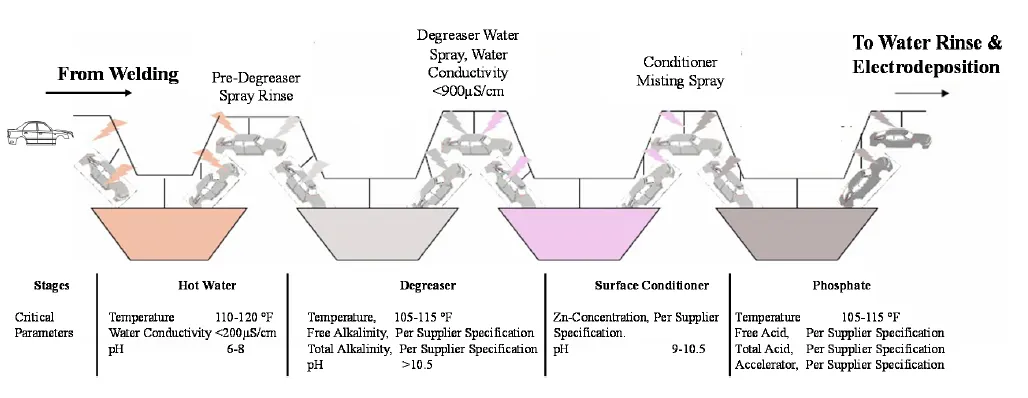
- It's also advised to first clean the metal using a degreaser.
- Spray guns are typically used to apply the majority of undercoating.
- The ideal spray gun to use is one that can be thrown away since, after the undercoating sets, it is very challenging to clean, even with a lot of thinners. The ideal spray gun is a Schutz disposable model.
Pros :
Reduces Sound:
- This produces a smooth, noiseless driving experience by reducing the sound coming from underneath the automobile.
Heat Insulation:
- It protects the interior of the car from soaring internal temperatures, making the ride more comfortable.
- In the event that a stone strikes the coating, it will not chip away, protecting the underbody from getting wet.
Cons :
- The already rusted part won't be affected by applying underbody coating.
- It is a Costly undercoating.
- Underbody coating is not recommended for owners who replace their cars after a few years because the corrosion itself begins after a few years.