Underbody Coating
UNDERBODY COATING
Coatings for the outer surface of an automotive body have been steadily developed to improve their mechanical strength, chemical resistance, and gloss properties
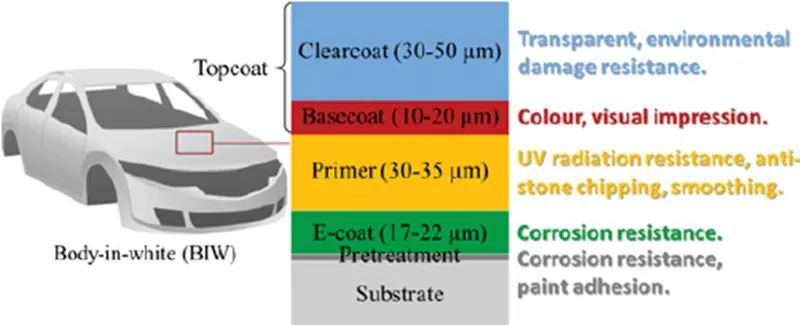
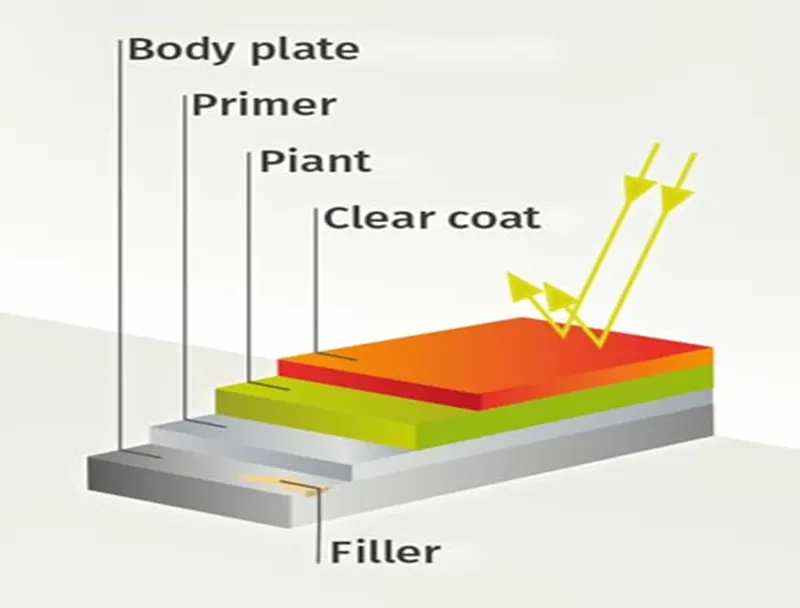
Conventional automotive coatings protect the inner frames from corrosion or physical damage and enhance the exterior aesthetics of the automotive. They consist of multiple layers, including electrocoats, primers, basecoats, and clearcoats. Among them, the clearcoat on the top of the coating layers effectively secures the inner parts of the automotive from external damages such as those caused by acid rain etching, scratching, oxidation, staining, and bird droppings.
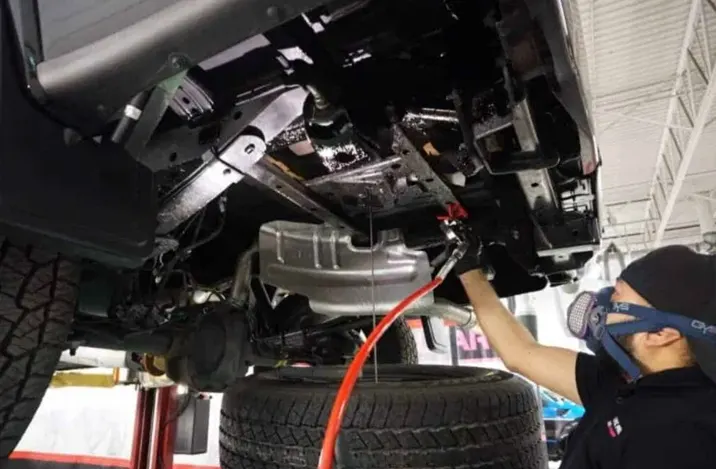
Undercoating and rust-proofing are examples of offering protection and care to the underbelly of your vehicle. Even if you live in a warm climate where salt or ice-melting chemicals are not used on roadways, it is essential to protect against corrosion and rust on the underside of the car, truck, or SUV
The main purpose of undercoating is to check rust especially in the body components like frame rails along with other exposed metal parts. Underbody coating can also reduce wear and tear.
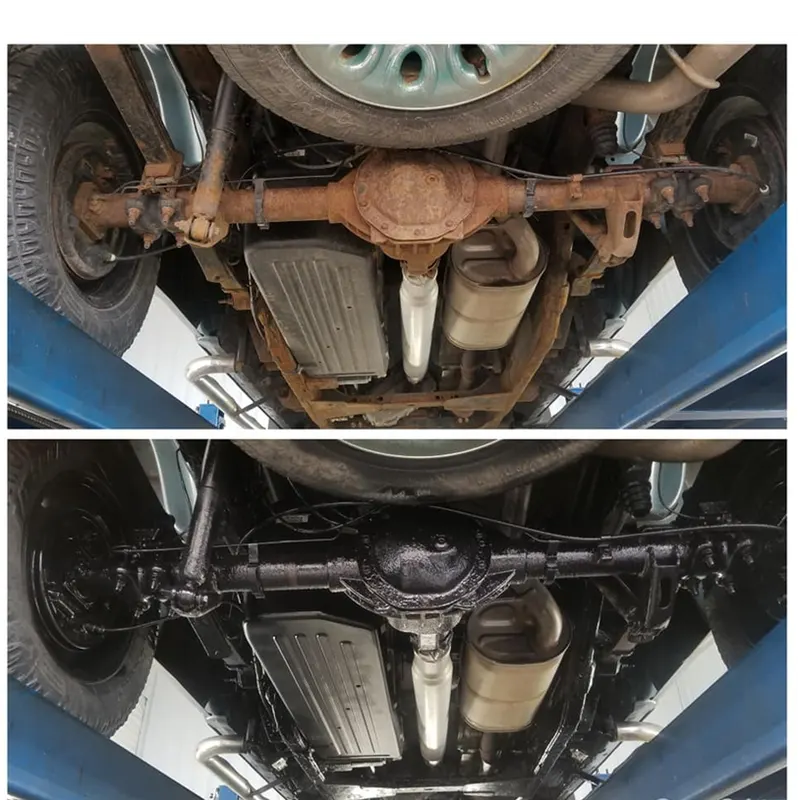
Now let us look at the various kinds of automotive underbody coating you can go for.
Types of Undercoating
· Rubberized Underbody Coating - This is generally thought of as the best underbody coating for your car. It preserves the underbody well, protecting it from scratches. Applying this to the undercarriage is not much of a hassle either.
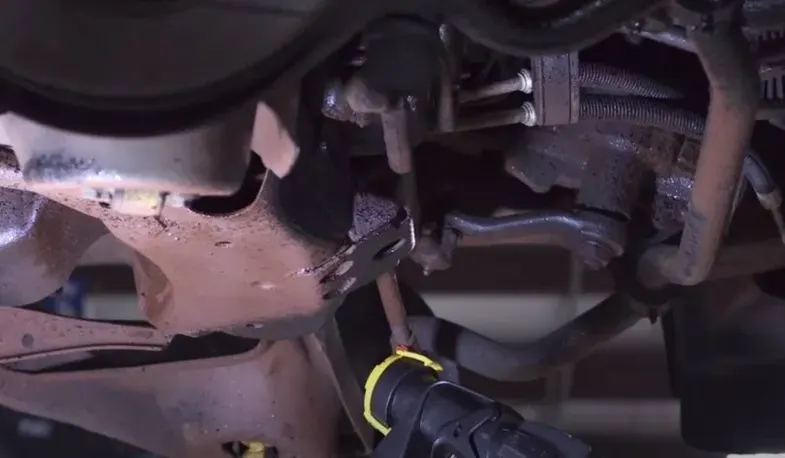
· Wax Based Underbody Coating - This – more or less – ephemeral undercoating will wear away in a few months’ time. On the upside, wax-based undercoating puts up a big fight against moisture. It is also the most affordable option out there.
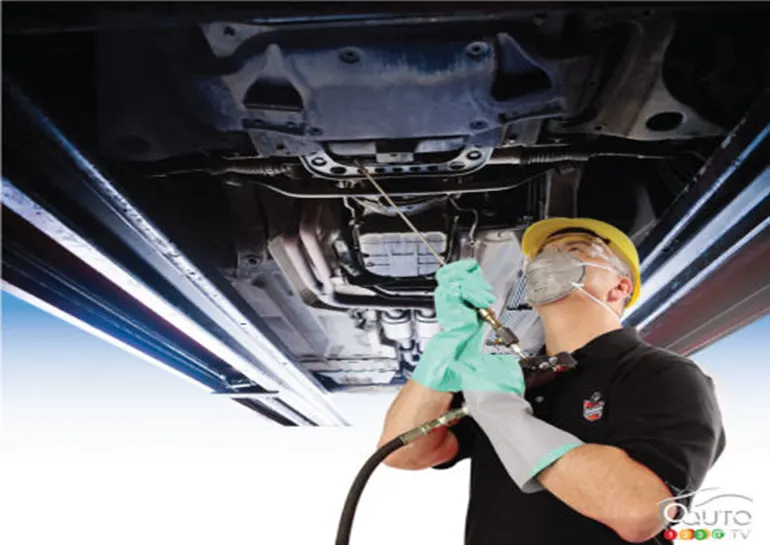
· Asphalt Based Automotive Undercoating - Best suited for lorries, trucks and large vehicles this provides a greater degree of protection compared to rubber-based coatings. However, asphalt-based coatings contain little amounts of rubber for sound-insulation purposes. The process of applying this coating is a bit time-consuming though.
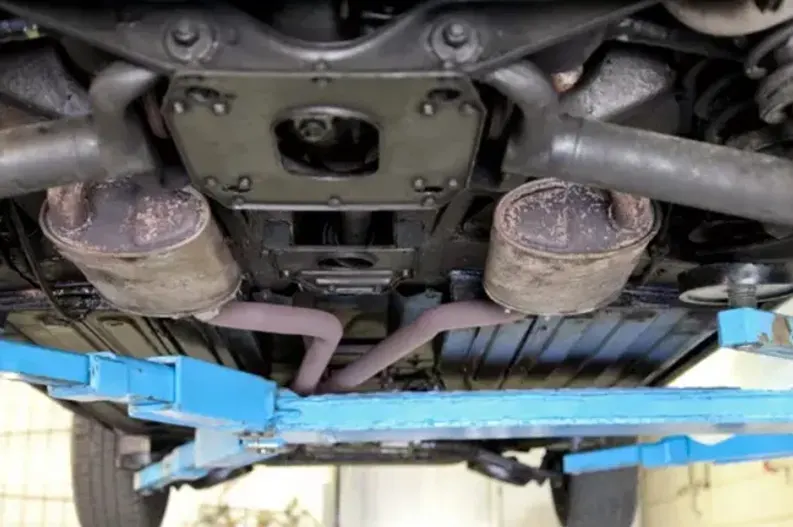
· Polyurethane Underbody Coating - This coating closes up splits and fractures on the underbody of the vehicle. It offers up good protection against corrosion and also bonds with the metal. Unlike in the case of asphalt-based coating, you can paint over the polyurethane coating.