Underbody Coating
Under Body Coating is a process done in a car in order to prevent from corrosion or rust that is formed and to prevent dust and even moisture as well. Due to the poor road problem in India it may even cause several dents in the underbody.
The Car with Undercoat: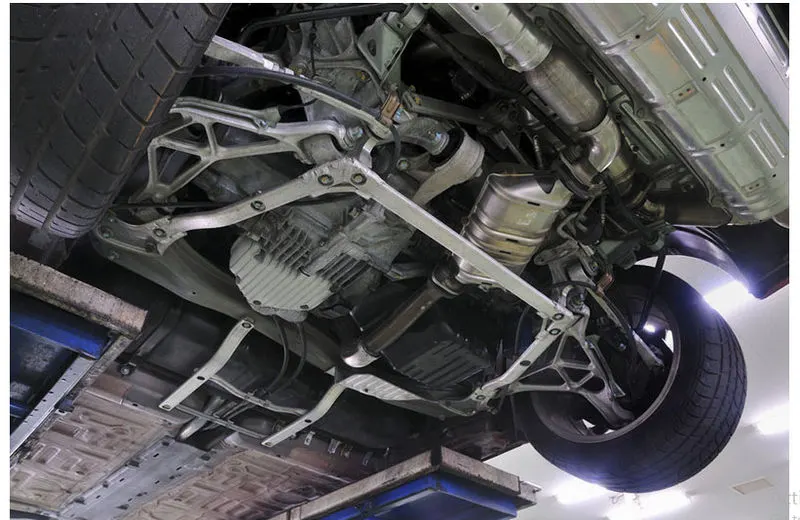
The rusted car without Undercoat: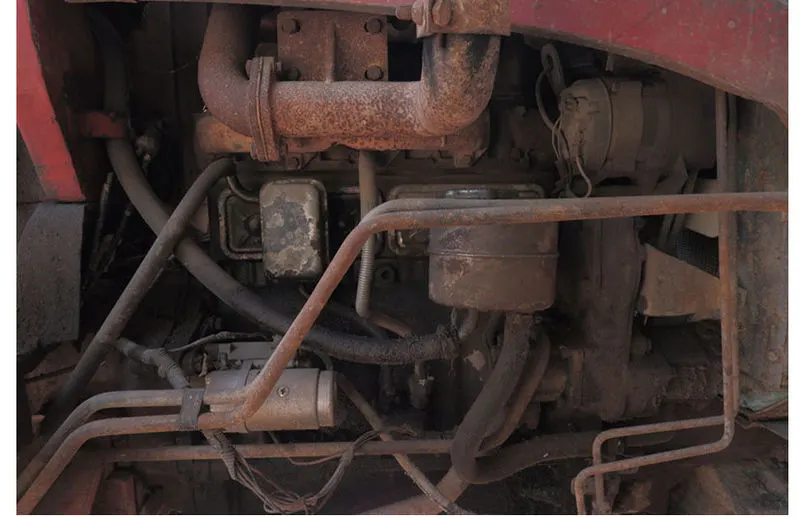
There are different types of undercoating based on types of materials used to coat and they are mentioned as follows.
Rubberized Undercoating
Rubberized vehicle undercoating is easy to apply and offers sound-cushioning as well as protection from dust, moisture, and dents.
In addition to your undercarriage, rubberized undercoating is safe to use on wheels and quarter panels, and dries to a soft rubbery finish that prevents further rust, damage, or moisture seeps. The coating can be painted over. It can be removed easily as well by undercoat removar spray.
Polyurethane Undercoating
Polyurethane-based sealant.is a type of vehicle undercoating is easiest to apply.
sometimes, polyurethane undercoating will come in canisters ready to preload into an application gun. This type of sealant works by seeping into all cracks and seams, displacing salt and moisture and oozing around rusty areas to bond with and protect unoxidized metal. It also sands quickly in case you'll need to perform bodywork and can be painted over.
But this type of car undercoating generally requires a little bit more surface prep work before applying.
Wax or Paraffin-Based Undercoatings
A paraffin-based undercoating will be the cheapest and quickest to protect the undercarriage of your vehicle. But it will wear off quicker than other types of undercoating and will need to be stripped and reapplied at least once every year.
Wax-based undercoatings never truly harden. During application, they drip or flow into seams and cracks to provide protective properties.
Asphalt-Based Undercoating
Asphalt-Based Undercoating is generally used for large trucks and heavy machinery, asphalt-based undercoating provides a bit of extra durability against rocks, chips, and moisture.Asphalt-based undercoating generally contains a little bit of rubberized material that sets up firmly and also helps soften noise.
The method to apply undercoats for a vehicle
- Pre treatment should be done i.e to wash the car and to remove rusts by applying suitable rust removers.
- Electronic rust protection treatment should be done for the anti-corrosion or rust prevention layer
- Suitable sealers is applied in order to close the leaks and to eliminate water from the under body Eg: PVC sealers
- Primer is applied for the underbody as the base coat to promote adhesion of the suitable underbody coating support
- Finally the suitable type of underbody coats is done in 3 layers i.e Base coat, Metallic coat and Clear coating is done.
Pros of Undercoating
- undercoating is the protection it provides to the carriage of your vehicle.
- If we live in an area where salt and sand are used on the roadways or in cold weather, these materials can be corrosive to your vehicle. Undercoating gives you an extra layer of protection against rust and corrosion.
- Undercoating may wear out, but you can get years of protection from it.
Cons of Undercoating
Undercoating will not help you if corrosion already exists and the corrosion needs to be removed first before it can be applied, which can be expensive for you.