Underbody Coating
- Aim :-What is Under-Body Coating and its purpose, its types in detail, and its pros and cons.
- Theory :-
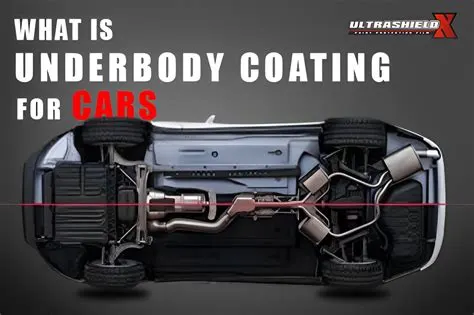
UNDER-BODY COATING :- Underbody coating is a thick cover that is placed uniformly to the cars underside. When the automobile is fresh off the lot and spotless, it is usually sprayed or painted on.
New cars no longer need aftermarket rustproofing. However, thats not the case with older models.
Older cars have lot more iron or steel body parts. When oxygenated air mix with water, rust occurs. Basic science. Rust is like the rash; it will spread like one and ultimately shorten the life of the vehicle.
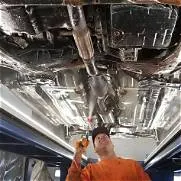
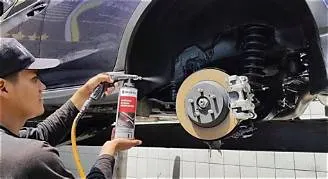
- PURPOSE:- It provides longterm protection from corrosion to car's Underbody. It also protects arts like internal body panels, frame rails and other inner cavities that are not physically accessible but are prone to corrosion.
- TYPES OF UNDERBODY-COATING :-
- Rubberized Underbody Coating :-
This is widely considered to be the best underbody coating for the car. It protects the underbody from Scraches and keeps it properly. It’s also not difficult to apply this to the undercarriage. This can be done at the authorized service center or by the local repair shop at a reasonable price. Rubberized coating is ideal to keep the road noise to a minimum and rust and corrosion away.
2. Wax Based Underbody Coating :-
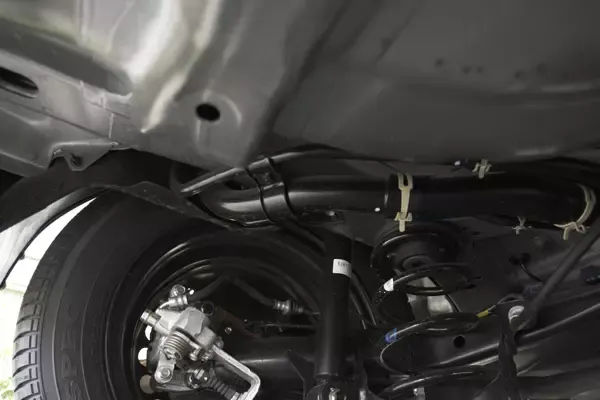
This transitory undercoating will, on the whole, fade away after a few months. On the plus side, wax-based undercoating is resistant to dampness. It is also the most cost-effective alternative.
3. Asphalt Based Automotive Undercoating :-
Suitable for lorries, trucks, and other heavy vehicles. In comparison to rubber-based coatings, this gives a higher level of protection. Asphalt-based coatings, on the other hand, incorporate a small quantity of rubber for sound insulation. The application of this coating, however, takes some time.
4. Polyurethane Underbody Coating :-
This covering seals breaks and fractures in the vehicle’s underbody. It provides strong corrosion resistance and also binds to the metal. Unlike an asphalt-based coating, the polyurethane coating may be painted over.
- Pros of a Vehicle Under-body coating :-
1. It provides a layer of protection against corrosion.
When an undercoating is properly applied to a vehicle, then you’ll be providing the underbelly with a layer of protection against rust and corrosion. Instead of contacting the metal components of the vehicle, the debris encounters the undercoating, which then proactively repels the dangerous items away. Although an undercoating will eventually wear out, it can provide years of protection against premature corrosion.
2. It will extend the life of your vehicle.
A proper undercoating extends the life of your vehicle because of its rust-stopping power. Corrosion does more than affect the integrity of the metals in your vehicle. It can get into your metal wires and cables, affecting any component which is comprised of steel or aluminum. Even your transmission and engine have exposure to rust when there isn’t a vehicle undercoating applied.
3. It can be applied to damaged areas.
Over time, the underbelly of your vehicle is going to develop nicks, chips, and scratches because of the debris you encounter while driving. Unlike older forms of undercoating, which included the use of asphalt and animal fat, modern products provide a real layer of protection because it can morph into the various areas of small damage.
4. It can be self-applied.
Rustproofing works best when you have this service professionally applied to your vehicle. If money is tight, however, and you have some basic car maintenance skills, then you can do the work yourself.
If this service is applied at the dealership, it may cost up to $1,500, depending on the make and model of your vehicle. Some dealers include it in a package of services that are priced even higher. When you do the job yourself, then the cost can be less than $100 for cars and under $150 for trucks and SUVs.
5. There are multiple undercoating methods that can be used.
There are four different undercoating methods that are commonly used on vehicles that require this service. The electronic method is used when rust is present to stop its corrosive effect, which is a method that receives mixed reviews. A standard undercoating method applies a tar-like substance to the exposed components of the vehicle underbelly. A dripless oil spray applies a waxy substance that fills in the entire body of the vehicle, which hardens when it dries.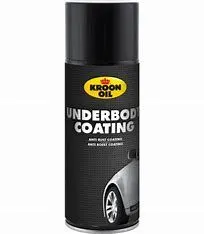
6. The service might help with the cost of your insurance.
Vehicular insurance is based on risk. If you reduce the risks of a claim by giving your vehicle a proactive service, of which an undercoating applies, then it may lower your overall premiums.
7. It may help to reduce interior noise.
When you’re driving, the sounds of the road can be soothing if they aren’t too loud. For lightweight vehicles, noise pollution can be overwhelming to the driver in some situations. Applying a layer of undercoating creates a barrier against the sound, which creates an interior that is quieter. After the service is performed, many drivers notice that audio levels are noticeably lower inside their vehicles.
- Cons of a Vehicle Undercoating
1. It is less helpful if corrosion is already present.
For an undercoating to be the most effective, it should be in place before the underbelly of your car begins to rust. If you apply it over corrosion, you will still isolate the metal from further moisture and airflow, which is good, but the existing oxidizing/rusting process will still continue to occur. After rust is already present, applying an undercoating will slow the continuation of the corrosion process and will make the vehicle look better… until the rust breaks its way through the layer of undercoating you’ve applied. If you have rust present, it is better to remove the rust and then apply the undercoating.
2. It works best on new cars.
If you’ve purchased a used vehicle, then the cost of preparing the underbelly for an undercoating might be more than the value of the car. You must remove all the residue from the bottom before it can be applied. Failing to do so will seal in the debris that is present already, which can lead to more problems. The best time to have an undercoating applied is when a vehicle is purchased new because it offers a superior level of protection then.
3. Most vehicles make it five years before corrosion begins to show.
For vehicle owners who purchase something new every 3 to 5 years, then rustproofing may not be a good use of your cash. Although an undercoating does add value to a used car, that only applies when the rustproofing product used provides a transferrable lifetime warranty. Most vehicles that are on the road today are able to make it five years before any corrosion begins to show. It may be 7 to 10 years before the functionality of the vehicle is negatively impacted by the lack of an undercoating.
If we wash our vehicle regularly, especially during the winter months, then we might be able to save the time and money required for this service.
4. A third-party undercoating service might void your vehicle’s warranty.
Some new cars no longer need the undercoating service provided because the structure of the vehicle has it built-in already. If you hire a third-party provider to apply an undercoating, you could void the corrosion-perforation warranty that is factory-provided. Most vehicles today that leave the factory floor are all provided with included rust-proofing.
5. It adds weight to the vehicle.
Although the amount of weight added to a vehicle with an undercoating is minimal (between 10 to 20 pounds for most vehicles), there is a small element of fuel economy to consider. When your vehicle weighs more, the distance you can travel on a single tank of fuel is reduced. The undercoating might reduce your efficiency by up to one mile per gallon, which creates a small additional fuel cost over time. Still, the effect on mileage of this additional weight is negligible compared to the effect a driver can have by the way they drive.
6. An undercoating is not impervious to damage.
An undercoating can provide a hardened layer of protection against dirt and debris that may cause corrosion. Depending on where you drive, however, the lifespan of this product may be minimal. If you drive your vehicle on gravel roads or dirty areas frequently, you reduce the integrity of the protective layer.
7. It must be reapplied every 3 to 5 years for the best results.
The only way for an undercoating to provide ongoing protection for your vehicle is to have the service repeated frequently. Most owners can have a new layer applied in about 5 years without worrying about their underbelly being compromised. In salty or destructive environments, however, you may need to have a new undercoating applied every 3 years for the best results.
CONCLUSION :- so here we can say that the Underbody coating Process is a must to make sure the underbody is given a layer of protection from all grime and grit and annual clean up and touch up is necessary to this.