Underbody Coating
Underbody Coatings:
- Underbody coating provides long term protection from corrosion to car's underbody.
- It also protects parts like internal body panels, frame rails and other inner cavities that are not physically accessible but are prone to corrosion.
- The underbody coating helps in protection from dust and moisture. And also plays an important role in protecting the underbelly of a car from the damaging during mansoon.
Purpose/Benifits :
- Minimizes sound: It minimizes the sound from underneath the car resulting a noiseless, smooth driving experience.
- Heat insulation: It insulates the interior of the car from extreme temperatures from beneath the vehicle providing a comfortable cabin experience.
- Anti-chipping property: If any stone hits the coating it does not get chipped away hence protects the underneath from exposure to water.
Different types of underbody coating:
Underbody coatings are categorised into various types based on the type of mterial used and also the cost of the material.
- Rubberized underbody coating: These coatings are easy to apply and offer sound- cushioning as well as protection from dust, moisture and dents. the coatings are safe even to use on wheel wells and quarter panels and when it is dried, it forms a soft rubbery finish that prevents rust and moisture seep.
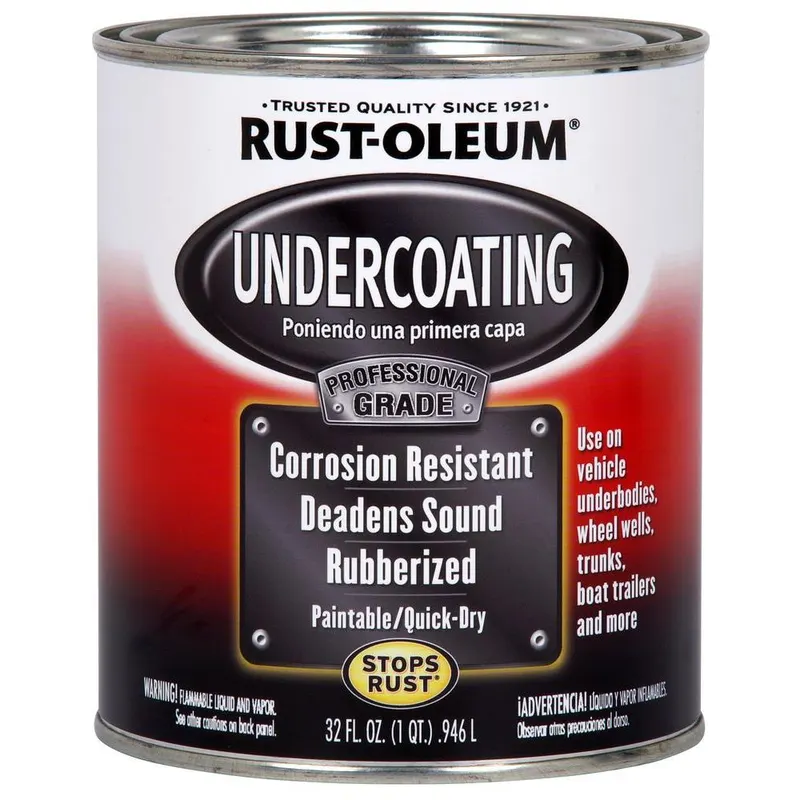
- Polyurethane underbody coating: This type of undercoating is a lit a bit quicker and easy to apply. This type of undercoating often comes in a canister ready to preload into application gun. This type of undercoating always requires surface preparations before applying.
- Wax or paraffin-based underbody coating: Wax or paraffin-based undercoating will be the cheapest and quickest option available in the market. But these coatings last only for one year of duration.
- Asphalt-based underbody coating: The above-mentioned undercoating is mainly used for light commercial vehicles. For vehicles such as trucks, buses, vans etc. asphalt-based undercoating is used for sufficient protection against rock chips and moisture. These asphalt-based undercoatings have a little bit of rubberised material that set up firmly and also helps in reduction in noise.
Pros and Cons of using an underbody coating:
Pros:
- Rust Prevention
- Protection against debris
- Sound Reduction
- Easier maintenance of the car(vehicle)
Cons:
- High cost
- Damage during application
- Added weight