Underbody Coating
Underbody Coating
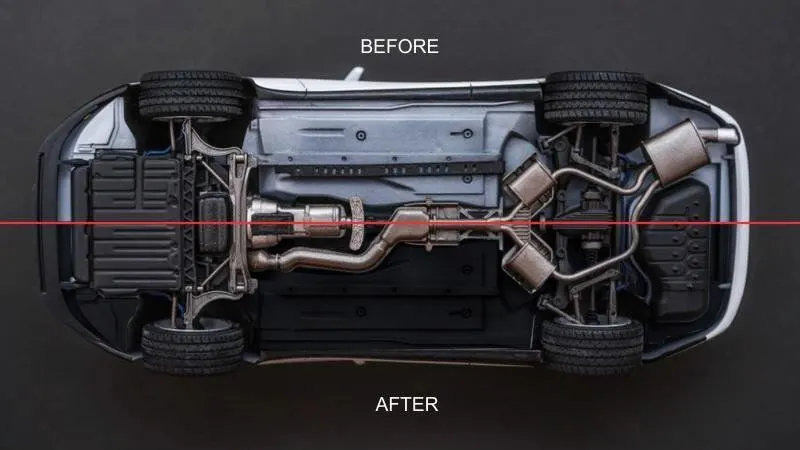
Underbody coating is a unique coating applied to the underbody of a vehicle. The coating is used primarily to prevent and decrease surface corrosion/rusting caused by metal oxidation. This layer is also required to decrease damage caused by flying debris from wheels onto the surface. This coating can be requested by the client to be applied to the surface during the production process or separately after the vehicle is received.
Pros and Cons of using an underbody coating:-
1) Pros:
- Rust Prevention: Underbody coating should preferably be applied while the automobile is brand new and free of dust particles. This produces an excellent adhesive covering that prevents corrosion of the underbody surface while also increasing the life of the components. When driving near water, it is critical to apply this layer.
- One of the key reasons for putting an underbody coating is to protect against debris. A car passes through debris the whole time it is on the road, which is especially true on Indian highways. These particles fly off the tyres and strike the underbody, potentially causing damage to the underbody components, which can be costly. The lifespan of the sufrace can be extended by applying a suitable layer.
- Sound reduction: Applying thick layers of covering can minimize noise within the cabin to a certain extent. Rubberized paint can minimize noise from tyres, the road, and debris.
- Easier vehicle maintenance: By providing a consistent covering, the underbody is effectively protected from moisture, which means that water may be used to clean the underbody. A good coating can prevent water from entering the components and rusting them prematurely. The coating also reduces water retention within the components, which can contribute to the formation of slush.
2) Cons:
- High cost: The cost of underbody coating has decreased over time, but it is still costly. The alternative of applying a coat at the dealership might become rather costly, as dealerships will attempt to maximize earnings by raising the price of an underbody coating.
- Damage during application: In the case of thick rubberized paints, if the coating is not applied properly, the paint might get into moving components and cause mechanical problems. It can have an impact on the differential, propeller shafts, joints, and even the suspension. If not done correctly, the coat may damage the paintwork around the bottom borders of the automobile.
- Added weight: Although modest, the extra weight may impair the vehicle's fuel economy.
3) Types of Underbody Coating:
- Rubberized coating is the most popular and least expensive way of applying underbody coating. The paint, which comes in spray or liquid form, is applied to the desired areas and then dries to provide a rubber-like texture. This improves surface adherence as well as noise reduction from the cabin. It protects against moisture and dirt quite well. However, if not done properly, it can significantly increase the weight of the car and harm its components.
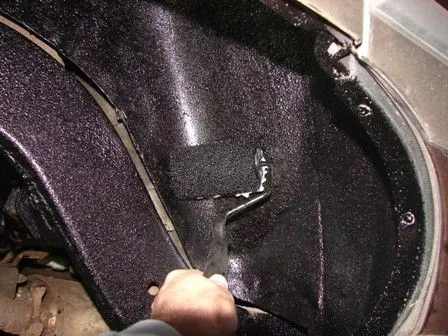
Rubberized coating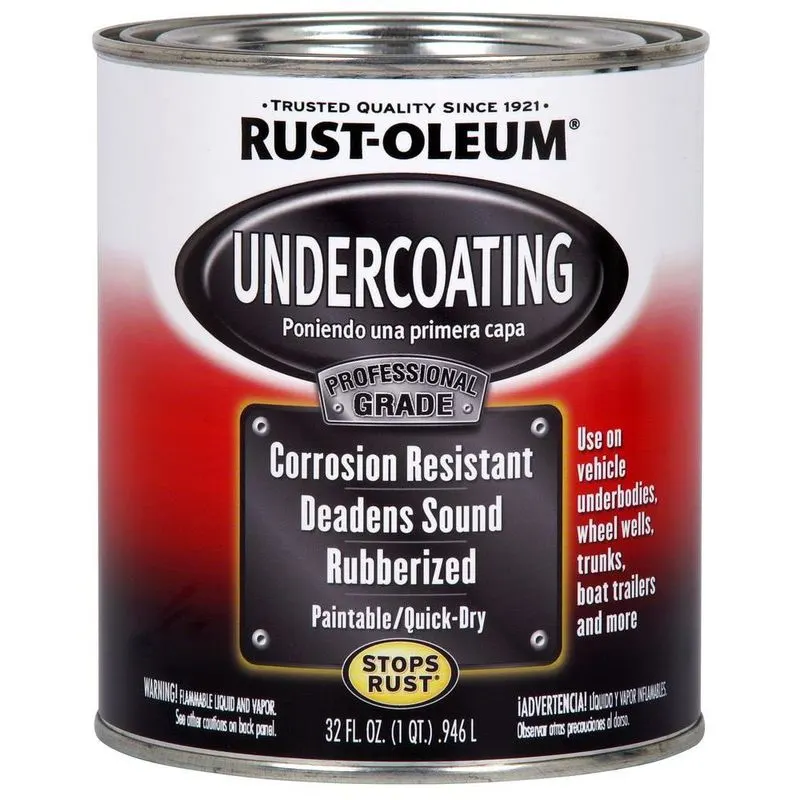
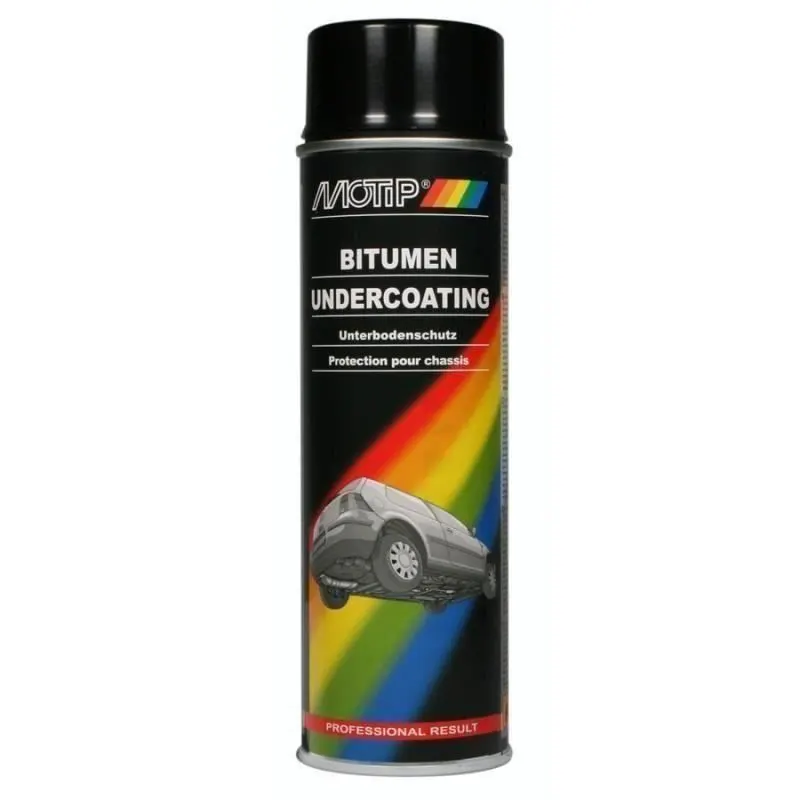
- Asphalt/bitumen-based coating: Because it provides a higher level of protection, it is typically employed in bigger vehicles such as trucks and heavy machinery. To lessen noise, some rubberized material might be applied. It protects against chipping and moisture, but paint cannot be put to it, therefore it can only be used on the vehicle's underbody. Also suitable for off-road vehicles.
- Polyurethane/PVC coating: This is a sort of coating that seals up gaps and seams. To prevent unoxidised metal from rust, the substance displaces salt and moisture. It is offered in canisters to be loaded into an application gun, which may be purchased for personal use as well as for use in production units with robotic arms. However, prior to applying the coating, some surface preparation is required, such as degreasing and adding an etching primer to the metal.
- Wax or paraffin-based coating: This is one of the most affordable techniques of supplying underbody covering. It comes in spray form and immediately permeates into cracks and seams to give modest moisture protection. However, this procedure is ineffective since the layer does not stay long and must be re-applied every few months. The wax is also not particularly adherent to the metal surface.
Conclusion: The underbody covering and its many varieties, benefits, and drawbacks were investigated.