Underbody Coating
Underbody Coating
Underbody coating is a process in which a dense layer of chemicals consist of protecting elements will be applied uniformly to the undercarriage of the automobile. Usually underbody of an automobile is an area, which consists of the parts, such as structural elements and panels placed in the lower part of the vehicle including the vehicle platform.
An automobile's underbody is exposed to high level of wear and tear caused by muddy water, dust, stones and other obstacles on the road. In order to reduce the wear and tear caused by these obstacles underbody coating is applied over the lower parts of the vehicle. Underbody coating leads to long term protection for the vehicle from corrosion. It also protects the internal body panels, frames and other parts which not physically accessible but are prone to corrosion, wear & tear as mentioned above. Under body coating also makes it easier to clean the car. The coating also acts as a thermal insulation while travelling in summers.
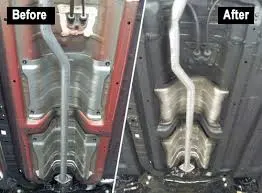
Significance
- Underbody coating covers the automobiles underbody which includes floorboards, frames, pans, wheel wells, suspension parts and exhaust pipes.
- Underbody coating materials adhere to metal even when it is painted.
- Manufacturing of underbody coating includes ingredients such as fibre glasses, ceramics, rubber, asphalt and silicone. Each ingredients has different properties, but all together gives protection against the elements and damages.
- Auto undercoating protects the most vulnerable area of a vehicle. Unlike the other visual parts, undercarriage doesn't get washed frequently.
- Underbody coating helps to provide an additional layer of insulation and protection to the underbody parts of the vehicle.
- In addition to the protection from elemental damage, underbody coating also leads to reduce the engine noise.
Types of Underbody coating
Rubberized Undercoating
As the name indicates this undercarriage coating involves applying of rubber agent to protect and cushion it against the dents, moisture and dust. It is also applied in wheel wells and quarter panels. When rubberized coating is applied, it dries to soft rubbery which further prevents from scratches and damages. Once this coating is painted and if we want to remove, it can be easily removed using undercoating removal spray. It is considered ideal in order to keep the road noise minimum and corrosion away. This underbody coating is considered as the best option when compared to other underbody coatings.
Advantages
- Provides satisfactory protection.
- Easy to apply.
- Undercoat can be painted for neat finish.
- Safe to apply.
Polyurethane Undercoating
Polyurethane normally comes in canisters ready to preload into an application gun. This sealant works by spraying into all cracks, displacing salts moisture around rusty areas to bond with and protect unoxidized metal. Polyurethane is used in the product of high quality and durability material which is perfect for any weather condition. This coating also seals the breaks and fractures in the vehicle's underbody. It provides corrosion resistance and also binds the metals. It is recommended to do sanding and etching primer to bare metals before using this coating.
Advantages
- It is easily and quickly applicable.
- Quick and simple to remove, as it sands easily.
- Can be painted over this coating.
- It has long lifespan and is resistant to wear and tear.
Wax or paraffin based undercoating
Wax coating is the cheapest and quickest option among all the other types of coating. This is coating is not harden type and during application it drips into the cracks and seams to act as protectors. They are usually available in canister and provide a least base protection in moderately humid climates. Wax coating is resistant to dampness and this is the most cost effective coating. This is more or less ephemeral undercoating will wear away in a sort duration of period, So it need to be stripped and reapplied periodically.
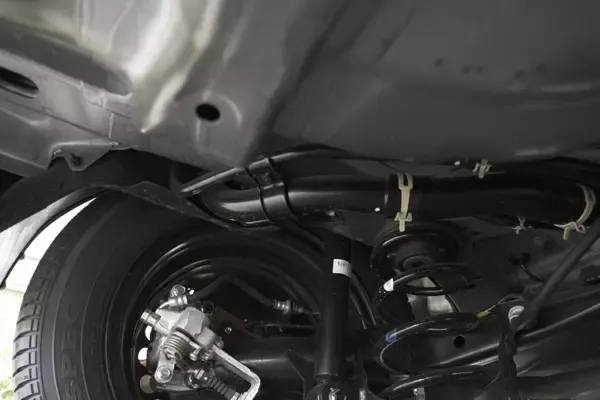
Advantages
- Most inexpensive underbody coating.
- Conveniently available in aerosol cans.
- Corrosion prone area can be easily protected.
Asphalt Based undercoating
Asphalt based undercoating is made of asphalt and also contains some rubberized material that sets up firmly and helps to soften the engine noise. It has most damage resistant properties. It lasts long and best for endurance vehicles that have to undergo heavy road use. Asphalt based undercoating is the strongest undercoating compared to all other types of undercoating. It is also the thickest undercoating. It will be available in most of the proffesional services shops and it is the only type of undercoating with a limited warranty. Application of this coating takes some more time when compared to other undercoatings.
Advantages
- Formulated to protect from dirt,rust and corrosion.
- Provides extra durability.
Petroleum Based Undercoating
Petroleum based undercoating is a heavy oil based undercoating with high viscous which provides effective barrier against the moisture and corrosion. The coating dries and hardens to provide tough, durable and long lasting protection. This has a greater deflective abilities grime.
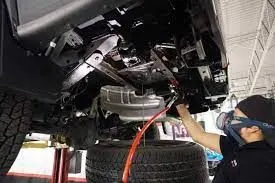
Advantages
- Repels ice and water because of the petroleum base.
- Has greater deflective properties.
Water Based Undercoating
Water based undercoating is the most commonly used undercoating. This type of undercoatings are thin-set and take short time to dry. It helps the vehicle to get protected from harsh weather conditions. These coatings are made of advanced polymers that is non-toxic and environmental friendly. This coating can be applied in any surface of the vehicle.
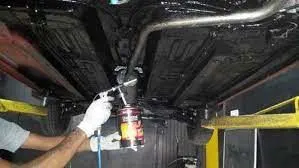
Advantages
- Thin-set, it takes short time to dry.
- Can be done at home.
Pros
- It plays a vital role fighting against rust.
- It keeps the cabin with noise free.
- It offers an additional reinforcement, protecting the underbody.
- It not only keeps the underbody from corrosion free but it also protects the other essential parts which leads to long durability of the vehicle.
- It insulates the interior vehicle from extreme temperature beneath the vehicle.
- It extends the life of the vehicle.
Cons
- For better adherence proper underbody preparation before application.
- Needs replacement over a period of time.
- The corrosion which is already available cannot be prevented.
- It increases the weight of the vehicle.
- Most of the underbody coating is quite expensive.
- It requires time consuming etching.