Underbody Coating
AIM: A report on Underbody Coating and its purposes.
Underbody coating:
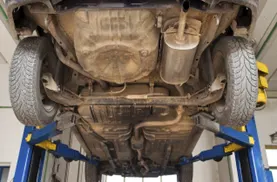
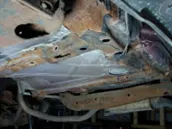
- The primary reason for the underbody coating is applied to prevent and reduce the metal corrosion of the surface due to oxidization, and protects parts like internal body panels, frame rails and other inner cavities that are not physically accessible but are prone to corrosion.
- It is also offer additional protection of the under body from water, road debris, and gravel. This coating can be specified by the customer to be applied onto the surface during the manufacturing process or can be applied separately after the vehicle is received.
Types of Underbody coating:
- Rubberized Underbody Coating
- Wax Based Underbody Coating
- Asphalt/Bitumen Based Automotive Undercoating
- Polyurethane Underbody Coating
Rubberized Underbody Coating
Rubberized Underbody coating is usually sprayed or painted; it is dense cladding (often based on rubber) applied uniformly to the undercarriage of the automobile.
Wax Based Underbody Coating
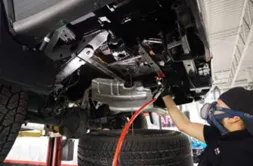
A paraffin-based undercoating will be the cheapest and quickest option available with which to protect the undercarriage of your vehicle. They are usually available in a spray gun canister or in an aerosol can and offer at least a base protection in moderately humid climates.
Asphalt/Bitumen Based Automotive Undercoating
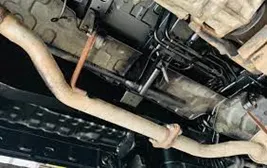
Fast-drying agent based on bitumen, designed for the permanent protection of the car underbody against rust. After drying product leaves tightly adherent coating, giving good mechanical protection in different climatic conditions. It is characterized by excellent soundproofing properties.
Polyurethane Underbody Coating
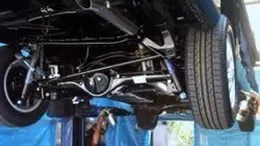
This covering seal breaks and fractures in the vehicle’s underbody. It provides strong corrosion resistance and binds to the metal. Unlike an asphalt-based coating, the polyurethane coating may be painted over.
Advantages of underbody coating:
Fights Rust
It has a crucial function in preventing corrosion. Underbody coating is particularly useful if you live near the sea, where there is excessive humidity and rust is a common occurrence. If you live somewhere where it snows in the winter, you should seriously consider undercoating. During the monsoon season, cars are at high risk of getting corrosion. If you want to extend your car’s life you should get an underbody coating.
Absorbs Noise
Very strong undercoating, realize it or not, can attenuate noises that enter the cabin. The undercoating, which is frequently made of rubber, absorbs part of the rackets. The car’s occupants could avoid the road sounds — at least to some extent. So if you want a quite ride and pleasant experience it is always a good idea to consider getting an underbody coating
Reinforcement
If your automobile already has an underbody covering, applying another one on top of it will not harm it. It will provide further protection for the underbody from water, road debris, gravel, and tiny stones. The factory coat would also have a lower risk of flaking away.
Prolong Car’s Life
A good undercoat protects not just the underbody from corrosion, but also the engine and gearbox! Less corrosion combined with slower wear and tear can extend the life of your car by many years. On the undercarriage, there would be fewer dents, dings, and scratches to worry about. So here you have it guys. What is underbody coating and what is everything you need to know about it? Did we miss anything? Let us know in the comment section below.
Dis-Advantages of underbody coating:
- It’s less helpful if corrosion is already present.
- It works best on new cars.
- A third-party vehicle underbody coating may void warranty.
- It adds weight to vehicle.
- It’s not impervious to damage.