Underbody Coating
UNDERBODY COATING: -
The underbody coating is a coating of the thick resilient coating material, coating seals on the underbelly parts have gotten a lot tighter and more effective at keeping out dust and moisture.
Purpose: -
Underbody Treatments offers a long-term solution for issues related to corrosion and rust.
It tends to strengthen the underbody material from getting distorted due to rough driving.
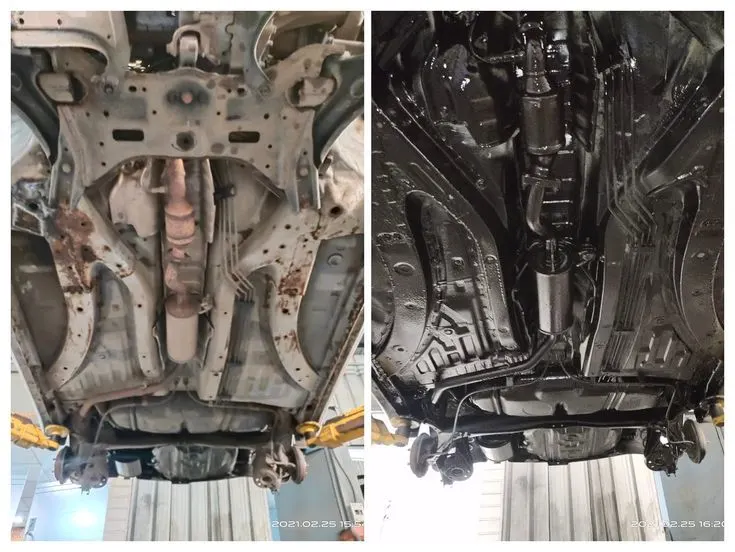
The above image is a comparison of the vehicle's underbody before and after applying the coating.
TYPES OF UNDERBODY COATING: -
- Rubberized Underbody coating
- Wax-based Underbody coating
- Asphalt-based underbody coating
- Polyurethane underbody coating
Rubberized Underbody Coating: -
This kind of coating is easy to apply and offers sound-cushioning as well as protection from dust, moisture, and dings or dents.
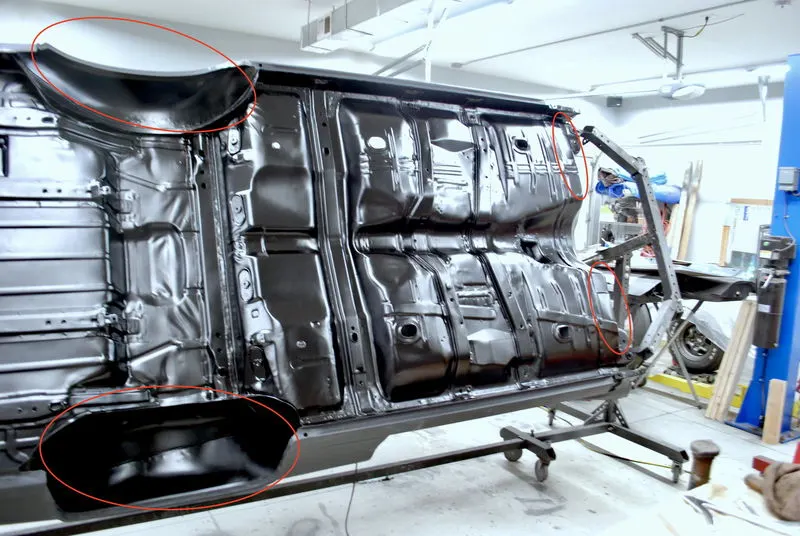
Rubberized undercoating is also safe to use on wheel wells and quarter panels, and dries to a soft rubbery finish that prevents further rust, damage, or moisture seeps. The coating can be painted over and, if necessary for bodywork, can be easily removed with an undercoating removal spray.
It preserves the underbody well, protecting it from scratches. Applying this to the undercarriage is not much of a hassle either.
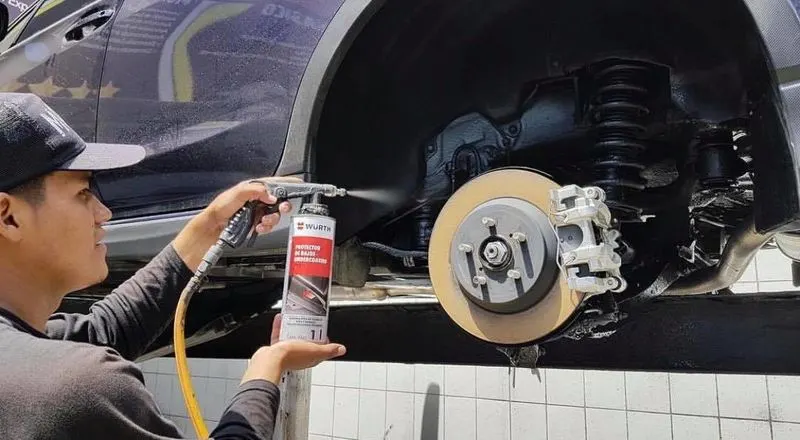
CAUTION: - BEFORE APPLYING RUBBERIZED UNDERBODY COATING. IT SHOULD BE DRY AND CLEAN. OTHERWISE, IT MIGHT CATCH MOISTURE ABD RUST.
Wax-Based Underbody Coating: -
This transitory undercoating will, on the whole, fade away after a few months. On the plus side, wax-based undercoating is resistant to dampness. It is also the most cost-effective alternative.
Best suited for lorries, trucks, and large vehicles this provides a greater degree of protection compared to rubber-based coatings. However, asphalt-based coatings contain little amounts of rubber for sound-insulation purposes. The process of applying this coating is a bit time-consuming though.
They are usually available in a spray gun canister or in an aerosol can and offer at least a base protection in moderately humid climates.
ASPHALT-BASED UNDERBODY COATING: -
For standard vehicles, any of the aforementioned types of undercoating will provide sufficient protection. For large trucks and heavy machinery, asphalt-based undercoating provides a bit of extra durability against rocks, chips, and moisture.
Asphalt-based undercoating generally contains a little bit of rubberized material that sets up firmly and also helps soften noise. Generally sold in five-gallon containers, this type of undercoating also needs more cure time than the other three, and is NOT paintable, making it best to use only for undercarriages.
POLYURETHANE UNDERBODY COATING: -
Polyurethane is a synthetic resin in which the polymer units are linked by urethane groups, used chiefly as constituents of paints, varnishes, adhesives, and foams.
This coating closes up splits and fractures on the underbody of the vehicle. It offers up good protection against corrosion and also bonds with the metal. Unlike in the case of asphalt-based coating, you can paint over the polyurethane coating.
A polyurethane coating is a polyurethane layer applied to the surface of a substrate for the purpose of protecting it or adding another element — such as color. These coatings help protect substrates from various types of defects such as corrosion, weathering, abrasion, and other deteriorating processes.

PROS: -
- Protection against corrosion
- Reduces NVH (Noise Vibration Harshness) levels
- Maintains the vehicle's strength and resale value.
- vehicle's underbody coating protects the paint from chipping.
- Protection of vital car components like the silencer, engine, and numerous other wires and small engine components for different purposes in the car.
- It can be applied to damaged areas. Over time, the underbelly of your vehicle is going to develop nicks, chips, and scratches.
CONS:-
- It is less helpful if corrosion is already present. For an undercoating to be the most effective, it should be in place before the underbelly of your car begins
- It adds weight to the vehicle
- An Underbody coating is not impervious to damage. It can provide a hardened layer of protection against dirt and debris that may cause corrosion.
- If not cleaned and dry the underbody properly before coating, It may rust from inside and damage the underbody structure.